Support

Namgyal Institute of Tibetology

About

A journey into the world of Himalayan traditions is incomplete without visiting this unique place. The Namgyal Institute of Tibetology is a world-renowned research center and museum located in the picturesque city of Gangtok. This institution is considered one of the most significant in India for anyone interested in the culture, religion, and history of Tibet.
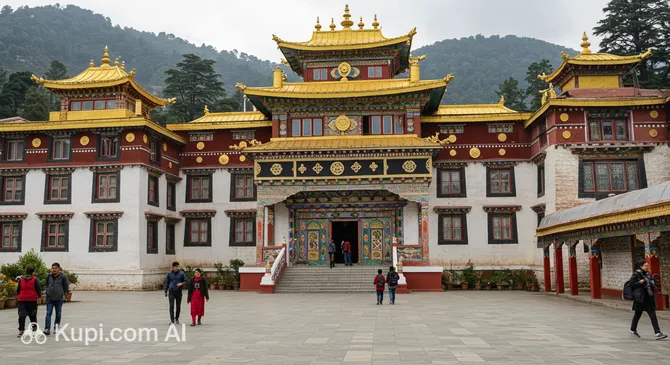
Namgyal Institute of Tibetology
Namgyal Institute of Tibetology. Иллюстрация. Источник: Kupi.com AI

Within the institute's walls lies one of the world's richest collections of Tibetan artifacts outside of Tibet itself. Here, you can see unique Buddha statues, intricately embroidered thangka scrolls, ritual masks, and ancient altars. The museum building, designed in a traditional Tibetan style, blends harmoniously into the mountain landscape of Sikkim, creating an atmosphere of deep tranquility and spirituality.

Beyond the museum halls, Namgyal serves as a major educational center and library, housing the rarest manuscripts and documents on Buddhist philosophy. This place attracts not only curious tourists but also scholars from around the globe seeking to touch the living heritage of the East.

Contacts

To clarify details before your visit or to contact the administration of the research center, you can use the following official resources:

How to contactContact
Address8J83+9WF, Deorali Rd, M.P.Golai, Tadong, Gangtok, Sikkim 737101, India
Websitewww.tibetology.net

What to Do

In the museum's main exhibition hall, visitors can enjoy contemplating priceless works of art. It is worth carefully examining the thangkas—finely crafted scrolls depicting deities—as well as the collection of antique masks used in ritual dances. Guides often share interesting facts about the symbolism of each item, revealing the deep meanings of Buddhist philosophy.

For those interested in history through the lens of visual imagery, the institute runs visual anthropology projects. You can view digitized photo archives and documents telling the story of Sikkim's monasteries. The institute's library is a true paradise for book lovers; here, you are permitted to browse rare texts on Tibetology and Buddhism in a quiet, contemplative environment.

After exploring the exhibits, it is pleasant to stroll through the well-kept garden, which offers beautiful views of Gangtok. In the local kiosk, you can purchase commemorative souvenirs: thangka reproductions, books on Eastern philosophy, or traditional handmade crafts that will serve as an excellent reminder of your visit to this sacred place.

Getting There

Finding this cultural center is quite easy: it is located in the southern part of Gangtok, in the Deorali area. If you are coming from the city center (for example, from the popular MG Marg pedestrian zone), a taxi ride will take only 10–15 minutes, covering a distance of about 4–5 kilometers.

For those who prefer public transport, buses heading to the Tadong or Deorali stops are suitable. After getting off the bus, it is a pleasant 10–15 minute walk along a scenic road. You can also use Gangtok's famous Ropeway, choosing the route that descends closest to this area.

A taxi is the most convenient option. The cost of a private or shared taxi usually ranges between 100–200 Indian rupees. If you enjoy walking, the path from the Enchey or Rumtek monasteries takes about 30–40 minutes and offers breathtaking views of the Himalayan peaks.

Ближайший город: Gangtok

History & Facts

The founding of this unique center was a landmark event for the preservation of Eastern heritage. The idea of creating an institution dedicated to studying the Tibetan cultural sphere came to life in the mid-20th century. On February 10, 1957, the 14th Dalai Lama laid the foundation stone of the future institute.

The official opening took place on October 1, 1958, and the honor of conducting the ceremony went to the first Prime Minister of India, Jawaharlal Nehru. Since then, the institute has evolved into one of the world's most respected centers for Tibetology, serving as a true bridge between ancient traditions and modern science.

Today, the Namgyal Institute of Tibetology actively develops projects to digitize rare documents and photo archives. One of its most important areas of work is the preservation of data on 60 monasteries in Sikkim, allowing researchers from all over the world to study the region's history without leaving the library walls.

Time Needed

To fully experience the exhibition and soak in the atmosphere of the place, most travelers need about 1.5–2 hours. This time is quite sufficient to leisurely explore the museum halls, study the details of ancient manuscripts, and peek into the unique library.

If you plan to study rare artifacts in detail or wish to spend time in the quiet surrounding garden for meditative relaxation, it is worth setting aside a bit more time. A visit to the museum typically takes about an hour, with the remaining time spent viewing temporary exhibitions and purchasing souvenirs.

Working Hours

The institute is open to visitors daily, except for Sundays. The schedule is quite convenient for tourists:

Monday — Saturday: from 10:00 to 16:00.
Sunday: Closed.

Please note that operating hours may change on public holidays, so it is recommended to verify the information just before your visit.

DayWorking hours
Понедельник10:00 – 16:00
Вторник10:00 – 16:00
Среда10:00 – 16:00
Четверг10:00 – 16:00
Пятница10:00 – 16:00
Суббота10:00 – 16:00
ВоскресеньеЗакрыто

Nearby

Exploring the surroundings of the institute will allow you to dive even deeper into the atmosphere of Sikkim's capital. Within walking distance, you will find both majestic royal buildings and modern urban spaces where you can relax after your tour.

A walk through the Deorali district will reveal interesting architectural monuments and cozy spots popular with locals and travelers alike. Below are some of the attractions located nearby:

NameDistance
Black Cat Museum0.3 km
Gangtok Ropeway0.3 km
Do Drul Chorten0.3 km
Lyric Karaoke Restaurant & Bar0.5 km
The Attic Lounge0.8 km
Gangtok Groove1.2 km
Namnang View Point1.2 km

Reached the end of the page?

That means the route is fully explored