Support

Aloyseum (St. Aloysius Museum)

About

In the heart of the bustling city of Mangalore lies a remarkable place — the Aloyseum (St. Aloysius Museum). Founded back in 1913, this museum at St. Aloysius College is a true treasure trove where the history of India intertwines with global artifacts. It is not just an academic collection, but a living space that found a new modern home in 2019, right across from the college's famous chapel.
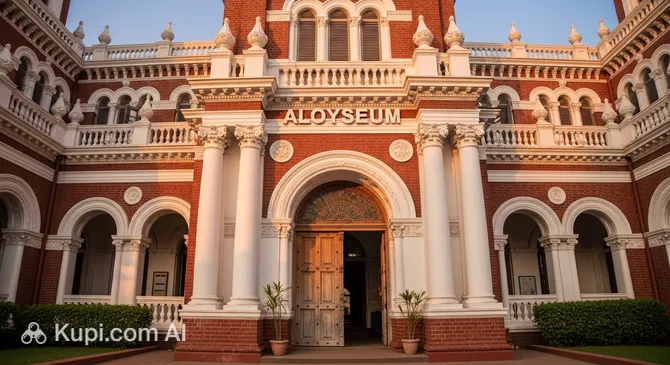
Aloyseum
Aloyseum. Иллюстрация. Источник: Kupi.com AI

The Aloyseum's collection is strikingly eclectic: here you can see everything from ancient Neolithic axes to fragments of the Berlin Wall. The museum is divided into several halls, each dedicated to a specific theme: archaeology, numismatics, natural history, and even the evolution of technology. Special attention is paid to the local traditions of Karnataka, making the exhibition a valuable source of knowledge about the region's culture.

The museum's interiors were carefully designed to make a visit both comfortable and informative. Strolling among shelves of antique porcelain, rare stamps, and early computers, visitors take a unique journey through time. The Aloyseum is rightfully considered one of the most significant and interesting museums in Mangalore, a must-visit for all history enthusiasts.

Contacts

Finding this unique cultural hub in the city center is quite easy. Below are the key contact details to help plan your visit.

How to contactContact
AddressSt Aloysius College Rd, Hampankatta, Mangaluru, Karnataka 575003, Индия
Websitewww.staloysius.edu.in

What to Do

A walk through the halls of the Aloyseum feels like a quest across different eras and continents. One of the most impressive objects is a whale skeleton brought from Beliapatam. Be sure to linger by the display cases featuring the Tipu Sultan era weapons collection: ancient cannons and spears from Abyssinia are on display here, preserving the memory of past eras.

Tech enthusiasts will enjoy seeing the college's first generator and first computer, as well as an impressive collection of cameras—ranging from bulky early models to more modern versions. If you are interested in the everyday life of locals, take note of the models of Karnataka village life and agricultural tools. The museum also houses the first car to ever appear on the streets of Mangalore, which always delights visitors.

Art and religion lovers should explore the hall with liturgical vestments, ancient missals, and a wooden cross that once adorned the facade of a local chapel. Photography is permitted in the museum, so you can capture the rare exhibits. After touring the main exhibition, stop by the audiovisual hall, where materials showing the practical use of local artifacts in daily life are presented.

Getting There

The museum is located at St Aloysius College Rd, Hampankatta, in the very heart of the city. Thanks to its central location, it can be reached by almost any form of transport. The most authentic and fastest way to get around the city is by auto-rickshaws, which will take you right to the college gates.

If you prefer public transport, look for the Hampankatta or State Bank of India bus stops, which are within walking distance of the entrance. For travelers arriving by train, the journey from Mangalore Central railway station will take only 15–20 minutes by taxi or rickshaw.

Tourists flying into Mangalore International Airport (IXE) should allow about an hour for the journey (a distance of approximately 20–25 km). Parking is available on the college grounds, which is convenient for those renting a car or using online taxi-hailing services.

Ближайший город: Mangalore

History & Facts

The history of this place began in 1913, when Italian Jesuit Father Chiapi decided to create a small collection of antiquities at the college. The first exhibits were minerals, a herbarium, and Roman coins sent as a gift from Italy. Since then, the collection has grown continuously, evolving from a modest cabinet of curiosities into a full-fledged world-class museum.

For over a century, the museum was housed in the historic "Red Building," but in 2019, it experienced a rebirth. Under the leadership of Father Leo D’Souza, the collection was completely restored and moved to a modern building. This move didn't just update the space; it transformed the museum into an innovative "edutainment" center where education meets entertainment.

Today, the Aloyseum is considered an important testament to the Jesuit contribution to the development of culture and education in this region of India. Among the exhibits, you can even find unexpected items like fragments of the Berlin Wall or artifacts from Arctic expeditions, highlighting the global scope of the museum creators' interests.

Time Needed

To carefully explore all five halls and the main lobby, you will typically need about 1 to 2 hours. The collection is very diverse, so it's worth setting aside time to read the explanatory labels, which are written in English and Kannada.

If you also plan to visit the famous St. Aloysius Chapel, located directly opposite, the total visit time may extend to half a day. This is an ideal option for a relaxed cultural immersion without any rush.

Working Hours

The museum follows a consistent operating schedule, which is convenient for tourists. You can visit the exhibition daily from 09:00 to 13:00 and, after a lunch break, from 14:00 to 17:00.

Since the museum is located on the grounds of an active educational institution, it is recommended to check the college's official website before your trip to ensure there are no changes to the schedule due to holidays or internal events.

09:00–13:00, 14:00–17:00

Nearby

Mangalore is full of amazing places, and a visit to the Aloyseum can easily be combined with a stroll to other interesting locations in the city. The surrounding area offers both educational and entertaining sites for the whole family.

NameDistance
St. Aloysius Chapel0.1 km
Mixx - The Lounge Bar0.3 km
Pallkhi Restaurant0.4 km
City Centre Mall0.4 km
City Center Mall0.4 km
Froth On Top0.7 km
Big Bollywood Adda0.8 km

Reached the end of the page?

That means the route is fully explored