Support

Empress Botanical Garden

About

The Empress Botanical Garden is a true green oasis and one of the key natural attractions in the city of Pune, India. This historical garden, named after Queen Victoria, is not only a popular spot for relaxation but also an important center for the conservation of rare plant species and botanical research. Its history and cultural significance make it a must-visit for both tourists and locals.

The garden covers an impressive 39 acres and boasts a beautifully maintained landscape. Visitors can spend hours walking along the spacious paths, enjoying the beauty and diversity of the flora. The garden's collection includes hundreds of species of trees, shrubs, and flowers, including exotic and rare plants brought from all over the world. Some trees here are over a hundred years old, giving the place a special atmosphere.
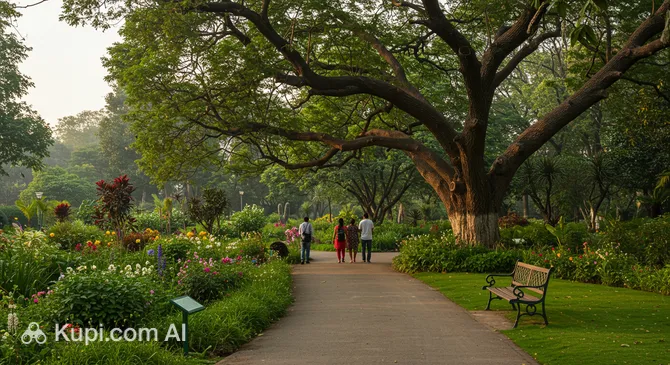
Empress Botanical Garden. Illustration.
Source: Kupi.com AI

Traveler photos:

Thanks to its picturesque scenery, the Empress Botanical Garden has become a favorite spot for leisurely strolls, family picnics, and a break from the city's hustle and bustle. The garden offers excellent facilities for visitors, including manicured lawns, shady spots, and even a small children's park. It is the ideal place to immerse yourself in nature and enjoy the peace and fresh air without leaving the city limits.

Contacts

For the most up-to-date information regarding opening hours, ticket prices, or upcoming events at the Empress Botanical Garden, it is recommended to check the details available on-site. The garden is located in the city of Pune, not far from the racecourse.

How to contactContact
AddressEmpress Garden, Pune - Solapur Rd, near race course tower, Empress Garden, Kavade Mala, Pune Cantonment, Pune, Maharashtra 411001, India
Phone number+91 96070 72605
Websitewww.empressgarden.org

What to Do

A visit to the Empress Botanical Garden offers a chance to immerse yourself in nature and escape the city's bustle. The primary activity here is a leisurely stroll along the many paths winding through rare and exotic plants. You can admire extensive floral collections and century-old trees that provide pleasant shade on a hot day. The garden is also a wonderful location for photography enthusiasts, offering numerous picturesque spots for vibrant shots.

For those seeking active recreation or tranquility, the garden provides several options. Its well-kept lawns and peaceful atmosphere are perfect for morning jogs, yoga sessions, or outdoor meditation. Additionally, the Empress Botanical Garden is a popular family destination, featuring dedicated play areas for children and cozy picnic spots to spend time with loved ones.

The garden also serves an important educational and cultural purpose. It regularly hosts famous flower exhibitions, such as the annual "Buds and Blooms" show, as well as themed events dedicated to botany and environmental protection. It is a great opportunity not only to enjoy the beauty of the flora but also to learn more about the diversity of the plant world, as many plants are labeled to aid in their study.

Getting There

The Empress Botanical Garden is conveniently located in the central part of the city of Pune, near the Race Course. This makes it easily accessible by both private and public transport, making it a convenient destination for all types of travelers.

For those who prefer public transport, numerous city buses and auto-rickshaws—which are very popular in India—run to the garden. A taxi ride from most parts of the city is also quick and comfortable. Due to its central location, the garden is within walking distance of several other landmarks, allowing you to easily combine multiple excursions into a single day.

If you are traveling by train, the nearest railway station is Pune Junction. From there, the Empress Botanical Garden can be reached in just 10–15 minutes by taxi or rickshaw. For visitors arriving by car, parking is provided near the garden entrance, solving the problem of finding a spot for your vehicle.

Nearest city: Pune

History & Facts

The history of the Empress Botanical Garden is closely linked to India's colonial period. Originally, this site was known as the "Soldiers' Garden" and served as a recreational area for British military personnel. It received its current name in honor of Queen Victoria, who held the title of Empress of India. A key role in its creation and development was played by botanist George Marshall Woodrow, who worked alongside the renowned scientist Theodore Cooke. The garden was initially conceived not just as a park, but as a serious scientific center.

In its early years, the garden's primary goal was the acclimatization and study of various plant species from around the world. It served as an important platform for botanical research, helping scientists adapt new crops to local conditions. Over time, while preserving its historical layout and valuable collections, the garden has become an integral part of the natural and cultural landscape of Pune, beloved by residents and visitors alike. Since the 1880s, management of the garden has been handled by the Agri-Horticultural Society of Western India, which continues to maintain and develop it today.

The garden's legacy lives on today. Scientific work continues here, focused on the conservation of rare and endangered plant species, highlighting its ecological importance. Additionally, the Empress Botanical Garden plays a vital educational role, organizing programs for schoolchildren and students. Thus, it has evolved from a soldiers' retreat and colonial research center into one of the most significant green and cultural symbols of modern Pune.

Time Needed

When planning a visit to the Empress Botanical Garden, you should expect to spend between 1.5 and 3 hours for a full walk and to see the main sections. This should be plenty of time to stroll leisurely along the main paths, enjoy the well-kept landscapes, take photos of exotic plants, and simply relax in the shade of century-old trees.

If you want to completely immerse yourself in the garden's atmosphere, explore it in more detail, or visit during one of the flower festivals, it is better to set aside more time. Botany enthusiasts wishing to examine rare species or families planning a picnic on the lawns could easily spend half a day here. Ultimately, the exact time depends on your interests and plans for visiting this green sanctuary.

Working Hours

The Empress Botanical Garden is open to visitors year-round, making it accessible in any season. According to the information provided, the garden is open daily from 9:30 AM to 6:30 PM. This convenient schedule makes it easy to fit a visit to this scenic spot into your Pune itinerary, whether for a refreshing morning walk or a peaceful afternoon break.

Generally, advance booking is not required for a standard visit. However, if you are planning a trip during major events, such as the annual flower shows, or wish to organize a group tour, it is recommended to check entry conditions in advance. While there is a set schedule, opening hours may vary on public holidays, so it is wise to verify the latest information on-site or through local travel guides before your visit.

9:00 – 17:30

Nearby

Visiting the Empress Botanical Garden is a wonderful way to begin exploring the "green lungs" of Pune. However, to make your journey even more fulfilling, it is worth exploring the surrounding area. There are many other points of interest near the garden—ranging from historical monuments to cultural centers—that will help you gain a deeper understanding of this multifaceted Indian city.

A walk through the nearby neighborhoods will allow you to discover both well-known landmarks and hidden gems, creating a complete impression of India's cultural and historical heritage. Below is a list of some notable places located near the Botanical Garden.

NameDistance
National War Memorial Southern Command1.5 km
Mahadji Shinde Chhatri2.3 km
Acai Pune3.7 km
The Mills3.7 km
Shrimant Dagdusheth Halwai Ganpati Temple4.4 km
Shaniwar Wada4.5 km
Tulshibaug Ganapati Mandal4.5 km

Have you reached the end of the page?

So the route has been studied inside and out