Support

Kanakakkunnu Palace

About

Kanakakunnu Palace is one of the most famous and picturesque landmarks in Trivandrum, located in the state of Kerala, India. This magnificent palace, whose name translates as "golden hill," is situated in the very heart of the city. It immediately catches the eye with its vibrant reddish facade and traditional Kerala-style architecture, making it a true gem of the region.

The palace is surrounded by lush green gardens and well-kept parks, creating an oasis of calm amidst the city bustle. It is a wonderful place for leisurely walks where you can enjoy the beauty of nature and the grandeur of the historical building.
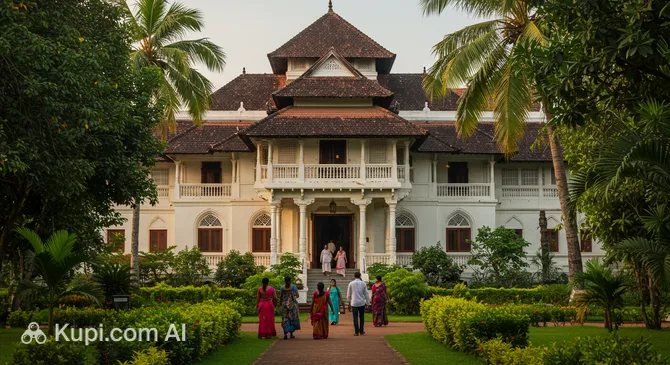
Kanakakkunnu Palace. Illustration.
Source: Kupi.com AI

Traveler photos:

Originally built at the end of the 19th century during the reign of the Travancore dynasty, the palace served as a venue for royal banquets and hosting honored guests. Today, it is recognized as an architectural heritage monument and is not just a historical building but the living heart of the city's cultural life.

Kanakakunnu Palace functions as an important cultural center. Various events are regularly held on its grounds: from art exhibitions and seminars to large-scale dance festivals and concerts. This makes it a popular leisure spot for both tourists and locals who come here to enjoy art and the pleasant atmosphere.

Contacts

To clarify information regarding planned events, opening hours, or other visiting details, you can use the contact information. As the palace is a major cultural center managed by government bodies, it does not have its own separate website, and the most up-to-date information is usually published on the region's tourism portals.

For precise information on exhibition and festival schedules, it is recommended to check the official website of the Kerala State Tourism Department, as all major events are announced there.

How to contactContact
AddressSooryakanthi Rd, Kanaka Nagar, Nanthancodu, Thiruvananthapuram, Kerala 695033, India
Phone number+91 471 231 4615
Websitewww.keralatourism.org

What to Do

A visit to Kanakakunnu Palace offers guests a variety of experiences. First and foremost, it is a wonderful opportunity for a leisurely stroll through the well-tended gardens, where you can admire the building's elegant architecture and take a break from the city noise. Thanks to the scenic views and beautiful landscaping, the palace grounds have become a favorite spot for photo shoots. In the evening, when the palace and gardens are bathed in soft lighting, a particularly romantic and peaceful atmosphere is created, perfect for walking.

The palace's main feature is its role as a center of cultural life. All kinds of events are regularly held on its territory, allowing for a deep immersion into the art and traditions of the state of Kerala. Visitors might catch festivals of traditional Indian dances, such as Bharatanatyam and Kathak, or classical music concerts. Additionally, art fairs, exhibitions, and workshops are often organized here, where local artisans present their work. Attending such an event is a great chance to see the region's cultural heritage in action.

Getting There

Kanakakunnu Palace is conveniently located in the central part of Trivandrum, making it easily accessible for visitors. It can be reached in various ways. The most popular options are taxis or auto-rickshaws—they will take you right to the palace entrance from almost anywhere in the city. Additionally, you can use city buses, which provide a more budget-friendly way to get around.

If you are arriving in Trivandrum by train, the car ride from the main railway station (Trivandrum Central) will take only 10–15 minutes. For travelers flying into the city, the journey from Trivandrum International Airport by taxi will take about 20–30 minutes, depending on traffic. This prime location makes it easy to include a visit to this attraction in any itinerary through the capital of Kerala.

Nearest city: Trivandrum

History & Facts

The history of Kanakakunnu Palace is closely linked to India's colonial period. It was built at the end of the 19th century during the reign of Maharaja Sri Mulam Thirunal and was originally intended not for permanent residence, but for hosting lavish royal receptions and official banquets. Over time, the palace has become one of the key symbols of Trivandrum, preserving its historical grandeur and becoming an integral part of the region's cultural heritage.

One of the palace's most notable features is its unique architecture. It harmoniously combines elements of the traditional Kerala style with a distinct influence of European architecture, reflecting the state's multilayered history. This architectural synthesis, where local traditions meet colonial aesthetics, gives the building a unique and memorable look. The palace is listed as a heritage monument protected by the Indian National Trust for Art and Cultural Heritage (INTACH).

Interestingly, the palace takes its name from the Kanakakunnu Hill on which it stands. According to one legend, this land was once covered with golden grass, which is why it was named "golden hill" ("kanakam" means gold, and "kunnu" means hill). In the past, the hill itself also held strategic importance and was used for scientific and astronomical observations. Today, the palace fully lives up to its status as a cultural center, continuing the tradition of being a venue for significant events, though now for the general public rather than royalty.

Time Needed

When planning a visit to Kanakakunnu Palace, you should allow for one and a half to two hours. This time is usually sufficient for a full tour of the grounds and a leisurely stroll through the picturesque gardens surrounding the palace. You will have time to enjoy the views, take beautiful photos against the building's reddish facade, and soak in the peaceful atmosphere of the place.

If your goal is not just a walk but also attending one of the many cultural events regularly held here, set aside more time for your visit. Depending on the festival, concert, or exhibition program, staying at the palace can take half a day or even longer. To make your visit as fulfilling as possible, it is recommended to check the event schedule on Kerala's tourism portals in advance.

Working Hours

Kanakakunnu Palace is generally open to visitors daily, from 10:00 AM to 5:00 PM. Please note that according to some reports, the palace may be closed on Mondays and public holidays. Access to the palace grounds and its gardens is usually free; however, as it is a major cultural center, a separate fee may be charged for attending specific exhibitions, festivals, or concerts. Advance booking for a regular walk through the grounds is typically not required.

The palace is a year-round attraction and welcomes guests in any season. However, the most comfortable time to visit is considered to be from October to February due to the pleasant weather. Given that various events are often held at the palace, its opening hours may vary. Therefore, it is strongly recommended to check the current schedule on official Kerala tourism portals before visiting, especially if you plan to attend a specific event.

10:00 – 21:00

Nearby

A visit to Kanakakunnu Palace is just the beginning of exploring the cultural wealth of Trivandrum. Thanks to its central location, the palace is an ideal starting point for exploring other iconic spots in the city. A stroll through its surroundings will allow you to delve deeper into the history and modern life of Kerala's capital, complementing your impressions of the palace visit.

Just a few minutes' walk from the palace complex, you will find many interesting sites: from museums and art galleries to lively shopping centers and spiritual shrines. Such diversity makes this area the true heart of the city, where every traveler can find something to their taste without spending much time on the road.

NameDistance
Thiruvananthapuram Zoo0.3 km
Napier Museum0.4 km
Thiruvananthapuram Zoo0.4 km
Kalyan Silks0.9 km
Petz Club Aquarium1.5 km
Garden Grille & Bar1.5 km
TBX2.1 km

Have you reached the end of the page?

So the route has been studied inside and out