Support

Babol

About

Babol is one of the largest and most significant cities in northern Iran, located in the picturesque Mazandaran Province. Situated just 24 kilometers from the Caspian Sea coast on the banks of the river of the same name, this city serves as an important commercial, industrial, and educational center for the region. Although Babol is not a classic tourist resort, it possesses its own unique atmosphere of a northern Iranian metropolis, where modern rhythms of life are closely intertwined with centuries-old traditions.
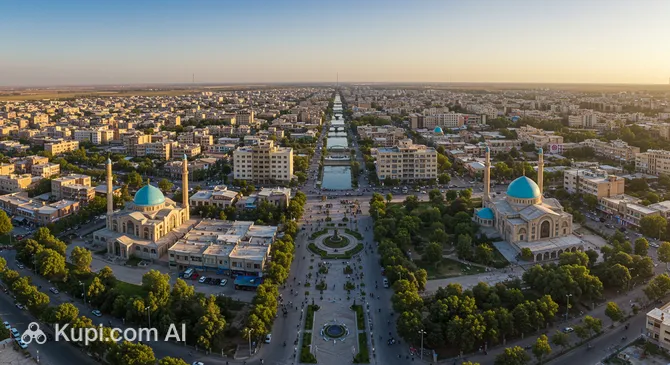
Babol. Illustration.
Source: Kupi.com AI

The city's geographic location in the lowlands between the Alborz Mountains and the Caspian Sea defines its humid climate and the abundance of greenery in its surroundings. The city's population is approximately 250,000, making it the second largest in its Province. The rich heritage of Babol, which historically played a key role in trade between Iran and Russia, can still be felt in the architecture of the old quarters and the layout of the city streets.

Today, Babol attracts travelers as a convenient starting point for exploring the country's northern regions. The city is famous for its universities, lively markets, and the hospitality of its residents. Visiting this city is an excellent opportunity to see the "real" northern Iran, away from mass tourism, and to enjoy the authentic atmosphere of a provincial yet dynamic center.

Weather Overview

Babol is strongly influenced by the Caspian Sea, which creates a humid subtropical climate here. The city is characterized by moderate temperatures and high air humidity throughout the year. Proximity to the water and the terrain contribute to frequent fogs, especially in the autumn-winter period, which gives the city landscapes a special atmosphere.

The warmest time of year is summer, when average temperatures in July and August are around 27°C, and daytime highs often exceed 30°C. Winters here are mild and humid: in January, the average temperature stays around 9°C, and frosts occur very rarely. The highest amount of precipitation falls in autumn (October and November), so be sure to bring an umbrella during this time.

If you are planning a trip, be sure to check the city's detailed climate to choose your wardrobe correctly. The best times to visit are the spring months (April–May) and the beginning of autumn, when the heat hasn't arrived or has already subsided, and the number of rainy days remains moderate.

Average monthly temperature

Average monthly precipitation

Interesting Facts

  • Until 1930, the city was officially called Barforush, which translates to "city of merchants" or "cargo market," reflecting its historical role as a trading hub.

  • Babol ranks 31st in Iran by population and is the second-largest city in Mazandaran Province after Sari.

  • Interestingly, according to statistical forecasts, there is a notable predominance of the female population in the city—women make up over 54% of the residents.

  • The total urban area is only 32 square kilometers, yet the density of buildings and population here is quite high.

  • The city was founded in the 16th century and has shown steady demographic growth ever since, becoming a major educational center in the north of the country.

How to Get There

Thanks to its strategic location in the northern part of the country, getting to Babol is quite easy. The city sits at the intersection of major transport routes connecting the central regions with the Caspian coast. Most travelers prefer road transport—it takes about 4–5 hours to drive from Tehran to Babol, crossing picturesque mountain passes along modern highways. Detailed information on routes can be found in the section on the city's transport accessibility.

There is no airport within the city limits, but the nearest air harbors are located in neighboring cities, making air travel a convenient option. Tourists usually use the Sari airport or other regional terminals, from where Babol can be reached quickly by taxi or intercity bus.

AirportPassenger trafficDistance
Dashte Naz Airport325 76348 km
Nowshahr Airport335 377108 km
Mehrabad International Airport13.8 mln155 km
Gorgan Airport305 000159 km
Imam Khomeini International Airport8.6 mln186 km

Railway communication also plays an important role in the region's logistics. Although the city itself may not be on the list of major hubs, the nearest branches of the Trans-Iranian Railway pass through neighboring settlements, providing connections to Tehran and Caspian Sea ports. Intercity buses remain the most popular and budget-friendly way to get around, offering regular services to all major cities in Iran.

StationPassenger trafficDistance
Esenguly Station155 km

Main Attractions

While Babol is more of a business and educational center than a tourist destination, it has several places worth visiting. The city serves as an important regional hub, and its main appeal lies in the daily life bustling in local bazaars and student quarters. One of the key city infrastructure sites is the Noshirvani University of Technology, which is considered one of the leading technical universities in the country.

The main architectural and economic life of the city is concentrated around its traditional bazaars. Here you can see old buildings that once served as caravanserais and trading warehouses. These places are interesting for those who want to immerse themselves in the atmosphere of a classic Oriental marketplace, smell the spices, and see the work of local craftsmen who have preserved the traditions of their ancestors.

For many tourists, Babol serves as an excellent base for day trips. Just a few dozen kilometers to the north lies the Caspian Sea coast with its beaches and recreation areas, while to the south, the foothills of the majestic Alborz Range begin. Thus, the city is ideal for those seeking a balance between urban comfort and proximity to the natural beauty of northern Iran.

Local Cuisine

The cuisine of Mazandaran Province, of which Babol is a central hub, is considered one of the most distinctive in Iran. Thanks to its proximity to the Caspian Sea and an abundance of rivers, the stars of the local menu are seafood and river fish. You should definitely try the grilled fish with local herbs or the unique fish stews that are rarely found in the central parts of the country.

Rice in Babol is not just a side dish, but the foundation of life. The city is surrounded by rice fields, so the quality and variety of rice dishes here is staggering. Be sure to order the local pilaf with wild herbs, pomegranate sauce, or walnuts. Various types of kebabs are also popular, which in the north are often marinated in a mixture of crushed walnuts and pomegranate paste, giving the meat a unique sweet-and-sour taste.

The food culture in the city is centered around markets and small family restaurants. At street stalls, you can try freshly baked bread and traditional Mazandaran sweets. Don't forget to stop by a local tea house to try the famous Iranian tea, which is grown and brewed here with special skill. The abundance of fresh fruit, greens, and unique sauces makes a gastronomic journey through Babol truly rich and delicious.

Travel Tips

Babol is a city with a true northern Iranian character, and to ensure your trip is as comfortable as possible, we have prepared a few practical tips.

  1. Clothing and Dress Code: Remember to respect local norms. For women, a headscarf is mandatory, along with clothing that covers the arms and legs. Men are advised not to wear shorts. Since the region has high humidity, choose clothing made from natural fabrics.
  2. Transport: The most convenient way to get around is by taxi. Install a local ride-hailing app—this will eliminate the need to haggle or explain the route with gestures.
  3. Finance: Iran has its own banking system; international Visa and Mastercard cards do not work here. Bring cash in dollars or euros and exchange them at official exchange offices (sarrafi) or banks. Remember the difference between the rial and the toman (1 toman = 10 rials).
  4. Health and Safety: Babol is a fairly safe city, but be careful when crossing roads, as the traffic here is very intense and chaotic. Pharmacies are easy to find by the green cross, and many pharmacists speak a little English.
  5. Communication: The primary language is Persian (Farsi), but many people also speak the Mazandarani dialect. English is common mainly among young people and students. It is useful to learn basic phrases: "salam" (hello), "mersi" (thank you).
  6. Local Etiquette: Iranians are extremely hospitable. Be prepared for the politeness system known as "taarof"—where you may be offered something for free several times. Politely thank them, but remember that it is merely a form of etiquette.
  7. What to Avoid: Do not take photos of government buildings, military sites, or police officers—this can cause serious suspicion and legal problems.
  8. Extra Tip: Try the local tea at the bazaar. It is not just a drink, but a part of the local identity. The best time to visit is spring or early autumn, when the humidity is not as high.

Following these simple rules will help you feel more confident and enjoy the hospitality of this wonderful city!

Entertainment & Nightlife

Entertainment in Babol is predominantly traditional and family-oriented, which is typical for many cities in northern Iran. Unlike Western metropolises, there are no nightclubs or bars in the traditional sense, but the city offers many other ways to spend an evening. After sunset, the centers of social life become the numerous chai-khanehs (tea houses), where locals gather to discuss the news, play backgammon, and enjoy strong, aromatic tea with sweets.

During the day and early evening, modern shopping centers and cinemas are popular places for strolling. Babol's youth often spend time in small, stylish cafes that have begun to appear in recent years, offering both traditional Iranian service and modern European standards. Families with children prefer city parks and recreation areas by the river, where they can have a picnic—one of the favorite pastimes of Iranians.

For more active nighttime or evening leisure, locals and visitors often head to the Caspian Sea coast in neighboring towns. There, the infrastructure is more geared toward relaxation, with coastal restaurants featuring live music, amusement rides, and organized beach zones. Within Babol itself, life quietens down by midnight, so it is better to plan evening walks in the central, well-lit commercial districts.

Parks & Museums

The park culture in Babol is concentrated in the central districts, where small squares and green zones serve as a place to escape the city noise. Although the city is being actively developed, authorities try to preserve islands of nature, creating cozy places for walking. Most of the greenery can be found along the embankments of the Babol River, which crosses the city and serves as a natural recreational zone.

The city's museum life is represented by small exhibitions dedicated to the history of the region and local crafts. Often, old houses of noble families or buildings of former educational institutions serve as cultural sites, which are architectural monuments in their own right. These places offer a glimpse into Babol's past and provide more information about its role in Iran's trade and education.

If you are looking for large-scale natural parks or major national museums, it is worth looking at the surrounding areas. Proximity to the Caspian Sea and the Alborz Mountains provides the opportunity to visit forest reserves and high-mountain parks just a few dozen kilometers from the city. In this sense, Babol is a convenient hub from which to easily reach the main natural attractions of Mazandaran Province.

Getting Around

The public transport system in Babol is primarily represented by an extensive network of buses and minibuses. This is the most affordable and popular way to get around the city, connecting residential areas with the center and universities. Although there is no metro or tram system here, bus routes cover all key points of the city, and the frequency of service during the day is quite comfortable for passengers.

Taxis play a special role in the city's life. Both traditional yellow taxis and the "shared taxi" system (savari) are popular here, where a car follows a specific route and picks up several passengers. This is a fast and relatively inexpensive way to reach your destination. Additionally, ride-hailing apps (similar to global services) are actively developing in Iran, allowing you to book a trip at a fixed price and see the route in the app.

For tourists, it is important to remember that during peak hours—morning and evening—Babol's roads can be very congested, which is typical for a dynamically developing regional center. Bus fares are most often paid in small cash or with local transport cards. Bike rentals and car-sharing have not yet become widespread, so taxis and buses remain the traveler's main aids for getting around Babol.

Accommodation

The choice of accommodation in Babol is primarily geared toward business travelers and students, so mid-range hotels and apartments predominate here. The city is not a major tourist center, so luxury five-star hotels are rare. Nevertheless, travelers can always find comfortable and clean hotels offering basic services and traditional Iranian hospitality.

The central areas of the city and quarters adjacent to the main shopping streets and universities are considered the most convenient for staying. Living here provides quick access to cafes, markets, and transport hubs. If you are looking for a quieter atmosphere or have come for a vacation, consider renting accommodation in the suburbs or closer to the Caspian coast, which is about a half-hour drive away.

Accommodation prices in Babol remain very affordable compared to the capital or popular resort areas. It is recommended to book accommodation in advance if your trip coincides with Iranian holidays (such as Nowruz), when domestic tourism in the north of the country reaches its peak. At other times of the year, rooms are usually available for booking directly upon arrival or through local online services.

Nearby Cities

Thanks to its location in the densely populated Mazandaran Province, Babol serves as an excellent starting point for exploring the surrounding area. Within a radius of just 20–30 kilometers, there are interesting cities and coastal zones perfect for day trips.

One of the most popular destinations is the coastal city of Babolsar, located just 18 kilometers away. It is the area's main resort, featuring sandy beaches and a developed recreation zone on the shores of the Caspian Sea. It is also worth visiting Sari, the administrative center of the Province, where you can explore historic architecture and visit interesting museums. For those interested in industry and local color, a trip to Qaem Shahr is a great option, taking no more than 20 minutes to reach.

CityPopulationDistance
Qaem Shahr247 95318 km
Babolsar59 96618 km
Fereydunkenar34 45221 km
Amol238 52830 km
Sari320 00034 km

In addition to large cities, the region around Babol is famous for its natural beauty. In just an hour or an hour and a half, you can reach dense forests and mountain slopes where picturesque waterfalls and traditional villages are hidden. Exploring the surroundings will allow you to fully experience the diversity of northern Iran, from sea breezes to the coolness of mountain forests.

Shopping & Souvenirs

Shopping in Babol is first and foremost an immersion into the atmosphere of traditional Iranian markets. The city historically developed as a trading hub, and today the central bazaar remains the heart of local commerce. Here you can find almost everything: from famous Iranian carpets and fine textiles to the freshest spices and local delicacies. The bazaar in Babol is not just a place for shopping, but a cultural experience where you can observe the life of the townspeople.

For fans of more modern retail formats, several large shopping centers operate in the city. They feature both national Iranian brands of clothing and electronics as well as international goods. Babol's modern malls often become places for family leisure, as they house food courts and play areas for children.

As souvenirs from Babol and Mazandaran Province, it is worth bringing back the works of local craftsmen: ceramics, wickerwork, and the famous local rice. Traditional sweets and pomegranate sauce, prepared here according to special recipes, are also very popular. Shops usually operate from morning until late evening with a siesta break during the hottest hours, and payment in most places is made in cash, although local bank cards are accepted in large centers.

Reached the end of the page?

That means the route is fully explored