Shopping in Mahallat is not about chasing global brands or high fashion, but rather a fascinating immersion into local culture and traditions. Since the city is small, there are no huge malls, but there is an abundance of authentic goods for which this region is famous. The main feature of local shopping is the ability to purchase products directly from the producers, whether they are famous florists or master confectioners.
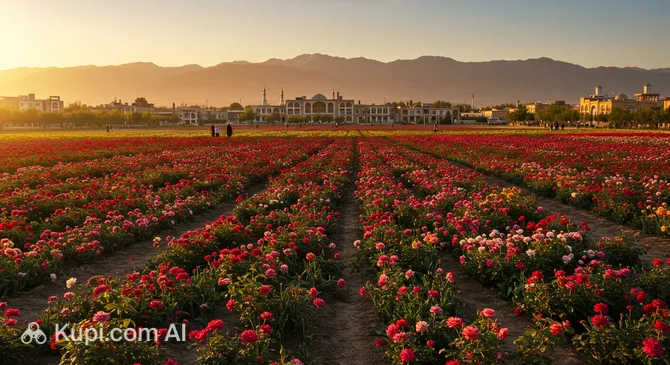
Main commercial life is concentrated on the city's central streets, such as Imam Khomeini Street. Small shops line these streets, offering clothing, footwear, household goods, and food. However, the most interesting area for tourists is the road leading to the flower plantations and greenhouses (towards the "Flower Village"). Numerous pavilions are lined up along it, where you can buy not only plants but also related goods, ceramics, and local delicacies.
There are no large modern shopping centers of the Western type in Mahallat. Instead, there are small shopping passages that locals call "passages." These usually house boutiques with local clothing brands, electronics stores, and jewelry shops. These are places for leisurely shopping, where the sellers are often the business owners and are always ready for a friendly chat.
The role of the main shopping venues is played by markets and flower nurseries. The traditional bazaar offers fresh vegetables, fruits, spices, and nuts. But the true shopping attraction of the city is the flower greenhouses, which function as open markets. Tourists can walk into any nursery, stroll between rows of blooming plants, and buy specimens they like at prices significantly lower than in the capital.
If you're wondering what to bring back from Mahallat, consider the following souvenirs:
- Flowers and saplings. Given the difficulty of transporting live plants across borders, tourists often buy bulbs, seeds of rare varieties, or succulents, which are easier to transport.
- Halva Ardeh. This is the city's main gastronomic pride. The traditional sesame paste with sugar or honey is of exceptional quality and taste here.
- Local sweets and honey. Thanks to the abundance of gardens, excellent natural honey and various types of cookies are produced here.
- Stone products. Mahallat is a center for travertine mining, so souvenir shops offer beautiful crafts, figurines, and tableware made of natural stone.
- Traditional rugs (Gelims). Weaving is well-developed in Markazi Province, and you can find bright handmade items at the bazaar.
Shops in Mahallat typically follow a traditional schedule: from 9:00 to 13:00 and then reopening after a midday break (siesta) from 16:00 to 21:00 or 22:00. On Friday, which is the weekend in Iran, most shops may be closed or work on a reduced schedule, although grocery stores and flower pavilions are often open.
Payment is made exclusively in local currency. International Visa and Mastercard cards are not accepted anywhere here, so it is necessary to exchange money for Iranian rials in advance. Be careful when calculating: prices are often quoted in "tomans" (1 toman = 10 rials), although rials are written on the banknotes. Large stores have terminals for local bank cards, but for a tourist, cash remains the only reliable way to pay.
Tax-free systems (VAT refunds) in Mahallat, as in most small towns in the country, are not provided for tourists. Prices are fixed here, but in bazaars and private shops, especially when buying souvenirs or multiple items, polite bargaining is appropriate.