Support

Arak

About

Arak is the vibrant heart of the Markazi Province, nestled on a plain at the foot of scenic mountains. This city is a major industrial and cultural hub, holding an important place on the map of such a colorful country as Iran. The surrounding highlands create a unique climate: winters are usually cold and damp, while summers are warm and dry, giving the region its distinct character.

Arak. Illustration.
Source: Kupi.com AI

With a population of over 520,000, the city has a dynamic atmosphere where the modern pace of life blends seamlessly with the past. The rich history of Arak is reflected in its architecture: ancient buildings coexist peacefully with new structures, and narrow, atmospheric streets lead to spacious squares.

For travelers, Arak offers a chance to dive into the authentic daily life of the region. A special energy permeates the traditional bazaars, cozy teahouses, and craft workshops where you can watch artisans at work. The city is famous for its hospitality: locals are always happy to see tourists, treating them not as random visitors but as friends with whom it’s a pleasure to share a cup of aromatic tea and a conversation about traditions.

Weather Overview

The climate in Arak is characterized by its contrast, offering travelers clearly defined seasons. Winters are cool: in January, the average temperature is around 0.8°C, and at night, the thermometer can drop to -5°C. Spring arrives with a gradual warming, and by May, the air warms up to a comfortable 17-24°C, although rainy days are possible in the spring months (especially in April).

Summer in the city is truly hot and sunny. In July and August, there is almost no rainfall, and daytime temperatures often reach 33-34°C. To plan the ideal time for walks and avoid the midday heat, you will find a detailed weather in Arak by month very useful.

In autumn, the heat gradually subsides: September still pleases with warmth (averaging 22°C), but by November, it cools down to 7-8°C, and the number of damp days increases. Overall, expect hot, dry summers and cool winters with occasional precipitation.

Average monthly temperature

Average monthly precipitation

Interesting Facts

Beyond its main attractions, Arak holds many fascinating secrets and unique features that might surprise even seasoned travelers. Here are a few facts that reveal the character of this city:

  • Unique Bathhouse-Museum. The famous "Four Seasons" bathhouse earned its name from the magnificent ancient paintings and tiles depicting spring, summer, autumn, and winter. This structure is considered the largest historical bathhouse in the country and today serves as a very interesting anthropological museum.

  • Oasis for Migratory Birds. In close proximity to the city lies Meighan Lagoon, a unique salt lake. Every year, it becomes a temporary home for thousands of migrating birds, turning the outskirts of this industrial city into a true paradise for birdwatchers and nature lovers.

  • Grape Record-Setter. Arak and its surroundings play an unexpectedly vital role in the region's agriculture. This area produces approximately 20% of all grapes in Iran, which is a source of great pride for local farmers.

  • Carpet Weaving Hub. The city is known as the birthplace of some of the most durable and beautiful Persian carpets. Local masters have passed down the secrets of creating exquisite patterns for centuries, and Arak carpets (often known as "Sarouk") are highly valued by collectors worldwide.

How to Get There

When planning a trip to this industrial and cultural center, it's wise to think through the logistics in advance, as the city is located in the heart of the country. Although Arak itself does not have a major international air hub, you can reach it via neighboring regions using a combination of flight and ground transport. You can find out more about how to get to Arak by exploring all available routes and choosing the most convenient option for yourself.

For international travelers, the most logical option is to fly into the capital. Imam Khomeini International Airport (IATA: IKA) is the main air gateway to the country. Note: this airport is not in Arak but near the city of Tehran, at a distance of about 198 km. The journey from there to Arak by taxi or bus takes approximately 5 hours and 15 minutes. This is a major transport hub with a huge passenger flow, receiving flights from all over the world.

Geographically, the closest to the city is Hamadan Airport (IATA: HDM). It is located in the city of Hamadan, about 137 km from Arak. This is a small regional airport, but if you can find a suitable domestic flight, the journey by land will take only about 3 hours and 45 minutes. It's also worth mentioning the capital's Mehrabad Airport (IATA: THR) in Tehran (about 231 km from Arak). It mainly serves domestic flights, and the journey from there will take about 6 hours.

For clarity, here is a summary of the main airports through which you can reach the region:

AirportPassenger trafficDistance
Hamadan Airport42 000137 km
Imam Khomeini International Airport8.6 mln198 km
Dezful Airport100 000220 km
Mehrabad International Airport13.8 mln231 km
Kermanshah Airport3.5 mln236 km

In addition to air travel, the railway plays an important role in the transport system. Arak is a significant station on Iran's national rail network. The station is located directly within the city limits, making a train trip from Tehran or southern port cities (such as Ahvaz) very convenient and scenic. Trains in Iran are generally comfortable and offer a safe way to travel at an affordable price.

Main Attractions

Arak might seem like a purely industrial center, but for the curious traveler, there are many historical and natural gems hidden here. The city offers an interesting itinerary that combines ancient architecture, cultural traditions, and unique natural landscapes that make a trip to Iran truly memorable.

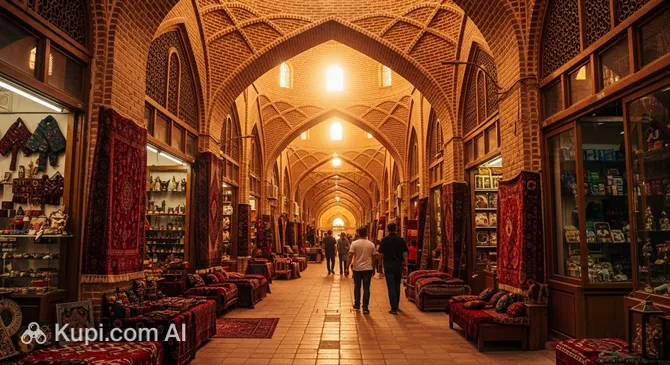
One of the main architectural landmarks is the Arak Bazaar. It is not just a market but a genuine historical complex built during the Qajar era. Walking under its high domed vaults, you will feel the living pulse of Oriental trade. The bazaar is interesting for its symmetrical layout and the fact that life still bustles here: you can buy famous local carpets, spices, and souvenirs, as well as watch artisans work in a traditional setting.

A must-see on the list is the "Four Seasons" Bathhouse (Hammam-e Chahar Fasl). This is the largest historical bathhouse in the country, now converted into a fascinating anthropological museum. Tourists are drawn here not only by the scale of the structure but also by its stunning decor: tiles with bright paintings depicting people, animals, and the changing seasons—a rare sight in Islamic architecture of that time. Here, you can learn about the life and traditions of past centuries.

For those looking to escape the city bustle, Meighan Lagoon is the perfect spot. This vast salt lake located near the city is especially beautiful at sunset, when salt crystals sparkle in the sunlight. The place attracts eco-tourists and birdwatchers, as it is home to thousands of migratory birds, including graceful cranes. It is an excellent location for landscape photography and quiet contemplation of nature.

Another cultural site is the Hassan Pour House. This magnificent mansion, over a hundred years old, serves as a fine example of the region's residential architecture. Today, it houses the Crafts Museum, showcasing the best examples of carpet weaving, pottery, and metal engraving. Visiting this house allows for a deeper understanding of Arak's artistic heritage and the craftsmanship of local artisans.

Local Cuisine

Arak's culinary scene is sure to surprise travelers with its variety and deep connection to the local natural bounty. The undisputed symbol of the city and a must-try delicacy is jowzghand. This traditional sweet treat is made from peaches or other fruits that are sun-dried and stuffed with a mixture of ground nuts, sugar, and cardamom. Locals are very proud of this dessert, considering it the region's most expensive and labor-intensive souvenir.

Two main ingredients of the province—grapes and pomegranates—form the basis of many dishes. They are used not only in desserts but also in main courses, added to sauces, stews, and salads for a tangy zest. Popular drinks include fresh fruit juices, thick syrups, and traditional Iranian sherbets. Since alcohol is prohibited in the country, the drinking culture revolves around aromatic tea and refreshing drinks based on pomegranate or grape juice.

To experience authentic cuisine, it is best to head to the city bazaar or farmers' markets. A special atmosphere reigns here: stalls are overflowing with fresh flatbreads, homemade cheeses, honey, and the famous Iranian raisins. Street food in Arak is a pleasure of its own: aromatic kebabs cooked over charcoal are served with hot bread and fresh herbs. If your trip coincides with one of the local food festivals, don't miss the chance to attend workshops and taste the full variety of Central Province treats.

Travel Tips

A trip to Arak will provide a unique experience of discovering the industrial and cultural heart of the region, but like any journey to the East, it requires a bit of preparation. To ensure your visit goes smoothly and leaves only pleasant memories, we have gathered some important recommendations to help you adapt quickly.

  1. Clothing and Dress Code. Legal norms for clothing are in effect in Iran. Women are required to wear a headscarf (rusari) covering their hair and a loose coat (manteau) or tunic reaching mid-thigh. Men should not wear shorts in public places. Given Arak's climate, be sure to bring a warm jacket in winter (temperatures drop below freezing), and choose lightweight natural fabrics in summer.
  2. Transport and Navigation. The most convenient way to get around the city is by taxi. We recommend installing the Snapp app (the local version of Uber)—it will save you from the language barrier and the need to haggle over prices. Public buses run regularly, but routes are often only listed in Farsi, which can be difficult for a tourist.
  3. Finance and Currency. International bank cards (Visa, Mastercard) do not work here. You must have enough cash (dollars or euros) with you to exchange at official exchange offices (Sarrafi). Be careful: the official currency is the Rial, but in daily life, prices are often quoted in "Tomans" (1 Toman = 10 Rials). Always clarify which unit the price is given in.
  4. Communication and Internet. Not everyone in Arak speaks English, so we recommend installing an offline translator on your phone and learning a few basic words in Farsi. To access the internet and maps, it is best to buy a local SIM card (such as Irancell or MCI) immediately upon arrival or at service centers in the city.
  5. Health and Hygiene. Tap water in the city is treated, but tourists are advised to drink bottled water to avoid any bodily reaction to the change in water composition. Pharmacies in Arak are well-stocked, but if you take specific prescription medications, it's better to bring a supply with you.
  6. Communication Etiquette. Iranians are famous for their hospitality and the "Taarof" system of politeness. If a taxi driver or seller refuses to take money the first time, it is a gesture of courtesy; you must insist on paying. Be sure to remove your shoes when entering homes or mosques.
  7. What to Avoid. Refrain from public displays of affection (kissing and long embraces) between men and women on the street. Also, remember the strict ban on the import and consumption of alcohol—this rule has no exceptions for foreigners.
  8. Shopping Advice. If you decide to buy a famous Arak carpet (Sarouk), do so at the historical bazaar. Don't be afraid to haggle—it's part of the local culture and a fascinating process that can significantly reduce the price.

By following these simple tips, you will be able to feel confident and comfortable in Arak, focusing on exploring the architecture and interacting with the people. The city is open to guests, and the locals, known for their warmth, will certainly help you if any questions arise.

Entertainment & Nightlife

Entertainment and nightlife in Arak, as in all of Iran, have their own unique characteristics that differ from Western standards. You won't find traditional nightclubs with dance floors or bars serving alcohol, as these are prohibited by law. However, this doesn't mean the city sleeps after sunset. On the contrary, evening is the time when the heat subsides and the streets fill with families and young people. "Nightlife" here is a culture of long walks, picnics in parks, soulful gatherings in teahouses, and late dinners.

The city parks become the center of attraction in the evening. The most popular spot where life buzzes until late at night is Amir Kabir Park. This is a huge entertainment complex where locals come with their entire families. The atmosphere is relaxed and safe: people have picnics on the grass, grill kebabs, play badminton, and children enjoy the amusement rides. If you want to see the real, living Arak and interact with locals, this is the place to go.

The role of bars and pubs in Arak is filled by traditional teahouses (Chaykhaneh). These are atmospheric venues with low divans (takhts), carpets, and dim lighting. They serve aromatic black tea with a selection of sweets (dates, nabat), hookah, and traditional dishes like dizi (a meat stew). These places are often frequented by groups of men or families to discuss news and relax. The dress code here, as elsewhere in the city, requires modest clothing (hijab for women, long trousers for men).

For young people seeking more modern entertainment, the city has numerous cafes with European coffee and desserts, as well as game centers (Game Nets) and billiard halls. In the evenings, central shopping streets like Shahid Beheshti Street come alive. This is an excellent location for an evening stroll: shop windows are brightly lit, and street food stalls operate, where you can try boiled corn, beets (in winter), or the famous Iranian saffron ice cream.

Practical tips for evening walks:

  • Time: The peak time is from 20:00 to 23:00. Shops usually close around 22:00, but restaurants and fast-food outlets stay open until midnight.
  • Safety: Arak is a safe city. You can comfortably walk through the well-lit central streets and parks late at night. However, as with any city, it is better to avoid unlit outskirts.
  • Transport: Public transport is rare at night. The best way to get to your hotel is by taxi. We recommend using the Snapp app (the local equivalent of Uber); it's inexpensive and saves you from having to explain the address.
  • Prices: Dinner at a good restaurant will cost on average $5-10 per person, while tea in a teahouse is about $1-2.

Regarding daytime entertainment, Arak offers a more leisurely cultural experience. It's worth visiting the Four Seasons Museum to enjoy the architecture or checking out the city Zoo, located within Shahid Bahonar Park. For shopping and local flavor, be sure to return to the Arak Bazaar during daylight hours to appreciate its architectural symmetry and buy souvenirs.
Parks & Museums

Despite its status as a major industrial hub, Arak offers travelers a harmonious blend of well-maintained green spaces and a deep dive into Persian cultural heritage. The city parks serve as true oases of tranquility, while the museums housed in ancient mansions allow you to touch the rich traditions and art of the region.

Among the natural attractions, Amir Kabir Park holds a special place. This is not just a recreation area but the "green lungs" of the city, where local families love to spend time. For tourists, the park is interesting for its well-kept grounds, shady alleys, and the opportunity to observe the leisurely pace of Iranian life. Another important natural area is Shahid Bahonar Forest Park. Within its vast territory is a small zoo, making it a great place to visit with children. Here you can escape the city bustle surrounded by coniferous and deciduous trees while enjoying the fresh air.

For those ready to venture outside the city limits, the Meighan Lagoon Sanctuary will be a true discovery. It is a unique ecosystem where desert landscapes meet water. The site attracts nature lovers with the chance to see rare migratory birds in their natural habitat, especially during the cooler months.

A cultural itinerary in Arak is unthinkable without visiting its museums. The main gem is the "Four Seasons" Museum (Hammam-e Chahar Fasl). Located in a historical bathhouse building from the Qajar era, its architecture is even more impressive than its exhibits. The unique tiles that gave the bathhouse its name depict hunting scenes and the changing seasons. Today, the museum halls display ethnographic collections, ancient utensils, and wax figures recreating scenes of traditional life, allowing tourists to better understand the lifestyle in Iran in past centuries.

The Crafts Museum, located in the historical Hassan Pour House, is equally interesting. The building itself is a magnificent example of traditional residential architecture with an inner courtyard and elegant brickwork. Inside are the finest works of local masters: famous carpets, metal engravings, ceramics, and woodwork. It is the perfect place to appreciate the delicacy of Oriental art and perhaps find some ideas for souvenirs.

History buffs should also visit the Mafakher Museum (Museum of Celebrities). It is located in another beautiful historical mansion—the Hajj Aqa Mohsen Araki House. The exhibition is dedicated to prominent figures born in the Markazi province, ranging from politicians and theologians to poets and scientists. A walk through the museum halls provides an idea of the significant contribution this region has made to the country's development.

Insider Tip: Most museums in Arak close for a break in the middle of the day (usually from 13:00 to 16:00), so plan your cultural visits for the morning or evening. After visiting the Hassan Pour House, be sure to stroll through the adjacent narrow streets of the old city—you can often find small workshops where artisans work right before your eyes.

Getting Around

The public transport system in Arak is fairly simple and straightforward, though it differs from what travelers are used to in large capital metropolises. There is no metro, tram, or trolleybus system; the main burden of passenger transport falls on an extensive network of bus routes and numerous taxis. The city is quite compact, so getting from one point to another is relatively quick, especially if you avoid morning and evening rush hours.

Buses are the most budget-friendly way to get around. The municipal network covers most districts, connecting the historical center with residential areas and suburbs. The fleet is gradually being updated, and comfortable air-conditioned buses are often seen on the lines. However, tourists should be prepared for the fact that route maps and stop names are most often only in the local language, so it is recommended to download offline maps in advance or ask locals for help.

A cashless system is used for paying fares on municipal transport. You will need a special transport card (similar to the "Arak Citizen Card"), which can be purchased and topped up at kiosks at major stops or central terminals. Validators are located inside the vehicle, usually near the entrance. Cash payments to the driver are no longer accepted or encouraged on many routes, so getting a card is the first step for those planning to use buses actively.

The most convenient and popular alternative for visitors is the taxi. In Arak, there are two main types: official taxis (usually yellow or green) and app-based taxis. For tourists, the Snapp app (the local equivalent of Uber) is a lifesaver. Using the service eliminates the need to communicate with the driver in an unfamiliar language or haggle over the price, as the fare is fixed in advance and is significantly lower than hailing a car on the street.

You may also encounter a unique local phenomenon on the streets—"shared taxis." These run along fixed routes like shuttle buses and pick up passengers along the way. This is very cheap but requires knowledge of the city and the ability to orient yourself quickly. If you prefer an active lifestyle, many distances in the city center are easily covered on foot, as the terrain here is predominantly flat.

Transport usually starts operating around 6:00 AM and runs until approximately 9:00 PM or 10:00 PM. When planning your trips, keep in mind that Friday is the official day off: the number of buses on the lines decreases sharply, and intervals between them increase. On such days, taxis or walking will be your best choice.

Accommodation

The choice of accommodation in Arak, while not matching the variety of major tourist centers like Isfahan, is quite sufficient for a comfortable stay. As the city is an important industrial hub, the local hotel infrastructure caters to both business travelers and tourists. The room stock primarily consists of mid-range hotels (3–4 stars) and traditional Iranian inns (mehman-khanehs). There are no luxury five-star resorts of global brands here, but the best local hotels offer a high level of service and a cozy atmosphere.

When choosing an area to stay, consider the purpose of your visit. Tourists wishing to immerse themselves in history and culture should stay in the city center. This provides walking distance to the main attractions, such as the historical Bazaar and museums. Life is bustling here, and shops and cafes are just around the corner. However, keep in mind that the center can be quite noisy and crowded.

If you are looking for peace and cleaner air, look into the area around Amir Kabir Park and the entertainment complex on the outskirts of the city. This is where the city's most famous and prestigious hotel, the "Amir Kabir" (5 stars), is located. This area resembles a resort zone with gardens and walking alleys, but you will need a taxi to reach historical monuments.

The price range in Arak can be described as moderate. Staying here is cheaper than in the capital or popular tourist cities of the south. Budget travelers can find inexpensive guesthouses, and the price for a room in the city's best hotel remains affordable by international standards. During peak season (especially during the Iranian New Year — Nowruz, at the end of March), prices can rise, and vacancies fill up quickly.

Booking tip: Popular international booking systems (such as Booking.com) hardly work in Iran or offer an extremely limited selection. It is best to book accommodation in advance through Iranian online travel platforms or by contacting local travel agencies. Many hotels also accept reservations via phone or messaging apps. Remember that payment on-site is most often made in cash in the local currency, as international cards are not accepted.

Nearby Cities

For those looking to explore the surroundings, Arak serves as an excellent starting point for day trips to several interesting nearby locations. The city's location allows for easy access to significant cultural and natural attractions in the region.

One of the most popular destinations is Qom, the country's second most important religious city. It is known for the magnificent architectural ensemble of the Fatima Masumeh Shrine, whose golden dome can be seen from afar. A trip here allows you not only to appreciate the beauty of Islamic architecture but also to feel the special spiritual atmosphere that permeates the streets of this pilgrimage center.

Nature and history enthusiasts should look towards Borujerd, often called the "Little Paris" of Iran due to its cultural significance and picturesque landscapes. The city is surrounded by green gardens and is famous for its ancient mosques, as well as a pleasant, milder climate that makes walking there particularly comfortable.

Another interesting option is Malayer. This city is officially recognized as the national capital of wood carving and furniture art. Travelers can visit local workshops, see unique handmade pieces, and walk through the "Mini-World" theme park, which features miniature copies of famous global landmarks.

CityPopulationDistance
Nojeh3 km
Senjan10 5929 km
Mohajeran Kamar20 34625 km
Shazand21 18132 km
Ashtian8 76356 km

These nearby destinations provide an insight into the diverse culture and landscapes of the region, making your journey even more fulfilling.

Shopping & Souvenirs

Shopping in Arak is a unique opportunity to immerse yourself in the atmosphere of Oriental trade, where traditions are valued more than glossy storefronts. Although the city is hardly a capital of high fashion, it attracts travelers with its handicrafts and gastronomic treasures. A shopping trip here often feels like a cultural exploration, allowing for a better understanding of the daily life and history that Iran is so proud of.

The city's commercial life bustles on the central streets. The main shopping promenade is considered to be Shahid Beheshti Street. It is a lively artery where clothing stores, electronics shops, and jewelry stalls are concentrated. Locals love to stroll here in the evenings, browsing goods and socializing. It's also worth visiting Malek Street, where you can find interesting boutiques. If you prefer modern comfort and air-conditioned spaces, head to the Golestan shopping complex or the popular Amirkabir Mall, which features everyday goods and mass-market brands.

The soul of local trade lives in the Historical Arak Bazaar. This magnificent complex, built during the Qajar era, is a labyrinth of covered galleries with high brick vaults. The bazaar is cleverly zoned by product type, making it easier to navigate. Here, the scents of exotic spices mix with the clinking of metalworkers' tools, creating a unique atmosphere. It is the ideal place to find antiques, handicrafts, and the freshest produce.

What to bring back from Arak? Markazi Province is famous for its unique souvenirs:

  • "Sarouk" Carpets. Arak is a recognized world center for carpet weaving. Local carpets are known for their incredible knot density and characteristic floral patterns. This is a high-value investment, but such an item will serve your family for decades.
  • Jowzghand. The most expensive and exquisite sweet of the region. This is a dried peach or apricot stuffed with a mixture of walnuts, sugar, cardamom, and aromatic herbs. A true taste of local luxury.
  • Fatir. The famous Arak flatbread with turmeric and seeds, baked in a tandoor. A delicious, inexpensive, and authentic gift.
  • Giveh. Traditional lightweight handmade shoes with a knitted cotton upper. They are perfect for the hot climate and look very stylish.

When going shopping, keep the financial nuances in mind. Only cash (Rials) and local bank cards are used. International Visa and Mastercard systems do not work in the country, so exchange currency in advance. Sellers often quote prices in "Tomans" (1 Toman = 10 Rials), so always clarify the unit of measurement to avoid misunderstandings.

Consider the local daily schedule as well. Most private shops close for a midday break from 13:00 to 16:00 but stay open until late (21:00–22:00). Friday is the official day off, when life at the bazaar stands still. Don't hesitate to haggle in the markets—it's part of the culture that will help you not only lower the price but also make a pleasant acquaintance.

Reached the end of the page?

That means the route is fully explored