Support

Torqabeh

About

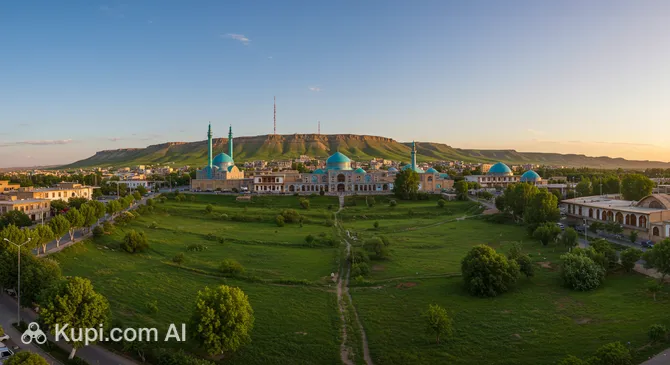
Torqabeh is a true oasis of tranquility and natural beauty, nestled in the Khorasan-Razavi province of Iran. This charming town, surrounded by picturesque mountains and green hills, is located just a few dozen kilometers from the sacred city of Mashhad and seems perfectly designed for leisurely strolls and inspiring relaxation. Thanks to its location, Torqabeh boasts a mild climate, an abundance of greenery, and famous fruit orchards where a pleasant coolness always reigns in summer, and in autumn, the air is filled with the aroma of ripening apples and pears.

Torqabeh. Illustration.
Source: Kupi.com AI

With a population of about 21,000 people, Torqabeh maintains the atmosphere of a friendly provincial town, yet it is one of the region's main tourist centers. Part of the Torqabeh-Shandiz (Binalud) County, it attracts travelers with its hospitality and natural charm. The town is famous for its well-kept city park, a scenic river flowing nearby, and many cozy restaurants where you can taste traditional Persian cuisine. You can also find interesting craft shops with local souvenirs here.

Torqabeh is a place where you want to slow down, sit in the shade of sprawling trees, breathe deeply of the fresh air, and simply enjoy the slow pace of life. If you are looking for an authentic atmosphere, beautiful landscapes, and new experiences away from bustling metropolises, Torqabeh will be a pleasant discovery for you.

You can find more interesting facts on the Torqabeh city history page.

Weather Overview

In Torqabeh, expect a hot and very dry summer, when average temperatures in July and August are around 22-24°C, and precipitation is almost non-existent. Winters here are cool, with average temperatures around 0-3°C in the coldest months (December–February) and a small amount of precipitation. Spring (March–May) and autumn (September–November) are transitional seasons, bringing moderate weather; the highest number of rainy days occurs in the spring. For more detailed information, please visit the Torqabeh Climate page.

Average monthly temperature

Average monthly precipitation

Interesting Facts

In addition to its picturesque nature and hospitality, Torqabeh hides many interesting details that make it a truly unique place. Here are just a few curious facts about this Iranian town:

  • Torqabeh historically played an important role as a stopover point on the ancient mountain road connecting Mashhad and Nishapur. Merchants, pilgrims, and travelers following the routes of the Great Silk Road stayed here, which contributed to the formation of the town's special traditions of hospitality.

  • The surroundings of Torqabeh are famous for their magnificent gardens and parks, which are considered some of the most beautiful in the Khorasan region. Even in the height of summer, you can find pleasant coolness under the shade of centuries-old trees. This makes the town a popular holiday destination.

  • The town is known for its lively craft markets. Here you can purchase unique products from local artisans, such as handmade carpets, elegant straw baskets, and wooden boards with intricate engravings—wonderful souvenirs to remember your trip.

  • According to local legends, great travelers of the East once stopped here for a rest. Additionally, the gardens of Torqabeh are famous for growing particularly tasty walnuts, which are one of the gastronomic "calling cards" of the region.

How to Get There

A journey to this picturesque mountain resort usually begins with an arrival at the major transport hubs of neighboring cities, as Torqabeh itself does not have its own airport or railway station. Most often, tourists get here in transit through Mashhad, which is located very close by. You can find out all the ways to get to the city on a separate page, and below we will look at the main options for arriving through the nearest transport hubs.

The main air gateway for travelers is Mashhad International Airport (IATA: MHD). There is no airport in the town of Torqabeh itself, but this large aviation hub in Mashhad is located just 24.7 km away. This is the most convenient option: a trip by taxi or transfer from the terminal to the center of Torqabeh will take about 60 minutes. The airport serves a huge flow of passengers and receives flights from all over the country and abroad.

Another nearby major hub (though located significantly further away and in another country) is Ashgabat International Airport (IATA: ASB). It is located in the city of Ashgabat at a distance of approximately 207 km from Torqabeh. The journey from there by car will take more than 5.5 hours, not including time for border formalities, so this option is rarely used and is only suitable for specific routes.

For clarity, here is a summary of the main airports:

AirportPassenger trafficDistance
Mashhad International Airport8.4 mln25 km
Ashgabat Airport1.3 mln207 km
Mary Airport200 000267 km

Railway communication is also available through stations in neighboring localities. One of the stations in the region is Sarakhs. There is no railway station in Torqabeh itself, but you can arrive at the Sarakhs station in the city of Sarakhs, which is located about 166 km from Torqabeh. The journey by taxi or bus from there will take about 4.5 hours. This is not the closest option, but it can be useful when planning complex routes through the region.

Below is information about the nearest railway stations from the available list:

StationPassenger trafficDistance
Serkhas50 000166 km
Serkhetabat291 km

Since Torqabeh is effectively a popular suburb of Mashhad, the final leg of the journey is most conveniently covered by road transport. Regular buses run between Mashhad and Torqabeh, and many taxis are also available. The road is very scenic and won't take much time, allowing you to quickly switch from the city rhythm to the calm atmosphere of a mountain resort.

Main Attractions

Torqabeh, nestled near Mashhad, attracts visitors with its picturesque nature and leisure opportunities. This town is a popular destination for those who want to enjoy fresh mountain air and a traditional Iranian atmosphere.

One of the main gems of Torqabeh is the Chalidarreh recreational complex. This scenic spot around an artificial lake offers a variety of entertainment for the whole family. Here, you can go boating or ride a catamaran, experience thrills on a zipline, take a cable car to enjoy panoramic views, or simply relax in one of the many cafes and restaurants overlooking the water. It is especially beautiful here at sunset, when the sun paints the mountains in warm tones.

The heart of Torqabeh is its green valley, along which a river flows. This is where many traditional restaurants and teahouses are concentrated, serving famous Iranian dishes, including succulent kebabs. A walk along the river, lunch in the fresh air under the shade of trees, or dinner in a cozy venue with national music is what many come to Torqabeh for. It is a wonderful opportunity to immerse yourself in the local culture of hospitality and enjoy delicious food.

For those interested in local crafts and products, the local Torqabeh bazaar is worth a visit. Although it may not be as large as markets in major cities, you can find interesting souvenirs, handmade items like ceramics and small carpets, as well as fresh local products—nuts, dried fruits, and spices. It is a good place to feel the authentic atmosphere and buy something to remember your trip.

Local Cuisine

The gastronomy of Torqabeh is a true discovery for connoisseurs of authentic Iranian cuisine, where every dish tells its own story. Local culinary traditions are closely intertwined with the rich culture and the generosity of nature, turning an ordinary meal into an unforgettable taste journey.

One of the main culinary symbols of Torqabeh is dizi, also known as abgoosht. This hearty and flavorful stew of meat, most often lamb, with chickpeas, is traditionally prepared and served in special clay pots. The process of eating it is a whole ritual, and the dish itself embodies home comfort and Iranian hospitality.

You should definitely try the famous shishlik from Torqabeh. It is not just a kebab, but the region's signature dish. Juicy, tender pieces of selected lamb or beef, marinated according to a special recipe and skillfully cooked over coals, are usually served with aromatic rice and fresh vegetables. They say that it is here that shishlik is prepared with unsurpassed skill.

Another iconic dish that will amaze you with its depth of flavor is fesenjan. It is an exquisite combination of meat (most often chicken or duck) with a thick, rich sauce made from ground walnuts and sweet-and-sour pomegranate syrup. The recipe for this dish is carefully passed down from generation to generation, and each family may have its own small secrets for preparing it.

In addition to these main courses, the cuisine of Torqabeh will delight you with an abundance of fresh fruit from local orchards—the local fragrant apples and pears are especially famous. At the markets, you can find a variety of nuts and traditional homemade sweets. Among drinks, refreshing natural juices and infusions based on local fruits and herbs are popular, which perfectly quench thirst, especially on a hot day.

The dining culture in Torqabeh involves both visiting cozy restaurants specializing in traditional cuisine and getting acquainted with the gifts of local markets. This is where you can fully feel the atmosphere of the town and try the freshest products. The gastronomic scene of Torqabeh is distinguished by its authenticity, commitment to high-quality local ingredients, and a soulful approach to cooking, turning every lunch or dinner into a small celebration of taste.

Travel Tips

Planning a trip to the charming town of Torqabeh? These practical tips will help you better prepare for your journey, feel confident, and get the most out of your stay in this picturesque corner of Iran.

  1. Wardrobe and Essentials: There are specific dress code rules in Iran. Women should wear clothing that covers their arms and legs and also cover their head with a scarf (hijab) in public places. Men are recommended to wear long trousers and shirts or T-shirts that cover the shoulders; shorts are not customary. Torqabeh is located in a foothill area, so evenings and nights can be cool, especially outside the summer season—bring a sweater or a light jacket. Be sure to take comfortable shoes for walking around the town and its surroundings, sunscreen, a hat for the sun, and a universal adapter for electrical appliances.
  2. City Transport: It is most convenient to move around Torqabeh by taxi. Official taxis are easy to find, and you can also use local ride-hailing apps if available (check upon arrival). Public transport may be represented by local buses, but for tourists, a taxi will be a more comfortable and clear option. Renting a car might be unnecessary for moving around the town itself but could be useful if you plan to explore the surroundings.
  3. Financial Issues: The official currency is the Iranian Rial (IRR). It is important to know that international bank cards (Visa, Mastercard, etc.) do not work in Iran due to current international banking limitations. Therefore, it is necessary to bring enough cash (preferably US dollars or Euros) and exchange them for Rials at official exchange offices (sarrafi) or banks. ATMs only serve local cards. Tipping is not strictly mandatory but is always welcome for good service in restaurants and cafes (usually 5-10% of the bill).
  4. Health and Safety: Pharmacies (داروخانه - "darukhaneh") are available in Torqabeh, but for serious medical assistance, you may need to go to larger cities like Mashhad. It is recommended to carry a basic set of medicines. Torqabeh is considered a fairly safe city for tourists; however, always follow basic precautions: keep an eye on your belongings and avoid walking alone in poorly lit or deserted places at night.
  5. Communication and Connectivity: The official language is Farsi (Persian). English is not very widely spoken, mostly by hotel staff and some tourist sites. Learning a few basic phrases in Farsi, such as "Salam" (Hello), "Mersi" or "Tashakkor" (Thank you), "Bale" (Yes), and "Na" (No), will be highly appreciated by the locals. For mobile communication and internet, you can purchase a local SIM card (e.g., Irancell or Hamrahe Aval). Wi-Fi is available in most hotels and some cafes.
  6. Local Etiquette and Traditions: Iranians are very hospitable. Be polite and respectful when communicating. It is customary to greet with a handshake (between men; between a man and a woman only if the woman extends her hand first). Show respect for elders. If you are invited to someone's home, it is a great honor, and it is not customary to refuse unless there is a very good reason. Also, there is the concept of "taarof" in Iran—a complex system of etiquette where something may be offered out of politeness and doesn't always mean a literal offer. Pay attention to the context.
  7. Things to Avoid: Categorically avoid public displays of affection between a man and a woman. Do not photograph people, especially women and religious figures, without their prior permission. It is also not recommended to openly criticize local customs, religion, or the current state of affairs. The consumption and import of alcohol into Iran is strictly prohibited.
  8. Local Highlight: Torqabeh is famous for its numerous restaurants, especially those specializing in traditional Iranian kebabs, such as shishlik and dizi. Be sure to visit one of these restaurants to enjoy delicious dishes and an authentic atmosphere. The town is also known as a place for nature recreation and buying souvenirs and local products.

Torqabeh is an amazing place with a rich culture and hospitable people. We hope these tips help you plan an unforgettable trip and get only positive impressions. Have a nice journey!

Entertainment & Nightlife

Evening Torqabeh offers its guests a special atmosphere, distinct from the noisy nightlife of megacities. Here, the emphasis shifts to quiet relaxation, socializing, and enjoying the local flavor with family and friends. After dark, the city doesn't go to sleep but transforms, offering cozy places for evening leisure.

The main centers of evening life in Torqabeh are the numerous restaurants and traditional teahouses (chai-khaneh). Instead of loud nightclubs and bars in the Western sense, you will find venues where you can enjoy delicious Iranian cuisine, especially the famous shishlik, in a relaxed and welcoming setting. While it's difficult to name 2-3 specific venues that are guaranteed to be the best choice for everyone without up-to-date local data, finding a wonderful place for dinner or evening tea is easy. Look for restaurants and teahouses that are popular with locals—this is often the best indicator of quality and authenticity. Such establishments are usually concentrated along the main streets of Torqabeh or in its busiest quarters. Don't hesitate to ask for recommendations from your hotel staff or the townspeople themselves; they will be happy to share advice. Many restaurants have cozy courtyards or terraces ideal for a leisurely evening and usually stay open until late. In some of them, you can hear live traditional music, which adds a special touch to the evening.

Besides restaurants, walking through city parks and squares is a popular evening activity. At sunset, when the daytime heat subsides, these places fill with locals and tourists enjoying the cool air, leisurely conversations, and observing the steady pace of city life. Although Torqabeh doesn't have designated "nightlife districts" in the European style, the main streets with restaurants and cafes naturally become centers of evening activity. Sometimes you can find small improvised markets selling local sweets and souvenirs, adding charm to evening walks.

The charm of evening Torqabeh lies precisely in its authentic entertainment. Instead of loud parties, you'll find soulful gatherings in restaurants with national cuisine, fragrant tea in traditional teahouses, and pleasant walks along lively but peaceful evening streets. This is a wonderful opportunity to dive deeper into local culture and enjoy a peaceful vacation.

The crowd in evening Torqabeh consists mainly of local residents, families with children, and tourists who value quiet and cultural recreation. The style of establishments varies from simple traditional teahouses to more modern restaurants, but respect for local customs is felt everywhere. Regarding the dress code, it follows the general norms accepted in Iran: modest clothing covering shoulders and knees is recommended for everyone, and for women, a headscarf. The best time for evening outings is after sunset, when the heat gives way to a pleasant coolness. Establishments are usually most lively from 8-9 PM and work until midnight or slightly later.

Prices in the restaurants and cafes of Torqabeh can generally be called moderate, especially if you choose places oriented toward locals rather than exclusively tourists. Getting to your destination in the evening or returning to your hotel is most convenient by taxi. It is recommended to use official taxi services or agree on the fare in advance. Overall, Torqabeh is considered a safe city for evening walks, especially in central and well-lit areas. Nevertheless, as in any other place, it's worth following standard precautions: avoid poorly lit and deserted streets late at night and keep an eye on your belongings.

During the day, Torqabeh and its surroundings also offer various leisure options. This region is famous for its natural beauty, so outings to nature, picnics, and hiking are popular. In the town itself, you can visit local craft shops selling unique handmade items—great souvenirs to remember your trip. For family vacations, city parks or just leisurely walks through the picturesque corners of Torqabeh are suitable, allowing you to enjoy its calm and hospitable atmosphere. While the choice of museums or theaters may not be as wide as in major metropolises, getting to know the local culture happens through visiting small historical sites and, of course, through interaction with its residents.
Parks & Museums

The town of Torqabeh, located near Mashhad, attracts visitors with its pleasant climate, picturesque natural landscapes, and the opportunity to touch the local culture. It is a great place to take a break from the city bustle, enjoy fresh air, and get acquainted with the traditional way of life.

Although Torqabeh may not have large official parks in the conventional sense, its entire territory is a kind of green zone. Walking areas along the Torqabeh River are particularly popular, where you can relax and enjoy the cool air. Numerous garden-restaurants (bagh-restauran) also offer beautiful green corners where you can not only eat well but also spend time in nature. The town's surroundings are rich in picturesque valleys and hills, ideal for leisurely walks and picnics, especially during the spring and summer periods.

As for museums and galleries, Torqabeh offers an immersion into living culture rather than visits to formal exhibition spaces. The main "exhibits" here are the works of local artisans. Numerous shops and workshops offer unique handmade items: from colorful kilims and ceramics to woven baskets and wooden products. Watching masters at work and buying souvenirs is an exciting cultural event in itself. Traditional teahouses are also part of the cultural experience, allowing you to soak up the local atmosphere.

For those interested in history and architecture, pay attention to the traditional buildings and general atmosphere of the old quarters of Torqabeh, where they have been preserved. Of particular interest in the vicinity is the historical village of Kang, located nearby. Its unique stepped architecture, where the roof of one house serves as the yard for another, is a living witness to the centuries-old history and traditional lifestyle of this region.

To get a truly authentic experience of Torqabeh, be sure to try famous local dishes such as kebab (especially shishlik) and dizi in one of the many open-air restaurants. Also, check out the local market where you can find fresh fruit, dried fruit, nuts, and local sweets—it's a great opportunity to feel the real taste of Iran.

Getting Around

Getting around Torqabeh is possible using several types of public transport, which makes trips around the town and its surroundings quite convenient. The basis of the transport system consists of buses and route taxis, which are the most popular ways of moving among locals and tourists.

Buses in Torqabeh run along the main streets, connecting different areas of the town. Although the network may not be as extensive as in major megacities, the key points of the town are usually covered. Payment is most often made in cash directly to the driver or conductor upon entry. Sometimes local transport cards may be used if the town is integrated into a larger regional system, so it is worth clarifying this point upon arrival. The fare is usually low.

Route taxis (savari) are another common and convenient way to get around. They follow specific routes but can stop at the request of passengers in permitted places. Payment is also made in cash to the driver, and the cost depends on the distance. This is a faster option than the bus, especially if you need to get to a specific place along the route.

Tourists are recommended to have small cash on hand to pay for fares. You can find out about bus routes and schedules at stops (if there are information boards) or by asking locals, who are usually eager to help. Public transport operating hours generally cover daytime and early evening but may be reduced on weekends and holidays.

As an alternative to public transport, taxis are always available in Torqabeh. They can be found at stands or called by phone. The cost of a taxi trip will be higher, but it will provide greater comfort and speed, especially if you are traveling with luggage or in a group. It is also worth checking the availability of popular Iranian ride-hailing apps like Snapp! or Tap30, which can offer competitive prices and convenient service. There is no information about any unique transport systems like historical subways or cable cars in Torqabeh; the transport infrastructure here is quite standard for a town of this size.

Accommodation

When planning a trip to Torqabeh, you can find various accommodation options to suit your preferences and budget. The town offers a choice from cozy guesthouses and small hotels to more comfortable apartments that can be rented for a short term. While there may be few luxury resorts here, the focus is on hospitality and an authentic experience.

When choosing a place to stay in Torqabeh, pay attention to areas located near the main attractions or those with convenient access to transport arteries. This will make it easier for you to explore the town and its surroundings. Central areas often offer more options, but charming places to relax can also be found in quieter corners.

The price range for housing in Torqabeh varies: you can find both budget options and mid-range hotels with a good range of services. To search for and book accommodation, it is convenient to use popular online platforms that allow you to compare prices and conditions. Direct booking through hotel websites or by phone is also an option. It is recommended to book your stay in advance, especially if your trip falls during the peak tourist season or local holidays, to ensure the best choice and more favorable prices.

Nearby Cities

For those who want to explore the surrounding area, Torqabeh serves as an excellent starting point for day trips to several interesting nearby places:

CityPopulationDistance
Shandiz13 98712 km
Nazerabad34 23717 km
Mashhad3 372 09020 km
Kharv-e Sofla13 53538 km
Chenaran53 87943 km

These nearby destinations provide insight into the diverse culture and landscapes of the region.

Shopping & Souvenirs

Torqabeh, a charming town near Mashhad, offers its guests a pleasant shopping experience, primarily focused on local crafts and traditional goods. This is not the place to hunt for global brands in huge malls, but rather an opportunity to purchase authentic Iranian souvenirs, handicrafts, and famous local delicacies. The town is famous for its handmade products, dried fruits, nuts, and, of course, saffron.

The main shopping spots in Torqabeh are concentrated along the main streets and in busy tourist areas. Strolling through the town, you will find many shops and stores offering a variety of goods. Special attention should be paid to the small shops located near popular restaurants and recreation areas, as they are often oriented toward visitors looking for something special to remember their trip.

In Torqabeh, you won't find large modern shopping centers in the usual sense. Shopping here has a more traditional character. Instead, there may be small shopping passages or complexes where shops with local products are gathered. The atmosphere here is more intimate and conducive to a leisurely choice.

Markets and bazaars are an important part of Torqabeh's commercial life. Here you can immerse yourself in a real oriental atmosphere, haggle, and find the freshest local products. Especially popular are the rows with dried fruits (apricots, raisins, figs), nuts (pistachios, almonds, walnuts), and spices, including the precious saffron for which the Khorasan-Razavi province is famous. Handicrafts and household items can also be found in the markets.

From Torqabeh, it is worth bringing back unique souvenirs and local products. Pay attention to:

  • Dried fruits and nuts: Excellent quality and attractive prices.

  • Saffron: The "red gold" of Iran, one of the best in the world.

  • Handmade items: These can be ceramics, leather goods (e.g., traditional "charoq" shoes), small rugs or kilims, and wooden crafts.

  • Local sweets: For example, "abnabat" (rock sugar) or traditional Iranian candies.

  • Clayware: In particular, "dizi" pots for preparing the traditional dish of the same name.

Shops in Torqabeh are usually open from the morning (around 10:00 AM) and work until late in the evening (8:00 PM – 10:00 PM), especially on weekends (in Iran, these are Thursday and Friday) and during the tourist season. Some small shops may close for a afternoon break. The main method of payment is cash—Iranian Rials. International bank cards are practically not accepted anywhere in Iran, so tourists need to have a sufficient supply of cash with them.

Tax Free systems for tourists on regular purchases in Iran are generally not common, or the application process is very complex. Therefore, when planning purchases in Torqabeh, you should not count on a VAT refund.

Reached the end of the page?

That means the route is fully explored