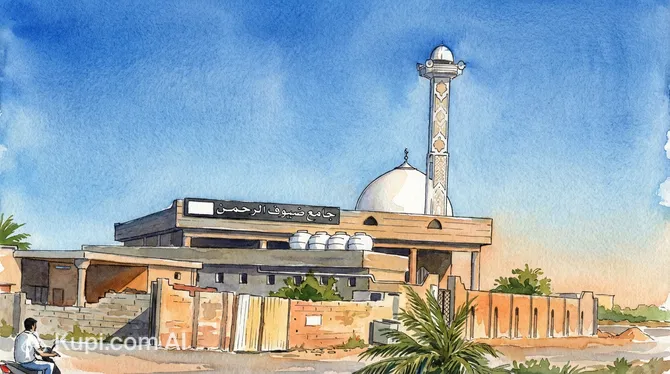
Sab al-Bor is a peaceful residential area located in the Baghdad Governorate, just 29 kilometers northwest of the capital of Iraq. The city is a typical suburban area that has evolved over recent decades from a small settlement into a major "bedroom" community for employees of capital enterprises and their families.
Sab al Bor. Illustration.
Source: Kupi.com AI
Geographically, the city stretches across a plain, and its population, according to recent estimates, exceeds 254,000 people. Despite the absence of famous historical monuments found in other parts of the country, Sab al-Bor offers an authentic atmosphere of modern Iraqi life, far from the tourist gloss.
A careful study of the history of this place shows that the area developed rapidly at the beginning of the 21st century, focusing on the creation of affordable housing. Visiting this city is an opportunity to see the daily life of ordinary Iraqis, stroll through local markets, and feel the rhythm of life outside the metropolis. We recommend stopping by for those who want to get to know the unvarnished but hospitable Iraq.
Weather Overview
The climate in Sab al-Bor is a pronounced semi-arid subtropical type, typical of the entire Baghdad region. Visitors should prepare for extremely hot and dry summers, when the temperature in July and August can reach +45°C. Precipitation is practically non-existent during this period, and the air is often saturated with dust.
Winters in the city, by contrast, are very mild and pleasant, with daytime temperatures ranging from +12°C to +18°C, though night temperatures can drop to +6°C. The majority of the annual precipitation falls during the winter months, usually as short-lived rains. If you are interested in more detailed weather in the city by month, these seasonal fluctuations should be considered when planning your trip.
The optimal time for a visit is from late October to April, when the heat subsides and the temperature becomes comfortable for walking. During this time, humidity is moderate and the sky remains clear. In summer, moving around the city without air conditioning becomes a serious challenge for the unprepared tourist.
Average monthly temperature
Average monthly precipitation
Interesting Facts
Sab al-Bor is one of the fastest-growing suburbs in the capital region; its population more than doubled in just a few years in the early 2000s.
The city ranks 80th among Iraq's largest settlements by population, surpassing many historically more significant centers.
Unlike most Iraqi cities with a thousand-year history, Sab al-Bor is considered a relatively young settlement, whose active development took place during the modern period of urbanization.
The distance to Baghdad is only about 18 miles (29 km), making the city an important transport and residential hub for the capital's metropolitan area.
How to Get There
Transport accessibility to Sab al-Bor largely depends on its proximity to the Iraqi capital. The main flow of passengers and cargo arrives here via highways from Baghdad. You can find more details about routes and travel options in the section on how to get to the city.
The nearest major air hub is Baghdad International Airport (SDA). It is located approximately 40 kilometers from Sab al-Bor. A taxi ride from the terminal to the city will take between 50 minutes and an hour and a half, depending on traffic conditions and checkpoint queues.
There is no direct rail service in Sab al-Bor itself. Travelers who prefer trains must arrive at Baghdad Central Station, from where they can reach the district by suburban bus or taxi. Intercity buses heading towards Taji or Samarra are also actively used within the region.
Station
Passenger traffic
Distance
Baghdad railway station
10
26 km
Kermanshah Railway Station
3
292 km
Main Attractions
The city of Sab al-Bor is not a classic tourist destination, so it is difficult to find the usual architectural masterpieces or ancient ruins here. Its main feature lies in the authentic atmosphere of a residential suburb. The center of attraction for locals and occasional visitors are the local bazaars, where life is in full swing from early morning.
A walk through the district's main streets allows you to see the daily way of life on the outskirts of Baghdad. Significant landmarks include the central mosques, which are not only religious centers but also important architectural landmarks in the city's low-rise residential development. These places serve as the main gathering points for the community.
For those seeking vivid impressions and historical monuments, Sab al-Bor usually serves as a base or starting point. The lack of developed tourist infrastructure is compensated for by the sincere hospitality of the local residents, for whom visitors from other countries remain a rare and interesting event.
Local Cuisine
The gastronomy of Sab al-Bor is based on the rich traditions of central Iraq. Hearty rice and meat dishes form the core of the local menu. You should definitely try kabsa—fragrant rice with lamb or chicken, generously seasoned with spices, raisins, and nuts. This dish is a symbol of hospitality and is often served at large family dinners.
In local bakeries, you can always buy the freshest samoon—traditional diamond-shaped Iraqi bread baked in stone ovens. It is best eaten hot, paired with hummus, kebabs, or simply with tea. Street food culture is represented by stalls with falafel and juicy kebabs cooked over an open fire right in front of you.
Finishing a meal in Sab al-Bor usually involves a glass of strong and very sweet black tea, which locals drink in large quantities throughout the day. Also popular is ayran—a refreshing yogurt drink with salt, which is perfect for coping with the summer heat. The restaurant scene here is simple and unpretentious: the best flavors are hidden in small family-run eateries in the market squares.
Travel Tips
Sab al-Bor is a unique place that requires a certain level of preparation and respect for local traditions from the traveler. These tips will help make your trip more comfortable and safe.
Clothing and Dress Code: Choose modest and closed clothing made from natural fabrics. Women are recommended to wear loose outfits that cover shoulders and knees, and men should avoid short shorts. This is a nod to local etiquette and protection from the sun.
Transport: For intercity travel, it is best to use official taxis or a rented car with a driver. Within the district, tuk-tuks are the most practical option, but agree on the price before starting the trip.
Finance: International cards are very rarely accepted in Sab al-Bor. Carry an adequate supply of cash in Iraqi dinars. It is better to exchange currency in advance at major banks in Baghdad.
Health: Always carry a supply of bottled drinking water and use sunscreen. During periods of dust storms, it is useful to have a light medical mask with you.
Communication: English is not widely spoken here. Download an offline translator in advance and learn basic Arabic phrases: "Salam" (greeting), "Shukran" (thank you).
Safety: Try to finish your walks before dark and stick to busy streets. Lighting in the suburbs can be insufficient at night.
What to Avoid: It is strictly prohibited to take photos of military installations, checkpoints, and government buildings. Always ask for permission before photographing local residents.
Local Etiquette: Be prepared for genuine curiosity and hospitality. If you are invited for tea, a polite refusal will not offend, but accepting the invitation will be a sign of respect.
Remember that Sab al-Bor is primarily home to hundreds of thousands of people, and your openness combined with tact will make your visit here truly warm and memorable.
Entertainment & Nightlife
Leisure in Sab al-Bor is predominantly quiet and family-oriented. You won't find noisy nightclubs, bars, or large cinemas here. Life after sunset is concentrated in traditional tea houses and small cafes, where local men gather over a cup of strong tea or coffee to discuss the latest news and play board games.
The main entertainment for young people in the evening remains spontaneous football matches on makeshift pitches between residential blocks. Football is a passion in Iraq, and Sab al-Bor is no exception. Watching these games allows you to better understand the local mentality and feel the genuine excitement of the fans.
For those seeking a packed evening program with international restaurants or cultural events, the best solution is a trip to the center of Baghdad. The capital is less than an hour's drive away and offers a full range of entertainment, from modern shopping malls to concert venues and theaters.
Parks & Museums
In Sab al-Bor, there are virtually no large public parks or specialized museum spaces. The city's greenery is local in nature: small squares and green zones can be found mainly inside residential blocks or near mosques. For locals, these islands of coolness become important places of rest during the hot summer months.
The ecological situation in the area is characterized by the typical problems of fast-growing suburbs—a lack of large recreational areas. Nevertheless, a walk through the residential sectors allows you to appreciate the local desire for comfort: residents often decorate their courtyards with small gardens and fruit trees, creating private green oases.
For cultural education and classic strolls through parks, visitors to Sab al-Bor usually head to neighboring Baghdad. There you will find the famous parks on the banks of the Tigris and the National Museum of Iraq, which houses priceless treasures of ancient Mesopotamian civilizations. This combination allows you to pair a stay in a quiet residential area with a rich excursion program in the capital.
Getting Around
The public transport system in Sab al-Bor is oriented toward the needs of people commuting daily to the capital. The main means of transport are minibuses and small buses. They connect residential blocks with central transport hubs in Baghdad and Taji. There is often no fixed schedule—transport departs as it fills up.
For moving within the district itself, residents often use motorized rickshaws (tuk-tuks). This is the fastest and most affordable way to cover short distances between streets, especially in densely built-up areas. Walking is also popular, but you should take into account the dustiness of the roads and high air temperatures in the summer.
Fares for public transport are paid in cash to the driver. Tourists are advised to always carry small bills in local dinars. Although transport can be very crowded during peak hours, it is the most budget-friendly way to get around. For more comfortable trips, you can always use a taxi, agreeing on the price in advance.
Accommodation
Finding classic international-level hotels directly in Sab al-Bor is practically impossible. Since the city is primarily a residential area, hotel infrastructure is not developed here. The main stock of available housing consists of apartments and rooms that are rented long-term to local residents or workers.
Travelers who decide to stay specifically here should consider options in the private sector or small family-style guesthouses. However, keep in mind that the service in such places will be minimal, and knowledge of the Arabic language will be a necessary condition for successful check-in.
For a comfortable stay with the usual set of amenities such as Wi-Fi, air conditioning, and breakfast, we strongly recommend booking hotels in the central districts of Baghdad. The capital offers a wide range of accommodation—from budget options to luxury hotels—from where you can make day trips to Sab al-Bor.
Nearby Cities
Sab al-Bor is conveniently located for those who want to explore the central part of the country, using the city as a starting point. Thanks to its proximity to major highways, you can easily reach several significant settlements in the region from here.
Just 13 kilometers away is Taji—a major industrial and transport center closely linked to Sab al-Bor by economic ties. For a more culturally rich break, head to Baghdad, which is 26 kilometers away. The capital will delight you with its abundance of museums, historical districts, and famous oriental bazaars. Also worth noting is Abu Ghraib, known for its farmland and history.
Exploring the surrounding areas allows you to see the diversity of the Iraqi province: from the agricultural landscapes of Al-Karmah to the busy streets of Fallujah. Each of these directions reveals new facets of modern Iraqi life.
Shopping & Souvenirs
Shopping in Sab al-Bor is primarily an immersion into the atmosphere of traditional oriental bazaars. There are no huge shopping malls with global brands in the city, but there is an abundance of local markets where you can find everything you need: from fresh vegetables and spices to textiles and household items. The district's central market is the heart of local trade.
Tourists here should pay attention to local products: Iraqi dates, oriental sweets, and spice sets, which cost significantly less than in tourist centers. Shops usually operate from early morning until late evening, taking a break for rest during the hottest hours of the day. Payment is made predominantly in cash in local currency, so you should take care of currency exchange in advance.
If your goal is modern clothing, electronics, or high-quality souvenirs, it is better to go to Baghdad for them. The capital's shopping centers and specialized antique shops will offer a much larger selection. Sab al-Bor remains a place for practical purchases and getting to know how ordinary Iraqi residents shop.