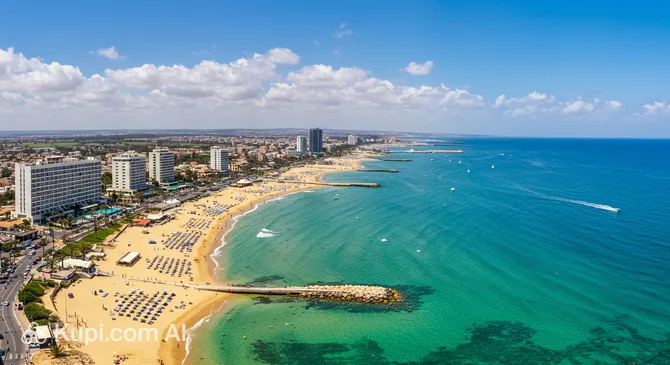
Netanya is a vibrant and welcoming seaside city located in the heart of Israel. Stretching along the azure Mediterranean coast in the picturesque Sharon Valley, it is rightfully considered one of the country's most popular resorts. With a population of about 217,000, the city harmoniously combines the dynamic rhythm of a modern metropolis with the relaxed atmosphere of a Mediterranean vacation.
The city's geographical position is unique: it stands on a high cliff rising 15–40 meters above the sea, offering breathtaking panoramic views of the horizon. Boasting a 14-kilometer sandy coastline divided into nine well-equipped beaches, Netanya attracts sun lovers and water sports enthusiasts all year round. Tourists appreciate the area for its clean coastline and modern infrastructure geared towards comfortable family vacations.
Netanya. Illustration.
Source: Kupi.com AI
Founded in the late 1920s as a small agricultural settlement, the city has undergone an impressive journey of development, which you can explore in more detail by reading about the history of Netanya. Today, it is an important cultural and tourist hub, known for its green nature reserves, interactive squares, and cozy promenades. If you are looking for a place where the warm sea meets genuine hospitality, Netanya is the perfect choice for your next trip.
Weather Overview
The city is characterized by a classic Mediterranean climate with long hot summers and very mild, though occasionally rainy, winters. Nearly 300 sunny days a year make it an attractive destination at any time, but the most comfortable weather in Netanya occurs in the spring and autumn months, before the heat reaches its peak.
The summer season (June to September) features high temperatures that often stay in the +28...+32°C range. Due to the proximity to the sea, humidity can be quite high, but the refreshing sea breeze on the coast makes being out in the sun much easier. There is almost no precipitation during this period, and the sky remains cloudless for many weeks.
Winter in Netanya is short and warm: the average January temperature is around +14°C, rarely dropping below +10°C even at night. Most of the rainfall occurs in December and January in the form of short but intense rains. Spring arrives early—as early as March, the air warms up to a comfortable +20°C, and the nature around the city begins to bloom, creating ideal conditions for walks and excursions.
Average monthly temperature
Average monthly precipitation
Interesting Facts
Citrus Roots: Netanya was founded in the late 1920s as an agricultural settlement specializing in citrus farming. This "orange" history is commemorated today in the exhibits of the Beit Haber Museum.
Unique Blooms: The local "Irus Argaman" reserve is home to the rare purple iris. This flower is a true endemic species that can only be found in the wild within Israel.
A Resort on the Heights: Unlike many seaside cities, Netanya's residential quarters are located on a high sandy cliff reaching up to 40 meters above sea level, creating a distinctive landscape and magnificent viewpoints.
Chess Capital: A giant chessboard is installed on the pedestrian Herzl Street, where anyone can play a match. This spot often serves as a venue for city tournaments and exhibitions.
Seventh Largest: Despite its image as a cozy resort, the city ranks seventh in terms of population in the country, serving as an important economic and residential hub in the central region.
How to Get There
Thanks to its location in the central part of the country, the city boasts excellent accessibility. Most international travelers arrive through the region's main air gateway, from where the coast can be reached in less than an hour. You can find more detailed information on routes and schedules in the section describing ways to get to Netanya.
The primary air hub is Ben Gurion International Airport (TLV). The most convenient way to get to the city from there is by taxi (a 30–40 minute trip) or by train with one transfer. Comfortable buses also run between cities, though potential peak-hour traffic on the coastal highway should be taken into account.
The railway is one of the fastest and most reliable ways to travel. The city's train station is located on the Tel Aviv–Haifa line, and trains run frequently. A trip from central Tel Aviv takes only about 30 minutes, making the city convenient even for short day trips.
Station
Passenger traffic
Distance
Beit Yehoshua Railway Station
9
7 km
Netanya Railway Station
9
2 km
Hadera – West Railway Station
9
14 km
Hod Hasharon Sokolov Railway Station
8
17 km
Herzliya railway station
9
18 km
Kfar Saba – Nordau Railway Station
8
18 km
Caesarea – Pardes Hanna Railway Station
9
21 km
For those who prefer traveling by car, the major coastal Highway 2 passes through the city. Renting a car gives you the freedom to explore the surroundings, but keep in mind the typical morning and evening traffic jams at the city entrances. Egged intercity buses also provide regular connections to all major towns and cities in the country.
Main Attractions
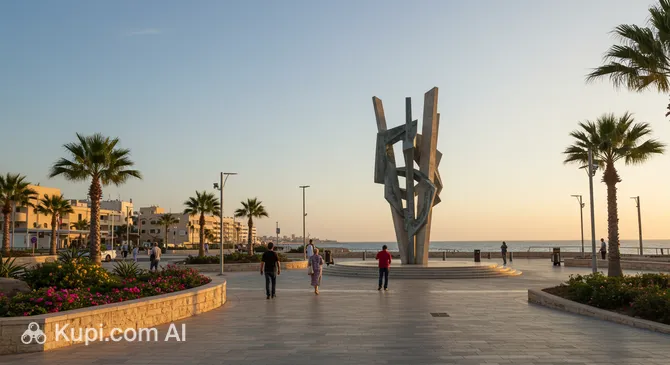
The city's main pride lies in its magnificent natural and man-made sites that make strolling through its streets unforgettable. One of the most majestic monuments is the Victory Monument, dedicated to the memory of Red Army soldiers. This memorial, shaped like giant white wings, symbolizes the victory over Nazism and impresses with its architectural power and deep meaning set against the coastal landscape.
Victory Monument. Illustration.
Source: Kupi.com AI
Traveler photos:
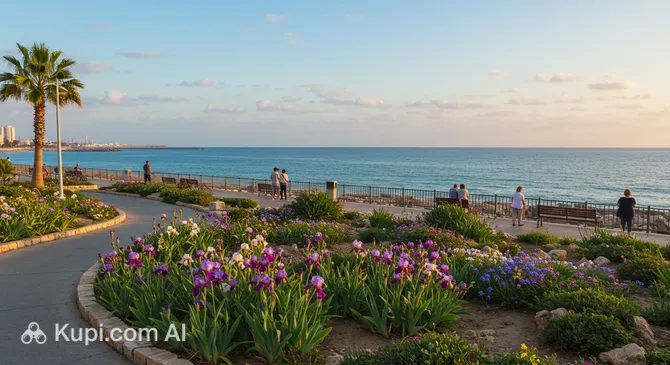
For nature lovers, the Iris Reserve is a must-visit. This unique site is where you can see rare purple irises during the winter and spring months—flowers that are almost never found in the wild outside of the country. The reserve's walking trails lead through sandy dunes straight to the cliff edge, allowing visitors to enjoy the pristine beauty of the local flora.
Iris Reserve. Illustration.
Source: Kupi.com AI
Traveler photos:
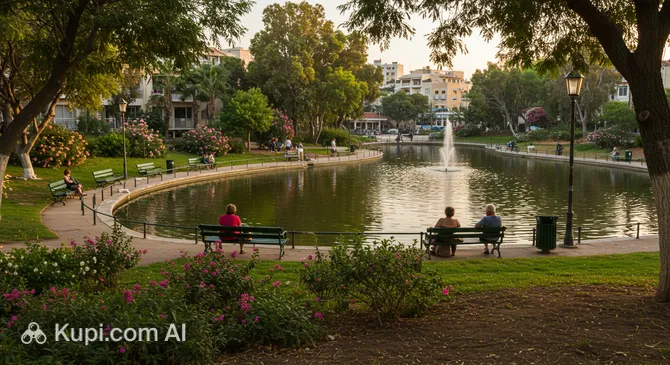
Another interesting location is the Netanya Winter Pond. This natural body of water fills up during the rainy season and becomes home to many migratory birds and rare amphibian species. A park area with playgrounds and picnic spots surrounds the pond, making it a popular relaxation spot for locals and tourists alike throughout the year.
Netanya Winter Pond. Illustration.
Source: Kupi.com AI
Traveler photos:
Don't forget to stop by the central Atzmaut Square, which is the heart of urban life. Here, you'll find interactive fountains, frequent street concerts, and festivals, while numerous cafes and small shops on the adjacent Herzl Street create the unique atmosphere of a modern seaside resort.
Local Cuisine
The city's gastronomic scene is a vibrant kaleidoscope of flavors, where Mediterranean traditions meet the culinary customs of immigrants from all over the world. Be sure to try the freshest seafood and grilled fish served in coastal restaurants. Classic Israeli dishes, such as creamy hummus, crispy falafel, and fragrant shawarma, can be found at every turn—from street stalls to high-end establishments.
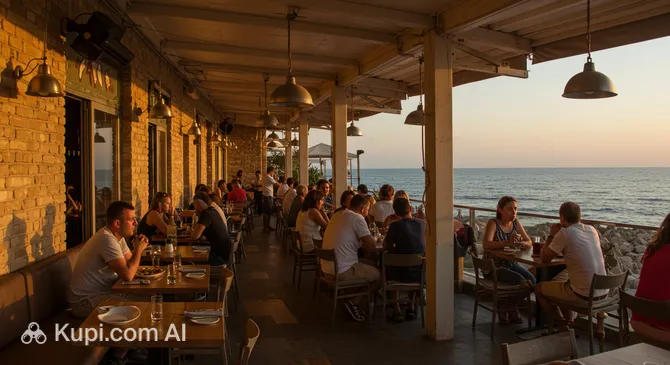
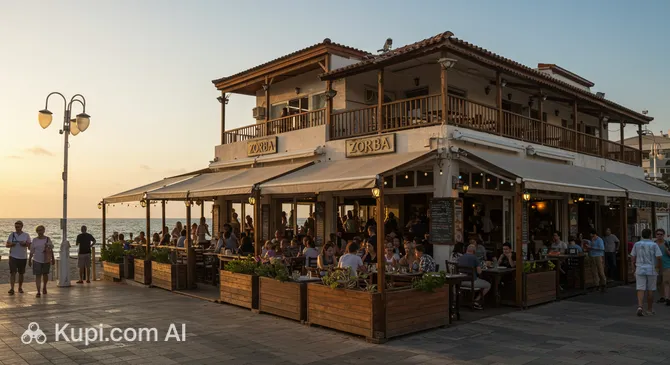
For those seeking sophisticated flavor combinations, it's worth visiting Nishi, known for its excellent cuisine and stylish interior. If you want to experience the atmosphere of traditional hospitality and enjoy dishes with a European or Mediterranean accent, visit Zorba. Notably, many establishments in the city offer menus in Russian, making dish selection even easier and more pleasant for tourists from CIS countries.
Nishi. Illustration.
Source: Kupi.com AI
Traveler photos:
When it comes to drinks, fresh-pressed juices are king. Since the region was historically famous for its citrus plantations, the orange and grapefruit juices here are particularly delicious. Don't forget to try local coffee and products from Israeli craft breweries. Most restaurants in the center observe kosher rules, which is an important part of the local food culture.
Zorba. Illustration.
Source: Kupi.com AI
Traveler photos:
A special treat is visiting the local market or food courts in major shopping malls. Here you can find everything from traditional Yemenite pastries to modern international dishes. Street food in the city isn't just a quick snack; it's an opportunity to touch the daily rhythm of life and enjoy high-quality products at affordable prices.
Travel Tips
Preparing for your trip to Netanya will be easier with our practical recommendations, helping you feel confident and comfortable on the Mediterranean coast.
Clothing and Essentials: From May to October, bring light cotton and linen clothing. Be sure to pack sunglasses, sunscreen, and a hat. A light windbreaker will come in handy for winter evenings. When visiting religious sites (synagogues), shoulders and knees should be covered.
Transport: It is convenient to get around the city by bus, but download the Moovit app to track routes. For taxis, use Gett. Keep in mind that during Shabbat (from Friday evening to Saturday evening), public transport does not run.
Finances: The official currency is the New Israeli Shekel (NIS). Cards are accepted almost everywhere, but a little cash for markets and small purchases won't hurt. Tips in restaurants are usually 10–12% of the bill.
Health and Safety: Tap water is safe to drink, but always carry a bottle of bottled water at the beach. The sun is very strong, so avoid direct rays at noon. Pharmacies are easy to find in tourist zones.
Communication: Hebrew is the primary language, but English is understood by almost everyone. Due to the large number of immigrants, you will often hear Russian spoken in shops and restaurants. You can buy a local SIM card at any shopping mall.
Local Etiquette: Israelis are friendly and direct. The greeting "Shalom" is universal. It is customary to behave in a relaxed manner in public places, but respect the religious feelings of locals in relevant neighborhoods.
What to Avoid: Do not plan important trips or shopping for the second half of Friday and Saturday—most establishments will be closed. Also, avoid swimming beyond the buoys at the beaches, as undercurrents can be treacherous.
Extra Tip: Be sure to walk along the embankment at sunset—it's the most beautiful time in the city when the sky is painted in incredible colors over the sea horizon.
By following these simple tips, you can fully immerse yourself in the holiday atmosphere and enjoy every minute of your stay in this sunny city!
Entertainment & Nightlife
Entertainment in the city is concentrated along the waterfront and central pedestrian zones. In the evening, the promenade becomes the epicenter of activity as the lights of seaside cafes and restaurants flicker to life. Here, you can enjoy live music, folklore performances in the open-air amphitheater, or simply take a pleasant walk while breathing in the fresh sea breeze.
For those who prefer the cozy atmosphere of bars and quality brews, Beer Shop or the locally popular Uranus bar are excellent choices. These establishments offer a great selection of drinks and a laid-back environment perfect for socializing with friends. While the city doesn't claim to be a nightlife capital (many head to nearby Tel Aviv for large-scale parties), the local bar scene has its own undeniable charm.
Beer Shop. Illustration.
Source: Kupi.com AI
Traveler photos:
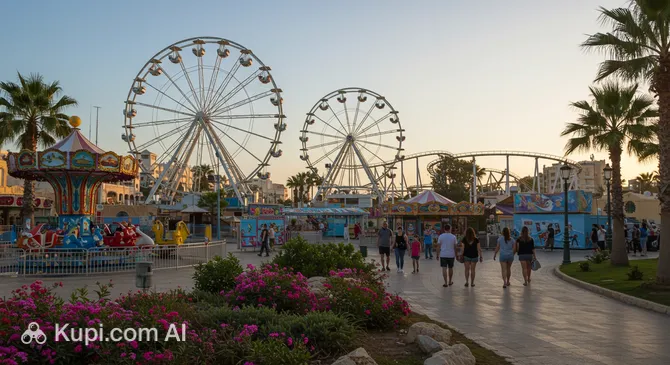
Family leisure is well-catered for with various parks and play centers. Children will be delighted with a visit to Jimbo Play, which offers everything needed for active games. During the day, you can also visit art galleries on Herzl Street or watch a game on the giant chessboard, which has long been one of the city's hallmarks.
Jimbo Play. Illustration.
Source: Kupi.com AI
Traveler photos:
Active holiday seekers should check out the cycling routes and sports grounds along the coast. During the season, festivals and sports competitions are often organized on the beaches, adding energy and dynamics to resort life. Safety in tourist areas is high, so even late-night walks along the well-lit promenade are comfortable and pleasant.
Parks & Museums
The city features pleasant green zones and cultural spaces that allow for a break from the urban hustle. One of the most interesting natural sites is the Netanya Winter Pond, also known as "Shlulit." A park area with modern playgrounds and cycling paths has been created around it. During the rainy season, you can go birdwatching here, while in summer, it's simply a great place for a family picnic in the fresh air.
For those interested in flora, the Iris Reserve is a must-see. During the blooming period, this place transforms into a natural carpet of rare plants. Also located in the city's vicinity is the unique "Utopia" orchid and butterfly park—a true tropical forest under a dome, which makes a great addition to any cultural itinerary.
The city's museum life focuses on preserving local history. The Beit Haber Museum tells the story of the times when the city was a center for citrus production. Also worth noting are the Museum of the Jewish Legion and cultural centers dedicated to the folklore of various communities, such as the Yemenite community. These places help visitors gain a deeper understanding of how a small farm grew into a modern, thriving resort.
Getting Around
The public transport system in the city is represented by an extensive network of bus routes managed by Egged and local carriers. Buses run regularly, connecting residential areas with the coast, shopping centers, and the train station. To pay for fares in Israel, a unified "Rav-Kav" transport card or mobile apps (such as Moovit or Pango) are used, as drivers no longer accept cash.
The city's railway station is an important transport hub. Trains connect the resort with Tel Aviv, Haifa, and Ben Gurion Airport. This is the fastest way to reach other cities while bypassing highway traffic. It is worth remembering that during the Shabbat period (from Friday evening to Saturday evening), public transport and trains cease operation, so plan your trips in advance.
As an alternative, you can always use a taxi by calling a car through popular apps like Gett or Uber. For seaside strolls, bicycles are ideal—the promenade is equipped with convenient lanes. In central areas and near popular beaches, parking can be limited and is marked with blue-and-white paint on the curbs; be sure to watch the signs when renting a car.
Accommodation
The city offers a wide range of accommodation options, primarily oriented toward beach lovers. The most popular choices are 3- and 4-star hotels located on the first line along the coast. Hotels such as Sironit or Allelu-Ya provide guests with quick access to the beaches and magnificent sea views directly from their rooms.
For those planning a long-term stay or preferring a home-like feel, there is a large market for short-term apartment rentals. Housing in modern residential complexes, especially in the southern districts of the city, is in high demand due to developed infrastructure and a quiet atmosphere. It is recommended to book accommodation for the peak season (July–August) and during Jewish holidays well in advance, as demand increases significantly during these periods.
Price ranges for hotels are quite reasonable compared to neighboring Tel Aviv, making the city attractive for families and retirees. Most hotels are clustered around the central Atzmaut Square and along the northern promenade, where all tourist infrastructure is within walking distance. You can use international booking services or contact hotels directly through their websites.
Nearby Cities
The city serves as an excellent starting point for exploring the central and northern parts of the country. Thanks to a developed road network and railway connections, many interesting locations are just a few dozen minutes away, making it easy to plan day trips.
Just 14 kilometers to the north is the city of Hadera, known for its nature parks. To the south, you can quickly reach Ra'anana—one of the greenest and most well-maintained cities in the region. For history buffs, a trip to Caesarea National Park (about 20 minutes away) is essential, featuring the grand ruins of an ancient Roman city, Herod's amphitheater, and an ancient aqueduct.
City
Population
Distance
Kfar Yona
28 025
8 km
Qalansawe
21 451
13 km
Hadera
95 700
14 km
Raanana
74 000
14 km
Tulkarm
61 941
16 km
Don't forget the major metropolises: dynamic Tel Aviv with its nightlife and endless shopping is just 30 kilometers away. Exploring nearby settlements, such as Kfar Yona or the colorful Kalansua, will help you better understand the diversity of cultures and landscapes in this amazing country.
Shopping & Souvenirs
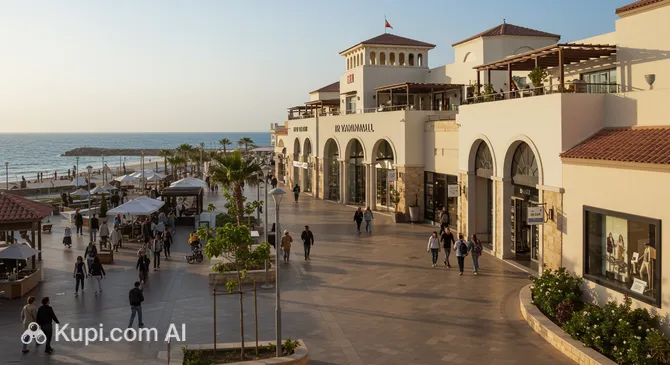
Shopping in the city offers a delightful variety: from modern shopping centers with global brands to colorful markets and small galleries. The main destination for large-scale shopping is the Ir Yamim Mall—one of the largest in the region. Hundreds of stores, cinemas, and an extensive food court are gathered under one roof, making it a great place for family leisure.
Ir Yamim Mall. Illustration.
Source: Kupi.com AI
Traveler photos:
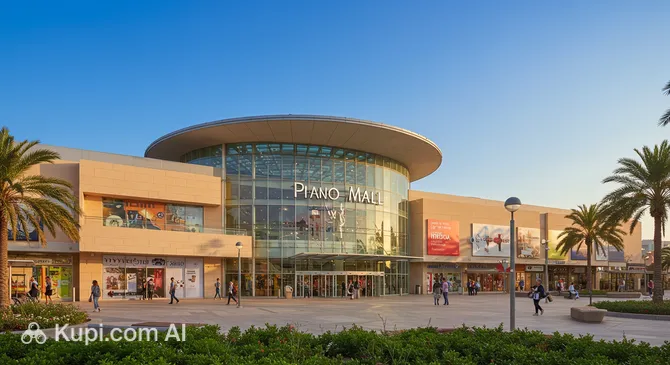
Another interesting location for shopping and relaxation is the Piano Center, located in the southern part of the city. It stands out with its stylish architecture and pleasant atmosphere. If you are looking for something more traditional, head to the pedestrian Herzl Street. Here, you can find jewelry, paintings by local artists, and unique handicrafts that make excellent souvenirs.
Piano Mall. Illustration.
Source: Kupi.com AI
Traveler photos:
Typical souvenirs to bring back from this region include high-quality Dead Sea mineral cosmetics, jewelry, and citrus-based products. Shops generally operate from Sunday to Thursday, from 9:00 AM to 8:00 PM or 9:00 PM, and close earlier on Friday before the start of Shabbat. Bank cards are widely accepted, and a Tax Free system is available for foreign tourists in major stores.