Support

Chioggia

About

Chioggia is a charming city often called "Little Venice" due to its picturesque canals, bridges, and unique atmosphere. Located in the southern part of the Venetian Lagoon, just 25 kilometers south of the famous Venice, Chioggia offers travelers the chance to immerse themselves in the authentic coastal life of Italy. The city is spread across a chain of small islands connected by bridges and is washed by the waters of the Adriatic Sea, the lagoon, and the mouths of the Adige and Po rivers, which provides it with a mild marine climate.
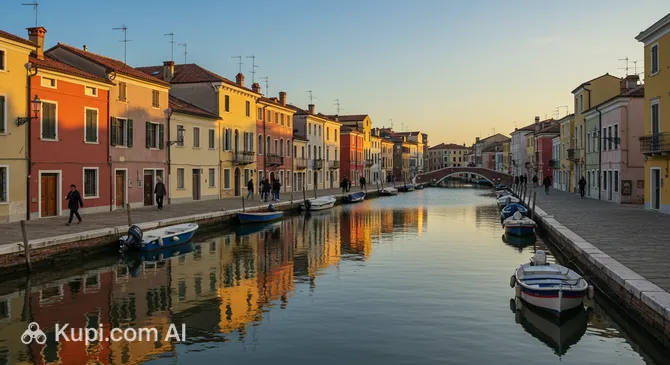
Chioggia. Illustration.
Source: Kupi.com AI

Chioggia is home to about 49,000 people, making it one of the significant cities in the Veneto region. Together with the resort area of Sottomarina, Chioggia represents a harmonious blend of history and modernity. The city is famous for its centuries-old fishing traditions, reflected in its lively fish markets where the freshest seafood can be found. Chioggia's architecture is also noteworthy: here you can see medieval churches, ancient palaces, and, of course, countless canals with moored boats, creating a unique local flavor.

One of the main attractions is Corso del Popolo – the central pedestrian street, about 830 meters long, where a walk is comparable to a journey back in time. Cozy cafes, shops, and historical buildings are concentrated here. Chioggia attracts visitors with its leisurely atmosphere, the absence of tourist crowds, and the opportunity to get to know real Italian culture.

If you are looking for a place where you can enjoy a peaceful holiday, fresh sea air, delicious local cuisine, and still feel the spirit of an ancient Italian city, Chioggia will be a true discovery for you. It is an ideal destination for those who value authenticity and want to see another side of the Venetian Lagoon.

You can find more interesting facts on the history of Chioggia page.
Weather Overview

The weather in Chioggia is characterized by warm summers and mild but humid winters. In the summer months, especially in July and August, the average air temperature is a comfortable 25-26°C, while daily highs can reach 28-29°C. In winter, for example in January, the average temperature stays around 5.8°C, with minimum values potentially dropping to 3°C. Precipitation falls throughout the year, averaging from 2 to 4 mm per month, while the number of rainy days varies from 7 to 14. Thus, in Chioggia, you can expect a warm summer with occasional short-term rains and a cool winter with regular precipitation. For a more detailed study of climatic conditions and the monthly forecast, we recommend visiting the Chioggia Climate page.

Average monthly temperature

Average monthly precipitation

Interesting Facts

In addition to its picturesque canals and charming bridges, Chioggia holds many amazing stories and little-known details that make this city truly unique. Ready to learn a few secrets of Venice's "little sister"?

San Felice Marina. Illustration.
Source: Kupi.com AI

Traveler photos:

  • "Grandmother of Venice": Chioggia is often called the "grandmother of Venice." It is believed that the traditions of building houses on stilts and creating canals, which later made Venice famous worldwide, originated here. Despite numerous historical shifts, including destructive wars, the city was restored and has preserved its unique medieval appearance.

  • The Fishing Heart of Italy: Fishing is not just a trade but an inseparable part of Chioggia's soul. The city's fish market is famous throughout Italy and is one of the largest and most colorful in the country. Almost year-round, you can watch fishermen selling their freshest catch directly from their boats—from fish to mussels and shrimp.

  • A Festival of Flavor – Sagra del Pesce: Among the many traditional holidays, the "Sagra del Pesce"—the famous fish festival—stands out. Every summer, this event transforms Chioggia into a true gastronomic paradise, attracting foodies from all over the region to taste the freshest seafood delicacies.

  • Ancient Clocks and Sea Traditions: Chioggia has preserved one of Italy's oldest clock towers, the Torre dell'Orologio, featuring a unique medieval mechanical clock movement. Furthermore, the city is known for its colorful carnivals and ancient boat regattas that bring the embankments and canals to life.

How to Get There

Getting to this picturesque corner of the Venetian Lagoon is easy, as the city is located near Italy's major transport hubs. Although it doesn't have its own airport, a well-developed network of roads and public transport makes it easy to reach from nearby major cities. You can find out more details on how to get to Chioggia by checking out available routes and transport types.

There is no airport in the city of Chioggia itself, but you can fly into Venice Marco Polo Airport (VCE) in Venice, located about 32 km from Chioggia. This is the region's main international hub, receiving flights from all over the world. The journey from here by taxi or rental car takes about 50–60 minutes. Direct buses also run from the airport, making it the most convenient option for arrival.

Another popular option is Treviso Airport (TSF), also located in the vicinity of Venice, about 48 km from Chioggia. This airport is often used by low-cost carriers, allowing you to save on your flight. Travel time by car is approximately 1 hour and 20 minutes. Regular connections are available from both airports, allowing for a comfortable journey to the coast.

For your convenience, here is a summary of the main airports:

AirportPassenger trafficDistance
Venice Marco Polo Airport11.6 mln32 km
Treviso Airport3 mln48 km
Portoroz29 000109 km
Guglielmo Marconi Airport10.8 mln109 km
Verona Villafranca Airport3.7 mln111 km

Traveling by train is also a convenient way to get closer to your destination. Although Chioggia has a small railway station, it is often more convenient for long-distance trips to use major transfer hubs on the mainland. You can arrive at the Venice-Mestre Railway Station in Venice, which is about 29 km from Chioggia. This is one of Italy's most important railway hubs, where high-speed trains arrive from Rome, Milan, and other cities. Suburban buses run regularly from Mestre station to Chioggia, with a journey time of about 45–60 minutes.

Another convenient option is the Venice Santa Lucia station, located in the historical center of Venice (about 25 km from Chioggia as the crow flies, but the land route is longer). However, given Santa Lucia's island location, it is logistically easier to get off at Mestre if you plan to continue your journey by bus or taxi.

Below is information about the nearest major railway stations:

StationPassenger trafficDistance
Venezia Santa Lucia Station30 mln25 km
Venezia Mestre Railway Station31 mln29 km
Venezia Mestre railway station1529 km
Padova Centrale Station18.5 mln38 km
Padova railway station1338 km

Main Attractions

Chioggia, a charming city on the water often called "Little Venice," offers its guests not only picturesque canals and historical architecture but also many cozy spots to experience the unique local flavor. While the city is rich in historical monuments like ancient churches and bridges, getting to know it would be incomplete without visiting the establishments that reflect its daily life and gastronomic traditions. Here are several interesting places of this kind that are worth a visit.

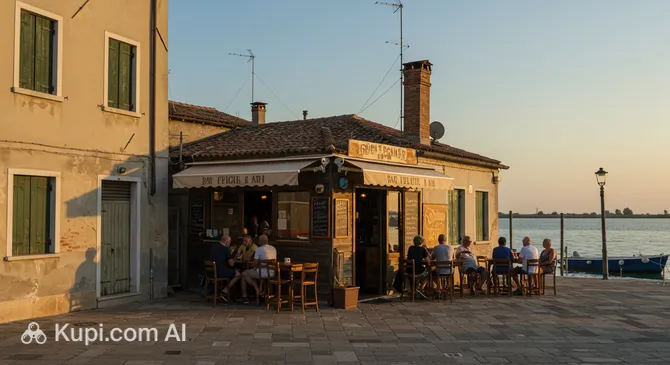
One of the notable places for relaxation is Marina San Felice. This bar, likely located with a view of the picturesque marina, is an excellent choice for those looking to unwind after a busy day of exploring the city. Here, you can enjoy refreshing drinks in a pleasant setting while admiring the moored yachts and the seascape, which is especially delightful during warm Italian evenings.

San Felice Marina. Illustration.
Source: Kupi.com AI

Traveler photos:

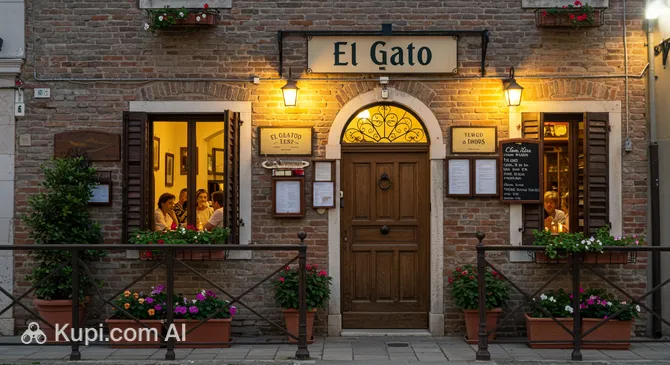
For connoisseurs of authentic Italian cuisine and fresh seafood, the restaurant El Gato is a must-visit. This establishment is known for its excellent dishes prepared with select local products, for which the Veneto region, and Chioggia in particular, is so famous. The cozy atmosphere and quality service will make your lunch or dinner here a truly memorable gastronomic experience.

El Gato. Illustration.
Source: Kupi.com AI

Traveler photos:

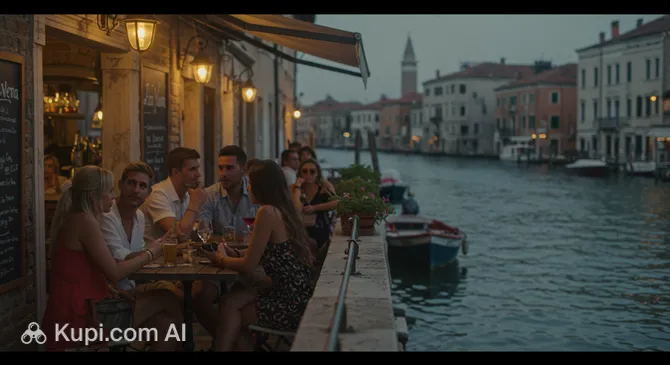
To feel the authentic spirit of the Venetian Lagoon and Chioggia, stop by Bar e Bacaro Riva Vena. A "bacaro" is a traditional Venetian type of bar where it is customary to serve local wines and various snacks known as "cicchetti." This is a wonderful opportunity to dive into the everyday life of the locals, try authentic treats, and feel the city's informal, friendly atmosphere.

Riva Vena Bar & Bacaro. Illustration.
Source: Kupi.com AI

Traveler photos:

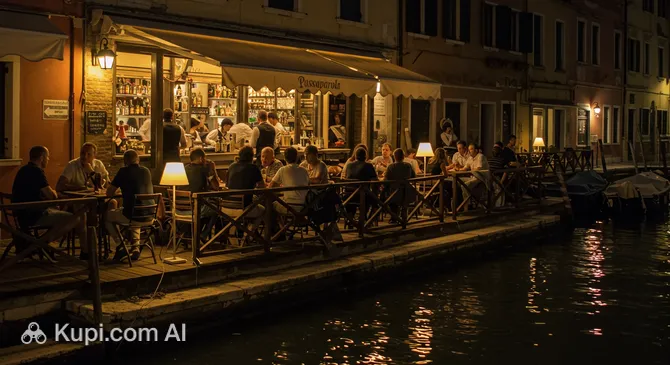
If after dinner and a quiet rest you want to continue the evening in a more lively and dynamic setting, take note of the nightclub Pasaparola. This place attracts those looking for modern music, the chance to dance, and a fun time until late at night. Here you can get to know Chioggia's nightlife and recharge with positive energy.

Passaparola. Illustration.
Source: Kupi.com AI

Traveler photos:

Local Cuisine

Chioggia is a true paradise for seafood lovers and anyone fond of Italian cuisine. The city's gastronomic scene revolves around the freshest fish and seafood, prepared here with special love and skill. Be sure to try the famous sarde in saor—marinated sardines with onions, raisins, and pine nuts in a sweet and sour sauce—as well as the unique risotto di go—a delicate risotto with grass goby, considered the hallmark of local cuisine that can only be tasted here.

In addition to these specialties, the menus of local establishments abound with mussels, oysters, shrimp, squid, and cuttlefish prepared in various ways—from simple grilling to exquisite sauces. Don't miss the chance to taste dishes with local Radicchio di Chioggia—a special variety of red chicory with a characteristic bitterness, grown in the surrounding areas and added to pasta, risotto, and even served as a side dish.

El Gato. Illustration.
Source: Kupi.com AI

Traveler photos:

The food culture in Chioggia is closely linked to the sea and its gifts. Locals and tourists prefer the numerous trattorias and fish restaurants scattered along the canals and embankments, such as El Gato, where you can enjoy the freshest catch of the day. Be sure to visit the city's fish market (Mercato Ittico)—it's not just a place for shopping, but a truly colorful performance and the heart of the city's culinary life. Street food is also popular here: look out for scartosso de pesse frito—a cone of fried fish and seafood—as well as artichoke chips.

Your meal will be perfectly complemented by local Veneto wines, especially whites like Prosecco or Soave, which pair perfectly with seafood. In summer, Chioggia comes alive with numerous gastronomic festivals, such as the famous Sagra del Pesce (Fish Festival), farmers' markets, and tastings. This is a wonderful opportunity to get to know the region's culinary traditions more deeply and enjoy the festive atmosphere right on the seashore.

Travel Tips

Welcome to charming Chioggia! To ensure your trip to this picturesque city, often called "Little Venice," goes smoothly and leaves only pleasant impressions, we have prepared some practical tips.

  1. Clothing and Seasonal Items:

    Chioggia has a Mediterranean climate. In summer, bring light cotton clothing, a hat, sunglasses, and sunscreen. In spring and autumn, the weather can be changeable, so a sweater, light jacket, or windbreaker will come in handy. Be sure to bring comfortable shoes for long walks along cobbled streets and canals. When visiting churches (e.g., the Duomo), remember the dress code: shoulders and knees must be covered. Don't forget an adapter for electrical appliances if your plugs differ from European ones.

  2. Getting Around the City:

    Chioggia is a compact city, and the best way to explore it is on foot. The historical center is threaded with canals, and like in Venice, vaporettos (water buses) are popular; they are the main form of public transport and connect different parts of the city as well as neighboring islands and the mainland. Renting a car to move around Chioggia itself is impractical due to narrow streets and restricted traffic; it's better to leave the car in parking lots at the city entrance. City buses also run, connecting the center with the outskirts.

  3. Finances and Tipping:

    The official currency in Chioggia, as in all of Italy, is the Euro (EUR). Credit and debit cards (Visa, Mastercard) are accepted in most hotels, restaurants, and large shops. However, it's always useful to have some cash on hand for small purchases at the market, in small cafes, or for vaporetto tickets. ATMs (bancomat) are easy to find. In restaurants, a service charge (coperto) is often included in the bill, but if you particularly liked the service, you can leave a small tip (5-10% of the bill) in cash.

  4. Health and Safety:

    Pharmacies (farmacia) in Chioggia are easily recognized by a green cross. Some work on a rotating 24-hour schedule (farmacia di turno – information can be found on any pharmacy door). In case of serious need, contact the emergency room (Pronto Soccorso). Chioggia is considered a fairly safe city. Nevertheless, always observe basic precautions: keep an eye on your personal belongings, especially in crowded places like markets or vaporetto stops, and do not leave valuables unattended.

  5. Language and Connectivity:

    The official language is Italian. In tourist areas, hotels, and restaurants, staff often speak English, but knowing a few basic Italian phrases (e.g., "Ciao" – hello/goodbye, "Grazie" – thank you, "Per favore" – please, "Quanto costa?" – how much is it?) will be very helpful and appreciated by locals. Wi-Fi is available in most hotels and many cafes (sometimes for a small fee or with an order). A local SIM card with internet access can be purchased at mobile phone shops.

  6. Local Etiquette and Communication:

    Italians are generally open and friendly. When entering a shop or small cafe, it's customary to say hello (Buongiorno – good morning/afternoon, Buonasera – good evening). Don't hesitate to ask for help if you're lost. Italians highly value politeness. When visiting churches, behave quietly and respectfully. Please note that many shops may be closed for a lunch break (riposo), usually from 1:00 PM to 4:00 PM.

  7. What to Avoid:

    Try not to be excessively loud in public places, especially near residential buildings or churches. Swimming in the canals is strictly prohibited – it's unsafe and punishable by a fine. Also, you should not sit on the steps of historical buildings or bridges for a snack; this may be perceived as disrespect for cultural heritage.

  8. Special Tip for Chioggia:

    Be sure to visit the famous Chioggia Fish Market (Mercato Ittico), one of the most important and colorful in Italy. The best time to visit is early morning, when you can see a huge variety of fresh seafood and immerse yourself in the city's authentic atmosphere. After a walk through the market, enjoy some fresh fish dishes at one of the local taverns.

We hope these tips help you better prepare for your trip and make your stay in Chioggia as comfortable and full of vivid impressions as possible. Enjoy the beauty of the canals, the delicious food, and the unique atmosphere of this Italian treasure!

Entertainment & Nightlife

Chioggia, a charming fishing town known as "Little Venice," offers its guests a cozy and authentic atmosphere for evening and night entertainment. While there are no loud mega-clubs like in major cities, there are plenty of pleasant spots to enjoy an evening in true Italian style.

Chioggia's main evening life is concentrated along the main canal, Corso del Popolo, and on embankments like Riva Vena. After dark, these areas come alive: locals and tourists alike head out for the traditional evening promenade (passeggiata), filling the numerous bars, cafes, and "bacari"—typical Venetian taverns serving wine and local snacks called "cicchetti." During the summer season, a more vibrant nightlife can be found in the Sottomarina district, where beach bars and some venues stay open longer.

The atmosphere in most of Chioggia's establishments is relaxed and friendly. People here value conversation and unhurried time. The dress code is usually casual, though smart casual might be more appropriate for some of the trendier bars or clubs in Sottomarina. It's best to start your evening with an aperitivo around 6:00 PM–7:00 PM, with main entertainment continuing until midnight or slightly later, especially on weekends.

Among the places where you can spend a pleasant evening, several are worth noting: For those seeking a traditional experience, Bar e Bacaro Riva Vena offers a dive into the local hospitality with a good selection of drinks and snacks. This venue, classified as a nightclub, likely offers a lively evening atmosphere, combining bacaro traditions with more modern music or events.

If you want to enjoy a drink in a pleasant setting by the water, look into Marina San Felice. This bar, located by the marina, is perfect for a quiet evening with a view of the yachts.

For fans of a more active nightlife and dancing, Pasaparola is one of the city's nightclubs where you can have fun to modern music.

Practical Tips: Prices for drinks and food in Chioggia are generally more affordable than in nearby Venice. Moving around Chioggia's historical center is easy on foot. For trips to Sottomarina or late at night, you can use taxis, which can usually be found at stands or ordered by phone. Chioggia is considered a safe city, but standard precautions during night walks are still recommended.

During the day, Chioggia also offers plenty of interest: you can visit the Civic Museum of the South Lagoon (Museo Civico della Laguna Sud), explore ancient churches like the Cathedral, or simply wander through the colorful streets and bridges, enjoying the unique atmosphere of this city on the water. Don't forget to visit the famous fish market, one of the largest in Italy.

Parks & Museums

Chioggia, a charming city in Italy located in the Venetian Lagoon, offers its guests not only picturesque canals and historical architecture but also opportunities for outdoor recreation and exploring a rich cultural heritage. Here, you can find both corners for peaceful walks and interesting museums telling the unique history of this place.

Although Chioggia is primarily a city of canals and narrow streets, its surroundings are rich in natural beauty. The main green area and magnet for beach lovers is Sottomarina. This long sandy beach, washed by the Adriatic Sea, is ideal for sunbathing, swimming, and long walks along the shore. The Venetian Lagoon itself, surrounding the city, is a unique ecosystem that can be explored during boat trips while enjoying the peace and scenic views.

To gain a deeper understanding of Chioggia's history and culture, it's worth visiting the local museums. One of the key ones is the Civic Museum of the South Lagoon (Museo Civico della Laguna Sud), located in the former monastery of San Francesco fuori le Mura. Its exhibitions are dedicated to the region's archaeology, ethnography, and maritime traditions, telling the story of lives closely linked to the sea and the lagoon. Another important cultural site is the Diocesan Museum of Sacred Art (Museo Diocesano d'Arte Sacra), which houses valuable works of religious art, icons, and church vessels from Chioggia's churches and its surroundings.

In addition to museums, Chioggia itself is an open-air museum. Stroll down the main street, Corso del Popolo, the heart of the city, where historical buildings, shops, and cafes are concentrated. Take note of the majestic Chioggia Cathedral (Duomo di Chioggia) and the ancient Church of San Domenico (Chiesa di San Domenico), known for its collection of paintings. Don't forget to explore the numerous canals and bridges that give the city the unique charm for which it is often called "Little Venice."

For a full immersion in Chioggia's atmosphere, be sure to visit the colorful fish market, one of the oldest and largest in Italy, where you can see the full variety of the Adriatic's bounty. And to feel like a local, take a ride on a traditional "bragozzo" boat through the canals and lagoon, perhaps making a stop at Marina San Felice to enjoy the views and the coastal holiday atmosphere.

Getting Around

When planning your travels around Chioggia, you will find that the public transport system here is quite compact and primarily focused on bus services and water transport, which is typical for cities in the region. There are no metros, trams, or trolleybuses in Chioggia.

The main form of public transport in Chioggia is buses. They connect different districts of the city and also link Chioggia with neighboring towns, including the mainland and other islands in the lagoon. The route network is developed enough to reach most places of interest to tourists. Furthermore, given Chioggia's location, water transport plays a vital role – vaporetto (water buses) and local ferries run along the canals and provide connections to other islands in the Venetian Lagoon, including Venice itself. This is not just a means of transport, but also a great way to enjoy views of the city from the water.

The fare system in Chioggia is generally integrated with the Veneto region's transport system, specifically with ACTV, which serves Venice and its surroundings. Bus and vaporetto tickets can be purchased at tobacco shops (tabaccheria), newsstands, ACTV ticket offices (if available directly in Chioggia or at major transfer hubs), and sometimes from drivers (though this may be more expensive and isn't always possible). There are single tickets as well as passes for a specific period (e.g., 24, 48, 72 hours or a week), which can be advantageous for active travelers. The approximate cost of a single bus or vaporetto ticket starts from a few euros, depending on the route and duration. It is recommended to check current fares locally or on the official website of the transport company.

Tourists should keep several important points in mind. Tickets must be validated when entering a bus or before boarding a vaporetto using the special machines. An unvalidated ticket is equivalent to fare evasion and risks a fine. Buses and vaporettos usually run on a schedule, which can be found at stops or online. During the tourist season and peak hours, transport can be crowded. Public transport operating hours vary, but main routes usually function from early morning until late evening.

As an alternative to public transport in Chioggia, you can use a taxi, though this will be significantly more expensive. For short trips around the historical center, which is quite compact, walking is an excellent option. Bicycle rentals may also be available in the city, allowing you to explore the surroundings at your own pace. Given the island location and the presence of canals, private water taxis are also an option, but they are the most expensive way to get around.

Accommodation

In Chioggia, travelers will find a variety of accommodation options to suit different preferences and budgets. The city offers a choice from cozy family-run hotels and modern apartments to more economical guesthouses. For those who value home comfort and independence, apartment rentals are available, which is particularly convenient for long stays or family vacations.

When choosing a place to stay in Chioggia, it's worth considering areas located in the historical center. From here, the main canals, ancient churches, and colorful streets are just a stone's throw away. Accommodation options near the embankments and beach zones are also popular if your main goal is to relax by the sea. A convenient location will allow you to easily explore the city and enjoy its atmosphere.

To guarantee the best choice and prices, especially during the high tourist season (summer months), it is recommended to book your Chioggia accommodation in advance. The price range varies from budget options to mid-range and premium offers, depending on the type of housing, its location, and provided amenities. The most common booking methods are popular international online platforms, as well as the possibility of direct contact with some hotels or apartment owners.

Nearby Cities

For those looking to explore the surroundings, Chioggia serves as an excellent starting point for day trips to several interesting nearby locations:

CityPopulationDistance
Cavarzere13 79118 km
Piove di Sacco19 90221 km
Campolongo Maggiore10 67822 km
Taglio di Po14 29824 km
Camponogara13 11724 km

These nearby destinations offer a glimpse into the region's diverse culture and landscapes. Each trip promises new discoveries: whether it's the world-famous Venice with its unique canals and majestic palaces, the convenient transport hub of Mestre, from where island Venice is easily accessible, or the charming Mira, known for its historical villas along the Brenta River. These cities offer an authentic Italian experience and unforgettable memories, complementing your journey to Chioggia.

Shopping & Souvenirs

Chioggia, a charming fishing town, offers its guests authentic Italian shopping far from the hustle and bustle of major metropolitan areas. You won't find huge shopping malls here, but you can enjoy shopping in small family-run shops, stores selling local products, and colorful markets. The city is famous for its freshest seafood as well as the work of local artisans.

The main place for strolling and shopping in Chioggia is the main street – Corso del Popolo. Along this busy promenade, stretching through the entire historical center, are numerous clothing, shoe, and accessory stores, souvenir shops, and gastronomic boutiques. Here you can find both well-known Italian brands and unique locally produced goods. A walk along Corso del Popolo is a pleasure in itself, allowing you to combine shopping with sightseeing of historical buildings and canals.

There are no large shopping centers in the conventional sense in Chioggia. Shopping here is concentrated mainly on the main street and its adjacent side streets, which host individual shops and boutiques. This gives the city a special charm and allows for a more personalized shopping experience.

One of the main attractions and a must-visit in Chioggia is the famous fish market (Mercato Ittico all'Ingrosso e al Minuto). It is one of Italy's oldest and largest fish markets, where you can buy the freshest catch from the Adriatic Sea daily. even if you don't plan on cooking, the market is worth a visit for its atmosphere, flavor, and the chance to see an incredible variety of sea life. Besides the fish market, a large general market unfolds on certain weekday mornings (usually Thursdays on Corso del Popolo), selling clothes, shoes, household goods, local products, and souvenirs.

As for souvenirs from Chioggia, it's worth bringing back something that reflects the city's maritime spirit. This could be items made from shells, ship models, paintings with seascapes, as well as traditional Venetian masks or Murano glass items found in souvenir shops. Don't forget gastronomic souvenirs: local wine, olive oil, canned seafood, or typical sweets from the Veneto region.

Shops in Chioggia, as in many cities in Italy, typically work from the morning (around 9:00-10:00) until lunch (12:30-13:00), then close for a siesta and reopen in the afternoon (around 15:30-16:00) until the evening (19:30-20:00). Large supermarkets and some shops in tourist zones may work without a break. Most shops are closed on Sunday, except for souvenir and some grocery stores. Both cash and bank cards (Visa, Mastercard) are accepted. In small shops and markets, it's preferable to have cash on hand.

Tourists from non-European Union countries can take advantage of the Tax Free system when making purchases over a certain amount in participating shops. To do this, you must ask the seller for a special Tax Free form, which is then presented at customs when leaving the EU to receive a VAT refund. Check the minimum purchase amount and refund conditions directly in the stores.

Nearby cities

Have you reached the end of the page?

So the route has been studied inside and out