Support

Palombaro Lungo

About

Under the bustling Piazza Vittorio Veneto in the heart of Matera, Italy, lies a true engineering marvel — Palombaro Lungo. It is not just an underground space, but the world's largest man-made subterranean reservoir, which for centuries provided the city's residents with vital drinking water. Carved directly into the tufa rock, this massive cistern is a unique monument to human ingenuity.
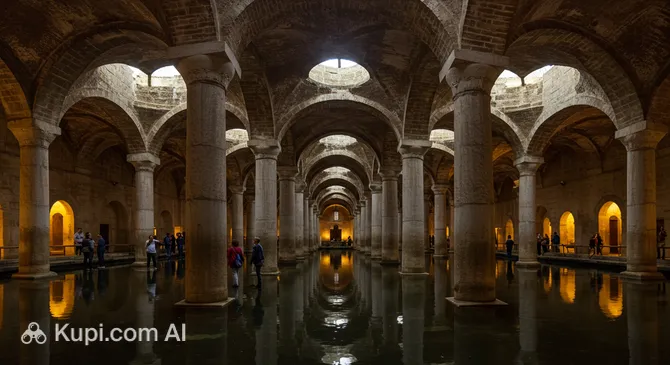
Palombaro Lungo. Illustration.
Source: Kupi.com AI

Traveller photos:

Descending inside, visitors enter a vast, almost cathedral-like hall. Its scale is breathtaking: the vaults rise to a height of up to 15 meters, and the total capacity of the cistern is estimated at approximately 5 million liters of water. The atmosphere here is mysterious and majestic, and the walls, bearing the marks of water, tell a silent story of the city's past.

Palombaro Lungo is a prime example of ancient hydraulic solutions created to collect and store rainwater and spring water in the arid climate of southern Italy. This reservoir was part of a complex system of channels and cisterns permeating the entire historical center. Today, it is one of Matera's most impressive sights, offering a glimpse into a hidden underground world and the genius of its creators.

Contacts

Palombaro Lungo is one of the most impressive historical landmarks in Matera. Since this is a major tourist site, it is recommended to check the official website or local tourist information centers for the latest information on opening hours, ticket prices, and visiting conditions. This will help you plan your visit and avoid any inconvenience.

How to contactContact
AddressPiazza Vittorio Veneto, 75100 Matera MT, Italy
Phone+39 339 363 8332

What to Do

Visiting Palombaro Lungo is a unique opportunity to descend into the very heart of Matera and explore the grand underground cistern that supplied the city with water for centuries. The main activity here is walking along specially equipped bridges and walkways suspended over the water. This allows you to safely move through the vast halls while feeling the scale and grandeur of this ancient hydraulic structure.

During the tour, you will be treated to mesmerizing views of massive stone vaults and columns carved directly into the rock. You can examine the walls, where tool marks from ancient craftsmen are still visible, and peer into the catchment wells. This is not just a walk, but a true immersion into the history of engineering. Guides will explain the clever methods of water collection and filtration used by the city's inhabitants.

The tour route through Palombaro Lungo often includes other hidden treasures. You can see the remains of the ancient Church of Santo Spirito, located below the level of the modern square, as well as the ruins of a medieval market and the foundation of one of the old Aragonese towers. This makes the visit even more fulfilling and educational, allowing for a deeper understanding of the history and layout of this amazing city in Italy.

Getting There

Getting to Palombaro Lungo is quite easy, as this unique underground cistern is located in the heart of the historical center of Matera. Its entrance is situated directly under the city's central square — Piazza Vittorio Veneto. If you are already in the old town, the most convenient way is on foot. Thanks to its central location, the walk from most hotels and other attractions in the Sassi di Matera will take just a few minutes.

For those arriving in Matera by public transport, the route is also straightforward. The city is connected by rail and bus to the region's major transport hubs, such as Bari and Naples. From Matera's central railway station, you can walk to Piazza Vittorio Veneto in about 10–15 minutes. Simply follow the signs toward the historical center.

If you are traveling by car, keep in mind that traffic in Matera's historical center is restricted (ZTL zone). The best solution is to leave your car in one of the paid parking lots located on the outskirts of the old town and continue on foot. This will not only save you time and stress but also allow you to enjoy the picturesque streets of this amazing city on your way to Palombaro Lungo.

Nearest city: Matera

History & Facts

Palombaro Lungo is not just an attraction, but a true engineering marvel hidden beneath the streets of Matera. Essentially, it is a giant underground cistern for rainwater harvesting, one of the largest in the city. Its history dates back to the 13th century, when the growing population needed a reliable water supply. In the 19th century, the reservoir was significantly expanded to meet increased demand. A unique system of channels collected water not only from roofs and streets but was also replenished by underground springs, making Matera one of the most drought-resistant cities in the region.

Despite its importance, Palombaro Lungo shared the fate of many ancient structures in the 20th century. During active urbanization and the construction of new buildings, the cistern was gradually forgotten and partially filled in. This masterpiece of engineering remained hidden from sight for decades. It was only in the 1980s and 1990s, during road access improvement works, that workers accidentally stumbled upon this grand underground space, reopening it to the world.

Today, Palombaro Lungo is one of the most impressive spots on the tourist map of Italy and a key site on the route through the Matera underground. Visitors can descend into this massive, cathedral-like flooded space to appreciate its scale and acoustics. This place serves as a powerful reminder of the ingenuity and wisdom of ancestors who were able to create such a complex and efficient life-support system using only simple technology.

Time Needed

It is recommended to set aside approximately 40 minutes to one hour for a visit to Palombaro Lungo in Matera. This is plenty of time to explore this impressive underground structure without rushing and to understand its scale and historical significance for the city.

A standard visit often takes the form of a short guided tour, which allows you to learn the most interesting facts about the construction and use of this giant rainwater harvesting cistern. You will also have time to take some striking photos in the unique interiors and simply enjoy the unusual atmosphere of the place. An hour will be more than enough for a complete immersion into the history and architecture of Palombaro Lungo.

Working Hours

Palombaro Lungo, the impressive underground cistern in Matera, is generally open to visitors daily. Opening hours may vary depending on the season and the day of the week, but access is usually available from morning until evening. Since the schedule can change, it is highly recommended to check for the latest information on the attraction's official website or at the city's tourist office before your visit.

Advance booking is often required for Palombaro Lungo, as tours are conducted for limited groups. To avoid disappointment and long lines, especially during the high tourist season, it's best to book tickets online in advance. This will allow you to choose a convenient time and guarantee your spot on a tour of this unique engineering structure.

9:30 – 13:30, 3:00 – 19:00

Nearby

Visiting Palombaro Lungo is an unforgettable experience, but exploring its surroundings can make your trip to Matera even more fulfilling. This ancient city, carved into the rocks, is full of hidden treasures, and every corner holds its own story. Strolling through the nearby streets will allow you to dive deeper into the unique atmosphere of the Sassi di Matera and discover other amazing sites.

Just a few minutes' walk from Palombaro Lungo, you'll find iconic churches, cozy restaurants, and other interesting sights. This is a great opportunity to continue your exploration without spending much time on travel. Below is a list of attractions located nearby.

NameDistance
Il Rusticone0.1 km
Il Fiore del Latte0.1 km
Church of Saint John the Baptist0.1 km
Tramontano Castle0.3 km
Casa Cava0.3 km
Casa Grotta 'Once Upon a Time...'0.3 km
Dedalo - Sensi Sommersi0.3 km

Reached the bottom of the page?

Looks like you know this route inside out