The Pompeii Archaeological Park is one of the most impressive historical sites not only in Italy but in the entire world. This vast open-air museum consists of the ruins of an ancient Roman city that was instantly buried under a layer of volcanic ash and pumice during the catastrophic eruption of Vesuvius in 79 AD. Thanks to this natural preservation, the city has remained remarkably intact, offering a unique opportunity to look into the past and see life in the Roman Empire as it was almost two thousand years ago.
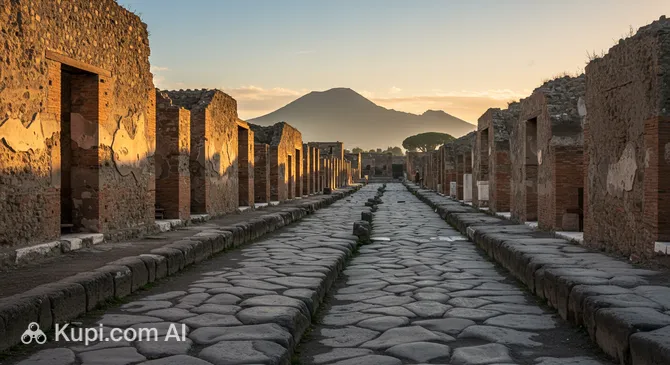
Across the park's vast territory, covering about 66 hectares, visitors can explore paved streets, look into the homes of wealthy patricians and the modest dwellings of craftsmen, see ancient temples, two theaters, thermal baths, and even snack bars (thermopolia) where life once buzzed. There are about 1,500 buildings here, many of which are decorated with well-preserved frescoes and mosaics depicting the daily life, beliefs, and art of its inhabitants.
Traveler photos:
A visit to Pompeii is a true immersion in history. The plaster casts of the victims' bodies, created by archaeologists by filling the voids left in the hardened ash, are particularly moving. These figures, frozen in time, convey the full tragedy of the last day of Pompeii and make this place not just an archaeological monument, but a living testimony of history.
The significance of this unique complex was recognized globally: in 1997, the Pompeii Archaeological Park was included in the UNESCO World Heritage List. Today, it is one of Italy's most visited attractions, drawing millions of tourists wishing to touch the great and tragic past of the ancient world.