Pompeii is not just ruins, but an entire ancient Roman city frozen in time. Located within the modern city of Pompeii, in the Campania region of sunny Italy, this unique archaeological site was tragically buried under a layer of volcanic ash during the catastrophic eruption of Mount Vesuvius in 79 AD. Thanks to this event, Pompeii was preserved in remarkably good condition, providing modern visitors with a rare opportunity to glimpse into the daily lives of people who lived nearly two thousand years ago.
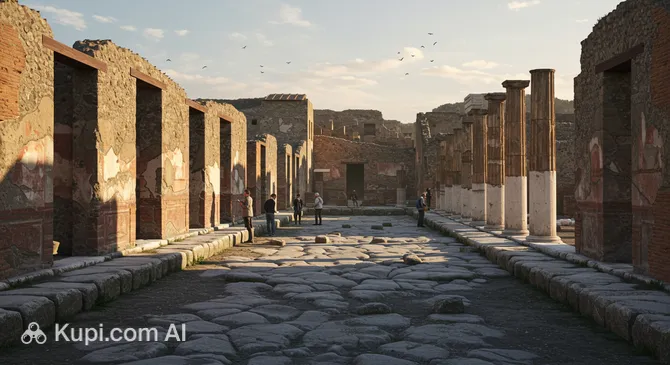
Traveller photos:
Today, Pompeii is one of the world's largest open-air archaeological parks, covering an area of about 66 hectares. It is not only the country's second most visited attraction after the Roman Colosseum but also a UNESCO World Heritage Site since 1997, attracting researchers and tourists from all over the world with its incredible preservation and scale.
A visit to Pompeii is a real journey through time. Here, on a vast territory, about 1,500 buildings have been preserved: from luxurious villas of the nobility with frescoes and mosaics to modest dwellings of artisans, from bustling forums and markets to majestic amphitheaters, public and private baths, gladiator barracks, and ancient temples. Every stone here holds a story, allowing you to see and feel the atmosphere of an ancient Roman city whose existence was suddenly interrupted.