Support

Teatro di San Carlo

About

The Teatro di San Carlo is not just an opera house, but a true jewel of the cultural life of Naples and all of Italy. Located in the heart of the city, it proudly holds the title of the oldest continuously active opera house in Europe and the world, as its doors first opened to the public back in 1737. Since its founding, San Carlo has been one of the most prestigious musical centers in Europe, particularly in the 18th century.
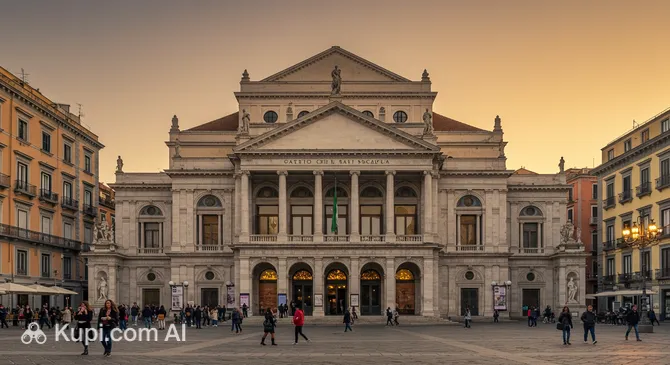
Teatro di San Carlo. Illustration.
Source: Kupi.com AI

Traveler photos:

The theater building impresses with its architectural splendor and luxurious interior. The famous auditorium, decorated in blue and gold tones—the official colors of the House of Bourbon—can accommodate thousands of art lovers. The hall's magnificent acoustics deserve special mention, ensuring that every performance here becomes a truly unforgettable event.

The Teatro di San Carlo is not only a historical monument but also an active cultural center that plays a vital role in the life of Naples and is one of its symbols. Visiting this legendary place offers a unique opportunity to touch the rich history of world opera and enjoy the highest level of performance within the walls that have seen the greatest artists of the past and present.

Contacts

To find the latest information on the repertoire, ticket availability, and opening hours of the Teatro di San Carlo, it is best to consult its official website. The theater's main contact details are provided below for your convenience.

How to contactContact
AddressVia San Carlo, 98, 80132 Napoli NA, Italy
Phone number+39 081 797 2331
Websitewww.teatrosancarlo.it

What to Do

At the Teatro di San Carlo, you have a unique opportunity to immerse yourself in the world of high art. The main reason thousands of visitors flock here is, of course, the world-class opera and ballet performances. The theater's playbill is regularly updated and includes performances by leading opera singers, renowned conductors, and famous ballet companies from all over the world. Additionally, the venue hosts classical music concerts and various cultural events, so there is always a chance to attend a premiere or a performance by a global star.

For those who want to get to know the history and architecture of this legendary place more deeply, the Teatro di San Carlo offers fascinating guided tours. During these tours, you can walk through its magnificent historical halls, peek behind the scenes, and learn interesting facts about its centuries-old history. Special attention is paid to unique decorative elements, such as the famous royal box and antique mirrors that reflected the brilliance of countless premieres. This is a wonderful opportunity to feel the atmosphere of one of Europe's main musical stages and touch its past.

Getting There

Getting to the Teatro di San Carlo in Naples is quite simple, thanks to its prime location in the very heart of the city. The theater is in close proximity to iconic landmarks such as Piazza del Plebiscito and the Galleria Umberto I. If you are already exploring the historic center of Naples, you will most likely be able to reach the theater on foot, enjoying the city views along the way.

For those who prefer public transport, there are several convenient options. You can use the Naples Metro; the nearest stations are Municipio (Line 1) or Toledo (Line 1), which are within walking distance of the theater. Additionally, numerous city bus routes stop near the theater. Of course, you can always opt for a taxi, which will take you directly to the entrance from any point in the city.

Given that major hotels, restaurants, and public transport stops are located near the Teatro di San Carlo, visiting it is easy to fit into any tourist itinerary around Naples. Whether you are planning an evening at the opera or simply want to see this famous building, getting here will be no trouble at all.

Nearest city: Naples

History & Facts

The history of the Teatro di San Carlo in Naples began with a royal decree. Its construction was initiated by King Charles VII of Naples and Sicily (later known as Charles III of Spain), who sought to gift the city a new, more magnificent theater to replace the outdated San Bartolomeo theater. The project was entrusted to architects Giovanni Antonio Medrano and Angelo Carasale. The grand opening took place on November 4, 1737, making San Carlo truly unique: it is 41 years older than Milan's famous La Scala and 51 years older than Venice's La Fenice.

The first opera performed on the stage of the new theater was "Achille in Sciro" by composer Domenico Sarro, marking the beginning of a brilliant musical history. However, the theater's fate was not always smooth. In 1816, a devastating fire almost completely destroyed the building. But thanks to the incredible efforts and talent of architect Antonio Niccolini, the Teatro di San Carlo was rebuilt in record time—just nine months. This was a true miracle of engineering and organization for that era.

By January 1817, the renovated theater reopened its doors to the public, marking the occasion with the premiere of the opera "Il sogno di Partenope" by Johann Simon Mayr. Throughout its long history, the Teatro di San Carlo has undergone several renovations, but each was carried out with great respect for its original appearance. Thanks to this, visitors today can enjoy not only magnificent productions but also the unique historical atmosphere that reigns within its walls, making every visit an unforgettable journey through time.

Time Needed

When planning a visit to the Teatro di San Carlo, you should expect to spend between 1.5 to 3 hours for a full experience. This time, according to general recommendations, will allow you either to join a guided tour of the historic building to appreciate its grandeur and learn interesting facts, or to enjoy one of the performances, immersing yourself in the atmosphere of high art.

If your primary interest is a tour of the theater itself, it usually takes about an hour to an hour and a half. During this time, you can see the famous auditorium, the royal box, and other remarkable interiors. If you plan to attend an opera, ballet, or concert, the duration of the performance itself can vary from two to three hours, or sometimes longer, depending on the production and including intermissions. Therefore, to optimally plan your visit to this famous theater in Naples, we recommend checking the tour schedule and performance playbill in advance.

Working Hours

The opening hours of the Teatro di San Carlo depend directly on the performance and tour schedule. Generally, the theater box office and tour groups are available during the day, while evening hours are dedicated to opera and ballet productions. Since the repertoire and event times can change, it is highly recommended to check the current schedule on the theater's official website or other reliable sources before planning your visit.

Given the popularity of the Teatro di San Carlo, especially for landmark performances and tours, it is strongly recommended to book tickets in advance. This will help you guarantee a seat and avoid disappointment, particularly during the peak tourist season. Information on ticket availability and booking methods can also be found on the theater's official website. The theater welcomes visitors year-round, offering a diverse program throughout the different seasons.

10:00 – 18:00

Nearby

A visit to the Teatro di San Carlo is a highlight in itself, but exploring its surroundings can make your trip to Naples even more rewarding and memorable. The historic city center, where the theater is located, literally breathes history, and every corner holds its own secrets and treasures. A stroll through the nearby streets will allow you to immerse yourself deeper into the atmosphere of Naples, discover other significant sites, and gain a more complete impression of this amazing city in Italy.

Near the Teatro di San Carlo, there are many other attractions that deserve your attention. From majestic palaces and squares to cozy galleries and atmospheric neighborhoods, everyone will find something interesting here. Below is a list of some of them, along with approximate distances, to help you plan your route.

NameDistance
Galleria Umberto I0.1 km
Royal Palace of Naples0.1 km
Castel Nuovo0.3 km
Naples Underground0.4 km
Cammarota Spritz0.5 km
Bourbon Tunnel0.7 km
Mannajuolo Palace0.8 km

Have you reached the end of the page?

So the route has been studied inside and out