The Capitoline Museums (Musei Capitolini) are not just a museum, but a true cultural symbol, as they are considered the first public museum in the world to open its doors to everyone. Located atop the legendary Capitoline Hill in Rome, Italy, this complex offers a unique opportunity to immerse yourself in the history and art of the Eternal City. Its history dates back to 1471, when Pope Sixtus IV donated a collection of ancient bronzes to the people of Rome.
Traveler photos:
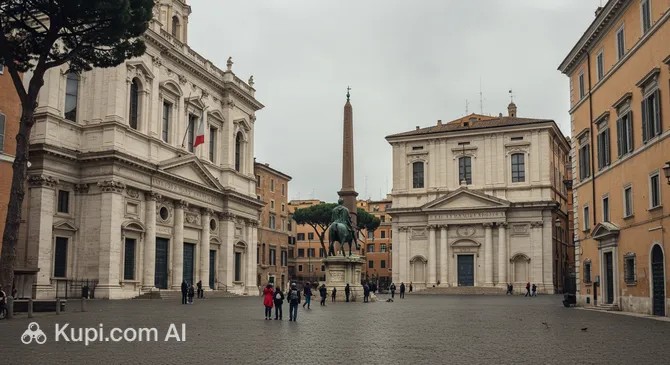
The museum complex occupies several majestic buildings framing the famous Piazza del Campidoglio, designed by the Renaissance genius Michelangelo Buonarroti. The main exhibitions are housed in two palaces facing each other: Palazzo dei Conservatori (Palace of the Conservators) and Palazzo Nuovo (New Palace). These buildings are connected by an underground passage—the Galleria Lapidaria, where ancient artifacts are also displayed.
Inside, visitors will find an impressive collection of ancient Roman sculptures, busts of emperors and philosophers, and medieval and Renaissance art. Among the most famous exhibits are the original equestrian statue of Marcus Aurelius, the Capitoline Wolf, the "Dying Gaul," and the "Capitoline Venus." A walk through the halls of the Capitoline Museums is not just a viewing of exhibits, but a real journey through the centuries, allowing you to touch the greatness and rich heritage of Rome.