The Colosseum, also known as the Flavian Amphitheatre, is a majestic architectural monument and one of the most recognizable symbols of Ancient Rome. Located in the heart of Rome, the capital of Italy, this monument is the largest amphitheater ever built in the Roman Empire. For nearly two millennia, its grand ruins have stood as a reminder of the civilization's past power, attracting travelers from all over the world.
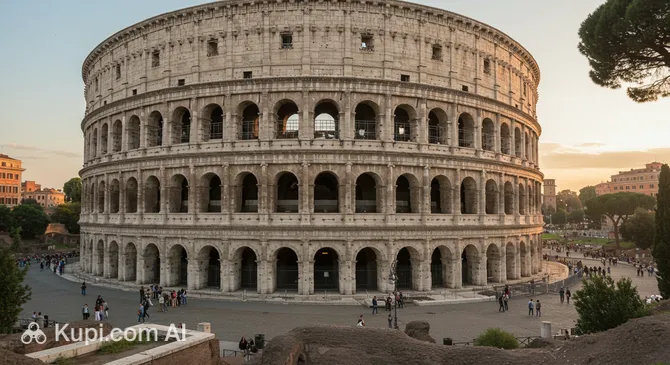
Traveler photos:
The scale of the Colosseum is still breathtaking today: its height reaches 48 meters, and its elliptical shape measures approximately 188 by 156 meters. This grand structure embodied the key principles of Roman architecture—the alternation of massive walls and elegant arcades, creating a sense of spaciousness and grandeur. Initially, the amphitheater could hold over 50,000 spectators who came here to witness gladiatorial fights, wild animal hunts, and even staged naval battles.
Construction of the amphitheater was begun by Emperor Vespasian in 72 AD and completed by his son Titus in 80 AD. Today, the Colosseum is not only an outstanding historical site but also one of the New Seven Wonders of the World, highlighting its exceptional cultural significance for all of humanity. Visiting the Colosseum is a unique opportunity to touch ancient history, feel the atmosphere of ancient spectacles, and see with your own eyes one of the greatest engineering achievements in history.