Support

Pietrarsa National Railway Museum

About

The Pietrarsa National Railway Museum (Museo Nazionale Ferroviario di Pietrarsa) is not just a museum, but a true symbol of the history of the Italian State Railways. Located in the Naples suburb of San Giovanni a Teduccio, on the border with the Portici municipality, it occupies the site of an old workshop adjacent to the historic Naples-Portici railway line. Visiting this museum is a unique opportunity to experience the origin and development of railway transport in Italy.
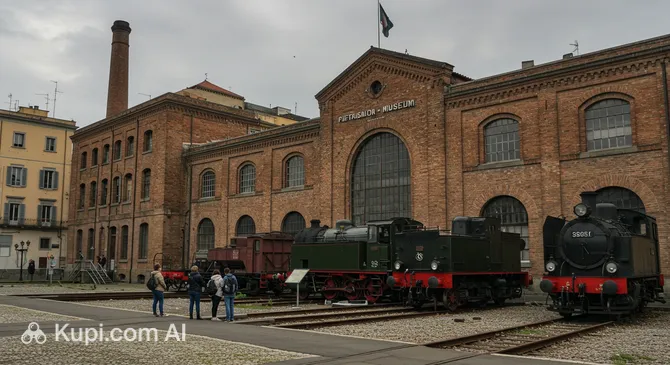
Pietrarsa National Railway Museum. Illustration.
Source: Kupi.com AI

Traveler photos:

Considered one of the largest railway museums in the world, Pietrarsa covers an impressive area of 36,000 square meters. Its extensive collection is housed in the pavilions of an old factory that once served as Italy's first railway equipment workshops. In the courtyard of the museum complex, visitors are greeted by a majestic cast-iron statue of King Ferdinand II of Bourbon, the visionary behind these workshops, which were cutting-edge for their time.

Interestingly, the name of the area where the museum is located has its own history. Originally known as "Pietra Bianca" (White Stone), it was renamed "Pietrarsa" (Burnt Stone) after the powerful eruption of Vesuvius in 1631. This fact adds another layer to the rich history of this unique place, where the past and present of the railway world come to life before the eyes of visitors.

Contacts

For the most up-to-date information on opening hours, ticket prices, and available tours at the Pietrarsa National Railway Museum, we recommend visiting the museum's official website. Useful information and contact details can also often be found at local tourist information centers in Naples or on specialized travel portals.

How to contactContact
AddressVia Pietrarsa, snc, 80146 Napoli NA, Italy
Phone number+39 081 472003
Websitewww.fondazionefs.it

What to Do

Visiting the Pietrarsa National Railway Museum is an engaging journey into the past, allowing you to touch the history of the birth and development of railway transport in Italy. Here you can see unique exhibits that tell of technological breakthroughs and the daily labor of the people who dedicated their lives to the railway. The core of the exhibition consists of impressive steam engines from different eras, including historically significant pieces that clearly demonstrate the evolution of engineering.

Inside the museum halls, true legends capture your attention. You will see the famous "Bayard" locomotive (1839)—the very first steam engine built in Italy, named after the engineer Armand Joseph Bayard de la Vingtrie. Also on display is the unique 1912 Swiss steam locomotive 980.002 with a rack-and-pinion system (Riggenbach system), which ran on the Saline-Volterra line until 1958. Furthermore, the collection includes 1930s railcars and other fascinating examples of railway technology, each with its own unique story.

In addition to the locomotives and carriages, visitors can examine the sector turntable in detail, which vividly illustrates the technical features of past railway infrastructure. The museum's exhibition not only covers technical aspects but also offers a glimpse into the hard work of 19th-century railway workers. Of particular interest are the artifacts related to the construction of Italy's first railway, which connected Naples to the royal residence in Portici, making the visit even more educational and memorable.

Getting There

The Pietrarsa National Railway Museum is conveniently located, and there are several ways to reach it from Naples. The most authentic and themed option is, of course, a train journey, as the museum is closely linked to the history of the railways in Italy and is situated on the site of the first Italian railway depot.

The museum is located right by the Pietrarsa-San Giorgio a Cremano railway station. Trains to this station depart regularly from the main station in Naples, Napoli Centrale (located on Piazza Garibaldi). The trip on a regional train usually takes very little time—around 15-20 minutes—making it a very quick and convenient option. It is recommended to check the current train schedules on the official Trenitalia website or directly at the station before your journey to plan your visit effectively.

In addition to the train, the museum can be reached by other forms of public transport in Naples. For example, there are bus routes heading in this direction, though they may take longer and might require transfers. A taxi is also always an option, especially if you are traveling with small children, in a group, or prefer maximum comfort. A taxi ride from the center of Naples to the museum takes approximately 20-30 minutes, depending on current traffic conditions.

Nearest city: Naples

History & Facts

The history of the Pietrarsa National Railway Museum is inextricably linked to the dawn of the railway era in Italy and the ambitious plans of King Ferdinand II. It was by his royal decree that the first railway workshops of the Kingdom of the Two Sicilies, and later the entire Italian Peninsula, were established. These workshops, founded to develop domestic steam engine production and reduce dependence on foreign technology, became the cradle of Italian railway engineering. Today, the museum stands on this historic site, carefully preserving the memory of those times.

The key event that spurred the development of railway infrastructure and the subsequent creation of the workshops was the opening of Italy's first railway line. This took place in early October 1839, when the route connecting Naples to the royal residence in Portici was launched. The journey along this line, served by two British-made steam locomotives—"Bayard" and "Vesuvius"—took only about ten minutes and was a sensation for its time. This momentous event was immortalized by the artist Salvatore Fergola, and in 2019, the Naples-Portici line celebrated its 180th anniversary.

Notably, one of King Ferdinand II's primary goals, as stated on the inscription of his monument at the museum, was to free the kingdom's technical and industrial development from foreign dependence. The creation of his own railway workshops in Pietrarsa, which now house the Pietrarsa National Railway Museum, was a major step toward this goal. Thus, the museum does more than just showcase old locomotives and equipment; it tells the story of engineering innovation and the drive for self-sufficiency that formed the foundation of the Italian railway industry in Italy.

Time Needed

A typical visitor should set aside approximately 2-3 hours to tour the Pietrarsa National Railway Museum. This is generally enough time to explore the main collection, see the key exhibits, and soak in the atmosphere of the birth of the Italian railways without feeling rushed.

If you are short on time, even 1.5-2 hours is enough to get a general overview of the museum by viewing the most famous locomotives, such as the "Bayard" and the unique Swiss steam engine, as well as peeking into the pavilions with other historical carriages and equipment. However, for a more thorough study of the details, reading the information boards, and fully immersing yourself in the history of each unique exhibit—including the sector turntable and materials on the construction of the first Naples-Portici line—you may need more time, perhaps up to 3-4 hours.

Overall, to get the most out of your visit to the Pietrarsa National Railway Museum and truly appreciate its rich collection and historical significance to Italy, it is recommended to plan for at least two hours. Railway and history enthusiasts will undoubtedly find enough of interest here to spend most of the day.

Working Hours

The Pietrarsa National Railway Museum is generally open to visitors year-round; however, exact opening hours can vary depending on the season, the day of the week, or special events. To get the most up-to-date information on the museum's schedule, we strongly recommend visiting the official museum website or contacting them directly before planning your visit. This will also allow you to learn about any potential schedule changes due to holidays or maintenance.

Regarding the need for advance ticket booking, it may not always be mandatory for individual visitors, but during peak tourist seasons or for group tours, advance reservation is often recommended or even required. Checking this on the official website will help you avoid queues and guarantee entry to the museum at a time convenient for you. Thus, verifying the information in advance will ensure a comfortable and informative visit to this unique historical site in Naples.

DayOpening hours
MondayClosed
TuesdayClosed
WednesdayClosed
Thursday9:30 – 20:00
Friday9:00 – 17:30
Saturday9:30 – 19:30
Sunday9:30 – 19:30

Nearby

A visit to the Pietrarsa National Railway Museum is, without a doubt, a fascinating immersion into the history of Italian railways. However, your exploration of Naples and its surroundings can be even richer if you take the time to explore what is nearby. Often, these small discoveries and additions to the main itinerary provide the most vivid impressions and allow you to feel the atmosphere of the place more deeply.

Combining a museum visit with a walk through nearby attractions or points of interest will help you create a more complete and diverse program for your day. Whether it's other historical sites, picturesque spots, authentic cafes, or simply the chance to see daily life in Italy, exploring the area around the Pietrarsa National Railway Museum is definitely worth your attention.

Here are a few interesting places located near the museum that might interest you:

NameDistance
Granatello Marina Nightclub1.9 km
Herculaneum Archaeological Park2.8 km
Vesuviuslandia4.5 km
Sfogliatelle Attanasio5.6 km
Castel Nuovo6.1 km
La Locanda Gesù Vecchio6.1 km
Castel dell'Ovo6.2 km

Have you reached the end of the page?

So the route has been studied inside and out