Support

Aira

About

Aira is a charming and cozy city located in southern Japan, in Kagoshima Prefecture on the picturesque island of Kyushu. With a population of about 76,610 people, Aira harmoniously combines the measured rhythm of provincial life with well-developed infrastructure, all while preserving the unique atmosphere of the Japanese countryside.
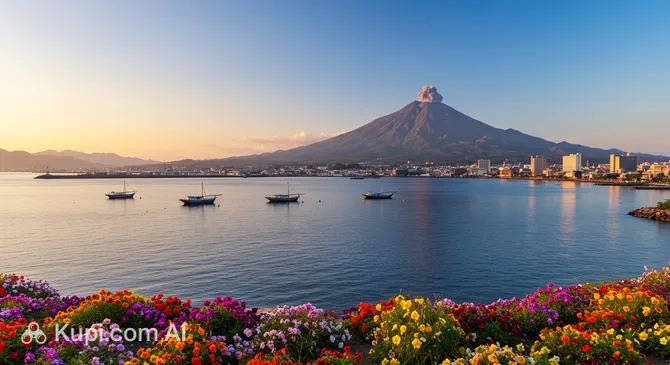
Aira. Illustration.
Source: Kupi.com AI

The city is nestled among green hills and valleys, just a few dozen kilometers from the coast of Kagoshima Bay, which provides it with a mild climate and stunning views of the surrounding natural beauty. Aira serves as an important administrative center in its district, but it also carefully preserves traditions that are seamlessly interwoven with modernity.

Aira is famous for its tranquility and hospitality, offering visitors the chance to take a break from the hustle and bustle of megacities. Here, you can enjoy leisurely strolls along cozy streets, visit interesting historic mansions, ancient temples, and scenic nature parks. This place is ideal for those seeking an authentic experience and wishing to discover the lesser-known corners of the Land of the Rising Sun.

If you dream of discovering the real, non-touristy Japan, feeling its peaceful atmosphere, and enjoying the beauty of nature, Aira will be an excellent choice for your journey.

You can find more interesting facts on the history of Aira page.

Weather Overview

The weather in Aira has clearly defined seasons. Summer is warm, especially in August when the average temperature reaches 27.7°C (maximum up to 30.5°C); July is also very warm with an average temperature of 26.7°C. Summer months bring the most precipitation: June stands out for the total volume (16 mm), and July for the number of rainy days (24 days). Winters in Aira are cool, with average temperatures around 7.8°C in January and 8.9°C in December, which are the driest months of the year (only 2 mm of precipitation and 8-9 rainy days). Overall, Aira is characterized by warm summers with occasional rain and cool, dry winters. You can learn more on the Aira Climate page.

Average monthly temperature

Average monthly precipitation

Interesting Facts

In addition to its picturesque landscapes and modern amenities, the city of Aira holds many amazing stories and unique features that not all travelers know about. Here are just a few interesting facts to add some flavor to your acquaintance with this place:

  • In Aira grows a true natural wonder – the giant camphor tree Kamo no Okusu. The age of this giant exceeds a thousand years, and its mighty trunk, which has become a symbol of the city, is shrouded in legends of longevity and is an object of worship.

  • The city offers a unique opportunity to peek into the samurai past. The ancient Kamounobuke House (Kamounobuke-teukan) is preserved here, where visitors can immerse themselves in the atmosphere of the Edo period and learn about the daily life of Japanese warriors and their families.

  • One of the unexpected architectural gems of Aira is the Yamada Triumphal Arch (Yamada Triumphal Arch). This structure, not quite typical for traditional Japanese buildings, has become an integral part of the historical heritage and a recognizable symbol of the city.

  • The spiritual heart of the region is considered to be the Kamo Hachiman Shrine (Kamo Hachiman-jingū). This site, where pilgrims visit annually, is surrounded by many local myths and legends, giving it a special atmosphere.

How to Get There

There are several ways to get to the city of Aira, located in Kagoshima Prefecture, but for most tourists, the most convenient option is a flight to one of the nearby airports.

The main air hub serving the region is Kagoshima Airport (KOJ). It is located in Kagoshima, just 12.1 km from the center of Aira. This is a major airport with significant passenger traffic, handling both domestic and some international flights. The trip by taxi or car from the airport to the center of Aira takes about 30-40 minutes. Another option is Miyazaki Airport (KMI), located in the city of Miyazaki at a distance of approximately 79.6 km from Aira. This is also a fairly large airport, and the drive from there to Aira usually takes about 1.5 hours, depending on road conditions. You can also consider Kumamoto Airport (KMJ), located in Kumamoto, about 124.8 km from Aira. The car journey from this airport to Aira will take approximately 2-2.5 hours.

For clarity, here is a summary of the main airports you can use to reach Aira:

AirportPassenger trafficDistance
Kagoshima Airport5.5 mln12 km
Miyazaki Airport3.3 mln80 km
Amakusa73 06594 km
Kumamoto Airport2.9 mln125 km
Tanegashima171 673129 km

Regarding rail connections, the data mentions Sønderborg Station. It is listed as being in the city of Sønderborg, at a distance of approximately 160.5 km from Aira. Given this significant distance and its location, for most tourists heading to Aira, this option is likely not practical. Travelers are recommended to check information regarding rail stations of the JR Kyushu network or other local lines serving Kagoshima Prefecture to find more convenient routes to Aira.

Below is information about the railway station mentioned in the data:

StationPassenger trafficDistance
Sønderborg Station160 km

In addition to flights, Aira can be reached by car using Japan's extensive road network, especially if you are traveling around the island of Kyushu. It is also worth considering local bus routes that connect Aira with major cities in Kagoshima Prefecture.

Main Attractions

The city of Aira, located in Kagoshima Prefecture, offers travelers unique natural and cultural attractions. Here you can touch antiquity, enjoy the beauty of nature, and feel the peaceful atmosphere of the Japanese province.

One of the main gems of Aira, attracting visitors from all over Japan and abroad, is the Great Camphor Tree of Kamo (Kamo no Ōkusu). This mighty tree, estimated to be over 1,500 years old, is considered one of the largest and oldest in the country. It grows on the grounds of the Kamo Hachiman Shrine and is striking in its size and vitality. A visit to this natural monument leaves a lasting impression and allows you to feel the connection between eras.

Nature lovers should definitely see the Ryumon Waterfall (Ryūmon-daki). This picturesque waterfall, about 46 meters high and 43 meters wide, is surrounded by lush greenery, creating a peaceful atmosphere. The sound of falling water and the fresh air make this place ideal for relaxation and contemplation. It is especially beautiful here during the cherry blossom season or the autumn leaf fall.

For those looking for a relaxing time by the water, Shigetomi Beach (Shigetomi Kaigan) is a great choice. This beach is known for its shallow waters that are exposed at low tide, creating vast spaces for walking. From here, you have a beautiful view of Kinko Bay and the majestic Sakurajima volcano. It is an excellent spot for family vacations, picnics, and observing marine life.

Directly connected to the Great Camphor Tree, the Kamo Hachiman Shrine (Kamo Hachiman-jingū) is an important cultural site in its own right. This Shinto shrine has a rich history where you can learn about local religious traditions and architecture. The calm and spiritual atmosphere of the shrine is perfect for reflection and getting to know Japanese culture.

Local Cuisine

The gastronomy of Aira is a fascinating journey into the culinary traditions of southern Kyushu, where special attention is paid to the freshness and quality of local products. Vegetables, rice, and seafood come to the table straight from the surrounding farms and coast, creating the foundation for rich and authentic flavors. The city's cuisine will delight both connoisseurs of traditional Japanese dishes and seekers of new gastronomic experiences.

Among the dishes you should definitely try in Aira is Kagoshima Ramen – a hearty soup with tender meat and a rich broth that has become a hallmark of the region. Also, don't miss the opportunity to enjoy local variations of yakitori – skillfully charcoal-grilled chicken skewers. A special pride of Aira and all of Kagoshima Prefecture are dishes made from chicken and "satsuma-imo" (sweet potato), which is grown in abundance here. These ingredients often form the basis for many everyday and festive treats.

You can end your meal or just have a snack with local sweets, often made from rice and sweet adzuki bean paste. As for drinks, Aira, like the entire region, is famous for its sake. Local varieties are produced from pure water and selected rice, giving them a unique taste. Of course, traditional Japanese non-alcoholic drinks, such as various types of green tea, are always available as well.

The food culture in Aira is diverse: you can enjoy local delicacies in traditional restaurants or try street food from busy stalls. Farmer's markets deserve special attention, where you can not only buy the freshest products but also immerse yourself in an authentic atmosphere. If you are lucky enough to be in Aira during one of the culinary festivals, it will be an excellent opportunity to get acquainted with the variety of local cuisine and try seasonal dishes from the best chefs.

Travel Tips

Welcome to Aira! To make your trip to this charming corner of Japan as comfortable and memorable as possible, we have prepared some practical tips. They will help you navigate the local area better and enjoy every moment of your stay.

  1. Clothing and Essentials: The climate in Aira (Kagoshima Prefecture) is subtropical, with hot, humid summers and mild winters. In summer, choose light, breathable clothing; for spring and autumn, a layered wardrobe is suitable, while a warm jacket will be useful in winter. A raincoat or umbrella will be handy any time of year, especially during the rainy season (usually June-July). Be sure to bring comfortable walking shoes, sunscreen, a hat, and sunglasses. You will need an adapter for Japanese power outlets (Type A). When visiting temples and shrines, try to dress modestly (covered shoulders and knees are preferred if you plan to enter main buildings), and don't forget to remove your shoes before entering temple structures and private homes.

  2. Transport: You can get around Aira and its surroundings by local buses. Also, JR Kyushu railway lines (such as the Nippo Line) pass through or near the city, connecting Aira with other cities in the prefecture and the country. There is no metro or tram system in a city of this size. Taxis are available but can be quite expensive for long trips. Taxi apps like JapanTaxi or Go may work, but standard taxis are more common. Renting a car can be a good option if you plan to actively explore Kagoshima Prefecture, especially its natural attractions. Remember that Japan has left-hand traffic, and you will need an International Driving Permit.

  3. Finance: Japan's official currency is the Japanese Yen (JPY, ¥). It is recommended to exchange some money upon arrival in Japan, for example, at the airport or in banks in major cities, as currency exchange options in Aira may be more limited. Credit cards (mainly Visa and Mastercard) are accepted in many hotels, large shops, and restaurants. However, in smaller establishments, local shops, and markets, cash may be preferred, so always carry a certain amount with you. ATMs that accept international cards can usually be found in post offices (Yucho Bank) and at 7-Eleven convenience stores (Seven Bank ATMs). Tipping is not customary in Japan – good service is considered the norm, and attempting to tip might cause confusion.

  4. Health and Safety: Pharmacies (薬屋, kusuriya or ドラッグストア, doraggusutoa) are easy to find in Japan and offer a wide range of over-the-counter medicines. However, staff may not always speak English, and there may be few 24-hour pharmacies in a city the size of Aira. Be sure to take out travel medical insurance before your trip, as medical services in Japan can be expensive for foreigners without insurance. Japan is generally a very safe country with a low crime rate, and Aira is no exception. Follow standard precautions: keep an eye on your belongings and be aware of basic procedures in case of an earthquake, as Japan is in a seismically active zone.

  5. Communication: The official language is Japanese. In smaller cities like Aira, the level of English proficiency among the local population may not be high, especially among the older generation. Try to learn a few basic Japanese phrases, such as: "Konnichiwa" (こんにちは) – Hello/Good day, "Arigato gozaimasu" (ありがとうございます) – Thank you very much (polite), "Sumimasen" (すみません) – Excuse me/I'm sorry. For communication convenience, consider purchasing a tourist SIM card or renting a pocket Wi-Fi device upon arrival in Japan (e.g., at the airport). Free Wi-Fi may be available in some public places, such as train stations, certain shops, or cafes. Having a translator app on your phone (like Google Translate with a pre-downloaded Japanese language pack) will be very helpful.

  6. Local Etiquette: When greeting someone, Japanese people usually bow; the depth of the bow depends on the situation and the status of the person (a slight nod is usually enough in informal settings). In public places, especially on transport, it is customary to speak quietly and not disturb others. Avoid eating and drinking while walking (except in designated areas). Stand patiently in queues – it's an important part of Japanese culture. Always remove your shoes before entering Japanese homes, some temples, traditional restaurants (especially those with tatami), and ryokans (traditional inns). Politeness (teinei, 丁寧) and respect for others are highly valued.

  7. What to Avoid: Never stick your chopsticks vertically into a bowl of rice – this is associated with funeral rituals and is considered a very bad omen. Try not to have loud conversations in public places, especially on trains and buses, where silence is valued. It is also considered impolite to point at people or objects with one finger; use a gentle gesture with your whole palm instead.

  8. Special Tip for Aira: Use your stay in Aira as an opportunity to explore the rich nature and interesting history of Kagoshima Prefecture. The city is conveniently located relative to Kirishima-Kinkowan National Park, which offers great prospects for hiking, admiring volcanic landscapes, and views of Kagoshima Bay. Don't miss the chance to try famous local dishes, such as "kurobuta" pork or "satsuma-imo" sweet potato. If you have the chance, visit one of the local onsens (hot springs) to relax and experience an important part of Japanese culture.

We hope these tips help you plan an unforgettable trip to Aira. We wish you bright impressions and a pleasant stay in this beautiful corner of Japan!

Entertainment & Nightlife

Aira, a charming city in Kagoshima Prefecture, offers its guests a cozy and authentic atmosphere for evening relaxation. While you won't find the same scale of nightlife here as in Tokyo or Osaka, Aira is capable of surprising you with pleasant spots for those seeking quiet and soulful entertainment after sunset.

As in many Japanese cities of this size, the main evening activity in Aira is concentrated around traditional Japanese pubs – izakaya. These establishments offer a wide selection of local dishes and drinks, including sake and shochu, and are a great place to immerse yourself in the local culture and chat with residents. You can also find small bars with a more intimate setting and, of course, the ever-popular karaoke bars. Such venues are most commonly found near Aira Station or on busy streets adjacent to the city's main commercial arteries, such as the alleys off Chuo-dori (Central Street). For example, you might drop into a typical izakaya like "Kagoshima-no Aji" (Taste of Kagoshima), which serves local specialties, or a small cozy bar like "Kokoro-no Tomo" (Heart's Friend) for a quieter evening. For those who love to sing, karaoke boxes like the hypothetical "Utagoe Hit" (Singing Hit) are popular.

The atmosphere in evening Aira is more relaxed and welcoming than noisy and club-like. Most establishments cater to locals, which gives them a special charm. Izakayas usually open in the early evening and stay open until late at night; bars may start later and close after midnight. The dress code in most places is quite casual, and no special preparation is required. The best time to visit is a Friday or Saturday evening when the city comes alive.

As for practical tips, prices in Aira's establishments are generally more moderate compared to large metropolises. Some small places may prefer cash, so keep that in mind. To get back to your hotel late at night, taxis are the most convenient option. Although public transport in Japan is excellently developed, its service may end before late at night, especially in smaller cities.

Aira, like most cities in Japan, is considered a very safe place for night walks. However, it is always wise to take standard precautions, especially if walking alone. If you need a taxi, it can be called by phone, through an app (if local services are available), or found at designated taxi stands.

During the day, Aira also offers leisure options. You can stroll through local parks, visit small temples or shrines frequently found in Japanese cities, or explore shops with local goods and souvenirs. While Aira may not have major museums or world-class theme parks, its charm lies in its peaceful atmosphere and the opportunity to experience the daily life of the Japanese countryside.

Parks & Museums

The city of Aira, nestled in Kagoshima Prefecture, invites travelers to enjoy the harmony of nature and discover its cultural heritage. Here you will find both peaceful green corners for relaxation and places that preserve the memory of the region's rich history.

For nature lovers, Aira offers several notable sites. Be sure to visit Kamo no Okusu – a giant camphor tree over 1,500 years old. This is not just a tree, but a true national natural monument that inspires awe with its size and antiquity. Its surroundings are a lovely place for a quiet walk and connection with nature. Another scenic spot is Ryumon Waterfall, where cascades of water tumble amidst lush greenery, creating a peaceful atmosphere for contemplation and rest. For those seeking relaxation by the sea, Shigetomi Beach offers not only the chance to relax on the sand but also to enjoy magnificent views of Kinko Bay and the majestic Sakurajima volcano.

To gain a deeper understanding of Aira's history and culture, pay attention to its landmark sites. The Kamounobuke Historic District, known as the Kamo Samurai Residences, is a kind of open-air museum. Walking along its streets, past the preserved houses of the Shimazu clan warriors, allows you to immerse yourself in the atmosphere of feudal Japan and learn about the daily life of samurai. For a more detailed look at the region's past, visit the Aira City Museum of History and Folklore. Here you can see archaeological finds and household items that tell the story of local life over the centuries, as well as exhibits dedicated to the traditional crafts and customs of this land. Another interesting way to understand local culture is to visit one of the city's temples or shrines, where you can observe traditional rituals and feel the spiritual side of life in Aira.

For a complete experience, stop by the local farmer's markets to sample the freshest products from the Kagoshima region, or visit a small traditional craft workshop to see how unique handmade items are created. Such moments allow you to truly feel the authentic spirit of Aira.

Getting Around

Getting around Aira and its surroundings is quite convenient thanks to a public transport system primarily based on buses and trains. Understanding how everything works will help you save time and make your trip more comfortable.

The main form of public transport within Aira is the bus. They connect different areas of the city and nearby settlements. When boarding a bus (usually through the rear or middle door), you need to take a numbered ticket (整理券 - seiriken) if the fare is not fixed or paid via an electronic card. Payment is made when exiting through the front door, next to the driver. The amount due is displayed on a board above the driver corresponding to the number on your ticket. Transport IC cards are also widely used, such as local Kagoshima Prefecture cards (e.g., RapiCa or Iwasaki IC Card) or nationwide Japanese cards (Suica, Pasmo, and others, if accepted by local operators). Using an IC card significantly simplifies the payment process — just tap it on the reader when boarding and exiting.

The JR Kyushu Nippo Main Line passes through Aira, and Aira Station is an important transport hub. Trains are a great way to reach neighboring cities, including Kagoshima, or to travel longer distances. Train tickets can be purchased at station vending machines or ticket offices. IC cards are also accepted on JR lines for fare payment.

The fare payment system in Aira, as in most Japanese cities, is quite transparent. For both buses and trains, the fare often depends on the distance traveled. IC cards can be purchased and topped up at machines at major stations or in some convenience stores. If you plan to move around a lot, getting such a card can be very beneficial. Public transport operating hours cover most of the day, but the last services may depart earlier than in large metropolises, especially on weekdays and evenings. It is recommended to check the schedule in advance, particularly if you plan to travel late at night.

Besides public transport, other travel options are available in Aira. Taxis can be found at stations or called by phone; it is a more expensive but comfortable way to reach your destination, especially with luggage. To explore the surroundings with more freedom, consider renting a car, especially if you plan to visit places difficult to reach by public transport. Bicycle rentals may be available in some areas, providing a wonderful way to leisurely explore the city and its picturesque corners.

Accommodation

When planning a trip to Aira, you will find a variety of accommodation options to suit different preferences and budgets. Standard hotels catering to tourists and business travelers are available in the city, along with potentially more traditional Japanese inns like ryokan or minshuku, which offer a unique cultural experience. Guesthouses and apartment rentals may also be found, though the selection might be more limited compared to major metropolises.

When choosing a place to stay in Aira, look for areas close to main transport hubs or potential points of interest. Generally, central districts are considered the most convenient, as it is easier to reach various sites and the infrastructure is better developed. If you plan to move around the region actively, choose accommodation near train stations or bus stops.

To secure the best accommodation, especially during peak tourist seasons (such as cherry blossom season or autumn foliage), it is recommended to book your stay in advance. This can be done through popular international online booking platforms, Japanese travel sites, or by contacting the hotel directly. Pre-booking often allows you to get better prices and guarantees availability.

The price range for accommodation in Aira varies from budget options to mid-range hotels. There may not be as many luxury resorts as in major tourist centers, but high-quality and comfortable hotels are certainly present. The cost of living will depend on the type of accommodation, its location, the season, and the services provided. It is always helpful to compare several options before making a final decision.

Nearby Cities

For those looking to explore the surroundings, Aira serves as an excellent starting point for day trips to several interesting nearby locations.

One such popular destination is Kagoshima, located just 16 km away. This vibrant city attracts visitors with its majestic active volcano Sakurajima, which dominates the bay, as well as the beautiful Sengan-en gardens and rich samurai history. A trip here promises impressive views and immersion in the region's culture.

Equally attractive is Kirishima (about 13 km from Aira), known for its stunning natural landscapes in the Kirishima-Kinkowan National Park, healing hot springs (onsens), and the ancient Kirishima-jingu shrine. It is an ideal place for outdoor enthusiasts and those seeking peace and spiritual enrichment.

Below is a table with information about cities near Aira that may also be of interest for short trips:

CityPopulationDistance
Kirishima123 81213 km
Sue28 48916 km
Kagoshima593 75416 km
Hioki46 67124 km
Satsuma20 09325 km

These nearby destinations offer wonderful opportunities to experience the diverse culture, history, and natural beauty of Kagoshima Prefecture and the entire Kyushu region.

Shopping & Souvenirs

Shopping in Aira is an opportunity to immerse yourself in the atmosphere of the Japanese province and find authentic goods, rather than a hunt for global brands. The city is more likely to offer cozy local shops and boutiques than massive shopping complexes. Here you can find unique souvenirs and products by local artisans that will serve as pleasant reminders of your trip to Kagoshima Prefecture.

Main shopping spots in Aira are generally concentrated around railway stations and on the city's main streets. Here you can find stores selling everyday necessities, small grocery stalls, pharmacies, and, of course, souvenir shops. A stroll through these streets allows you to better feel the local flavor.

In the city of Aira, you might not find the large multi-story shopping centers common in megacities. If your goal is large-scale shopping with a wide selection of international and Japanese brands, it might be worth considering a trip to larger cities in Kagoshima Prefecture. However, within Aira itself, there may be small local department stores or shopping complexes that meet the basic needs of residents and tourists.

Regarding markets, you are unlikely to find large tourist markets operating daily in Aira. However, look out for potential morning or farmer's markets where locals sell fresh vegetables, fruits, and other products. Sometimes seasonal fairs or festivals are held where you can also purchase local goods and souvenirs.

As souvenirs from Aira and Kagoshima Prefecture as a whole, you can bring back traditional handicrafts. Look for pottery characteristic of this region of Japan, textile products with local patterns, and various local delicacies. These could be sweets made from sweet potato (satsuma-imo), local tea, or other specialties. Of course, small Japanese souvenirs like keychains, magnets, and stationery with cute designs are also popular.

Most shops in Aira likely operate on a schedule standard for Japan: from approximately 10:00 or 11:00 AM to 7:00 or 8:00 PM. Small family-owned shops may have individual operating hours, including a day off during the week. Credit cards (Visa, Mastercard) are accepted in most places; however, cash is still very common and may be preferred in small shops or at markets.

For international tourists in Japan, a tax refund system (Tax Free) is available. Look for shops with the "Japan Tax-free Shop" logo. Typically, to qualify for a tax refund (usually 10%), you need to make a purchase of over 5,000 yen (excluding tax) in one store in a single day. You will need to present your passport at the time of purchase. The procedure usually takes place right in the store at a special counter.

Reached the end of the page?

That means the route is fully explored