Support

Hioki

About

Hioki is a cozy town located in the southwest of Kyushu Island, in Kagoshima Prefecture. It stretches across the picturesque coast of the East China Sea, amidst rolling hills and beautiful beaches, which gives it a special atmosphere and mesmerizing sea sunsets. This place seems designed to slow down the pace, enjoy the fresh sea air, and take a break from the hustle and bustle of the city.

With a population of about 46,671, Hioki retains the charm of an intimate Japanese town where every corner breathes the hospitality and warmth of the locals. The city enjoys a mild climate due to its coastal position. Despite its size, Hioki plays a significant role in the life of the region, being one of the centers of traditional culture and agriculture in Kagoshima Prefecture.
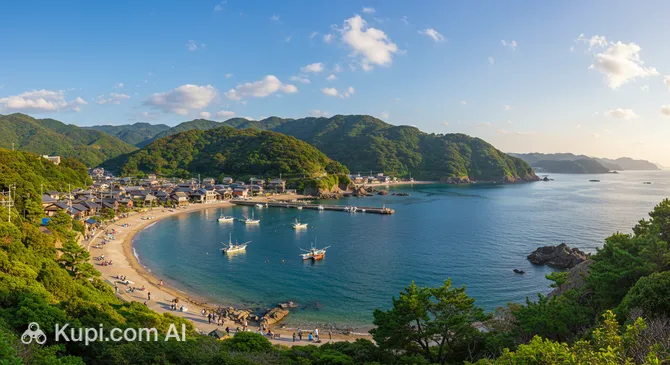
Hioki. Illustration.
Source: Kupi.com AI

Hioki attracts visitors with its leisurely lifestyle, ancient temples, emerald rice fields, and cozy streets where modern Japan and its authentic past blend harmoniously. There is no noise of megacities here, but there is an amazing union of nature, history, and tradition. Among the city's unique features is the opportunity to get acquainted with local crafts and enjoy the magnificent nature that has inspired artists and poets for centuries.

Everyone who dreams of discovering the real Japan, far from standard tourist routes, should visit Hioki. Here you can feel like a part of local life, touch unique traditions, and enjoy the peace and harmony so highly valued in this amazing country.

You can find more interesting facts on the history of Hioki page.

Weather Overview

The climate in Hioki is characterized by a distinct change of seasons. Summer, especially in July and August, is hot and quite humid: the average air temperature stays around 27-28°C (for example, 27.0°C in July and 28.0°C in August), and maximum values can reach 29-30.2°C. The summer months, especially June and July, are the wettest: the peak of precipitation (15 mm) occurs in June, and the maximum number of rainy days (21 days) is observed in July. Winter, by contrast, is cool and drier. In January and December, the average temperature is about 9.1-10.3°C, while the amount of precipitation is minimal (3 mm in each of these months).

Overall, expect a warm summer with occasional rain and cool, relatively dry winters in Hioki. Spring and autumn offer mild and comfortable conditions for visiting. For a more detailed understanding of weather conditions by month, you can check the information on the Hioki Climate page.

Average monthly temperature

Average monthly precipitation

Interesting Facts

In addition to its picturesque landscapes and cultural attractions, the Japanese city of Hioki hides many amazing stories and little-known details that make it truly unique. Ready to learn a few of them?

  • The city of Hioki preserves traces of the ancient settlements of the Yayoi period. Moreover, according to local legends, it was on its coast in ancient times that the first settlers from the mainland landed, making this land one of the key points in the development of Kyushu Island.

  • The surroundings of Hioki are famous not only for rare hot springs but also for picturesque cliffs and caves shrouded in myths. Locals still tell legends about the spirits dwelling in the local forests and mountains and carefully preserve ancient rituals associated with the forces of nature.

  • Hioki is the birthplace of several famous Japanese artists and traditional craft masters. The city is proud of its schools of ceramics and bamboo products, where the secrets of mastery, passed down from generation to generation, allow for the creation of unique works of art.

  • Every year, a bright and original festival dedicated to the harvest takes place in Hioki. During these days, the city streets come alive with the sounds of music, filled with dances and colorful traditional processions, attracting not only locals but also travelers from other regions of Japan.

How to Get There

There are several ways to reach the city of Hioki, located in the Kagoshima Prefecture of Japan. Regional airports usually serve as the main transport hubs for tourists, from where Hioki can be reached by car or public transport.

The main air hub for traveling to Hioki is Kagoshima Airport (KOJ), located in the city of Kagoshima, about 35.4 km from Hioki. This is a major international airport from which Hioki can be reached by taxi or bus in approximately 1 hour and 15 minutes. Also convenient is Miyazaki Airport (KMI), located in the city of Miyazaki at a distance of about 103 km. The trip from there will take approximately 2 hours and 55 minutes; it is also a significant regional airport. Another option is Kumamoto Airport (KMJ) in the city of Kumamoto, about 140 km from Hioki. The road from this major airport to Hioki will take about 3 hours and 50 minutes.

For convenience, here is a summary of the main airports serving the Hioki destination:

AirportPassenger trafficDistance
Kagoshima Airport5.5 mln35 km
Amakusa73 06597 km
Miyazaki Airport3.3 mln103 km
Tanegashima171 673127 km
Kumamoto Airport2.9 mln140 km

As for rail connections, the provided data mentions Sønderborg Station, located in the city of Sønderborg at a significant distance (about 168.4 km). Given its location outside of Japan, this option is not relevant for a trip to Hioki. Travelers planning to reach Hioki by rail are advised to look for major hub stations in Kagoshima Prefecture, such as Kagoshima-Chūō Station, and then use local trains or buses to reach Hioki.

Below is the information about railway stations according to the available data:

StationPassenger trafficDistance
Sønderborg Station168 km

Main Attractions

Hioki, nestled in Kagoshima Prefecture, offers travelers a unique combination of natural beauty, rich history, and traditional crafts. This city may not be as widely known as Japan's megacities, but it holds many treasures that can surprise and charm any inquisitive tourist.

One of the most attractive places in Hioki is Miyama Village (美山), known as the birthplace of the famous Satsuma-yaki pottery. By visiting Miyama, you can not only see how local masters create exquisite products, passing on the secrets of the craft from generation to generation, but also try your hand at pottery in one of the many workshops. This is a great opportunity to touch Japanese culture and take home a unique souvenir made with your own hands. The village also charms with its traditional atmosphere and picturesque streets.

Nature and sea landscape lovers should definitely visit Fukiagehama Beach (吹上浜). This is one of the longest sandy beaches in Japan, stretching for many kilometers along the East China Sea coast. Fukiagehama is famous for its picturesque sunsets, the opportunity to watch sea turtles laying eggs (in season), and the annual sand and flower festival that attracts many visitors. A walk along this endless beach or simply relaxing on its golden sand will give you a sense of freedom and union with nature.

For those looking for relaxation and wellness, the Yunomoto Onsen Resort (湯之元温泉) will be a real discovery. This small but cozy onsen town is famous for its hot springs with healing water known for its beneficial properties. Immersing yourself in a traditional Japanese bath – a rotenburo (open-air bath) or in one of the local ryokans (traditional inns) – will help relieve fatigue, restore strength, and enjoy authentic Japanese hospitality. Yunomoto Onsen is an ideal place to get acquainted with the culture of Japanese baths and enjoy a peaceful rest.

Fans of history and Japanese spiritual culture will be interested in visiting Tokushige Shrine (徳重神社). This ancient Shinto shrine, surrounded by majestic trees, preserves an atmosphere of peace and mystery. Here you can learn more about local beliefs, admire traditional architecture, and simply enjoy the silence away from the city bustle. Tokushige Shrine is an important cultural site in the region and a venue for various traditional festivals that allow for a deeper understanding of local customs.

Local Cuisine

The gastronomic scene of Hioki is, first and foremost, a celebration of the freshest gifts from the East China Sea. Local chefs masterfully prepare seafood dishes that land on tables directly from fishing boats every day. Be sure to try the delicate Kanpachi sashimi and sea scallops, prepared according to ancient recipes passed down from generation to generation. These dishes will allow you to fully experience the taste of the sea and the skill of local culinary experts.

Another culinary symbol of the region is the famous Kagoshima sweet potato. It is used here not only for side dishes and main courses but also for creating amazing desserts. And the true pride of Hioki is the local liqueur "shochu", which is also produced from sweet potato. Its tart yet pleasant taste is best revealed in the cozy atmosphere of traditional Japanese taverns, where it is served to both locals and city guests.

For a more informal introduction to Hioki's cuisine, head to the local farmers' markets. Here you will find an abundance of seasonal vegetables, fresh rice, juicy fruits, and traditional Japanese sweets. Street food also deserves attention: try the hearty seafood okonomiyaki, aromatic fried sweet potato, or convenient onigiri rice balls – perfect for a picnic on the picturesque coast.

Hioki is famous for its gastronomic festivals, especially in the autumn, when the city celebrates the new harvest. At these festivals, you can taste rare dishes prepared according to unique family recipes and even participate in culinary masterclasses. Hioki's cuisine is an amazing combination of centuries-old traditions, the freshness of local products, and hospitality that will not leave any gourmet indifferent.

Travel Tips

Welcome to Hioki! To make your trip to this charming corner of Japan as comfortable and memorable as possible, we have prepared some practical tips to help you get your bearings locally.

  1. Clothing and Essentials: The climate in Hioki, as in the entire Kagoshima Prefecture, is subtropical, with hot and humid summers and mild winters.
    • In summer (June-August), choose light, breathable clothing made of natural fabrics. Don't forget a hat and sunscreen.
    • In winter (December-February), layered clothing will be useful: sweaters, fleeces, and a light jacket. Temperatures rarely drop significantly below zero.
    • Spring and autumn are the most comfortable times. Bring both light and warmer items.
    • Comfortable shoes are a must, as you will likely want to explore the city and its surroundings on foot.
    • Don't forget an adapter for electrical appliances (Japan uses type A and B sockets, voltage is 100V).
    • Modest clothing covering shoulders and knees is recommended when visiting temples and shrines.
  2. Transportation in the City: You can move around Hioki and its surroundings in several ways.
    • Public Transport: The main form of public transport in small cities like Hioki is buses. Schedules may not be very frequent, so plan your routes in advance.
    • Taxi: Available, but can be quite expensive, especially for long distances.
    • Car Rental: A great option for exploring Kagoshima Prefecture at your own pace. Remember that Japan has left-hand traffic, and you will need an international driving permit.
    • Bicycle: For leisurely rides around the city itself, renting a bike can be a pleasant alternative.
  3. Finances: The official currency is the Japanese Yen (JPY, ¥).
    • Currency Exchange: It's best to exchange money at the airport upon arrival or at major banks. In small towns like Hioki, finding an exchange office can be more difficult.
    • Bank Cards: Credit and debit cards are accepted in hotels, large stores, and some restaurants. However, cash is still very important, especially in small establishments, local markets, and for paying fares on some buses.
    • ATMs: Look for ATMs in 7-Eleven stores (Seven Bank) or at post offices (Japan Post Bank) – they most often accept international cards.
    • Tipping: In Japan, tipping is not accepted and may be perceived as a misunderstanding or even an insult. Excellent service is already included in the bill.
  4. Health and Safety: Japan is one of the safest countries in the world, and Hioki is no exception.
    • Pharmacies: Easily identified by the sign "薬" (kusuri). Some medications may only be available by prescription, and pharmacists don't always speak English, so have a list of necessary drugs or use a translator.
    • Medical Care: The level of medicine is very high. Be sure to take out travel insurance before your trip. In emergencies, call 119 (ambulance and fire service).
    • Safety: The crime rate is extremely low. Observe usual precautions and watch your belongings. Hioki is a calm city where you can feel safe even in the evening.
  5. Communication: The official language is Japanese.
    • English Language: In tourist zones and hotels, staff may speak English, but overall the level of English proficiency among the population is not high, especially in small towns.
    • Useful Phrases: Learn a few basic phrases in Japanese: "Konnichiwa" (Hello/Good day), "Arigato" (Thank you), "Sumimasen" (Excuse me/Sorry), "Hai" (Yes), "Iie" (No). This is highly appreciated by local residents.
    • SIM card and Wi-Fi: It is recommended to purchase a travel SIM card or rent a pocket Wi-Fi router at the airport for constant internet access. Free Wi-Fi is available in some hotels, cafes, and public places.
    • Useful Apps: Google Maps for navigation (including bus schedules), Google Translate for communication.
  6. Local Etiquette and Traditions: Respect for local customs will make your trip more pleasant.
    • Greetings: A light bow (o-jigi) is the traditional form of greeting. The depth of the bow depends on the situation and the status of the interlocutor.
    • In Public Places: Speak quietly, especially on transport. It is not common to eat and drink on the go in the street (except in special zones at festivals).
    • Footwear: Remove outdoor shoes before entering private homes, many temples, traditional restaurants (where you sit on tatami), and some inns (ryokans).
    • Chopsticks (hashi): Do not stick chopsticks vertically into rice, do not pass food with chopsticks to another person, and do not point them at anyone.
  7. What to Avoid:
    • Blowing your nose loudly in public is considered impolite. It's better to go to the restroom or do it as inconspicuously as possible.
    • Leaving trash anywhere. In Japan, cleanliness is taken very seriously. If you can't find a bin, carry your trash with you until you find a suitable place.
  8. Additional Tip: Hioki and its surroundings are famous for their nature and historical heritage associated with the Shimadzu clan. Be sure to try local delicacies from Kagoshima Prefecture, such as "satsuma-imo" sweet potato or "kurobuta" black pork dishes. If your trip coincides with local festivals (matsuri), don't miss the chance to dive into the authentic atmosphere.

We hope these tips help you better prepare for your trip and enjoy every moment of your stay in hospitable Hioki. We wish you unforgettable impressions and bright discoveries in this corner of Japan!

Entertainment & Nightlife

Hioki, being a charming city in Kagoshima Prefecture, offers a calm and authentic evening leisure experience rather than the vibrant nightlife of megacities. Here you can immerse yourself in the local atmosphere, enjoy socializing and traditional drinks in a cozy setting, discovering the real Japan.

The foundation of evening entertainment in Hioki consists of traditional Japanese drinking establishments – izakaya, which serve a variety of snacks and drinks, including local shochu and sake. You can also find small bars and restaurants that stay open late. There are likely no concentrated nightlife districts like in large cities, but such establishments are usually located near railway stations or on the city's central streets. Look for signs with lanterns – they often indicate the entrance to such places.

The atmosphere in local establishments is generally very friendly and conducive to socializing. The crowd is mostly local, providing a wonderful opportunity to observe the daily life of the Japanese and perhaps even practice the language. The dress code is usually casual, unless you have chosen a high-end restaurant. Most izakayas and bars open in the evening and work until midnight or slightly later. We recommend having some cash on hand, as not all small establishments accept credit cards. Knowing a few basic phrases in Japanese will be a big plus and will earn appreciation from the locals.

Evening Hioki invites you to dive into the atmosphere of local venues. Among them, you will surely find traditional izakaya, where you can taste various Japanese snacks accompanied by sake or shochu. Small themed bars and possibly karaoke bars, where you can have fun with friends, are also popular. Since we do not have a list of specific venues from the CSV data for Hioki, we cannot provide direct links. However, the best way to find a suitable place would be to walk along the central streets or ask local residents or your hotel staff for advice.

Japan in general, and small towns like Hioki in particular, are considered very safe, so evening walks should not cause concern. However, as everywhere, it is worth observing basic precautions and keeping an eye on your belongings. For moving around late at night, you can use a taxi. Make sure you have your hotel address in Japanese or use a taxi-calling app if they are popular in the region.

During the day, Hioki and its surroundings also offer interesting leisure options. You can visit local temples and shrines, such as Tokushige Jinja Shrine, walk through picturesque parks, or explore the natural beauty of Kagoshima Prefecture. There may be small museums in the city dedicated to local history and culture, or craft workshops where you can get acquainted with traditional trades, such as the production of Satsuma-yaki ceramics, characteristic of this region.

Parks & Museums

The city of Hioki offers its guests a pleasant combination of opportunities for outdoor recreation and immersion in local culture. Here you can find both tranquil green corners and places telling the history and traditions of the region.

While Hioki may not be famous for massive national parks, you will certainly discover charming city gardens and squares here, perfect for leisurely strolls. In spring, they can delight with cherry or azalea blossoms, creating beautiful conditions for relaxation. Given its location in Kagoshima Prefecture, there may be picturesque coastal areas or small parks with sea views where you can enjoy the fresh breeze and calm atmosphere.

To get acquainted with the cultural heritage of Hioki, pay attention to local museums and historical sites. The city likely has a small local history museum where you can learn more about the history of this land, traditional crafts, and the daily life of local residents. Exhibitions in such museums often include artifacts telling the region's past. In addition, an integral part of the Japanese landscape are local temples and shrines. Visiting one of them will allow you to touch the spiritual culture of Japan and appreciate traditional architecture.

In the vicinity of Hioki or in the city itself, there may be historical buildings or commemorative sites evidencing the region's past. These could be traces of old estates or other architectural landmarks that will tell their stories to the attentive traveler.

For more authentic impressions, stop by one of the local markets, where you can find fresh products and delicacies of Kagoshima Prefecture. Also, don't miss the opportunity to just walk through the quiet streets of the city, away from the main tourist routes, to feel the genuine atmosphere of the Japanese province and perhaps stumble upon small craft shops.

Getting Around

When planning your travel around Hioki, keep in mind that this is a small city, and the public transport system is appropriate for its size. The transport network likely relies on local buses that connect different city districts and the nearest settlements. For longer trips, for example, to other cities in Kagoshima Prefecture or beyond, railway lines may be available, most likely operated by JR Kyushu or other local operators.

The fare payment system in Japan is fairly unified. In buses and trains, you can usually pay with cash. Very popular and convenient are rechargeable IC cards (smart cards) such as Suica, Pasmo, or ICOCA (the latter is more common in the western part of the country). These cards allow you to pay for travel with a simple touch on the reader. Fares usually depend on the distance; for example, a short bus ride within the city might cost around 150-300 yen, and the base train fare for short distances also starts at a few hundred yen. When entering a bus (often through the back door), you need to take a ticket with the stop number or tap your IC card, and when exiting (through the front door), pay the fare to the driver or tap the card again. Besides IC cards, check for special tourist passes for Kagoshima Prefecture, which may offer unlimited travel on certain types of transport. Information about such passes is best clarified at tourist information centers or on transport company websites.

Tourists are recommended to check the bus and train schedules in advance, as in small towns they may not be as frequent as in megacities, especially in the evening and on weekends. For route planning and viewing current schedules, mobile apps popular in Japan, such as Google Maps, Navitime Japan Travel, or Jorudan, are very useful. Train tickets can be purchased at station ticket offices or vending machines. IC cards are sold and topped up at machines at major stations or in some stores. For buses, if you don't have an IC card, it's better to have small change for payment, as the driver may not always be able to give change for large bills.

As an alternative to public transport in Hioki, you can always use taxi services. They are comfortable but can be quite expensive, especially for long distances. If you plan to actively explore the surroundings and Kagoshima Prefecture, car rental can be a good option. In some tourist spots or hotels, bicycle rental may be available, which is a great way for a leisurely introduction to the city and its picturesque surroundings.

Accommodation

When planning a trip to Hioki, you can find an accommodation option for every taste and budget. The city offers a fairly wide choice: from budget-friendly guesthouses and hostels, ideal for budget travelers, to more comfortable mid-range hotels. Also, in Hioki and its surroundings, you can find traditional Japanese inns – ryokans, offering a unique experience of immersion in local culture, and apartment rental options for those who prefer more independence.

When choosing a place to stay in Hioki, pay attention to the location relative to the attractions you are interested in and transport accessibility. Some areas may be more convenient for walking around the city, while others will offer a calmer atmosphere and proximity to nature. Study the city map and reviews from other travelers to choose the best area for yourself.

In Hioki, you can find various hotel options, from small family-run inns to establishments offering comfortable accommodation with a set of standard services. Although specific names of famous hotels were not provided, travelers can usually find suitable options by exploring local offerings on popular booking platforms. It is strongly recommended to book accommodation in advance, especially if your trip falls during the peak tourist season, national holidays, or local festivals. This will help ensure the best choice and more favorable prices.

The price range for accommodation in Hioki varies and depends on the type of housing, its location, and the season. You can find both quite budget options and mid-range offers. Luxury hotels are less common here; the focus is on comfort and authenticity. The most common booking methods are international online platforms (such as Booking.com, Agoda, Expedia) and, in some cases, direct booking through hotel websites or by phone.

Nearby Cities

For those who want to explore the surrounding area, Hioki serves as an excellent starting point for day trips to several interesting nearby locations:

CityPopulationDistance
Kagoshima593 75415 km
Ichikikushikino27 08015 km
Sue28 48915 km
Satsumasendai91 87522 km
Aira76 61024 km

These nearby destinations provide insight into the diverse culture and landscapes of the region, offering many options for exciting short trips from Hioki.

Shopping & Souvenirs

Although Hioki is not a major metropolis with countless shopping centers, it offers its own opportunities for pleasant shopping, especially if you are looking for authentic local goods and souvenirs. Here you can immerse yourself in the atmosphere of a small Japanese town and find unique items that will remind you of your trip to Japan.

In Hioki, the main shopping points are likely concentrated around the central streets or near railway stations, if any are within walking distance. These could be small family shops, stalls with local products, and handicrafts. Do not expect huge shopping streets like in Tokyo, but the charm of local shopping lies precisely in its intimacy and the opportunity to chat with the sellers.

Large modern shopping centers in their classical sense may be absent in Hioki. However, you might find supermarkets or small department stores where, in addition to food, daily necessities, clothing, and some souvenirs are sold. Such places are convenient for comprehensive shopping.

Regarding markets, Japanese cities often have morning markets (asaichi) where local farmers and fishermen sell fresh produce. If you are lucky enough to find such a market in Hioki or its surroundings, it will be a great opportunity to try local delicacies and buy fresh products. There may also be small markets specializing in souvenirs or handicrafts, especially in touristically significant places.

From Hioki and Kagoshima Prefecture as a whole, it is worth bringing back traditional Japanese souvenirs. Pay attention to Satsuma-yaki ceramics, known for their sophistication. Local shochu, various sweets based on sweet potato (satsuma-imo), green tea, and textiles are also popular. In small shops, you can find unique handmade items reflecting the culture of the region.

Most shops in Hioki, as in Japan in general, usually operate from 10:00 or 11:00 AM to 7:00 or 8:00 PM. Small family shops may have their own more flexible schedules. Credit cards are accepted in many places, especially in supermarkets and larger stores. However, it is always useful to have some cash with you, especially for purchases at markets or in small shops.

For foreign tourists in Japan, a tax return system (Tax Free) applies. Look for shops with the corresponding "Japan. Tax-free Shop" sign. Usually, to process a tax refund, you need to make a purchase for a certain amount (most often over 5,000 yen) in one shop within one day and present your passport. Check the conditions directly in the shops.

Reached the end of the page?

That means the route is fully explored