Support

Ibusuki

About

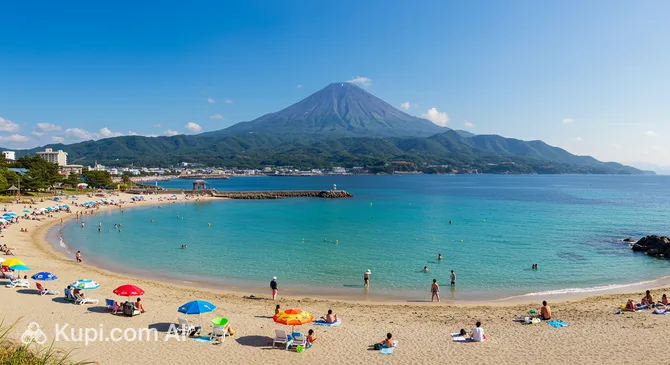
Ibusuki is a true southern oasis in Japan, cozily nestled at the very edge of the Satsuma Peninsula in Kagoshima Prefecture. Washed by the waters of Kagoshima Bay, the city is famous for its mild subtropical climate, which delights guests year-round with green palm trees, blooming hibiscuses, and a fresh sea breeze. Locals affectionately call their city the "Hawaii of Japan"—and for good reason: there is an ever-present atmosphere of vacation, relaxation, and the slow enjoyment of life.

With a population of about 38,500 people, Ibusuki doesn't feel like a noisy metropolis; it is more of a cozy, intimate resort where every guest feels at home. The city is renowned for its unique natural resources: hot springs, or onsens, are found literally at every turn, and the ground is so warmed by underground waters that even houses are often heated by natural warmth.

Ibusuki. Illustration.
Source: Kupi.com AI

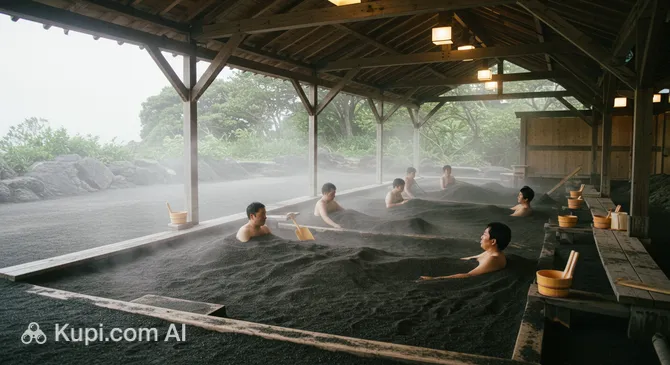
The main highlight of Ibusuki, attracting tourists from all over the world, is the famous sunamushi sand baths. This is a unique wellness procedure where you are buried in hot volcanic sand with a view of the majestic Mount Kaimon, often called Satsuma-Fuji due to its striking resemblance to Mount Fuji. In addition, Ibusuki offers leisurely walks along the ocean and the chance to enjoy local delicacies.

Ibusuki is the perfect destination for those seeking harmony with nature, who appreciate unusual wellness practices, and dream of a relaxed getaway. Visit this amazing corner of Japan to forget the hustle and bustle, dissolve into the warm sand, breathe in the scent of blooming gardens, and enjoy a unique blend of nature and culture.

You can find more interesting facts on the Ibusuki city history page.

Weather Overview

The climate in Ibusuki is characterized as warm and humid, with clearly defined seasons. In summer, especially from June to August, hot weather sets in with average temperatures around 27-28°C and frequent rainfall—June and July are the wettest months, when the number of rainy days can exceed 20. Winters in Ibusuki are mild and notably drier than summer: the average temperature in January and December is about 9-10°C, and rainfall is minimal, especially in December. Spring and autumn offer pleasant, moderate weather, ideal for walking and exploring the city.

To get a full picture of the weather conditions in Ibusuki for each month, including data on water temperature, sunshine hours, and other useful information for planning your trip, we recommend checking the Ibusuki Climate page.

Average monthly temperature

Average monthly precipitation

Interesting Facts

Beyond its famous hot springs and relaxing treatments, Ibusuki holds many fascinating secrets and surprising details that make this city truly special.

  • Ibusuki is the only place in all of Japan (and one of the few in the world) where you can experience the unique "sunamushi" sand baths. Tourists from all over the world come here to literally bury themselves up to their necks in naturally heated volcanic sand, which is believed to help with rheumatism, relieve fatigue, and improve metabolism.

  • The city is located in a unique geothermal zone. The power of the hot springs here is so great that even the city's power plant partially runs on energy generated from underground waters. Furthermore, in some homes in Ibusuki, hot water flows into taps directly from natural springs, providing a kind of year-round "natural heating season."

  • The unofficial symbol of Ibusuki is the majestic Mount Kaimon, which reaches a height of 924 meters. Due to its perfect conical shape, it is often called "Satsuma-Fuji," drawing a parallel with the famous Mount Fuji. Climbing to the top of Kaimon is a popular activity for outdoor enthusiasts, as it offers breathtaking views of the coast and the surrounding area.

  • Thanks to the warm volcanic soil, Ibusuki is famous for its agricultural achievements. This is where amazingly sweet watermelons and a special variety of potato called "satsuma-imo" are grown, and they even manage to harvest juicy tomatoes during the winter months. Local markets are always full of fresh seasonal produce.

How to Get There

When planning a trip to Ibusuki, it is worth considering that this resort town is located on the southern tip of the Satsuma Peninsula. You can get here in various ways, but most tourists choose to fly into one of the region's major transport hubs and then transfer to ground transport.

The most convenient arrival point is Kagoshima Airport (KOJ). It is located approximately 61.6 km from Ibusuki and handles many flights. The journey from the terminal to the resort by bus or taxi takes about 1 hour and 50 minutes. This is the main route for most travelers wanting to reach the hot springs quickly.

As an alternative, you can consider Miyazaki Airport (KMI). It is located further away, at a distance of about 104 km, and the car journey will take around 3 hours. This option might be interesting for those planning a more extensive trip around Kyushu island and wanting to visit several prefectures.

Below is summary information on the nearest airports to help you plan your logistics:

AirportPassenger trafficDistance
Kagoshima Airport5.5 mln62 km
Tanegashima171 67380 km
Yakushima Airport363 45596 km
Miyazaki Airport3.3 mln104 km
Amakusa73 065144 km

If you prefer rail transport, it is most convenient to travel through Kagoshima City. JR trains regularly run from Kagoshima-Chuo Station on the Ibusuki-Makurazaki Line. A trip on this route is not only comfortable but also scenic: the train windows offer beautiful views of the coast and Kinko Bay, making the journey part of your travel adventure.

Main Attractions

Ibusuki is an amazing city in southern Japan that offers tourists unique experiences and unforgettable views. Among its main treasures are the famous sand baths, picturesque natural landscapes, and sites rich in history.

The main and most famous attraction in Ibusuki is undoubtedly the sand baths (sunamushi). This unique wellness procedure involves burying the body in warm volcanic sand heated by natural geothermal springs. These baths are believed to improve blood circulation, relieve stress, and promote overall health. It is an unforgettable experience that every visitor to the city should try.

Nature lovers and outdoor enthusiasts should definitely take note of Mount Kaimondake. This perfectly conical volcano, often called "Satsuma Fuji," reaches a height of 924 meters. Climbing to its summit is rewarded with stunning panoramic views of the coast, the ocean, and the surrounding islands. Even if you don't plan to climb it, the mountain itself is an impressive natural monument.

Another iconic spot is Cape Nagasakibana, the southernmost point of the Satsuma Peninsula. It offers magnificent views of Mount Kaimondake and the vast ocean. Located on the cape is the Ryugu Shrine (Ryugu-jinja), associated with the beautiful Japanese legend of Urashima Taro. This place attracts visitors not only for its beauty but also for the opportunity to touch upon local folklore.

In addition to natural and cultural wonders, Ibusuki offers gastronomic delights. For example, the Aoba restaurant is one of the places where you can get acquainted with local Kagoshima prefecture cuisine, including fresh seafood. It’s a great spot to round off your impressions of the city.

Aoba. Illustration.
Source: Kupi.com AI

Traveler photos:

Local Cuisine

The gastronomy of Ibusuki is a vibrant reflection of the region's rich natural bounty. Thanks to the fertile volcanic soils and proximity to the sea, the local cuisine offers unique flavor combinations that are definitely worth a try.

The culinary hallmark of Ibusuki is undoubtedly the satsuma-imo sweet potato. It is prepared in all sorts of ways here: baked, boiled, turned into delicious pies, and even added to desserts. Baked satsuma-imo, which can be bought hot directly from street stalls, is particularly popular with locals and tourists alike. Another iconic product is the fresh seafood from Kagoshima Bay. On restaurant menus, you will find dishes featuring tuna, eel, squid, oysters, and various shellfish. Be sure to try noodles with seafood delicacies or the famous "flowing noodles" (nagashi somen), where catching them becomes a fun activity.

In addition to potatoes and seafood, foodies should look out for dishes made from local Satsuma beef, known for its tenderness, as well as fresh vegetables grown on surrounding farms. As for drinks, besides the excellent local tea, which gains a special flavor thanks to the region's unique climate, be sure to try shochu—a traditional Japanese distilled beverage. Imo-jochu, made from sweet potatoes, is especially prized and is a point of pride for Kagoshima Prefecture. You can round off your meal with traditional Japanese sweets, many of which are also based on sweet potato.

You can experience Ibusuki's culinary traditions in numerous restaurants, such as Aoba, where authentic dishes are served. It is also worth visiting local markets—they are great places not only to buy fresh produce but also to pick up gastronomic souvenirs. The city regularly hosts food festivals where you can sample various local specialties and even participate in cooking workshops. Street food is also common, offering quick and tasty snacks on the go.

Travel Tips

Welcome to Ibusuki, a unique city famous for its natural sand baths! To make your journey through this corner of Japan as comfortable and enjoyable as possible, we have prepared some practical tips.

  1. Clothing and Essentials:

    The climate in Ibusuki is subtropical, so in summer (June-August) it is hot and humid—choose light, breathable clothing made from natural fabrics. In spring and autumn, the weather is mild, and items for layering will be useful. Winter is warm here, but a light jacket or sweater won't hurt. Don't forget comfortable shoes for walking, a swimsuit for the famous sand baths and onsens, sunscreen, a hat, and sunglasses. Also, bring an adapter for electrical appliances (Japan uses Type A and B sockets, 100V). If you plan to visit shrines, choose modest clothing that covers shoulders and knees.

  2. Local Transport:

    Ibusuki is a small city, and you can get around using local buses. For trips to neighboring cities like Kagoshima, it is convenient to use JR Ibusuki Makurazaki Line trains. Taxis are available but can be quite expensive. Renting a car can be a good option if you plan to explore the Satsuma Peninsula, but it's not necessary for moving within Ibusuki itself—you'll need an international driving permit. Many central areas are easily explored on foot.

  3. Finances:

    The local currency is the Japanese Yen (JPY, ¥). It is recommended to exchange some money in advance or upon arrival at a major airport. In Ibusuki, currency exchange is possible at banks, but their operating hours may be limited. Credit and debit cards are accepted in many hotels, large stores, and restaurants; however, small establishments and local markets may prefer cash. ATMs that accept international cards can usually be found in 7-Eleven stores (Seven Bank) and Japan Post Bank branches. Tipping is not practiced in Japan, as good service is considered the standard.

  4. Health and Safety:

    Ibusuki, like Japan in general, is a very safe place with a low crime rate. Pharmacies (marked as 薬, "kusuri") are available, but staff may not speak English. Basic medicines can be found. In case of serious health issues, a trip to Kagoshima, where larger hospitals are located, may be necessary. It is highly recommended to take out travel medical insurance. Follow general precautions, especially in uncrowded areas after dark.

  5. Communication:

    The main language is Japanese. The level of English proficiency in Ibusuki may be limited, especially outside of tourist sites and hotels. Staff at tourist information centers will likely be able to help in English. Learn a few basic phrases: "Konnichiwa" (Hello), "Arigato" (Thank you), "Sumimasen" (Excuse me). A SIM card for mobile internet can be purchased at the airport or ordered online in advance; renting pocket Wi-Fi routers is also popular. Wi-Fi is available in many hotels and some cafes. Useful apps: Google Maps, HyperDia (for train schedules).

  6. Local Etiquette:

    When greeting, Japanese people usually bow. In public places, especially on transport, try to speak quietly and avoid eating while walking. Wait patiently in lines. Pay special attention to etiquette in onsens and sand baths: wash thoroughly before entering a communal bath (onsen) and follow the instructions for sand treatments (special yukata clothing is usually provided). Remove your shoes before entering Japanese homes, some shrines, traditional restaurants, and ryokans (Japanese-style inns).

  7. Things to Avoid:

    Try not to talk loudly on the phone in public transport—it is considered impolite. Also, avoid leaving chopsticks sticking vertically into a bowl of rice, as this is associated with funeral rituals.

  8. Special Tip for Ibusuki:

    The main "highlight" of Ibusuki is, of course, the unique sunamushi sand baths. To avoid queues, especially at the popular Saraku Sand Bath Hall complex, arrive early in the morning or on a weekday. After the procedure, don't forget to moisturize your skin well and drink plenty of water. Be sure to try the local cuisine, especially bonito tuna (katsuo) dishes and satsuma-age (fish cakes).

We hope these tips help you plan an unforgettable trip to Ibusuki and fully enjoy its hospitality and unique wellness treatments. Have a great trip!

Entertainment & Nightlife

Ibusuki, known for its unique sand baths and relaxing atmosphere, also offers guests more active evening entertainment. Although the city is not famous for noisy nightclubs that stay open until dawn, you can find cozy places to have a good time after sunset while enjoying the local flavor.

The main evening life in Ibusuki is centered around traditional Japanese drinking establishments—izakayas. These are wonderful places to try local dishes, sake, or shochu in an authentic and casual setting. Small bars and karaoke venues are also popular, where you can have fun with friends or meet local residents. The atmosphere in such establishments is usually very friendly and welcoming, and the dress code is typically casual. Most evening spots are located in the central part of the city, within walking distance of many hotels and ryokans.

If you are looking for a dinner spot that transitions smoothly into a pleasant evening, look into local restaurants. For instance, the Aoba restaurant invites guests to discover Japanese cuisine. Many restaurants and izakayas stay open until late evening, allowing you to enjoy your meal and drinks unhurriedly. The best time to visit most evening venues is after 7:00 PM or 8:00 PM.

Regarding practical matters, prices in most bars and izakayas in Ibusuki can be described as moderate. For getting around at night, it is most convenient to use a taxi; these can be ordered through your hotel reception or found at designated taxi stands. Ibusuki is considered a fairly safe city, but it is always wise to follow standard precautions, especially when walking late at night in unfamiliar areas.

By day, Ibusuki offers a completely different set of experiences. In addition to the famous sand spa treatments, you can explore local parks, visit small museums that tell the history and culture of the region, or simply enjoy walks through the picturesque surroundings, breathing in the fresh sea air.

Parks & Museums

The city of Ibusuki invites travelers to enjoy not only its famous sand baths but also its picturesque natural spots and interesting cultural sites. Here, you can find peaceful green areas for walks as well as places where the region's rich history and traditions come to life.

Among the natural attractions, Cape Nagasakibana stands out. This is the southernmost point of the Satsuma Peninsula, offering magnificent views of the majestic Mount Kaimon, also known as "Satsuma Fuji." The cape is famous for its lighthouse and is linked to the legend of Urashima Taro, a fisherman who saved a turtle. The Ryugu-jinja Shrine, dedicated to this legend, is also located here. It is a great place for walking and admiring the ocean scenery.

Not far from Ibusuki is the Flower Park Kagoshima. This is an extensive botanical garden covering about 36 hectares, where a variety of plants from all over the world grow, including subtropical and tropical species. The park is divided into thematic zones, and you can enjoy a burst of colors and scents at any time of year. It will particularly appeal to flora lovers and those looking for beautiful photo spots.

Another unique natural phenomenon is Chiringashima Island. This uninhabited island is connected to the mainland by a sandbar that appears only during low tide from March to October. Walking along this temporary path to the island is an adventure in itself, giving a sense of unity with nature and a chance to see rare marine landscapes.

To experience the culture and art of the region, visit the Satsuma Denshokan Museum. This elegant museum is dedicated to the heritage of the Satsuma clan and presents an impressive collection of local Satsuma-yaki porcelain, as well as other works of art and crafts. The exhibition allows for a deeper understanding of the rich artistic traditions of Kagoshima Prefecture.

Those interested in ancient history will find the Ibusuki Archaeological Museum "Tokoyukan Cocco Hashimure" fascinating. The museum introduces visitors to the archaeological finds of the region, starting from the Jomon period. The exhibits tell the story of the lives of the ancient settlers of these lands, their daily lives, and their culture.

Beyond these sites, the charm of Ibusuki lies in its relaxed atmosphere and proximity to nature. Take a stroll along the waterfront, watch the local fishermen, or visit a small market to try fresh local products. And, of course, don't miss the opportunity to experience the unique "sunamushi onsen" hot sand baths—an essential part of an authentic Ibusuki experience.

Getting Around

Getting around Ibusuki and its surroundings is quite convenient thanks to several modes of transport. The backbone of the transport system consists of buses and trains, which allow you to reach most points of interest.

Buses are the main form of public transport for moving directly within Ibusuki and for trips to nearby attractions, such as the sand baths or Cape Nagasakibana. Bus routes cover the main districts. Fares are usually paid in cash upon boarding or exiting the bus; it is recommended to have small change as drivers may not always be able to provide change for large bills. The cost of a short trip usually starts from a few hundred yen and depends on the distance; the exact amount can be seen on the electronic board at the front of the bus when boarding (in some systems, you pay upon exit, and the amount is also displayed) or checked on the bus company's website. Some bus companies may accept rechargeable IC cards common in Japan, but it's best to check this in advance.

Rail service is represented by the JR Ibusuki Makurazaki Line, which connects Ibusuki with Kagoshima City and other settlements in the region. Trains are a comfortable way to get to Ibusuki or take a trip to neighboring towns. JR stations usually accept IC cards (such as Suica, Pasmo, ICOCA, and other regional equivalents), and tickets can also be purchased from machines or ticket offices at the station. To plan routes by train and other public transport, it is very convenient to use mobile apps like Google Maps, HyperDia, or Jorudan (Japan Transit Planner). They will help you calculate travel time and fares and suggest the best transfer options.

The fare payment system varies. For buses, it is generally cash or, if supported, IC cards. The cost depends on the distance, and short trips usually cost a few hundred yen. For JR trains, you can use IC cards or buy single tickets. There may not be specific tourist passes just for Ibusuki, but it is worth checking for regional Kagoshima Prefecture passes that might cover trips to this area. The mobile apps mentioned above will help you find the exact fare and plan your route.

Practical tips for tourists: bus tickets are most often bought from the driver (or paid upon exit). Train tickets are bought from machines at stations or at ticket offices. To use an IC card, simply tap it against the reader when entering and exiting. Public transport usually operates from early morning until late evening, but schedules, especially for buses to remote areas, should be checked in advance at stops, stations, tourist information centers, or using route planning apps like Google Maps, HyperDia, or Jorudan, which also show current schedules.

Among alternative ways to get around Ibusuki and its surroundings are: Taxis: These can be found at stations or called by phone. This is a more expensive but convenient option, especially for trips with luggage or to places not served by public transport. Car rental: An excellent choice for those wanting to explore the region at their own pace, including scenic roads and less accessible attractions. Bicycle rental: There are bicycle rental points in Ibusuki, which is a wonderful opportunity for a leisurely exploration of the city and its coastal zones.

One of the highlights of the region is the "Ibusuki no Tamatebako" sightseeing train. It's not just a means of transport, but a real attraction. The train runs between Kagoshima and Ibusuki, offering passengers not only a comfortable ride but also magnificent views of Kinko Bay and the Sakurajima volcano. Seats on this train are often booked in advance, especially during the tourist season.
Accommodation

When planning a trip to Ibusuki, you will find a variety of accommodation options to suit different preferences and budgets. The city offers a wide range of lodging, from traditional Japanese inns (ryokans), where you can immerse yourself in the local culture and enjoy the famous sand baths, to more familiar Western-style hotels. Guesthouses and apartment rentals are also available for those who prefer more privacy and independence.

Many accommodation options in Ibusuki are conveniently located relative to the city's main attractions, including the hot springs and coastal areas. Hotels and ryokans that offer their own onsens (hot springs) or access to the famous sand steam baths (sunamushi) are particularly popular. When choosing accommodation, pay attention to its proximity to transport hubs if you plan to move around the region actively.

In Ibusuki, you can find budget options as well as mid-range hotels and more luxurious resorts, especially those specializing in spa treatments. Prices can vary depending on the season, level of comfort, and services provided. It is recommended to book your accommodation in advance, especially if your trip coincides with the peak tourist season or Japanese holidays, to ensure the best choice and prices. You can use popular online platforms or, in some cases, the official hotel websites for booking.

Nearby Cities

For those who wish to explore the surrounding area, Ibusuki serves as an excellent starting point for day trips to several interesting nearby locations:

CityPopulationDistance
Minamikyushu33 11523 km
Chiran13 66723 km
Kanoya100 88025 km
Tarumizu13 68827 km
Makurazaki19 81732 km

These nearby destinations offer a glimpse into the diverse culture and landscapes of the region.

Shopping & Souvenirs

Shopping in Ibusuki offers tourists the opportunity to purchase unique local goods and souvenirs that reflect the culture and natural features of this resort city in Japan. You won't find huge shopping malls here like in major metropolises, but you can enjoy searching for authentic crafts and delicacies.

The main shopping areas in Ibusuki are concentrated around JR Ibusuki Station and along the streets leading to the popular sand baths (sunamushi) and major hotels. This is where you'll find numerous souvenir shops, stores selling local handicrafts, and grocery stores offering specialties from the Kagoshima region. The atmosphere here is quite relaxed, perfect for leisurely strolls and choosing gifts.

Large shopping centers are not a characteristic feature of Ibusuki. Instead, the city offers the charm of small private shops and boutiques, where you can often chat with the owners and learn more about the products. This format of shopping allows for a deeper immersion into the local culture.

While Ibusuki doesn't have large, well-known daily markets, you can occasionally come across small local fairs or temporary stalls where farmers sell fresh fruits, vegetables, and other products. Also, some ryokans (traditional Japanese inns) may offer products by local artisans in their shops.

Souvenirs worth bringing back from Ibusuki include:

  • Satsuma-yaki ceramics: The famous pottery of Kagoshima Prefecture.
  • Onsen-related products: Bath salts with minerals from local springs, themed towels, and cosmetics based on volcanic ash.
  • Local delicacies: Sweet potato treats (such as karukan), smoked eel, various types of local shochu (especially the sweet potato-based imo-jochu), and satsuma-age (fried fish cakes).
  • Traditional handicrafts: Small items made of wood or shells.

Most shops in Ibusuki open around 10:00-11:00 AM and stay open until 7:00-8:00 PM. Small family-run shops may have more flexible hours. Regarding payment, while credit cards are accepted in many hotels and larger stores, having cash on hand is always encouraged, especially in small souvenir shops and at local markets. ATMs can be found at the post office or in some konbini (convenience stores).

For foreign tourists in Japan, the Tax Free system is available. Look for shops with the corresponding logo ("Japan Tax-Free Shop"). When purchasing goods totaling over 5,000 yen (excluding tax) in one store in a single day, you can apply for a consumption tax refund. You must present your passport at the checkout when making the purchase. This service applies to many goods, including souvenirs, clothing, electronics, and cosmetics.

Reached the end of the page?

That means the route is fully explored