Support

Kirishima

About

Kirishima is an amazing city in southern Japan, located on Kyushu Island in Kagoshima Prefecture. It lies at the foot of the volcanic mountain range of the same name, famous for its mystical landscapes, misty forests, and healing hot springs. The city is steeped in ancient legends and offers a unique combination of natural splendor and a calm, peaceful atmosphere.

The population of Kirishima is just over 123,000 people. The city is an important cultural and tourist hub for the region, serving as the gateway to the famous Kirishima-Kinkowan National Park. Here, modern life is harmoniously interwoven with centuries-old traditions, and the hospitality of the locals makes every stay particularly pleasant.

Kirishima. Illustration.
Source: Kupi.com AI

Among the main reasons to visit Kirishima are its unique natural and cultural treasures. You should definitely take a dip in one of the many onsens (hot springs), known for their healing properties. The city and its surroundings are also famous for ancient shrines such as Kirishima-jingu, which is considered one of the oldest in Japan and is linked to the myths of the country's creation. Outdoor enthusiasts will appreciate the numerous hiking trails along the mountain slopes, offering breathtaking panoramic views of volcanic peaks and caldera lakes.

Kirishima is a place where you can relax your body and soul, touch ancient history, and enjoy the incredible beauty of Japanese nature. If you are looking for solitude, inspiration, and unforgettable experiences, this city will be a true discovery for you.

You can find more interesting facts on the history of Kirishima page.

Weather Overview

The weather in Kirishima has distinct seasons. In summer, from June to August, it is warm, with average temperatures ranging from 22.7°C to 27.3°C, and this is the wettest period of the year, especially in June (15 mm of precipitation) and July (11 mm). In winter, from December to February, it becomes cooler, with average temperatures around 6.9°C - 8.4°C, and precipitation is significantly less frequent (2-4 mm per month). Spring and autumn please with mild weather, comfortable for walking. Overall, Kirishima is characterized by warm summers with occasional rains and cool, relatively dry winters. You can find more detailed information about weather conditions by month on the Kirishima climate page.

Average monthly temperature

Average monthly precipitation

Interesting Facts

In addition to its picturesque landscapes and hot springs, Kirishima holds many amazing stories and cultural features. This city is more than just a point on the map; it preserves ancient legends and modern art objects. Here are just some of the fascinating facts about Kirishima:

Kagoshima Shrine. Illustration.
Source: Kupi.com AI

Traveler photos:

  • Kirishima is home to the famous Kirishima-jingu Shrine, which is often called the "Nikko of the West" for its lavish red pavilions and mystical atmosphere. According to legend, it was in these parts that the deities descended to earth to create Japan, and this legend is still alive in the hearts of the locals.

  • Legend has it that Kirishima was the site of the first honeymoon in Japanese history. Newlyweds came here to enjoy seclusion among the mountains and hot springs. This tradition continues today, making the city one of the country's most romantic spots for newlyweds.

  • Kirishima is famous for its open-air art museum, where you can find works by world-renowned masters such as Yayoi Kusama and Antony Gormley. Modern art here harmoniously coexists with nature: sculptures and installations are placed directly on the mountain slopes, creating a unique cultural space.

How to Get There

There are several ways to reach the city of Kirishima, located in the picturesque Kagoshima Prefecture in southern Japan. For most international and domestic tourists, the most convenient option is a flight to one of the nearby airports followed by local transport.

The main and most convenient air hub for a trip to Kirishima is Kagoshima Airport (KOJ). This major international airport is located in Kagoshima city, just 8.1 km from the center of Kirishima. A taxi or bus ride to the city takes about 30-35 minutes, making it an ideal arrival point. Another option is to fly into Miyazaki Airport (KMI), located in Miyazaki city, approximately 66.6 km from Kirishima. This is also a significant airport, from which Kirishima can be reached in about 1.5-2 hours by car or public transport. You could also consider Kumamoto Airport (KMJ), located in Kumamoto city at a distance of about 121.9 km. Although further away, it is a major transport hub, and from there, Kirishima can be reached in about 2.5-3 hours.

For clarity, here is a summary of the main airports:

AirportPassenger trafficDistance
Kagoshima Airport5.5 mln8 km
Miyazaki Airport3.3 mln67 km
Amakusa73 065100 km
Kumamoto Airport2.9 mln122 km
Tanegashima171 673128 km

Regarding rail connections, it is important to note that the provided data includes Sønderborg Station (QSG), located in the city of Sønderborg at a distance of 162.2 km. However, given that Sønderborg is in Denmark, this station is not a practical option for traveling to Kirishima, Japan. Tourists planning to use rail transport to get around Japan are recommended to study the Japan Railways (JR) routes to stations nearest to Kirishima, such as Kirishima-Jingu or Kokubu stations, and then use local bus services or taxis.

For completeness, here is the data on the aforementioned railway station:

StationPassenger trafficDistance
Sønderborg Station162 km

In addition to air and rail transport, Kirishima can be reached by car using Japan's extensive network of expressways. Also, upon arrival in the Kyushu region, you can use intercity buses that connect major cities and tourist centers.

Main Attractions

Kirishima offers its guests a unique combination of ancient shrines, picturesque parks, and authentic local cuisine. This city, located in Kagoshima Prefecture, is rich in interesting places that allow for a deeper understanding of the culture and nature of Japan. Let's look at some of the key attractions in Kirishima that will make your trip unforgettable.

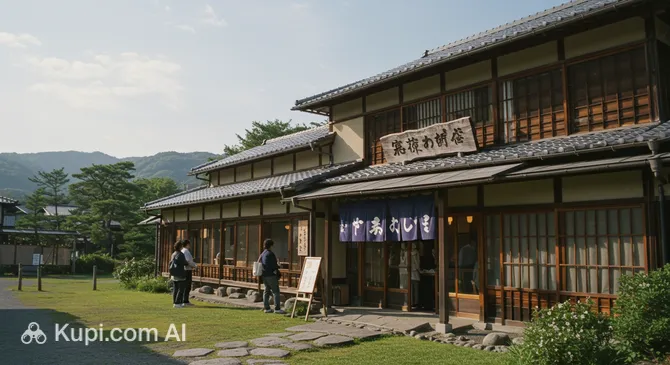
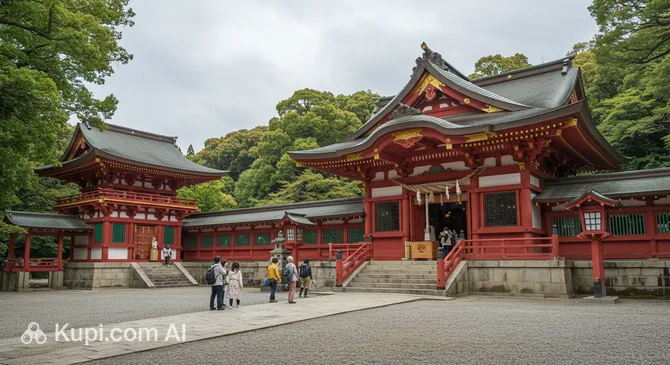
One of the city's main spiritual gems is the Kagoshima Shrine. This ancient Shinto shrine, also known as Kagoshima-jingu, is considered the primary shrine of the former Satsuma Province. It is dedicated to deities associated with the founding of Japan and attracts visitors with its centuries-old history, majestic architecture, and sacred atmosphere. A visit to this place will grant a sense of peace and a touch of ancient tradition.

Kagoshima Shrine. Illustration.
Source: Kupi.com AI

Traveler photos:

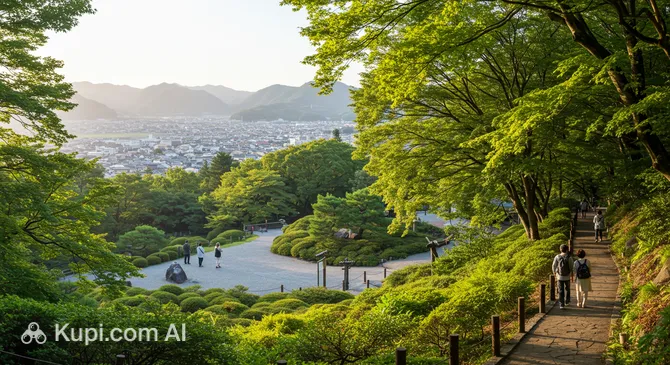
For nature lovers and those seeking panoramic views, Shiroyama Park is a must-visit. Located on an elevation, this park offers magnificent views of the city and surrounding landscapes, including, on a clear day, Kinko Bay and the majestic Kirishima mountains. The park is especially beautiful during the cherry blossom and azalea seasons, becoming an ideal place for leisurely walks, relaxation, and picnics. Here, you can enjoy the silence and beauty of Japanese nature.

Shiroyama Park. Illustration.
Source: Kupi.com AI

Traveler photos:

The Kirishima Chikusan Restaurant invites you to get acquainted with local gastronomy. This establishment specializes in dishes made from high-quality meat raised on local farms. Guests can enjoy excellent yakiniku (Japanese BBQ) and other meat delicacies in a cozy atmosphere. This is a great opportunity to try the authentic flavors of the Kirishima region and appreciate the skill of local chefs.

Kirishima Livestock Restaurant. Illustration.
Source: Kupi.com AI

Traveler photos:

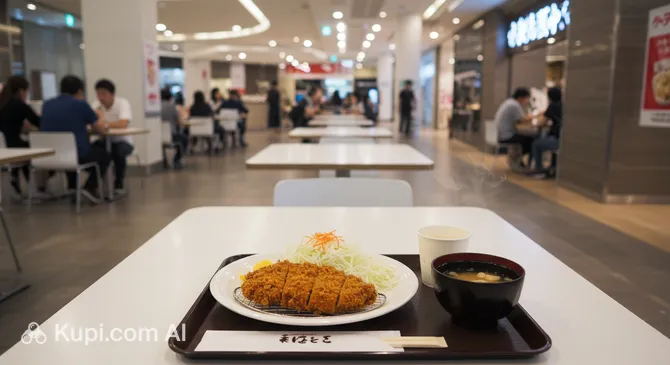
Another place to taste a popular Japanese dish is Tonkatsu Taketei Aeon Hayato Kokubu. This restaurant is famous for its tonkatsu—a juicy pork cutlet in crispy breading, served with rice, miso soup, and cabbage salad. The establishment offers high-quality food at affordable prices, making it popular with both locals and tourists who want to try classic Japanese cuisine in a pleasant setting.

Taketei Tonkatsu Aeon Hayato Kokubu. Illustration.
Source: Kupi.com AI

Traveler photos:

Local Cuisine

The gastronomy of Kirishima is a true discovery for connoisseurs of Japanese cuisine, where dishes made from the famous "Kurobuta" black pork hold a special place. Thanks to special feeding and the region's pristine ecology, the meat is incredibly tender and juicy. Be sure to try tonkatsu—a deep-fried pork cutlet, hearty stews, or aromatic yakiniku skewers made from Kurobuta. These dishes are the hallmark of local culinary arts.

In addition to meat delicacies, Kirishima's cuisine is famous for its fresh vegetables and mushrooms grown on fertile volcanic soils. Seasonal soups and salads, dishes made from wild yam and mountain herbs will surprise you with their natural taste. On the city streets, you can also find interesting treats, such as fried sweet potato balls or fresh rice cakes—an excellent option for a quick and tasty snack.

Among drinks, local sake and umeshu (plum wine) stand out, often produced in small family-owned distilleries. Kirishima's special pride is sake made with pure mountain water—it features a mild taste and light fruity aroma, perfectly complementing local dishes.

The food culture in Kirishima is diverse. Locals and tourists enjoy meals both in cozy restaurants and at bustling farmers' markets, where you can buy homemade pickles, jams, and original sweets that make wonderful souvenirs. To fully appreciate the taste of the famous Kurobuta, stop by, for example, the Tonkatsu Taketei Aeon Hayato Kokubu restaurant, which specializes in tonkatsu, or the Kirishima Chikusan Restaurant. Gastronomic festivals are also held in the city throughout the year, where you can sample seasonal delicacies and learn the secrets of traditional Japanese cuisine.

Travel Tips

Welcome to Kirishima, an amazing corner of Kagoshima Prefecture, known for its volcanic landscapes, hot springs, and rich nature! To make your trip as comfortable and memorable as possible, we have prepared some practical tips.

  1. Clothing and Essentials: The climate in Kirishima is temperate, but the weather in the mountains can be changeable. Bring layered clothing to easily adapt to temperature changes, especially if you plan to hike. Comfortable waterproof shoes for walking in the national park, a raincoat, or an umbrella are essential. Don't forget an adapter for your electronics (the voltage in Japan is 100V, with Type A and B plugs). Dress modestly when visiting temples and shrines, covering your shoulders and knees.
  2. Transport Around Town and Surroundings: The primary way to get around Kirishima and access the national park is by local buses. You should check the schedule in advance, as services may not be very frequent. For more flexibility, especially if you plan to actively explore natural attractions, consider renting a car. Taxis are available but can be expensive for long trips. Taxi-hailing apps are less common than in major metropolises.
  3. Financial Matters: The local currency is the Japanese Yen (JPY). Although credit cards are accepted in many hotels and large stores, cash remains very important, especially in small establishments, ryokans (traditional inns), and when paying for entry to some attractions. You can exchange currency at airports or banks, but it's better to have some yen on arrival. ATMs in post offices (Japan Post Bank) and 7-Eleven stores usually accept international cards. Tipping is not customary in Japan.
  4. Health and Safety: Kirishima is a very safe place. Pharmacies (薬, kusuri) exist, but explaining yourself without knowing Japanese can be difficult, so it's better to bring a basic first-aid kit. Travel insurance with good coverage is a must. In emergencies, call 119 (fire/ambulance) or 110 (police). Tap water is safe to drink.
  5. Communication: The main language is Japanese. English may be understood at tourist information centers and some hotels, but overall its prevalence is low. Learn a few basic phrases in Japanese (for example, "konnichiwa"—hello, "arigato"—thank you). For connectivity, we recommend buying a local SIM card or renting a pocket Wi-Fi router upon arrival at the airport. Free Wi-Fi is available but not everywhere.
  6. Local Etiquette and Traditions: Japanese people are very polite. Greetings are accompanied by a bow. In public places, especially on transport, try not to make noise or speak loudly on the phone. Be sure to remove your shoes when entering homes, temples, and traditional restaurants (where you sit on tatami). When visiting onsens (hot springs), wash thoroughly before entering the communal bath.
  7. What to Avoid: Don't stick your chopsticks vertically into rice—this is associated with funeral rituals. Also, try not to point at people with your finger. It is not common to eat on the go in the street (except during festivals or in designated areas).
  8. Additional Tip – Onsens and Nature: Kirishima is famous for its onsens. Be sure to visit at least one! Study the rules of behavior in an onsen beforehand. Also, if you love nature, set aside enough time to explore Kirishima-Kinkowan National Park—there are stunning hiking routes among volcanoes and lakes.

We hope these tips help you better prepare for your trip and get the most out of your stay in beautiful Kirishima. We wish you unforgettable experiences!

Entertainment & Nightlife

Kirishima, known for its natural beauty and onsens, offers a quiet but pleasant selection for evening leisure. The nightlife here is not as bustling as in Japan's major metropolises, but cozy bars, restaurants with local cuisine, and traditional entertainment will allow you to have a good time after a busy day.

The main part of the evening establishments is concentrated near major railway stations, such as Kokubu, as well as in the city's central districts. Here, you can find various izakayas (Japanese pubs), where local drinks and snacks are served in a relaxed atmosphere. The atmosphere in such places is usually friendly and conducive to conversation, attracting both a local crowd and tourists. Many establishments stay open until late in the evening, especially on weekends.

For dinner, we recommend paying attention to local restaurants offering regional cuisine. For example, you can visit the Kirishima Chikusan Restaurant, known for its meat dishes, or try tonkatsu at Tonkatsu Taketei Aeon Hayato Kokubu. These places are excellent for a quiet evening meal. Karaoke bars are also a popular form of entertainment in Japan, and you can find several such venues in Kirishima where you can have fun with friends.

As for practical advice, the best time to visit bars and restaurants is Friday and Saturday evenings. Prices in most establishments are moderate. Public transport finishes relatively early, so if you plan to stay out late, it's worth considering a taxi in advance. Kirishima, like most Japanese cities, is quite safe, but standard precautions should always be observed, especially at night. You can call a taxi through hotel or restaurant staff or find a taxi stand at the stations.

During the day, Kirishima offers many cultural and natural attractions. You can visit the historic Kagoshima Shrine or take a stroll through the picturesque Shiroyama Park, which offers beautiful views. Although the city lacks large nightclubs or vibrant nightlife districts in the European sense, its charm lies in its peaceful atmosphere and the opportunity to enjoy local culture and hospitality.

Parks & Museums

Kirishima is a city where natural splendor harmoniously blends with a rich cultural heritage. Travelers will find both peaceful green corners for relaxation and interesting sites that tell the story of the region's history and art.

Among the city's green zones, Shiroyama Park stands out. This is a popular spot for walks, offering beautiful views of the surroundings. The park provides visitors with an opportunity to escape the city bustle and enjoy nature and fresh air. Another gem of the region is the extensive Kirishima-Kinkowan National Park, famous for its volcanic landscapes, picturesque hiking trails, lakes, and onsens (hot springs). It is an ideal place for outdoor enthusiasts and those who want to get closer to Japan's unique nature.

Shiroyama Park. Illustration.
Source: Kupi.com AI

Traveler photos:

For art lovers, the Kirishima Open-Air Museum will be a true discovery. Set against a backdrop of majestic mountains, this museum presents an impressive collection of modern sculptures by Japanese and international masters, integrated directly into the natural landscape. This is a place where art and nature enter into an amazing dialogue, offering visitors a unique aesthetic experience.

To dive deeper into the region's history, it is worth visiting the Uenohara Jomon-no-Mori Archaeological Park. Here, you can see reconstructed dwellings from the Jomon period and learn many interesting things about the ancient inhabitants of these lands. The park's museum houses artifacts found during excavations and offers interactive exhibits.

One of the most important spiritual and historical centers is the Kagoshima Shrine. This ancient shrine, dedicated to important deities, attracts not only pilgrims but also tourists with its beautiful architecture, peaceful atmosphere, and rich history rooted in deep antiquity. Visiting the shrine provides an opportunity to touch traditional Japanese culture and spirituality.

Kagoshima Shrine. Illustration.
Source: Kupi.com AI

Traveler photos:

For a more authentic Kirishima experience, stop by small local workshops where you can learn about traditional crafts, or spend time at one of the region's many onsens, choosing a less-known one to enjoy the peace and quiet. Also, don't miss the chance to walk along the picturesque trails in the foothills, where magnificent views open up and you can feel the true spirit of this land.

Getting Around

When planning your travel around Kirishima, keep in mind that the primary focus of the public transport system is on bus services and railway lines. Buses are the main way to get around the city and its surroundings, connecting residential areas, tourist sites, and transport hubs. JR Kyushu railway lines provide connections to other cities in Kagoshima Prefecture and more distant regions.

For paying fares on Kirishima's public transport, the most convenient option is rechargeable smart cards (IC cards), such as Suica, Pasmo, or local equivalents operating in the Kyushu region. These cards can be used on both buses and trains by simply tapping them against the reader at the entrance and exit. Payment in cash is also possible directly on the bus (often exact change is required or there is a change machine) or by purchasing train tickets at station counters and vending machines. Sometimes special day or multi-day passes may be available for tourists, especially for popular tourist routes.

You can purchase or top up an IC card at major railway stations or some convenience stores. On buses, as a rule, when entering through the back door, you need to take a ticket with a stop number (if you don't have an IC card), and when exiting through the front door, pay the driver the fare while showing the ticket. The amount depends on the distance. Bus and train schedules are usually observed, but in remote areas or in the evening, intervals may be longer. Information on routes and schedules can be found at stops, stations, or on transport companies' websites.

As an alternative to public transport, taxis are always available in Kirishima. They can be found at stands near stations, major hotels, or called by phone. Given the region's natural beauty, such as national parks and hot springs, many tourists prefer to rent a car for greater freedom of movement. Car rental allows you to easily reach remote attractions and explore the surroundings at your own pace. Bicycle rentals may be available in some tourist zones.

A feature of Kirishima's transport system is the presence of special tourist buses running on routes to major attractions, such as the Kirishima-jingu Shrine, various onsens (hot springs), and starting points for hiking trails in the national park. These buses often have more convenient schedules for tourists and may offer combined tickets.

Accommodation

When planning a trip to Kirishima, you will find a variety of accommodation options to suit different preferences and budgets. The city offers both traditional Japanese inns (ryokans) and more familiar hotels, guesthouses, and apartments for short-term rent. You can find budget options for economical travelers, as well as more comfortable mid-range hotels and even luxury resorts, especially in the hot spring (onsen) areas for which the region is famous.

When choosing a place to stay in Kirishima, it's worth considering areas close to the main attractions, such as the Kagoshima Shrine or natural parks, as well as those with convenient transport links. Many hotels and ryokans are situated in picturesque locations, offering guests not only comfortable accommodation but also beautiful views. The choice of a specific area will depend on your plans: whether you are looking for seclusion in nature or prefer to be closer to urban infrastructure.

The price range for housing in Kirishima varies from affordable to premium. It is recommended to book accommodation in advance, especially if your trip falls during the peak tourist season (for example, during cherry blossom or autumn foliage) or on weekends and holidays. For searching and booking, it is convenient to use popular online platforms or visit hotel websites directly. Some traditional ryokans may also offer booking through their own websites or travel agencies specializing in Japan.

Nearby Cities

For those who want to explore the surrounding area, Kirishima serves as an excellent starting point for day trips to several interesting nearby locations:

CityPopulationDistance
Aira76 61013 km
Kagoshima593 75425 km
Sue28 48925 km
Soo32 84926 km
Tarumizu13 68828 km

These nearby destinations provide insight into the diverse culture and landscapes of the region. A trip to any of these cities will enrich your journey through Japan with new impressions and discoveries.

Shopping & Souvenirs

Shopping in Kirishima offers tourists the opportunity to purchase both traditional Japanese goods and modern products. The city is not famous for massive world-class shopping complexes, but here you can find cozy shops with local products, souvenirs, and daily necessities. The main focus should be on finding unique local items and food products that reflect the region's culture.

Main shopping spots in Kirishima, as in many Japanese cities, are often concentrated around railway stations and on the city's main streets. Here you can find small shops offering clothing, food, souvenirs, and household goods. A walk through the central streets will allow you to discover local stalls and specialized shops where you can find something special.

In Kirishima itself, there may not be large multi-story shopping centers characteristic of metropolises. However, in larger cities of Kagoshima Prefecture or in the surrounding areas, there may be modern malls with a wide range of goods, including famous brands, restaurants, and entertainment zones. If you are planning a major shopping trip, it's worth checking information about the nearest large shopping centers in advance.

Although Kirishima is not known for large and noisy markets like some other Asian cities, you can find small local markets or fairs here, especially on weekends or holidays. These markets often sell fresh local produce, seasonal vegetables and fruits, as well as handmade items and small souvenirs. This is a great opportunity to get acquainted with the local culture and purchase something authentic.

From Kirishima and the Kagoshima region as a whole, it's worth bringing back traditional Japanese souvenirs. Pay attention to local ceramics (for example, Satsuma-yaki, if available in local shops), bamboo products, and textiles with traditional patterns. Local delicacies are also popular: high-quality green tea, various sweets (such as mochi or karukan—a local sponge cake), and shochu—the strong alcoholic beverage for which the Kyushu region is famous. Don't forget small souvenirs like keychains, magnets, or postcards with views of Kirishima and its natural beauty, such as those related to Kirishima-Kinkowan National Park.

Most shops in Kirishima are usually open from 10:00 or 11:00 AM until 7:00 or 8:00 PM. Small family-run shops may have more flexible working hours. Large supermarkets may stay open later. As for payment, cash (Japanese Yen) is still widely accepted, especially in small shops and at markets. In larger stores and retail outlets, you can usually pay with credit cards (Visa, MasterCard, JCB). Contactless payments using IC cards (e.g., Suica, Pasmo) are also common in Japan, but their acceptance may be limited in smaller towns, so it's always useful to have some cash on hand.

Tourists shopping in Japan can take advantage of the Value Added Tax (VAT) refund system (Tax Free). This is usually possible in shops with the appropriate license (look for the "Japan Tax-free Shop" sign) when purchasing a certain amount (most often from 5,000 yen excluding tax). Your passport is required to process the tax refund. The procedure may vary: sometimes the tax is deducted immediately at the checkout, sometimes it is refunded at a special point in the store or at the airport when leaving the country. It is recommended to clarify the Tax Free conditions in each specific store before making a purchase.
Reached the end of the page?

That means the route is fully explored