Support

Nishinoomote

Attractions

About

Nishinoomote is a picturesque port city located on the northern tip of Tanegashima Island in Kagoshima Prefecture. Serving as the island's administrative and economic heart, it is the primary maritime gateway for travelers looking to discover this unique region that Japan is rightfully proud of. The city is washed by the waters of the East China Sea, offering guests a mild subtropical climate and a relaxed atmosphere away from the hustle and bustle of major metropolises.

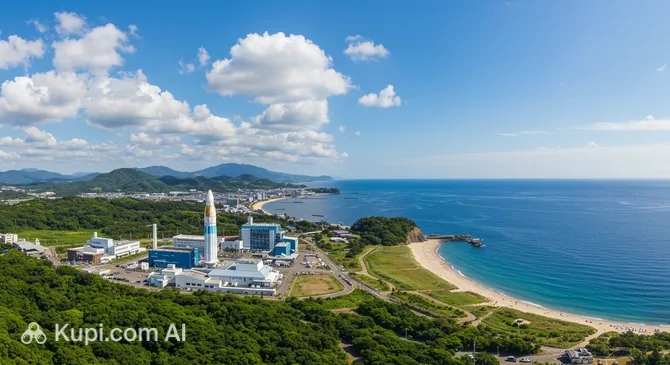
Nishinoomote. Illustration.
Source: Kupi.com AI

Despite its relatively small population of about 14,000 people, the city possesses a deep cultural heritage. This is where the fascinating history of Nishinoomote begins, inextricably linked to the first contact between locals and the Portuguese in the 16th century and the introduction of firearms to the country. This momentous event is commemorated by the famous Teppokan Museum, housed in a building designed to resemble an old European ship.

Beyond historical excursions, Nishinoomote attracts nature lovers and outdoor enthusiasts. The coastline around the city, particularly Urada Beach, is famous for its excellent surfing conditions, crystal-clear water, and white sand. A visit to Nishinoomote is a wonderful opportunity to enjoy the harmony of history and nature, as well as to sample the freshest seafood in local restaurants.

Weather Overview

The climate in Nishinoomote is mild and subtropical, making a visit to the island comfortable at any time of year. Expect hot summers with high humidity and warm winters where frost is virtually non-existent.

The summer period brings the highest temperatures: in August, the air warms up to an average of 28.2°C. However, travelers should consider the high probability of rainfall in early summer: June is the wettest month, with about 19 rainy days. To plan your perfect vacation, we recommend checking what the weather in Nishinoomote will be like during your travel dates.

Winter here is surprisingly pleasant for those who dislike the cold. Even in January, the coldest month, the average temperature is around 13°C, and the minimum rarely drops below 11.5°C. Spring and autumn offer comfortable warmth: as early as May, average temperatures reach 21.7°C, creating excellent conditions for walks and excursions.

Average monthly temperature

Average monthly precipitation

Interesting Facts

Nishinoomote is not only an important transport hub but also a place with distinctive traditions where history intertwines with modernity. Here are a few interesting facts to help you get to know the city better.

  • "Tane-basami" Craftsmanship. The city is famous for its production of traditional scissors, hand-forged by local craftsmen. The manufacturing technology is very similar to the process of creating samurai swords, giving the blades exceptional strength. These tools are highly valued by professionals throughout Japan.

  • Gateway to the "Rocket Island." Nishinoomote is the main entry point for travelers wishing to visit the Tanegashima Space Center. Although the spaceport itself and the specialized port for delivering rocket stages are located further south, this city welcomes most tourists and sets the tone for a trip to the island known as the "closest place to space" in the country.

  • A Gastronomic Brand. The region is known for growing a special variety of sweet potato called "Anno-imo." Due to the specific composition of local soils, this sweet potato acquires a creamy texture and an intense sweet taste when baked, resembling a dessert.

  • The Gun Festival. Every August, Nishinoomote hosts the colorful "Teppo Matsuri" (Gun Festival), dedicated to the introduction of the first firearms in the country. The city streets fill with processions in historical costumes, and the festival concludes with a grand firework display over the sea harbor.

How to Get There

Nishinoomote is located on Tanegashima Island, so a trip here is already a small adventure, starting with a flight or a sea crossing. Since the city is on an island, transport options are limited to air travel and ferries. You can find all route options and schedules by visiting the page on how to get to Nishinoomote.

The fastest way to reach the city is by air. The nearest airport is directly on the island. This is Tanegashima (IATA: TNE), located in the neighboring town of Tanegashima, approximately 14.1 km from Nishinoomote. It is a small regional airport receiving flights from the mainland. A trip from the terminal to the center of Nishinoomote by taxi or bus takes about 40–45 minutes.

The main transit hub for most tourists is the international Kagoshima Airport (IATA: KOJ), located in Kagoshima City on Kyushu Island (about 121 km from Nishinoomote). This is a major aviation hub with high passenger traffic. Upon arrival here, travelers usually transfer to a domestic flight to Tanegashima (about 40 minutes) or head to Kagoshima Port to catch a high-speed ferry—"Toppy" or "Rocket"—which delivers them directly to Nishinoomote Port.

Also worth mentioning is Yakushima Airport (IATA: KUM), located on the neighboring island of Yakushima, 50 km from the city. This option is suitable for those planning a combined island tour, as there is also a ferry service between Yakushima and Nishinoomote.

For convenience, here is a summary of the main airports in the region:

AirportPassenger trafficDistance
Tanegashima171 67314 km
Yakushima Airport363 45550 km
Kagoshima Airport5.5 mln122 km
Miyazaki Airport3.3 mln134 km
Amakusa73 065210 km

Regarding rail transport, there are no railways in Nishinoomote or on Tanegashima Island as a whole. The nearest major railway station is Kagoshima-Chuo, located on Kyushu Island. Shinkansen high-speed trains arrive here from Tokyo, Osaka, and other major Japanese cities. From Kagoshima-Chuo station, tourists can reach the ferry terminal by taxi or bus (about 15–20 minutes) to continue their journey to Nishinoomote by sea.

Main Attractions

Nishinoomote offers travelers a unique blend of historical heritage and magnificent subtropical nature. The city's main attractions center around the 16th-century events that changed the course of Japanese history, as well as picturesque coastlines washed by warm waters.

Teppokan Museum (Tanegashima Development Center) is perhaps the most recognizable site in the city. The museum building is shaped like an old European ship, symbolizing the arrival of the Portuguese on the island in 1543. The exhibition details the history of the first firearms in the country, showcasing an impressive collection of antique muskets (hinawaju) and historical documents. Near the museum stands a statue of the young Lord Tanegashima Tokitaka, who was the first to purchase the strange weapons from the foreigners.

Gessotei Manor invites guests to immerse themselves in the atmosphere of the Edo period. This samurai house, built in 1795, is perfectly preserved and serves as an important cultural center. Visitors can not only explore traditional interiors and a well-kept garden decorated with coral stones and tropical plants but also enjoy a cup of tea in a peaceful setting, feeling the spirit of old Japan.

Urada Beach, located on the northernmost tip of the island, is rightfully considered one of the most beautiful spots in the region and is included in the list of the country's top 88 beaches. It is an ideal location for a relaxed holiday: white sand contrasts with azure water and green pines. The beach is equipped with everything needed for a comfortable stay, including camping and fishing spots, while observation decks offer breathtaking views of the sea horizon.

Hiyoshi Shrine deserves the attention of nature and peace lovers. It is famous for its sacred grove of giant cycads—ancient plants resembling palm trees. Especially popular is a group of trees known as the "Couples' Cycads," which are recognized natural monuments and create a mystical atmosphere around the temple complex.

Local Cuisine

Nishinoomote cuisine is inextricably linked to the sea and the island's fertile volcanic soil. As a port city, the local menu is based on the freshest seafood, which often reaches the table just hours after being caught. A gastronomic journey here is an opportunity to try authentic flavors that all of Japan is proud of, but in their freshest "island" version.

Flying fish, or tobiuo, holds a special place in the local culinary scene. It is prepared in many ways here: deep-fried whole until crispy, served as sashimi with a firm texture, or ground into meat for hearty cutlets. Another marine delicacy that refined taste enthusiasts should try is Japanese spiny lobster (ise-ebi). During the peak season, local restaurants offer it in a rich miso soup that gains a deep flavor from the crustacean's shell.

You cannot talk about food in Nishinoomote without mentioning the famous Anno-imo sweet potato. This variety is known for its incredible sugar content and soft, almost creamy texture when baked. Tourists are offered not just the potatoes themselves but also many desserts based on them: from soft-serve ice cream to traditional sweets and chips. The region is also famous for dishes made from black pork (kurobuta), which is considered a signature product of the prefecture.

Among drinks, the king of the table is shochu—a strong alcohol produced on the island mainly from those same sweet potatoes. Residents are proud of their distillation traditions and often consume the drink diluted with warm water (oyu-wari) or on the rocks to highlight its rich aroma. For non-alcoholic drinks, the local green tea grown on the island's plantations is worth noting; it has a mild flavor and is perfectly refreshing on a hot day.

The food culture in the city is democratic and soulful. There aren't many fancy high-end restaurants, but cozy izakayas (Japanese gastro-pubs) and small family establishments abound, especially in the port area. These are the best places to not only enjoy a delicious dinner of seasonal dishes but also to feel the relaxed island atmosphere while observing the slow pace of local life.

Travel Tips

Welcome to Nishinoomote—the gateway to Tanegashima Island! To ensure your trip is as comfortable as possible and leaves only pleasant memories, we have prepared a list of practical recommendations considering the island's specifics.

  1. Clothing and Seasonality. The climate here is subtropical and humid, so prefer breathable natural fabrics (cotton, linen). In summer, a hat and sunglasses are essential, as is a light raincoat—sudden downpours are not uncommon. In winter, a windbreaker and sweater are sufficient, as there are no frosts, but the sea breeze can be cool. For visiting temples and Gessotei Manor, choose shoes that are easy to take off and put on.

  2. Transport Issues. Public transport on the island is limited: buses are infrequent and do not cover all sights. The most convenient way to get around is renting a car. This will give you the freedom to explore beaches and remote corners at your own pace. You will need an International Driving Permit (IDP) to rent. If you don't drive, rely on taxis, but this can be costly for long trips.

  3. Finances and Cash. In rural Japan and on the islands, cash still reigns supreme. While large supermarkets accept cards, small family restaurants and souvenir shops will require cash yen. You can withdraw money from international cards at 7-Eleven ATMs (Seven Bank) or at the post office (Japan Post Bank). Tipping is not customary—excellent service is considered the norm and is included in the price.

  4. Health and Safety. Nishinoomote is a very safe city, but keep natural factors in mind. Typhoons are possible in summer and early autumn—follow the forecasts. Drugstores are in the city center but are not open 24/7, so bring a basic first-aid kit. Also, use strong repellents if you plan to walk in the forest or stay at a campground.

  5. Communication and Internet. Few people here speak English, so download an offline translator (like Google Translate) and a city map in advance. Free Wi-Fi is available in hotels and some public places, but for stable connectivity, it's better to rent a pocket Wi-Fi router or buy a travel SIM card in advance at a major arrival airport (Kagoshima or Tokyo), as the local selection may be limited.

  6. Etiquette and Traditions. Japanese people value politeness and restraint. Greet locals with a slight bow. The golden rule: always remove your shoes when entering private homes, traditional inns (ryokans), and temple interiors. In public places, try not to speak loudly on the phone so as not to disturb those around you.

  7. What to Avoid. Never stick your chopsticks vertically into rice—this resembles a funeral rite. Also, try not to eat on the go: it is considered poor manners. If you have tattoos, be prepared that you might be barred from some public baths (onsens) if the tattoos are not covered with a bandage.

  8. Planning Tip. Keep the rocket launch schedule in mind! Since Nishinoomote is the island's main city near the spaceport, hotels can be fully booked by space enthusiasts on launch days, and roads may be closed. Check the Tanegashima Space Center (JAXA) schedule before booking your accommodation.

Nishinoomote is a place where time flows a bit slower than on the mainland. By following these simple tips, you can easily blend into the local rhythm of life and enjoy the sincere hospitality of the residents of this amazing island.

Entertainment & Nightlife

Nightlife in Nishinoomote is significantly different from that of noisy metropolises like Tokyo or Osaka. You won't find neon-lit districts with 24-hour raves here; however, the city offers a unique and soulful evening leisure experience. The local entertainment scene focuses on socializing, delicious food, and local drinking traditions, allowing tourists to feel like part of the island community.

The center of evening activity is located in the immediate vicinity of the port and the city administration building. It is here, on narrow streets, that red lanterns (akachochin) light up, inviting guests into cozy establishments. The primary format of entertainment is the izakaya (Japanese gastro-pubs). In these places, it is customary to order many small dishes for the table and accompany them with local alcohol. The atmosphere is always relaxed and friendly: there is no dress code, and patrons—from fishermen to office workers—often strike up conversations with their neighbors at the bar.

Particularly popular in Nishinoomote are so-called snack bars (sunakku). This is a purely Japanese nightlife phenomenon, consisting of small bars with karaoke where the hostess ("mama-san") entertains guests with conversation and prepares drinks. Unlike Western bars, a "set charge" system (a fixed fee for entry and snacks) often applies, and patrons take turns singing songs. This is the best way to immerse yourself in the authentic atmosphere of the Japanese countryside, though knowing a few phrases in Japanese will be a big plus.

Those preferring more familiar forms of relaxation should look for restaurants specializing in local cuisine. Many establishments stay open late, offering menus based on fresh seafood and local pork. The main drink of the evening is invariably shochu—a strong distillate made from sweet potatoes on Tanegashima Island. Bars will offer dozens of varieties; tasting different types of shochu is a popular nighttime activity in its own right.

Practical tips for evening outings:

  • Transport: Public transport does not run at night. If you plan to drink, be sure to use the "daiko" service—where two drivers come to the bar: one drives you in your rental car, and the second follows behind. Taxis can also be called by phone, but hailing a car on the street can be difficult.
  • Money: Most small bars and izakayas accept cash only. Ensure you have enough small bills before heading out.
  • Safety: Nishinoomote is an exceptionally safe city. You can walk the streets safely at any time of day. The only real danger is poorly lit road sections on the outskirts, so stick to the illuminated center.

As for daytime entertainment, the city and its surroundings offer a rich program for nature and culture enthusiasts. In addition to the historical museums already mentioned, it is worth visiting local parks for a picnic with an ocean view. For active tourists, surfing, diving, and sea fishing trips organized by local guides are available.

Parks & Museums

While Nishinoomote is primarily known as the island's maritime gateway, its cultural landscape and green zones offer tourists a chance to take a break from the ocean winds and immerse themselves in the region's history. Local parks delight the eye with subtropical vegetation, while museums carefully preserve the memory of events that turned this island into a significant point on the map that Japan is proud of.

Among cultural institutions, the clear leader is the Teppokan Museum (Gun Museum). Its building, styled after an old European ship, is hard to miss. The museum's exhibition goes far beyond simple weapon displays. It houses a rich collection of about 90 matchlock muskets from various eras, as well as dioramas and multimedia materials. They tell the story of the daily lives of 16th-century Portuguese sailors and Japanese blacksmiths, showing how technology transformed samurai culture.

Gessotei Manor functions as a living museum of history and ethnography. Unlike classic exhibition halls, the house itself and its surrounding garden are the exhibits. Visitors can study the architectural features of high-ranking samurai dwellings, examine Edo-period household items, and stroll through a garden where mosses, stones, and tropical trees harmonize. This place allows you to literally touch the flow of time in silence and peace.

Lovers of panoramic views and romantic evenings should visit Yuhigaoka Park, whose name translates to "Sunset Hill." Located along the coastline, this park is an ideal observation deck. It offers a magnificent view of the East China Sea, and on a clear day, you can see the silhouette of neighboring Yakushima Island on the horizon. It is the best place in town to watch the sun dip below the sea horizon.

Instead of typical city squares, we recommend visiting the unique natural zone within the grounds of Hiyoshi Shrine. This site is famous for its grove of ancient cycads—plants resembling palm trees that have grown on Earth since the era of dinosaurs. A walk under their spreading crowns feels like a journey to a prehistoric world, and the silence of the sacred forest brings tranquility.

Cape Kishigasaki, located in the northern part of the city, is another impressive natural location. This is where the waters of the Pacific Ocean and the East China Sea meet. The area attracts visitors not only with breathtaking landscapes but also with rich flora, including rare coastal plant species. Walking the cape's trails allows you to feel the power of the elements and enjoy solitude against a backdrop of rocky shores.

Getting Around

The public transport system in Nishinoomote has its own characteristics typical of small island towns. You won't find subways, trams, or railway lines here. The main, and essentially only, form of public transport is the route bus, connecting the city with the airport and other settlements on Tanegashima Island.

Bus service is provided by the company Tanegashima Kotsu. Routes cover key directions, including trips to the south of the island to the Space Center. However, tourists should note that intervals can be quite long: on some lines, buses run only a few times a day. The schedule is usually tied to the arrival of ferries and flights, but it is worth studying in advance so as not to be stuck at a stop for a long time.

The fare payment system on local buses differs from the capital's. You enter through the rear door and take a ticket (seiriken) with a stop number. The fare depends on the distance and is displayed on an electronic board above the driver next to your number. Payment is made when exiting through the front door. It is important to know that popular IC transport cards (Suica, Pasmo) are generally not accepted here. Be sure to have cash, preferably small coins and 1000-yen notes, as the change machine on the bus does not accept large banknotes.

Given the sparse bus schedule, the most popular alternative for travelers is renting a car. Rental points are located right at the ferry terminal and in the city center. This gives complete freedom of movement and allows you to reach remote beaches and observation decks. To rent a car, you will need an International Driving Permit (IDP) of the correct format.

For short-distance trips within the city, it is convenient to use a taxi. Taxi stands are located at the port exit and near major hotels. Drivers rarely speak English, so we recommend having your destination address written in Japanese or showing the point on a smartphone map. Taxi apps can be unstable here; it is more reliable to use a stand or ask hotel staff to call a car.

For a leisurely tour of central Nishinoomote, a bicycle is a great choice. There are rental points in the city, including some offering electric bikes, which is very convenient given the hilly terrain. This is an eco-friendly and pleasant way to explore the waterfront, local shrines, and shops while enjoying the sea air.

Accommodation

The choice of accommodation in Nishinoomote, as in many small island towns, is characterized more by soulfulness and functionality than by pompous luxury. You won't find huge all-inclusive chain resorts here, but the city offers an excellent selection of cozy places where you can experience true Japanese hospitality. The main housing stock consists of classic business hotels, traditional inns, and family pensions.

Recommended Areas

From a logistical standpoint, the most convenient area for tourists is the zone around Nishinoomote Port. This is where high-speed vessels and ferries from the mainland arrive. By staying here, you will be at the heart of city life: bus stops, car rentals, supermarkets, and most evening restaurants are nearby. This is an ideal base for those planning to actively explore the island and use public transport.

If you are looking for seclusion and proximity to nature, consider options a bit further from the center along the coast. There, you can find small guesthouses with ocean views, from which it is easy to reach beaches like the popular Urada.

Accommodation Types

Accommodation options in the city can be divided into three main categories:

  • Business Hotels. These are standard Western-style hotels located mainly in the center. They offer clean, compact rooms with private bathrooms and Wi-Fi. This is the best choice for those who value privacy and familiar comfort.
  • Ryokans and Minshukus. If you want to immerse yourself in local culture, choose traditional Japanese inns (ryokans) or family pensions (minshukus). Here, you will sleep on futons in tatami rooms, and dinner and breakfast are often included in the price. Owners usually treat guests to the freshest seafood and home-style cooking, which is a gastronomic adventure in itself.
  • Rentals and Campgrounds. For budget travelers and outdoor enthusiasts, equipped campgrounds are available in the outskirts, especially during the summer season.

Booking Tips

While finding a room is usually easy, the situation changes drastically during rocket launches from the Tanegashima Space Center. On these dates, hotels fill up with journalists, specialists, and space fans months in advance. High demand is also observed in August during the "Teppo Matsuri" festival. We strongly recommend checking the JAXA launch schedule and booking accommodation as early as possible if your trip coincides with these events.

Prices and Payment Features

The price range in Nishinoomote can be described as budget and mid-range. A night in a business hotel or minshuku costs a reasonable amount, significantly less than in Tokyo or Kyoto. Large hotels can be booked through popular international online platforms. However, many small traditional guesthouses (minshukus) may not be listed on English sites—they are often booked through Japanese services or by phone. Note that small family inns often accept cash only, so make sure to have a supply of yen in advance.

Nearby Cities

For those looking to explore the surroundings, Nishinoomote serves as an excellent starting point for travel around the region. Since the city is on an island, most trips to neighbors will require a ferry crossing or a short flight, which becomes part of the adventure itself. Here are a few interesting places worth visiting:

Kagoshima is the prefectural capital, often called the "Naples of the East" due to the majestic Sakurajima volcano towering over the bay. It is a major cultural and historical center reachable by high-speed vessel. Travelers will find the picturesque Sengan-en Garden, Meiji-era museums, and excellent shopping. A trip here allows you to feel the rhythm of a large Japanese city.

Kirishima is known for its hot springs and mystical atmosphere. This mountain town is famous for the ancient Kirishima-jingu Shrine, considered one of the most beautiful in Southern Japan. Nature lovers will appreciate the hiking trails through volcanic highlands and the opportunity to relax in the healing waters of onsens after an active walk.

Kanoya, located on the Osumi Peninsula, attracts history and flora enthusiasts. It is home to the famous Kanoya Rose Garden, one of the largest in Japan, where you can see thousands of rose varieties. The city is also known for its museum dedicated to aviation history and the memory of kamikaze pilots, making a visit here both educational and moving.

CityPopulationDistance
Tanegashima33 00014 km
Kumage16 66663 km
Ibusuki38 57167 km
Kanoya100 88073 km
Kushima16 74484 km

These nearby destinations provide an overview of the region's diverse culture and landscapes, complementing the experience of a holiday on Tanegashima Island.

Shopping & Souvenirs

Overview: Shopping in Nishinoomote is primarily about hunting for unique local products and handicrafts rather than chasing global brands. The city does not boast huge shopping centers or high-fashion boutiques, but it is here that tourists can purchase authentic items for which provincial Japan is famous. The assortment in shops reflects the island character of life: quality, tradition, and a connection to nature are highly valued.

Main Shopping Areas: The main shopping activity is concentrated around Nishinoomote Port. This is a strategic point for tourists: the terminal and adjacent streets are home to souvenir shops (omiyage-ya) offering a wide selection of local products. A walk through the city's central streets will also reveal small family shops selling ceramics, clothing, and household items.

Shopping Centers and Supermarkets: There are no giant malls typical of megacities, but there are large stores and shopping plazas providing residents with everything they need. For example, places like Sunseed or Plaza Daiwa are excellent options for grocery shopping. Tourists should stop by to buy local sauces, sweet potato candies, Japanese tea, and fresh fruit at standard, non-tourist prices.

Markets: Direct sales points for farm products are an important part of local trade. While there isn't one large central market, small stalls where farmers sell fresh vegetables and fruits can be found in the city and its surroundings. Particular attention should be paid to the harvest season for sweet potatoes and citrus fruits—at this time, the counters are bursting with fresh and inexpensive delicacies.

Souvenirs: The city's hallmark is the famous "tane-basami" scissors. These are hand-forged items made by local masters using technologies similar to the creation of samurai swords; they are famous for their incredible sharpness and durability. You should also definitely buy "Anno-imo" sweet potato sweets, local "Tanegashima-yaki" ceramics with their characteristic rough texture, and, of course, "space" souvenirs (space food, rocket models) as a reminder of the nearby spaceport.

Hours and Payment: The pace of life on the island is relaxed, so shops close quite early. Most souvenir stalls and private shops operate from 9:00 to 18:00 or 19:00. Supermarkets and drugstores may stay open longer, until 21:00 or 22:00. Regarding payment, cash (yen) is absolutely necessary here. Although large supermarkets accept cards, small craft workshops and souvenir kiosks may not have terminals.

Tax Free: The Tax Free system is not widely available in Nishinoomote. This service can typically only be used in large chain drugstores (such as the Cosmos chain) when purchasing cosmetics and goods over a certain amount. Do not count on Tax Free in regular souvenir shops, so plan your budget with the full tax in mind.
Reached the end of the page?

That means the route is fully explored