Support

Kushiro City Museum (Kushiro-shiritsu Hakubutsukan)

About

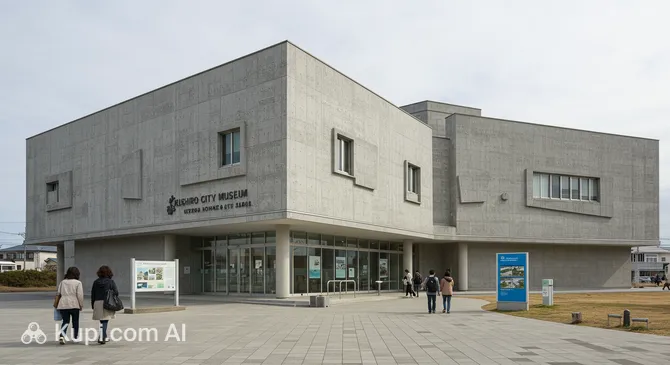
Perched on the scenic Shunkodai Hill, the Kushiro City Museum is one of the most striking architectural and cultural gems of Kushiro. This unique four-story building was designed by architect Kiko Mozuna in 1983, with its design inspired by the image of a Japanese crane with its wings spread wide. The museum overlooks Lake Harutori, which is itself recognized as a national natural monument in Japan.
\n\n
Kushiro City Museum
Kushiro City Museum. Иллюстрация. Источник: Kupi.com AI
\n\n

The museum houses over 4,000 exhibits that tell the rich story of Hokkaido. Here you can see everything from ancient fossils and giant mammoth skeletons to unique artifacts of the Ainu culture—the indigenous people of this region. The exhibition masterfully combines natural history, archaeology, and ethnography, offering guests a deep dive into the world of northern nature and human history.

\n\n

Of particular interest are the detailed dioramas and modern video installations that make the visit engaging for people of all ages. The museum is renowned for its high-quality exhibitions, available in several languages, and is considered one of the best places in the prefecture to study the flora, fauna, and traditional lifestyle of the northern territories.

Contacts

For more details before your visit or to organize a group tour, you can use the official contact information provided below.

How to contactContact
Address1-7 Shunkodai, Kushiro, Hokkaido 085-0822, Япония
Phone+81 154-41-5809
Websitewww.city.kushiro.lg.jp

What to Do

A journey through the museum is organized logically and engagingly—each floor reveals a new facet of the region. On the first floor, you will be introduced to the nature of the wetlands: you'll see an impressive replica of a mammoth skeleton and taxidermy of local forest inhabitants, including brown bears and the famous Japanese cranes. The second floor is dedicated to marine life and the history of industrial development in the area.

\n\n

Visitors are particularly moved by the third and fourth floors, which house a rich ethnographic collection. Here you can study the daily life of the Ainu people in detail: see their traditional clothing made from tree bark, tools, and ritual items. The exhibition spans a vast period—from the ancient Jomon era to the present day—allowing you to literally touch history through authentic artifacts.

\n\n

In addition to touring the indoor halls, it’s worth spending time walking around the surrounding area. The museum's interactive elements and panoramic views of Lake Harutori make it an ideal spot for a family outing. After your intellectual immersion into the region's history, you can head out on the walking trails in the surrounding park to see the very birds and plants you just learned about inside the museum.

Getting There

Getting to the museum is fairly simple, although it is located slightly away from the city center. The fastest way is to take a taxi or a rental car from JR Kushiro Station. The trip takes about 8 minutes, and for those traveling by car, free parking is available right at the building.

\n\n

If you prefer public transportation, regular buses run from the city center toward Shunkodai. The bus stop is within walking distance of the museum entrance. For fans of long walks in the fresh air, it is possible to walk from the station, which takes about 30–40 minutes, though the hilly terrain should be taken into account.

\n\n

The museum is set in a picturesque location on a hill next to Lake Harutori. The area's infrastructure is well-developed, with a park featuring walking trails and a city hospital nearby, and the building itself is fully wheelchair accessible.

Ближайший город: Kushiro

History & Facts

The history of this cultural center dates back to 1936. Initially, the collection, then known as the "Kushiro City Folk Museum," occupied a modest space on the second floor of the waterworks office. Over the decades, the collection moved through several "homes," including department store halls and a former police station building, before finally finding its current monumental residence.

\n\n

The modern museum building, which has become a true architectural masterpiece, opened its doors on November 3, 1983. It was designed by the renowned local architect Kiko Mozuna. He based the design on the image of the Japanese crane—a sacred bird that symbolizes the region. The graceful lines of the roof and the building's overall silhouette resemble a bird spreading its wings over the hill.

\n\n

Over the years, the museum's holdings have expanded significantly and now include approximately 4,100 valuable exhibits. The museum has evolved into a major scientific center for studying the local wetland ecosystem and bird migration routes, serving as a guardian of the history of industrial development and the traditions of the northern indigenous peoples.

Time Needed

To leisurely explore all four floors of the museum and take in the details of the exhibits, most visitors need between 2 and 3 hours. This is enough time to explore the interactive displays, watch the video materials, and examine the unique Ainu cultural artifacts.

\n\n

If you are a passionate researcher of history, biology, or architecture, plan to spend about 4 hours here. The museum offers in-depth content, and a detailed study of each diorama or the geological collection can take significantly more time than a standard tourist visit.

Working Hours

The museum welcomes guests from Tuesday to Sunday, from 9:30 AM to 5:00 PM. Please note that Monday is the official day off. However, between April and early November, if a national holiday falls on a Monday, the museum remains open and the day off is moved to the following working day.

\n\n

There are also seasonal closures: the museum is closed during the New Year holidays (December 29 to January 3) and may also close for maintenance during the winter months. To ensure your visit goes smoothly, it is recommended to check the current schedule on the institution's official website in advance.

DayWorking hours
понедельникЗакрыто
вторник09:30–17:00
среда09:30–17:00
четверг09:30–17:00
пятница09:30–17:00
суббота09:30–17:00
воскресенье09:30–17:00

Nearby

The area surrounding the museum is rich in both natural beauty and historical monuments. A walk around Lake Harutori will lead you to ancient settlement sites and monuments dedicated to the explorers of these lands. Exploring these sites is an excellent addition to the museum exhibits, helping you better experience the spirit of Hokkaido.

\n
NameDistance
Chikuroen Azumaya Main Branch1 km
Kushiro City Children's Learning Center2.4 km
Itsukushima Shrine2.5 km
Shakebanya4.1 km

Reached the end of the page?

That means the route is fully explored