Support

Asahikawa City Museum

About

The Asahikawa City Museum invites you to immerse yourself in the amazing world of the northern island. This place is rightfully considered a hidden gem of the city of Asahikawa, offering guests a deep exploration of the history, nature, and culture of the region. The museum is cozily located inside the modern Daisetsu Crystal Hall complex in Japan.
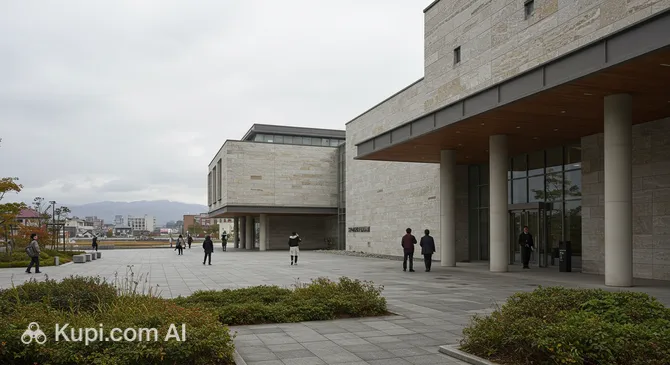
Asahikawa City Museum
Asahikawa City Museum. Иллюстрация. Источник: Kupi.com AI

The pride of the collection is the rich assembly of artifacts dedicated to the Ainu, the indigenous people of Hokkaido. Here you can see not only household items and clothing but also a fully reconstructed traditional dwelling, which allows you to feel the spirit of ancient times. The exhibition masterfully combines historical heritage with interactive elements, creating a mystical atmosphere thanks to carefully designed lighting and sound accompaniment.

The museum occupies two floors and a basement level, where, in addition to ethnographic treasures, there are halls dedicated to the region's ecosystem. Visitors can learn about the flora and fauna of northern latitudes, as well as how the city adapted to life in harsh winter conditions. With its high rating and attention to detail, this museum is a must-visit for those who want to understand the true soul of Hokkaido.

Contacts

For those planning a visit to this cultural space, we have gathered the essential contact information to help you find your way.

How to contactContact
AddressЯпония, 〒070-8003 Hokkaido, Asahikawa, Kagura 3 Jō, 7-chōme−1−45 大雪クリスタルホール 内
Phone+81 166-69-2004
Websitewww.city.asahikawa.hokkaido.jp

What to Do

On the upper floor of the museum, an exciting journey into the world of Ainu culture awaits you. Here you can examine in detail traditional clothing made from fish skin and tree bark, intricate tools, and ritual objects. Don't forget to use the QR codes to access information in English—this will help you gain a deeper understanding of the indigenous people's symbolism and traditions. Be sure to step inside the reconstructed dwelling to imagine what everyday life was like in ancient Hokkaido.

Descending to the lower floor and basement, you will find yourself in the kingdom of northern nature. There are impressive displays featuring taxidermy brown bears, deer, and other inhabitants of Hokkaido's forests. Geological specimens and sections on flora clearly show how life adapted to extreme cold. This is a great opportunity to see the diversity of the region's ecosystem in one place.

For history buffs, there are sections dedicated to the formation of Asahikawa city. Interactive displays and high-quality sound effects create an immersive experience, allowing you to feel the atmosphere of different eras. Since the halls are often not crowded, you can enjoy the exhibits in a peaceful and private setting, which is especially valuable for a thoughtful visit.

Getting There

Finding the museum is quite easy: it is conveniently located inside the Daisetsu Crystal Hall complex in the Kagura district. If you are coming from the city's central railway station, the journey by bus or local train will take about 15–20 minutes. This is a quiet area, and a walk through it naturally sets a contemplative mood.

For those traveling by taxi, the trip from the city center is quick and comfortable. If you prefer to travel by rental car, there is a spacious parking lot at the Crystal Hall building, making it accessible for those exploring northern Hokkaido on their own.

The walk from the nearest public transport stops takes no more than 5–10 minutes. A visit to the museum fits perfectly into your travel logistics if your further journey leads towards the majestic Daisetsuzan National Park.

Ближайший город: Asahikawa

History & Facts

The centerpiece of the exhibition is the unique history of the Ainu, the indigenous people of northern Hokkaido. Special emphasis is placed on the Kamikawa Ainu group, whose lives were inextricably linked to the basin of the river of the same name. Thousands of artifacts collected in the halls tell the story of how these ancient inhabitants managed to maintain harmony with the harsh northern nature for centuries.

The exhibits on the lower floors allow you to trace the evolution of the region: from prehistoric times and the formation of the geological landscape to the rapid development of the city during the Showa period. The museum clearly demonstrates how daily life changed with the arrival of new technologies and the role the city played as a cultural and administrative center of the island's north.

Of particular value is the meticulous work of modern researchers in restoring cultural heritage. The reconstructed traditional Ainu dwelling literally allows you to peek into the past and understand how everyday life was organized in conditions of extremely cold winters, long before the advent of modern heating systems.

Time Needed

For a standard introduction to the museum's exhibits, 1–2 hours is sufficient for most visitors. This time is enough to explore the main halls on two floors, study the lifestyle of indigenous peoples, and get to know the local fauna.

If you are passionate about ethnography or plan to study the information stands in detail using QR translators, we recommend allowing up to 2.5 hours. The museum features a peaceful atmosphere and a lack of large crowds, which invites a thoughtful examination of each exhibit.

Working Hours

The museum doors are open to visitors daily from 09:00 to 17:00. The museum operates without a lunch break, making it easy to fit a visit into your daily schedule. Please note that last entry is 30 minutes before closing, so it is best to arrive no later than 16:30.

Despite the stable schedule, it is recommended to check the official website before your trip to ensure there are no changes due to public holidays or technical maintenance.

09:00–17:00

Nearby

Exploring the area around the museum is a great way to get a deeper feel for the region's atmosphere and find quiet corners less known to tourists. The proximity to natural areas and historical monuments allows for a rich full-day itinerary.

Below are the sites located in the immediate vicinity of the museum:

NameDistance
Ayako Miura Memorial Literature Museum0.7 km
Asahikawa Ekimae Shopping Mall0.7 km
Asahikawa Ekimae Mall0.7 km
Kitasaito Coffeehouse0.9 km
Nine C Bar Asahikawa1 km
Asahikawa Kitasaito Garden1 km
Daikokuya Main Restaurant1.2 km

Reached the end of the page?

That means the route is fully explored