Support

Hijikata Toshizō Deathplace Monument

About

In the historic district of Hakodate lies one of the most revered sites for admirers of samurai culture — the Monument to the Death Place of Hijikata Toshizo. This memorial stele in Japan was erected in memory of the legendary warrior who fell during the final battles of the Boshin Civil War.
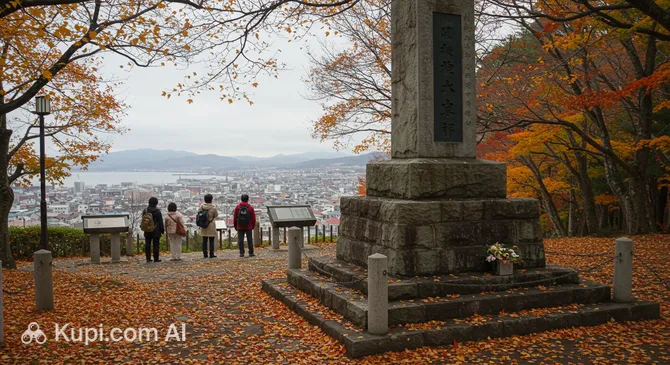
Hijikata Toshizō Deathplace Monument
Hijikata Toshizō Deathplace Monument. Иллюстрация. Источник: Kupi.com AI

The monument is an elegant stone column located near the shoreline and former defensive fortifications. This site is identified as the spot where, on June 20, 1869, the life of the "last true samurai" and leader of the Shinsengumi came to an end, a man who remained faithful to his ideals until the very last.

For tourists, this site is an important part of the historical heritage of the Bakumatsu period. Despite its modest appearance, the monument attracts thousands of people wishing to pay their respects to the courage and martial skill of Hijikata Toshizo, whose figure has become iconic in modern popular culture.

Contacts

To plan your visit to the monument, you can use the city's official tourism portal or locate the site on digital maps. The monument is located in a public area, so there is no dedicated office or inquiry phone number directly at the site.

How to contactContact
Address33-6 Wakamatsuchō, Hakodate, Hokkaido 040-0063, Japan
Websitewww.hakobura.jp

What to Do

When visiting this monument in Hakodate, guests can immerse themselves in reflections on the code of honor and Japan's dramatic transition to modernity. This location is ideal for quiet contemplation and learning about history in the open air. Information plaques are installed here, recounting the famous warrior's final moments against the panoramic backdrop of the city harbor.

Many travelers combine a visit to the stele with a walk to the nearby Benten Daiba fort site, where Hijikata planned his final defense. This is a great opportunity to take atmospheric photographs, especially in clear weather when sea views complement the historical landscape of the Wakamatsu district.

Fans of Shinsengumi history often leave small offerings or flowers at the base of the monument as a sign of respect. After viewing the stele, it is worth heading to the famous star-shaped Goryokaku fort to see where Hijikata commanded the defense before his final ride.

Getting There

Getting to this memorial site in Hakodate is quite simple, as it is located near the central railway station and the port area. From JR Hakodate Station, a taxi ride will take no more than 5–10 minutes. Alternatively, you can take a city tram or bus to the "Benten Daiba" stop, followed by a 10–15 minute walk.

For those who enjoy walking, a route starting from the harbor is an excellent option. The Wakamatsu district features well-developed infrastructure and clear navigation, making the walk to the monument a pleasant part of your tour. From the city airport, it is most convenient to take a dedicated shuttle bus or a taxi; the journey takes about 20–30 minutes.

During the warmer months, many tourists prefer to rent a bicycle. This allows you to move quickly between historical sites related to the Bakumatsu era while enjoying the sea breeze from the port.

Ближайший город: Hakodate

History & Facts

The history of this site is inextricably linked to the dramatic events of the late 19th century in Japan. Hijikata Toshizo (1835–1869) was an outstanding warrior and tactician who served as the vice-commander of the Shinsengumi — a special police force loyal to the shogunate. For his uncompromising nature and iron discipline, he earned the nickname "The Demon Vice-Commander."

Following the fall of the Shogunate in 1868, Hijikata did not lay down his arms. He traveled north to the island of Hokkaido, where he participated in the establishment of the Ezo Republic and served as the Vice-Minister of the Armed Forces. The city of Hakodate became the final stronghold of his resistance to the new Imperial authority.

On June 20, 1869, during a decisive battle, Hijikata attempted to break through on horseback to the besieged Benten Daiba fort to save his men. It was here, at the site of the current monument, that he was mortally wounded. His death at the age of 34 marked the functional end of the samurai era and the unification of the country under Emperor Meiji.

Today, this monument is considered a symbol of unwavering loyalty to duty and the Bushido code. Hijikata's life has inspired numerous books, films, and anime, turning him into one of the most romanticized figures in Japanese culture.

Time Needed

A visit to this historical site typically takes 30 to 60 minutes. This is ample time to view the monument, read the information on the memorial plaques, and take commemorative photos against the harbor landscape.

If you plan to include the monument as part of a larger walking tour of Hakodate battle sites (for example, including a visit to Goryokaku Fort or Benten Daiba), we recommend allocating about 2 hours for exploring this specific area.

Working Hours

You can visit the Monument to the Death Place of Hijikata Toshizo at any time convenient for you. The site is located outdoors and is accessible 24/7, including public holidays.

Круглосуточно

Nearby

The monument's location in the historic part of the city makes it easy to combine your visit with other iconic sites. Exploring the surroundings will help you gain a deeper understanding of the port's history and its role in international trade and the historical events of the past.

Below are interesting sites located within walking distance or a short drive from the monument:

NameDistance
Soup Curry Begirama0.6 km
Century Marina Hakodate0.9 km
Kanemori Red Brick Warehouse1.6 km
Hakodate Beer Hall1.7 km
Kanemori Red Brick Warehouse1.7 km
Hakodate City Museum of Northern Peoples1.9 km

Reached the end of the page?

That means the route is fully explored