Support

Zuiganji Temple

About

Zuigan-ji Temple, also known as Zuiganji, is one of the most prominent and significant Zen Buddhist temples in the Tohoku region of Japan. Located in the charming coastal town of Matsushima, this temple is a magnificent example of the architecture and spiritual traditions of the Rinzai Zen school. Its rich history and serene atmosphere attract both pilgrims and curious travelers from around the globe.
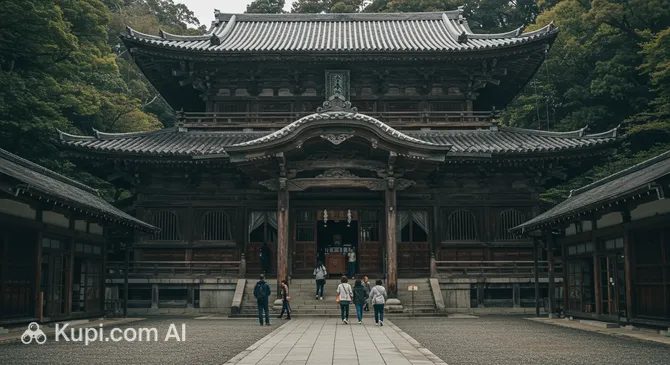
Zuiganji Temple. Illustration.
Source: Kupi.com AI

Traveler photos:

Zuigan-ji Temple holds the status of a National Treasure of Japan, a title it rightfully earns. The temple is particularly famous for its magnificent fusuma sliding doors, adorned with gold leaf and exquisite paintings depicting natural motifs. These works of art are a true jewel of the temple complex. Furthermore, the temple grounds feature unique burial caves carved into the rock as far back as the Kamakura period (1185-1333). These caves were used for funeral ceremonies and other Buddhist rituals, adding a special historical depth and mystery to the site.

For those wishing to delve deeper into the history and culture of the temple, an art museum is open at Zuigan-ji. Its collection houses valuable artifacts, including ancient examples of calligraphy, refined ceramics, and traditional Japanese paintings. The museum's exhibition details the temple's centuries-old history and its important role in the country's cultural life, allowing visitors to better understand its spiritual heritage.

Contacts

For the most up-to-date information regarding opening hours, admission fees, and available tours at Zuigan-ji Temple, it is recommended to visit the official website or contact tourist information centers in Matsushima. There, you will find the most accurate and current data, as well as answers to any questions you may have.

How to contactContact
AddressChōnai-91 Matsushima, Miyagi District, Miyagi 981-0213, Japan
Phone number+81 22-354-2023
Websitewww.zuiganji.or.jp

What to Do

When visiting Zuigan-ji Temple, you can immerse yourself in its unique atmosphere while exploring the main temple buildings. One of the highlights you must see is the magnificent gold-leaf fusuma sliding doors, decorated with masterful paintings. Equally interesting are the ancient burial caves carved into the cliffs during the Kamakura period. These caves, once used for Buddhist rites, are now open for viewing and allow you to touch the centuries-old history of this sacred site.

For art and history enthusiasts, a visit to the art museum located on the temple grounds is a must. Here, you can discover unique examples of Japanese calligraphy, exquisite ceramics, and traditional paintings, each telling its own part of the story of Zuigan-ji Temple. The museum's exhibits will help you gain a deeper understanding of the cultural and spiritual significance of this location.

Beyond viewing specific artifacts and buildings, don't miss the chance to simply stroll through the peaceful temple grounds. The grounds themselves are considered a cultural treasure of the Tohoku region and offer many picturesque spots for contemplation and relaxation. Remember that Zuigan-ji Temple is located in the town of Matsushima, famous for its breathtaking scenery, so your visit to the temple can be a wonderful part of a broader exploration of the beauty of this corner of Japan.

Getting There

Reaching Zuigan-ji Temple, located in the picturesque town of Matsushima, is quite simple, especially if you are traveling through Japan using its advanced public transport system. Matsushima is a popular tourist destination, so transport links from major cities are well-established.

The primary way to reach Matsushima from other parts of Japan, such as Tokyo or Sendai, is by train. The closest railway station to the temple is Matsushima-Kaigan on the JR Senseki Line. From this station, Zuigan-ji Temple is just a 5-10 minute walk away, making this a very convenient option. Trains on the Senseki Line run quite frequently.

If you are in central Matsushima or another part of town not immediately adjacent to Matsushima-Kaigan Station, you can use local buses or take a taxi. However, given the compact nature of the Matsushima tourist area, walking to the temple from most hotels and other attractions is both pleasant and easy.

For those traveling by car, there are typically paid parking lots available near the temple and within Matsushima. It is recommended to check their locations and rates in advance, especially during the peak tourist season. In any case, when planning your route, use Matsushima-Kaigan Station as the nearest major transport hub to Zuigan-ji Temple.

Nearest city: Matsushima

History & Facts

The history of Zuigan-ji Temple dates back to 828, when it was founded by the monk Ennin and originally belonged to the Tendai sect of Buddhism. Later, the temple came under the influence of Zen Buddhism, becoming an important stronghold for this school. Throughout its nearly 12-century history, Zuigan-ji Temple has been recognized as an outstanding cultural treasure of the historic Tohoku region, carefully preserving the spiritual traditions of Japan.

Zuigan-ji Temple gained its current grand appearance and particular fame in 1600. This period was marked by the patronage of Date Masamune—the powerful daimyo (feudal lord) of the Edo period. It was thanks to his active involvement and financial support that many of the temple's architectural elements were built and decorated; today, these are recognized as National Treasures of Japan and attract many visitors to Matsushima.

The commitment to preserving this priceless heritage for future generations led to significant reconstruction and repair work on the temple complex in 2016. Importantly, even during these restoration efforts, most of Zuigan-ji Temple's grounds remained accessible to visitors. These efforts were aimed at meticulously maintaining the temple's historical and cultural splendor so that it may continue to inspire and enlighten people from all over the world.

Time Needed

To explore Zuigan-ji Temple in Matsushima, most visitors typically need about 1-2 hours. This time is usually sufficient to see the main buildings of the temple complex, including the main hall (Hondo), admire the famous fusuma painted sliding doors, and walk through the surrounding grounds to experience the peaceful atmosphere of this significant site.

If you plan a deeper immersion—for instance, if you want to carefully study the exhibits at the temple's art museum, which houses valuable artifacts, or spend more time exploring the ancient burial caves and enjoying the tranquility of the gardens—you should set aside up to 3 hours or even slightly more. The visit time may also vary depending on your personal interest in the history and culture of Zen Buddhism, as well as how closely you wish to examine the architectural details and works of art.

Overall, Zuigan-ji Temple offers plenty to see, but it can be comfortably toured in a couple of hours if you don't aim for a detailed investigation of every corner. Plan your time considering other attractions in Matsushima to ensure your journey through Japan is both fulfilling and enjoyable.

Working Hours

When planning a visit to Zuigan-ji Temple, it is important to check the current opening hours in advance. Generally, major temple complexes in Japan are open to visitors daily, typically from the morning (around 8:00-9:00 AM) until the evening (roughly 4:00-5:00 PM). However, the exact schedule may vary depending on the season, the day of the week, or the occurrence of special events and services. It is highly recommended to check the official Zuigan-ji Temple website or contact the tourist information centers in Matsushima for the latest information before your trip.

Usually, no advance booking is required for visiting the main temple grounds. However, if you are interested in seeing special exhibitions at the temple museum or participating in any specific ceremonies (if open to the public), it's worth finding out in advance if reservations are necessary. Zuigan-ji Temple is typically open year-round, but minor changes in operating hours across different seasons are possible, so checking for the most current information will always be helpful for smooth trip planning.

8:30 – 16:30

Nearby

Visiting Zuigan-ji Temple will undoubtedly be a highlight of your trip to Matsushima. However, to make your experience even more complete and multifaceted, it is worth taking the time to explore its surroundings. Often, nearby sites help provide a deeper understanding of the cultural and historical context of the main pilgrimage site or tourist attraction, allowing for a more comprehensive view of the region.

A stroll around the area surrounding Zuigan-ji Temple will allow you to discover other gems of Matsushima, whether they be other temples, scenic natural spots, museums, or authentic restaurants. Each such place will add new colors to your picture of this amazing corner of Japan and make your trip truly unforgettable. Below is a list of some nearby attractions.

NameDistance
Entsuin Temple0.1 km
Kanrantei Tea House0.3 km
Fisherman's Kaisendon0.3 km
Matsushima Bay0.4 km
Matsushima Bay Sightseeing Cruise0.4 km
Godaidō Hall0.5 km
The Museum Matsushima0.6 km

Have you reached the end of the page?

So the route has been studied inside and out