Support

Katori Shrine

About

Katori Shrine (Katori Jingu) is one of the oldest and most revered Shinto shrines in Japan, located in Narita, Chiba Prefecture. It is considered the head shrine of all shrines dedicated to the deity Futsunushi-no-kami, who is venerated as the patron of martial arts and protection. Immersed in an atmosphere of peace and tranquility, the shrine attracts pilgrims and tourists from all over the world.
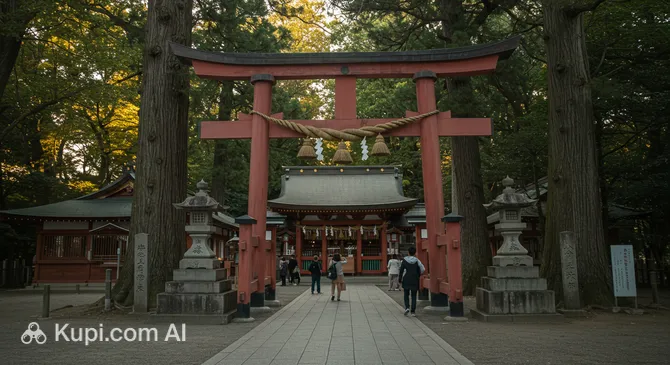
Katori Shrine. Illustration.
Source: Kupi.com AI

Traveler photos:

The shrine grounds are surrounded by dense, centuries-old forests, creating a special sense of unity with nature and inviting leisurely walks. This calming environment makes Katori Shrine an ideal place for those seeking spiritual respite and a connection to ancient Japanese traditions.

The Katori architectural complex is designed in a traditional Japanese style and includes majestic main gates, a main hall (honden) where central rituals are performed, and numerous auxiliary shrines and historical buildings. Every structure on the temple grounds has its own history and meaning, reflecting the country's rich culture.

Visiting Katori Shrine is not just about sightseeing; it is an opportunity to get acquainted with the spiritual heritage of Japan, experience harmony, and perhaps find inner peace. It is a place where history and faith intertwine, creating a unique experience for every guest.

Contacts

If you need additional information about visiting Katori Shrine, we recommend checking the official contact details. The official website frequently publishes up-to-date information regarding opening hours, special events, and visitor guidelines.

How to contactContact
Address1697 Katori, Chiba 287-0017, Japan
Phone number+81 478-57-3211
Websitekatori-jingu.or.jp

What to Do

Visitors to Katori Shrine can enjoy a leisurely walk through its vast grounds, admiring the majestic torii gates and ancient buildings, each of which holds its own story. The surrounding nature adds a special charm to the place. The shrine becomes particularly picturesque in spring, when the delicate cherry blossoms bloom, and in autumn, when maple trees paint the landscape in vibrant crimson and gold tones.

For those who want to dive deeper into Japanese culture, Katori Shrine offers a unique opportunity to witness traditional Shinto ceremonies and festivals. These colorful events are held regularly on the shrine grounds and allow for a closer look at the ancient rites and customs of Japan. It is a wonderful chance to see living traditions and feel the spirit of the country.

History buffs will appreciate the chance to visit the shrine's museum, which displays artifacts telling the story of Katori's rich past and its connection to ancient martial traditions. Additionally, you can find souvenir shops on the grounds offering traditional amulets (omamori) for luck and health—a perfect keepsake from your visit to this sacred place. For pilgrims and visitors seeking solitude, special routes for meditative walks may be available, encouraging reflection and spiritual cleansing.

Getting There

Katori Shrine is conveniently located for visitors, situated near the city of Narita and Narita International Airport. This makes it accessible for those specifically traveling to the region as well as for travelers with a bit of free time during a layover in Japan.

One of the most convenient ways to reach the shrine is by train. From JR Narita Station, take a train on the JR Narita Line to Katori Station. The journey takes approximately 40 minutes. From Katori Station, a pleasant 10–15 minute walk will lead you directly to the shrine.

If you prefer a more direct route or are traveling with luggage, taxi services or buses from central Narita are available. For those traveling by car, parking spaces are provided at the shrine entrance. The roads to the shrine are well-marked, and the presence of navigation signs in both Japanese and English will help you easily find your way to this peaceful location.

Nearest city: Narita

History & Facts

Katori Shrine is one of the oldest Shinto shrines in Japan, with a history that, according to legend, dates back to 643 BC. This incredible age makes it more than just a religious site; it is a true witness to many eras and key moments in the development of Japanese culture and statehood. Located near the city of Narita, it has served as an important spiritual center for centuries.

Throughout its long history, Katori Shrine played a significant role in the formation of the Japanese state and military culture. Legends tell of famous samurai, powerful commanders, and even emperors who came here to pray for protection and success. Special veneration was given to the deity Futsunushi-no-kami, who is credited with aiding in the unification of Japan. This deity of the sword and martial valor remains the central figure in the shrine's pantheon today.

Although many buildings on the shrine grounds have been rebuilt and restored across different historical periods, Katori Shrine has managed to preserve its unique spirit and ancient atmosphere. Today, it remains a vital center of religious and social life in the region, attracting pilgrims and tourists wishing to connect with history and tradition. Many elements of the shrine are recognized as Important Cultural Properties, highlighting its enduring significance.

Time Needed

To fully enjoy the atmosphere and explore Katori Shrine, it is recommended to set aside approximately 1.5 to 3 hours. This time is usually sufficient to take a leisurely stroll through the extensive shrine grounds, see its main structures, and soak in the spirit of this ancient site.

During this time, you can not only visit the main halls and adjacent buildings but also appreciate the details, such as the ancient trees, stone lanterns, and other elements that create the unique atmosphere. If you plan to participate in any rituals or simply want to spend more time in a peaceful setting enjoying nature and silence, it is better to aim for the upper end of this time range.

Of course, if your time is limited, a shorter visit focusing on the key highlights is possible. However, to truly feel the tranquility and majesty of Katori Shrine, it is worth planning at least a couple of hours for a relaxed introduction.

Working Hours

Katori Shrine is generally open to visitors daily. According to available information, the shrine gates open in the early morning, around 6:00 AM, and it remains accessible for visiting until sunset, approximately 5:00 PM. This allows guests to enjoy its beauty and tranquility throughout the daylight hours. The shrine operates year-round, providing the opportunity to connect with its history in any season.

It is important to note that during holidays or special festivals, the opening hours of Katori Shrine may change. Therefore, to ensure your trip goes smoothly and you do not encounter unexpected schedule changes, it is highly recommended to check the current opening hours on the shrine's official website or at local tourist information centers in Narita before your visit. Usually, advance booking is not required for visiting such shrines unless it involves special events or guided tours.

8:30 – 17:00

Nearby

A visit to Katori Shrine will certainly be a highlight of your journey to Japan. However, to make your experience even more complete and diverse, it is worth exploring other interesting places located nearby. Discovering the surrounding areas will allow you to dive deeper into the culture and history of the Narita region, revealing new facets of this amazing country.

Near the shrine, you will find other attractions, each unique and worthy of attention. These may include historical sites, natural beauties, or modern cultural centers. When planning your route, set aside some time to explore them, and your trip will become even more enriching.

NameDistance
Inō Tadataka Memorial Museum2.8 km
Ikisu Shrine8.7 km
Circuit Wolf Museum8.9 km
The Farm10.2 km
The Farm Camp10.5 km
Sakura Lounge17.7 km
Matsuyama Garden Art Museum18.7 km

Have you reached the end of the page?

So the route has been studied inside and out