Support

Kim Dae-jung Nobel Peace Prize Memorial

About

The Kim Dae-jung Nobel Peace Prize Memorial is a landmark site in the city of Mokpo, located in South Korea. This memorial complex is dedicated to the life and legacy of former South Korean President Kim Dae-jung, the 2000 Nobel Peace Prize laureate. It serves as an important cultural and historical center, attracting those interested in modern Korean history and peace issues.
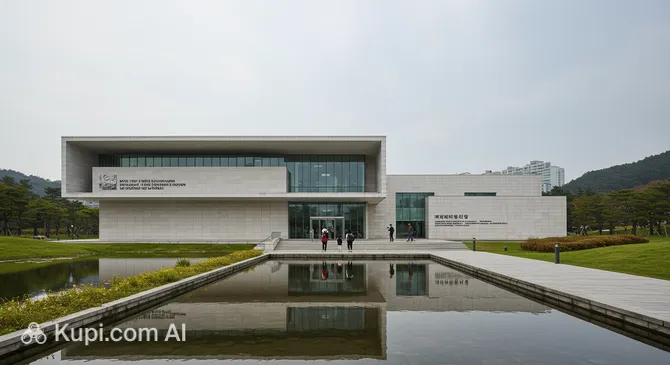
Kim Dae-jung Nobel Peace Prize Memorial. Illustration.
Source: Kupi.com AI

Traveller photos:

Visitors to the memorial can explore a rich exhibition detailing Kim Dae-jung's journey, his long-standing struggle for democracy and human rights, and his famous "Sunshine Policy" toward North Korea. The halls display personal belongings, archival documents, photographs, and interactive installations that help provide a deeper understanding of this outstanding political figure's contribution to the history of his country and the world.

The memorial is not just a museum; it is a place for reflection on the values of peace, democracy, and the importance of reconciliation. It emphasizes the significance of dialogue and perseverance in achieving global harmony and understanding. A visit to this complex leaves a deep impression and allows for a better understanding of South Korea's complex journey toward a democratic society and its role in maintaining peace.

The complex often hosts various educational programs, lectures, and temporary exhibitions aimed at spreading ideas of peace and human rights among the younger generation and international visitors. This makes the Kim Dae-jung Nobel Peace Prize Memorial not just an attraction, but a living center of enlightenment, memory, and inspiration for all who strive for a better future.

Contacts

Planning to visit the Kim Dae-jung Nobel Peace Prize Memorial? For the most up-to-date information on opening hours, ticket prices, and possible tours, it is recommended to check the official website of the attraction or visit tourist information centers in the city of Mokpo. Usually, you can find contact phone numbers or email addresses there for inquiries and more details.

How to contactContact
Address68 Samhak-ro 92beon-gil, Mokpo-si, Jeollanam-do, South Korea
Phone+82 61-245-5660
Websitewww.kdjnpmemorial.or.kr

What to Do

A visit to the Kim Dae-jung Nobel Peace Prize Memorial in Mokpo offers a unique opportunity to gain a deeper understanding of the life and legacy of one of South Korea's most significant political figures and a Nobel Peace Prize laureate. The primary focus here is on his journey toward the country's democratization, his efforts to achieve peace and reconciliation on the Korean Peninsula, and his international recognition. Visitors can expect a detailed account of his contribution to history and his inspiring ideals.

In the halls of the memorial, you will likely find a variety of exhibits illustrating key stages of Kim Dae-jung's life and work. These may include personal items, historical photographs, official documents, and awards, including a copy of the Nobel medal. Information stands and multimedia presentations usually tell the story of his political career, periods of persecution, his presidency, and the famous "Sunshine Policy" aimed at dialogue with North Korea. You can trace his path from a dissident to head of state and world leader.

Special attention at the memorial is usually given to the Nobel Peace Prize itself: the reasons for its award and the impact it had. Visitors can view materials related to his acceptance speech and the global response to the event. Furthermore, such memorials often include spaces for reflection, where one can contemplate what they've seen and honor the memory of a man who dedicated his life to the struggle for peace and democracy. It is more than just a museum, but a place designed to inspire reflection on the importance of human rights and the peaceful resolution of conflicts.

Getting There

The Kim Dae-jung Nobel Peace Prize Memorial is located in the city of Mokpo, on the picturesque Samhakdo Island, which is connected to the main part of the city. You can reach this significant cultural site in several ways, depending on your location and transportation preferences.

One of the most accessible ways is to use city public transport. Mokpo has a well-developed bus network, and there are sure to be routes heading to Samhakdo Island or the immediate vicinity of the memorial. It's best to check bus numbers and schedules locally—at a tourist information center, on the city's official transport portal, or using online maps. A bus trip is not only economical but also offers a chance to see the city scenery.

For more comfort and speed, you can choose a taxi. This option is especially convenient if you are traveling with children, luggage, or simply value your time. Taxis in Mokpo can be found at special ranks, called by phone, or via a mobile app. The ride from the city center or from Mokpo Station, where KTX high-speed trains arrive, to the memorial usually doesn't take much time. If you are nearby and the weather is pleasant, you can also take a nice walk to the memorial while enjoying the coastal views.

Nearest city: Mokpo

History & Facts

The Kim Dae-jung Nobel Peace Prize Memorial in Mokpo was officially opened on June 15, 2013. This date was chosen intentionally, as it coincides with the anniversary of the historic 2000 inter-Korean summit. Its location in Mokpo, the president's hometown, holds deep symbolism. The memorial aims not just to tell the story of Kim Dae-jung as a Nobel Prize winner, but to show how the port city and its atmosphere influenced the formation of his character and political views, laying the foundation for his future endeavors.

Unlike many memorials that focus solely on the peak of a career, special attention is given here to the early years and lesser-known episodes of Kim Dae-jung's life, closely tied to Mokpo and the Jeolla region. Visitors can see, for example, rare materials highlighting his activities as a young entrepreneur and aspiring politician in this city, or exhibits telling of his first steps in the opposition movement, which often remain in the shadow of his presidency and the "Sunshine Policy." This might include a recreation of his office from those times or letters reflecting his thoughts on the future of South Korea, written right here.

The memorial's architectural design also carries special meaning. Such complexes often strive to reflect the ideas to which the person's life was dedicated. For instance, the building's design elements may symbolize the openness and desire for dialogue characteristic of the "Sunshine Policy," or use sea-related motifs, emphasizing Mokpo's coastal character and the resilience of spirit, much like the elements of the sea, which Kim Dae-jung displayed throughout his life. Of particular interest are the interactive displays that allow for a deeper understanding of not only his political decisions but also his personal philosophy, shaped by trials and hopes.

The memorial is unique in that it seeks to show the unbreakable link between Kim Dae-jung's local identity and his global contribution. The exhibits are structured so that visitors can trace the path from a young man in Mokpo dreaming of democracy for his country to a world leader whose peace efforts were recognized with the Nobel Peace Prize. It is not just a museum of one person, but a place for reflection on how local roots and universal values can intertwine in the destiny of an outstanding individual.

Time Needed

When planning a visit to the Kim Dae-jung Nobel Peace Prize Memorial in Mokpo, you should allow for about 1.5-2 hours. This time is generally sufficient for a calm and thoughtful tour of the main exhibits dedicated to the life, work, and legacy of the former South Korean president and Nobel Peace Prize laureate.

The duration of your visit may vary depending on the depth of your interest. If you wish to study all the documents, archival photographs, and multimedia installations in detail and delve deeper into the historical context, you might need up to 3 hours to tour the memorial. Some visitors also take time for reflection in designated areas or to see temporary exhibitions if any are being held.

Working Hours

The Kim Dae-jung Nobel Peace Prize Memorial in Mokpo is usually open to visitors from Tuesday to Sunday, from 09:00 to 18:00. It is important to note that Mondays, as well as some major public holidays (such as New Year's Day, Seollal – Lunar New Year, and Chuseok – Harvest Festival), are closing days. Generally, entry to the memorial is free of charge, making it accessible to anyone wishing to learn about the legacy of this outstanding political figure.

While advance booking is usually not required for individual visitors, large groups are advised to contact the memorial administration in advance to clarify visit conditions and possible tour arrangements. The memorial operates year-round, except for the aforementioned closing days. However, for the most accurate and up-to-date information on opening hours, possible schedule changes, or the need for pre-registration, especially during national holidays, we strongly recommend visiting the attraction's official website or contacting Mokpo tourist information centers.

DayOpening hours
MondayClosed
Tuesday9:00 – 18:00
Wednesday9:00 – 18:00
Thursday9:00 – 18:00
Friday9:00 – 18:00
Saturday9:00 – 18:00
Sunday9:00 – 18:00

Nearby

Visiting the Kim Dae-jung Nobel Peace Prize Memorial is undoubtedly a significant event. However, to make your trip to Mokpo even more fulfilling and memorable, it's worth paying attention to other nearby attractions. Exploring the surroundings will allow you to dive deeper into the city's atmosphere, get to know its culture and history, and simply have a pleasant time.

Near the memorial, there are several interesting places that can complement your cultural program or offer a nice break. Below is a list of some of them, along with the distance.

NameDistance
Mokpo Children's Sea Science Museum0.3 km
Yeonhui's Pocha, Mokpo Port Branch 90.4 km
Mokpo Modern History Museum 21 km
Manseon Restaurant1.2 km
Nojeokbong Art Park1.2 km
Mokpo Natural History Museum2.9 km
National Research Institute of Maritime Cultural Heritage2.9 km

Reached the bottom of the page?

Looks like you know this route inside out