Support

Jeju Mokgwana

About

Jeju Mokgwana (Jeju Mokgwana) is a significant historical architectural complex located in the heart of Jeju City, on the picturesque Jeju Island in South Korea. This cultural monument is the former administrative residence of the island's governor during the Joseon Dynasty, making it a key site for understanding the region's history.
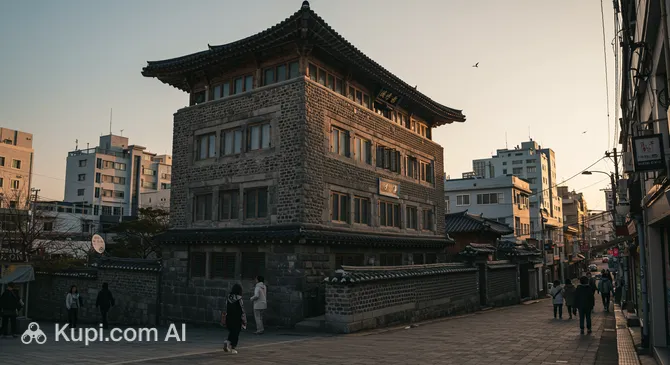
Jeju Mokgwana. Illustration.
Source: Kupi.com AI

Traveler photos:

The complex is impressive with its traditional Korean architecture. Visitors can explore various administrative buildings, elegant pavilions, majestic gates, and peaceful gardens, each of which tells its own part of the story. A walk through Jeju Mokgwana allows you to immerse yourself in the atmosphere of the past and appreciate the craftsmanship of ancient builders.

Today, Jeju Mokgwana is a popular tourist attraction. People come here to learn more about the history of the island's governance, its unique architecture, and its rich culture. The complex often hosts a variety of cultural events, themed exhibitions, and fascinating tours dedicated to the life and daily routines of Korean officials from past eras, making a visit even more educational and memorable.

Contacts

To find the most up-to-date information regarding opening hours and contact details for Jeju Mokgwana, we recommend visiting the official tourism portals of Jeju City or South Korea. Further details can also be obtained from local tourist information centers upon arrival. Generally, Jeju Mokgwana, located in Jeju City, is easily accessible by public transport or taxi.

How to contactContact
Address13 Gwandeok-ro 7-gil, Cheju, Jeju-do, South Korea
Phone number+82 64-710-6717
Websitewww.jeju.go.kr

What to Do

A visit to Jeju Mokgwana offers an immersion into the history and culture of Jeju Island. Guests can take a leisurely stroll through the extensive grounds of the complex, observing the meticulously restored historical buildings. Among them, the main hall, the majestic gates, and the cozy courtyards are particularly noteworthy, each preserving the atmosphere of bygone eras.

The pavilions of Jeju Mokgwana often host engaging themed exhibitions. These displays tell the detailed story of the officials who served here, the history of Jeju Island, and its unique traditions. Visitors can learn a great deal about the judicial system, administrative procedures, and the daily life of the Korean nobility during the Joseon Dynasty, making the visit both pleasant and educational.

In addition to exploring architectural monuments and exhibitions, Jeju Mokgwana also offers interactive activities. Guests can participate in workshops on traditional Korean crafts or try on the national dress, Hanbok, to take memorable photos in the picturesque corners of the complex. For young visitors and families, educational quests and games are often organized, ensuring that everyone finds something to enjoy.

Getting There

Reaching Jeju Mokgwana is quite simple, as this historical complex is located in the heart of Jeju City. Thanks to its central location, travelers have several convenient ways to get here. You can use the city buses that regularly run throughout Jeju City and get off at the stop nearest the complex, which is just a few minutes' walk from the entrance. This is an affordable and authentic way to get around while observing local life.

If you prefer a faster and more comfortable option, a taxi is an excellent choice. A ride from most central areas of Jeju City to Jeju Mokgwana won't take much time and is moderately priced. Alternatively, if you are staying nearby, a walk to this historical site can be a pleasant addition to your day, especially if the weather is nice for some leisurely exploration.

For those arriving in Jeju City via Jeju International Airport, the journey to Jeju Mokgwana is also straightforward. A taxi ride from the airport to the complex takes approximately 10–15 minutes, depending on traffic. You can also take public transport from the airport, which may take a bit longer but will save you some money.

Nearest city: Jeju City

History & Facts

Jeju Mokgwana, located in Jeju City, is a significant historical monument with a history dating back to the 15th century. Originally built as the primary administrative center of Jeju Island, it served as the heart of regional governance for many centuries. This was the site of the governor's residence, as well as key government offices responsible for the judiciary, tax collection, and overall management of the island.

Throughout its long history, the Jeju Mokgwana complex has faced many challenges. Over the centuries, various historical events led to the loss of some structures, after which the buildings were carefully restored and rebuilt. These different eras have left their mark on the appearance and character of this important site.

In the late 20th century, the Jeju provincial government undertook large-scale efforts to reconstruct Jeju Mokgwana. Thanks to this work, the complex has regained its historical appearance, recreating the atmosphere of past centuries. Today, Jeju Mokgwana is rightfully recognized as a valuable cultural heritage site and is protected by the state as one of the most important historical and architectural monuments on Jeju Island, attracting both locals and tourists interested in the rich past of South Korea.

Time Needed

To fully enjoy the atmosphere and explore Jeju Mokgwana, the former residence of the Jeju Island governor, it is worth setting aside about 1–2 hours. This is usually enough time for a leisurely look at the main complex and its historical significance.

During this time, you can take a peaceful walk through the picturesque grounds, admire the traditional Korean architecture of the buildings, including the main pavilions, and view the exhibits on display. This timeframe will allow you to get a comprehensive feel for Jeju Mokgwana without any rush.

Working Hours

Unfortunately, exact information regarding the current opening hours of Jeju Mokgwana in Jeju City is currently unavailable. To plan your visit effectively, we strongly recommend checking the official Jeju Mokgwana website for the current schedule or inquiring at local tourist information centers just before your visit.

It is also a good idea to find out in advance if ticket reservations or tour bookings are required, especially if you plan to visit during the peak tourist season. Typically, such historical sites are open to the public year-round, but there may be seasonal changes in the schedule or special events that are worth knowing about beforehand.

9:00 – 18:00

Nearby

Visiting Jeju Mokgwana is undoubtedly a highlight of any trip to Jeju City. However, to make your experience even more fulfilling, it is worth exploring what is in the immediate vicinity. Discovering the surrounding area will allow you to dive deeper into the city's atmosphere and discover other interesting corners of South Korea.

There are several noteworthy sites around Jeju Mokgwana, each unique in its own way. Whether it's historical monuments, cultural venues, or simply cozy spots to relax, exploring them will help you form a more complete picture of Jeju City.

NameDistance
Gwandeokjeong Pavilion0.1 km
Horse Meat Lab0.3 km
Tapdong Cinema Museum0.4 km
Asalam Restaurant0.4 km
Dongmun Traditional Market0.5 km
Jeju National Museum2.5 km
Jungjong Jeju Black Pork BBQ3.2 km

Have you reached the end of the page?

So the route has been studied inside and out