Support

Pungnammun Gate

About

Pungnammun Gate is a majestic historical city gate located in the heart of Jeonju, South Korea. More than just an architectural structure, it is one of the city's main symbols, representing an important monument of Korean architecture and the country's rich cultural heritage. These gates carry centuries of history and the spirit of the past.
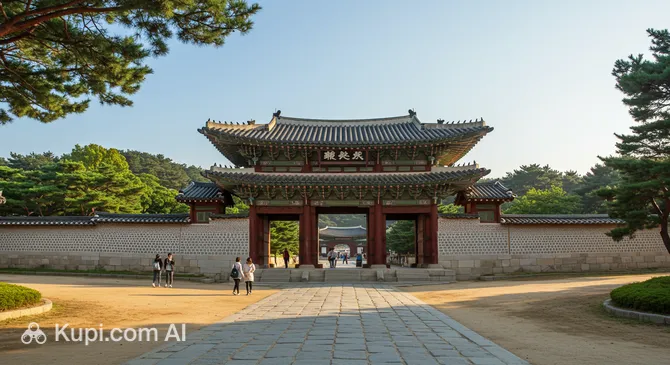
Pungnammun Gate. Illustration.
Source: Kupi.com AI

Traveler photos:

Originally, Pungnammun Gate served as a key element of the city's defensive system. It was an integral part of the massive city wall that protected Jeonju from external threats for centuries. Passing through these gates, you can literally touch history and imagine how life bustled in the ancient city.

Today, Pungnammun Gate has become a popular attraction that consistently draws both locals and tourists from around the world. Its unique architectural look, which preserves features of traditional Korean craftsmanship, and its unmistakably authentic atmosphere leave no one indifferent. Located in the lively Pungnam-dong district in the southeast of the city, the gate is conveniently close to other iconic Jeonju sites, making it a must-see on any travel itinerary.

Contacts

Pungnammun Gate is a historical site located in the city of Jeonju. Since it is primarily an architectural monument, there may not be direct contact details available for inquiries.

To reach Pungnammun Gate, you can use Jeonju's public transport or take a taxi. We recommend checking the route and access hours in advance on the official tourist websites of the city or South Korea, or at local tourist information centers.

How to contactContact
Address1 Pungnammun 3-gil, Wansan-gu, Jeonju, Jeonbuk State, South Korea
Phone number+82 63-287-6008
Websitewww.cha.go.kr

What to Do

A visit to Pungnammun Gate in Jeonju offers tourists the chance to connect with South Korea's history. First and foremost, you can examine the gate in detail, which is a brilliant example of traditional Korean fortification architecture. It is a wonderful place to take commemorative photos against the backdrop of an impressive structure that has preserved the spirit of past eras. Take note of the skillful work of the craftsmen who created this gate and appreciate its structural features.

Pungnammun Gate is not just a static monument. Various cultural events are often held nearby, allowing for a deeper immersion into the city's history and Korean traditions. These can include festivals, historical reenactments, or performances by artists. Such events add vibrant colors to the visiting experience and make it even more memorable.

Additionally, in the immediate vicinity of Pungnammun Gate lies another famous Jeonju attraction—the Jeonju Hanok Village. A stroll through this village will allow you to dive into the atmosphere of old Korea, see traditional houses, taste local dishes, and even participate in workshops for various crafts. Thus, a visit to Pungnammun Gate can easily be combined with exploring this unique cultural space.

Getting There

Pungnammun Gate is located in the southeastern part of Jeonju, in the area known as Pungnam-dong. Reaching this historical landmark is quite easy as it is conveniently situated near the city's main transport arteries. Major bus routes that connect the center of Jeonju with its historical quarters pass nearby, making public transport an excellent choice for your visit.

If you are traveling from central Jeonju, you can reach Pungnammun Gate by taxi or by one of the many buses. The journey typically takes between 10 and 20 minutes, although this may vary depending on traffic conditions. For those who prefer traveling by private or rental car, you'll be pleased to find parking areas available near the gate where you can leave your vehicle.

Nearest city: Jeonju

History & Facts

Pungnammun Gate is more than just an ancient structure; it is one of the most important historical symbols of Jeonju and a vivid witness to South Korea's rich past. Originally built as a key element of the city's defensive system, it was designed to protect residents from external threats. Its history is closely linked to the Joseon Dynasty, a period when such fortifications played a vital role in the security of Korean cities.

The architectural appearance of Pungnammun Gate is a fine example of traditional Korean architecture characteristic of the Joseon era. Its massive stone foundations, topped by an elegant wooden superstructure with a distinctive curved roof, reflect the urban gate construction standards of the time. Every detail of the structure served not only a defensive but also a symbolic function, emphasizing the status and significance of Jeonju.

Throughout its long history, Pungnammun Gate has undergone several restoration projects. These efforts were aimed at preserving its original historical appearance for future generations and ensuring safety for the many visitors who come to experience the past. Today, it is considered one of the few surviving fragments of the old Jeonju city wall, making it particularly valuable for studying the region's history and Korean fortification architecture.

A visit to Pungnammun Gate allows you not only to admire the craftsmanship of ancient builders but also to feel the atmosphere of old Jeonju. It serves as a silent reminder of South Korea's rich cultural heritage and is a popular spot for both tourists and locals interested in their country's history. A walk around the gate is an opportunity to imagine what the city looked like centuries ago and appreciate the importance of preserving such unique monuments.

Time Needed

When planning a visit to Pungnammun Gate in Jeonju, keep in mind that exploring the gate itself and its small surrounding area usually takes about 30 to 60 minutes. This time is sufficient to admire the architecture of this historical structure, take memorable photos, and feel the atmosphere of ancient South Korea. The gate is an important symbol of the city, and viewing it won't take much time if you are focused only on the monument itself.

However, many travelers prefer to combine a visit to Pungnammun Gate with a walk through the famous Jeonju Hanok Village, which is located in the immediate vicinity. If your plan includes exploring this village as well as other interesting sites nearby, it is recommended to set aside 2-3 hours for such an extended route. This will allow you to enjoy not only the gate but also the unique atmosphere of traditional Korean houses, visit local shops, and perhaps try local cuisine without rushing.

Thus, the duration of your visit to Pungnammun Gate will depend on your interests and plans. For a brief introduction to the landmark, half an hour is enough, but for a deeper immersion into the historical and cultural context of this area of Jeonju, it's better to plan for a few hours.

Working Hours

Exact information regarding the operating hours of Pungnammun Gate in Jeonju may vary, so it is highly recommended to check the current schedule on the official website of the attraction or at local tourist information centers before your visit. Typically, such historical sites are open to visitors throughout the day, but hours may change depending on the season.

As a rule, visiting such attractions in South Korea does not require advance ticket booking unless a special tour or event is planned. Nevertheless, checking this information beforehand will help avoid possible inconveniences and allow you to plan your visit in the best possible way.

Open 24 hours

Nearby

Exploring an iconic landmark like Pungnammun Gate is just the beginning of a fascinating journey through Jeonju. To truly soak up the city's atmosphere and make your trip even more rewarding, it's worth looking at the sites located nearby. Often, these "neighboring" spots hide real gems that allow for a deeper understanding of the region's culture and history.

A stroll around the area surrounding Pungnammun Gate will give you access to a variety of interesting locations, from historical monuments to colorful markets and picturesque corners. Each will add new colors to your impressions of South Korea and help form a more complete picture of multifaceted Jeonju. Below is a list of some attractions located nearby.

NameDistance
Nambu Market0.1 km
Jeondong Cathedral0.2 km
Gyeonggijeon Shrine0.3 km
Jeolla Provincial Government Office0.3 km
Jeonju Gaeksa (Pungpaejigwan)0.6 km
Jeonju Hanok Village0.6 km
Cheongyeollu Pavilion0.6 km

Have you reached the end of the page?

So the route has been studied inside and out