Support

Jeonju

About

Jeonju is a remarkable city that offers travelers the chance to immerse themselves in the atmosphere of authentic South Korea, where ancient traditions harmoniously intertwine with modernity. Located in the southwest of the country, in the heart of Jeollabuk-do province, Jeonju, with its population of 631,532 people, is rightfully considered the cultural and gastronomic jewel of the region.
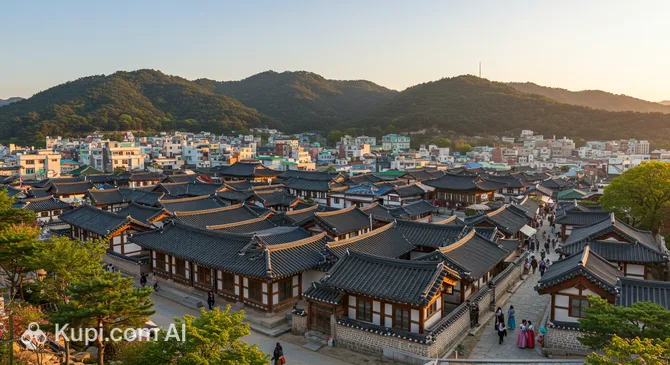
Jeonju. Illustration.
Source: Kupi.com AI

The city is famous for its rich history and unique architecture. One of its main attractions is the famous Jeonju Hanok Village, where you can see hundreds of traditional Korean "hanok" houses. A stroll through its narrow streets is a true journey through time. Also worth visiting is Jeondong Cathedral, the oldest Catholic cathedral in the country. Jeonju is known as the birthplace of the Joseon Dynasty, and many historical monuments have been preserved here, including Confucian schools and Buddhist temples.

But Jeonju is not just about diving into the past. The city is actively developing, offering guests modern art spaces, stylish cafes, and lively markets where you can feel the true rhythm of local life. A special, hospitable atmosphere reigns here, making a stay in Jeonju truly comfortable and memorable. Numerous festivals and creative quarters with street art add a unique charm to the city.

If you want to discover authentic Korea, get to know its rich culture, and enjoy the most delicious local cuisine and unique flavor, then Jeonju is exactly the place that should definitely be included in your itinerary.

You can find more interesting facts on the Jeonju city history page.
Weather Overview

The weather in Jeonju is characterized by clearly defined seasons. Summer, especially in July and August, is warm here, with average temperatures reaching 25–26°C (maximums can rise to 29–30°C), and it is also the wettest period of the year with the highest amount of precipitation and rainy days. Winters, by contrast, are cold, with average temperatures around 0–1°C in January and December, and minimum values dropping below freezing. Precipitation in winter is minimal. Spring and autumn are transitional seasons with moderate temperatures and rainfall. Expect a warm summer with occasional rain and cold, relatively dry winters. To find out more, study the detailed information about the Jeonju climate.

Average monthly temperature

Average monthly precipitation

Interesting Facts

Jeonju is not just a city with a rich history and beautiful architecture. It holds many fascinating secrets and surprising details that make it truly special for the curious traveler.

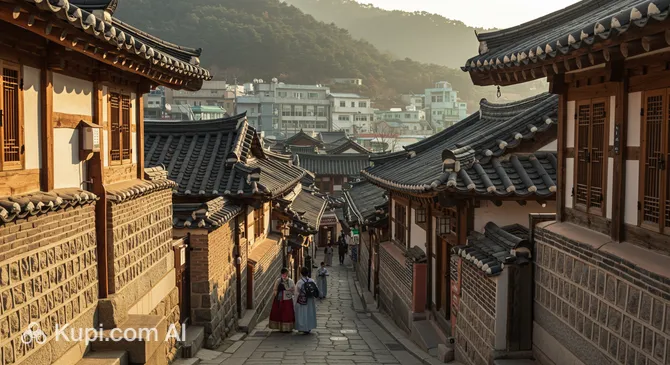
Jeonju Hanok Village. Illustration.
Source: Kupi.com AI

Traveler photos:

  • Jeonju boasts Korea's largest traditional hanok village—there are over 700 of them here! This picturesque district has preserved the atmosphere of the Joseon Dynasty era, and it is here that you will have the unique opportunity to try on the Korean national costume, hanbok.

  • The city is home to the iconic Omokdae Pavilion. According to legend, it was at this spot that the founder of the Joseon Dynasty, Yi Seong-gye (the future King Taejo), held a grand banquet to celebrate his victory over Japanese pirates. The pavilion offers a peaceful panoramic view of the city.

  • Jeonju is recognized as the gastronomic capital of Korea and the birthplace of the famous dish bibimbap. It is not just food but a true symbol of Korean cuisine. Every year, the city hosts a bibimbap festival, attracting gourmets from all over the world who wish to experience the authentic taste of this dish.

  • The city is known as the cradle of many prominent artistic figures, including painters, writers, and calligraphy masters. Their works can be seen, for example, at the Jeonju National Museum. Additionally, Jeonju is historically famous for the production of traditional Korean paper—hanji, the manufacturing secrets of which are passed down from generation to generation.

How to Get There

Jeonju is an important tourist hub, but getting here directly from abroad can be tricky as it lacks its own international airport. Most travelers use combined routes through the country's major hubs. You can find more details on how to get to Jeonju by exploring various transport options.

There is no airport in the city of Jeonju itself, but you can fly into Gwangju Airport (KWJ) in the city of Gwangju, which is about 84 km from Jeonju. This is a regional airport with average passenger traffic, serving domestic flights. The journey from there by taxi or bus will take about 1.5–2 hours.

Another convenient option is Cheongju Airport (CJJ) in the city of Cheongju. It is located a bit further away, approximately 103 km from the center of Jeonju. This is a fairly large international airport serving many flights. Ground transportation from here will take roughly 2–3 hours.

For clarity, here is summary information on the main airports located in neighboring cities:

AirportPassenger trafficDistance
Gwangju Airport2.0 mln84 km
Cheongju Airport4.6 mln103 km
Muan International Airport233 337116 km
Yeosu Airport1 mln119 km
Sacheon Airport219 289119 km

Rail service is another popular way to approach the region. One of the key transport hubs nearby is Daejeon Station in the city of Daejeon, located about 61 km from Jeonju. It is one of the country's largest railway stations with high passenger traffic, through which the main KTX lines pass. From Daejeon, Jeonju can be reached by bus or taxi.

It is also worth noting Gwangju-Songjeong Station in the city of Gwangju, located 84 km from Jeonju. This is an important hub for high-speed trains serving the southwestern region. The travel time from this station to Jeonju by road will also be a couple of hours.

Below is a table with the nearest major railway stations in neighboring cities:

StationPassenger trafficDistance
Daejeon Station18.6 mln61 km
Gwangju Songjeong Station3.4 mln84 km
Jinju Station118 km
Yeosu Expo Station133 km
Mokpo Station1.8 mln135 km

In addition to air travel and trains, the most common way to get to Jeonju from Seoul or Incheon Airport remains the intercity express bus. They depart regularly and deliver tourists directly to the Jeonju terminal, which is often more convenient and cheaper than transfers.

Main Attractions

Jeonju is a city with a rich history and culture, offering tourists many interesting places to visit. Here, everyone will find something for themselves: from traditional Korean villages to bustling markets and picturesque art corners. Immerse yourself in the atmosphere of this amazing city by exploring its main treasures.

One of the city's main gems is the Jeonju Hanok Village. It is the largest complex of traditional Korean hanok houses in South Korea, where you can literally dive into the atmosphere of old Korea. Here you will see over 800 beautifully preserved houses, many of which have been converted today into guesthouses, tea houses, craft workshops, and cultural centers. Walking through the narrow streets, the opportunity to try on a traditional Korean hanbok costume, and tasting local delicacies like the famous bibimbap make this place a must-visit.

Jeonju Hanok Village. Illustration.
Source: Kupi.com AI

Traveler photos:

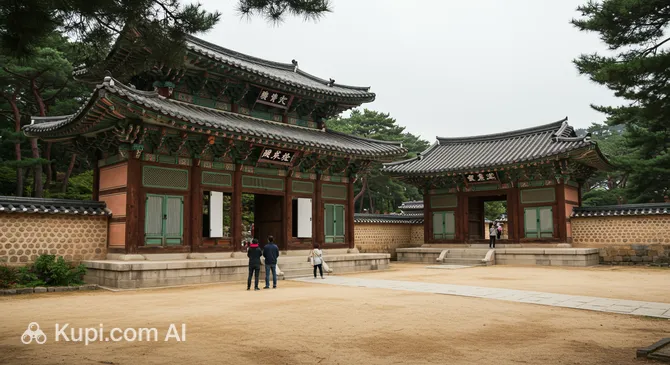
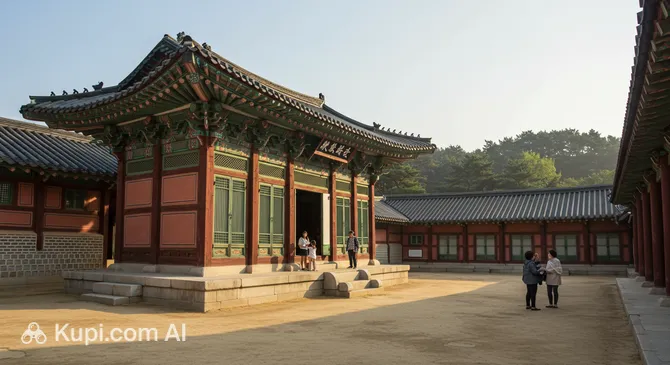
Not far from the Hanok Village is the Gyeonggijeon Shrine, built in 1410. It holds great historical significance as it houses the portrait of King Taejo, the founder of the Joseon Dynasty. The shrine is surrounded by a beautiful park with ancient trees and a well-kept bamboo grove, creating a peaceful atmosphere. It is an excellent place to learn about Korean history and enjoy a quiet, thoughtful walk.

Gyeonggijeon Shrine. Illustration.
Source: Kupi.com AI

Traveler photos:

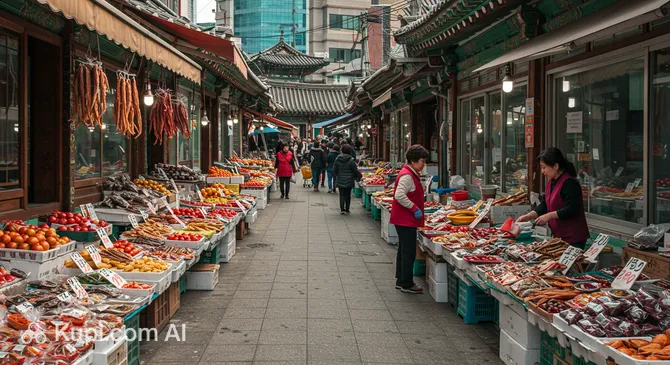
To feel the true rhythm of the city and try authentic Korean cuisine, head to Nambu Market. This lively traditional market has existed for over 200 years and is one of the oldest in the country. During the day, you can find fresh produce, clothing, household items, and souvenirs, and in the evening, the market transforms into a popular dinner spot, especially its famous "night alley" with a variety of street food. This is a wonderful opportunity to plunge into local life and enjoy a kaleidoscope of flavors.

Nambu Market. Illustration.
Source: Kupi.com AI

Traveler photos:

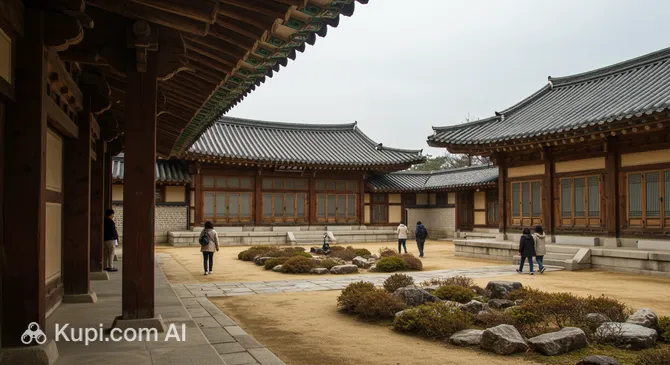
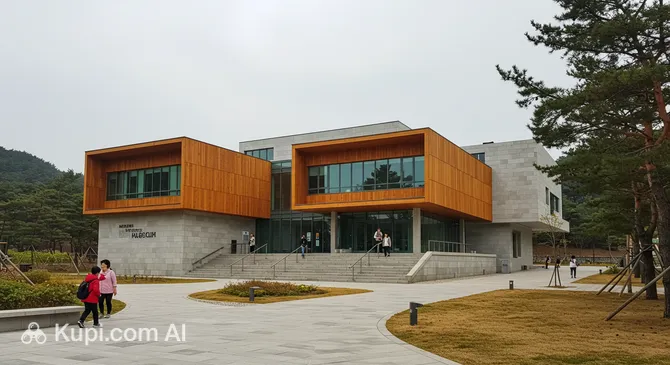
History and art lovers should visit the Jeonju National Museum. Its exhibition features numerous artifacts telling the rich history and culture of the Jeollabuk-do region, from prehistoric times to the Joseon era. The museum is known for its collection of ceramics, Buddhist art, historical documents, and artifacts found in the surrounding areas. It is an excellent place for an in-depth acquaintance with the cultural heritage of Jeonju and its important role in Korean history.

National Jeonju Museum. Illustration.
Source: Kupi.com AI

Traveler photos:

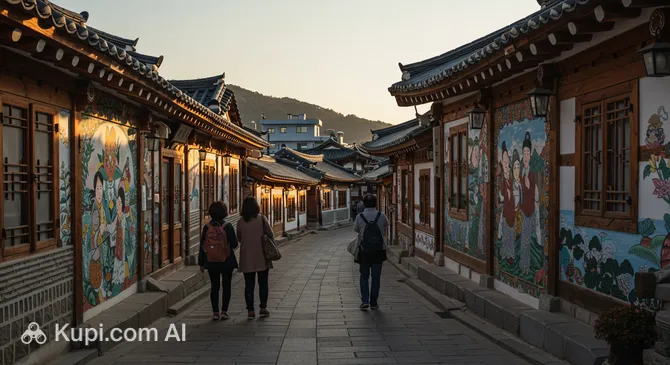
For fans of contemporary art and unusual photo locations, the Jaman Mural Village is an interesting spot. Located on a hill with a picturesque view of the Hanok Village, this once-modest village was transformed thanks to bright and original wall paintings created by local and guest artists. A walk through its narrow, winding streets will provide many positive emotions and colorful photos. Here you can also find cozy cafes with panoramic views, where it's nice to relax after a walk.

Jaman Mural Village. Illustration.
Source: Kupi.com AI

Traveler photos:

Local Cuisine

Jeonju is a true paradise for gourmets and the recognized gastronomic capital of South Korea. The city is famous for its culinary traditions, and its cuisine attracts connoisseurs from all over the world. The signature dish of Jeonju, without a doubt, is bibimbap—the famous bowl of rice, fresh vegetables, meat (or tofu), and the special spicy gochujang sauce. Legend has it that the secret recipe for bibimbap was passed down through generations and was so valuable it was kept under lock and key in aristocratic families. Trying authentic bibimbap is a mandatory item on the agenda for any visitor to the city.

Besides bibimbap, other local delicacies are worth tasting in Jeonju. Especially popular is kongnamul-gukbap—a hearty soup with soybean sprouts, rice, and various additives, perfect for breakfast. Those with a sweet tooth will enjoy the local Choco Pies, prepared here according to a special recipe, as well as delicate chapsaltteok rice buns with strawberries—incredibly fragrant. These treats have become unique gastronomic souvenirs from Jeonju.

As for drinks, in Jeonju, as in all of South Korea, the traditional rice alcoholic beverage makgeolli and its stronger version soju are popular. To get a deeper look at the history and culture of local drinks, you can visit the Korean Liquor Museum. Among non-alcoholic beverages, try the various herbal teas and refreshing sikhye—a sweet rice drink. Many cafes offer modern variations of drinks, including coffee and fruit smoothies.

Korea Sool Museum. Illustration.
Source: Kupi.com AI

Traveler photos:

The food culture in Jeonju is diverse. Locals and tourists alike enjoy visiting both traditional restaurants specializing in bibimbap or han-jeongsik (a full-course Korean meal) and lively street markets. One of the most famous is Nambu Market, where you can plunge into the atmosphere of real Korea and try a variety of street food: from fried dumplings and spicy tteokbokki snacks to the freshest seafood and ice cream with unusual flavors. Fresh farm products, vegetables, and fruits straight from the garden are also sold here.

The gastronomic scene of Jeonju is a vibrant combination of centuries-old traditions and modern trends. The city regularly hosts gastronomic festivals, the most famous of which is the Bibimbap Festival. Here you can not only try dozens of variations of this dish but also participate in culinary masterclasses, learn the secrets of local cuisine, and even participate in competitions for the best bibimbap presentation. A trip to Jeonju is a unique opportunity to experience authentic Korean cuisine in all its diversity.

Travel Tips

Welcome to Jeonju, a charming city with a rich history and culture in the heart of South Korea! To ensure your trip goes smoothly and leaves only pleasant impressions, we have prepared a few practical tips.

  1. Clothing and seasonal items: When planning for Jeonju, consider the four distinct seasons. In summer (June–August), you'll need light, breathable clothing, while in winter (December–February), a warm jacket, hat, and gloves are necessary. Spring and autumn offer mild weather, perfect for light jackets and sweaters. Be sure to pack comfortable walking shoes, a universal adapter (South Korea uses type F sockets), and sunscreen. When visiting traditional Korean houses, temples, or cultural and historical sites such as Hanok Village or Gyeonggijeon Shrine, show respect by choosing modest clothing that covers shoulders and knees.
  2. City Transport: It is convenient to get around Jeonju by city bus—the main form of public transport. There is no subway in the city. Taxis are readily available and can be hailed on the street or found at special stands. The Kakao T app is very popular for calling a taxi. Car rental is possible with an international driving permit, but navigation and parking can be challenging for foreigners; public transport is often a more efficient and economical option.
  3. Finances and Currency: The national currency is the South Korean Won (KRW). You can exchange money at banks or exchange offices, but there may be fewer of them in Jeonju than in major tourist centers like Seoul, so it's better to arrange an exchange in advance or actively use ATMs. Credit and debit cards (Visa, Mastercard) are accepted almost everywhere, but small family-run shops and traditional markets may prefer cash. Be sure to inform your bank about your upcoming trip. ATMs with an English language option are widespread (look for the "Global ATM" icon). Tipping is not customary in South Korea.
  4. Health and Safety: Pharmacies (marked with the word 약 "yak" and a green cross) are easy to find in the city, but 24-hour ones are not very common. The quality of medical care in South Korean hospitals is high; it is strongly recommended to take out travel insurance before your trip. To call emergency services (ambulance, fire), dial 119. Jeonju, like most cities in South Korea, is considered a very safe city. Nevertheless, take standard precautions against petty theft, especially in crowded places and on public transport.
  5. Language and Communication: The official language is Korean. English may be understood at tourist sites, hotels, and among young people, but do not expect universal proficiency. Learning a few basic Korean phrases will be highly appreciated by locals: "Annyeong-haseyo" (안녕하세요) – Hello, "Kamsahamnida" (감사합니다) – Thank you, "Mian-hamnida" (미안합니다) – I'm sorry, "Juseyo" (주세요) – Please give me. A tourist SIM card with internet access can be purchased at Incheon Airport upon arrival or at mobile phone shops and convenience stores (편의점 - pyeon-ui-jeom) in Jeonju. Free Wi-Fi is available in many cafes, shopping malls, public places, and even some buses. For navigation, we recommend using local apps KakaoMap or Naver Maps (Google Maps has limited functionality for walking and driving routes in Korea), and for translation—Papago.
  6. Local Etiquette and Traditions: When greeting people, Koreans usually bow slightly; handshakes are also common, especially in business settings or when meeting foreigners. In public places, especially on transport, try not to speak too loudly or cause inconvenience to others. When giving or receiving items (e.g., money, business cards), it is customary to use both hands or use the right hand while lightly supporting it with the left at the wrist or elbow—this is a sign of respect. Politeness and respect for elders are highly valued in Korean culture.
  7. What to Avoid: Try not to stick your chopsticks vertically into a bowl of rice, as this action resembles ritual incense used at funerals and is considered a bad omen. Also, avoid writing people's names in red ink—historically, this has been associated with death or something negative.
  8. Local Highlights of Jeonju: Jeonju is famous for its cuisine, especially bibimbap, and its rich traditional culture. To dive deeper into local life, be sure to visit Nambu Market, known for its lively atmosphere, night fair (on weekends), and authentic street food. For those interested in Korean traditions, it will be fascinating to learn more about the production of local hanji paper—Jeonju is one of the centers for its manufacture. If your trip coincides, try to visit one of the city's famous festivals, such as the Jeonju International Film Festival (JIFF), which attracts filmmakers from around the world, or the colorful Jeonju Bibimbap Festival, dedicated to the city's main gastronomic symbol.

We hope these tips help you better prepare for your trip and enjoy every moment of your stay in Jeonju. This welcoming city is ready to open its cultural treasures to you and give you many unforgettable impressions!

Entertainment & Nightlife

When the sun sets over Jeonju, the city doesn't go to sleep but transforms, offering guests a variety of options for evening and night relaxation. Although Jeonju is better known for its history and traditional culture, its nightlife can pleasantly surprise with its energy and diversity, especially in areas popular with youth and students.

The main centers of nightly activity in Jeonju are considered to be the area around Jeonbuk National University, known as "Sin-sigaji" (the new city center), and the growingly popular Gaeksa quarter, especially the part called Gaekridan-gil. Many bars, cafes, restaurants, and clubs are concentrated here. It is also worth mentioning Nambu Market, which turns into a lively night market with street food and entertainment on weekends.

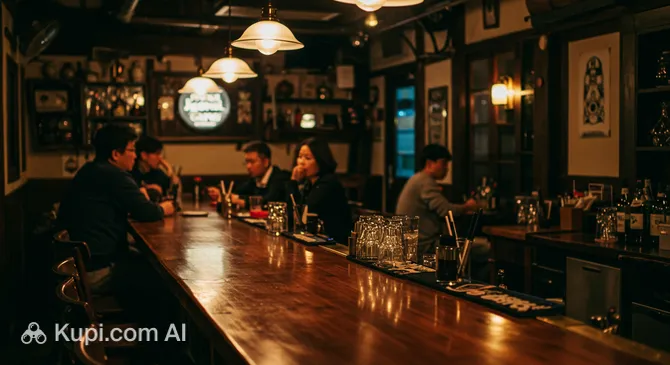
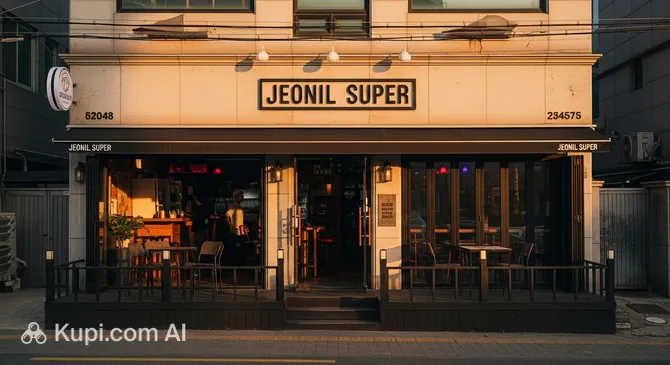
The choice of venues in Jeonju is quite wide: from cozy traditional "makgeolli" drinking establishments to modern bars and small clubs. For those looking for an authentic Korean experience, it's worth stopping by one of the many bars specializing in local drinks. For example, you can visit places like Jeonil Gapo or Jeonil Super, where you can try various snacks and drinks in a relaxed atmosphere. Late-night restaurants offer Korean cuisine until the early hours, and in some places, you can find live music.

Jeonil Gap'o. Illustration.
Source: Kupi.com AI

Traveler photos:

Jeonil Super. Illustration.
Source: Kupi.com AI

Traveler photos:

The atmosphere in Jeonju's nightlife venues is generally friendly and relaxed. The crowd is mostly local, with many students, especially in the university area. Most bars and restaurants are open until midnight or 1–2 AM, while clubs may close later, around 3–4 AM, especially on weekends. There is usually no strict dress code; the style is casual, but some clubs might not allow overly sporty clothing.

The best time to visit nightlife venues is Friday and Saturday evenings when the city comes alive. Prices in Jeonju's bars and clubs are generally lower than in Seoul. The average check for a drink in a bar can vary but is overall affordable. Public transport runs less frequently at night, so taxis become the primary way to get around. You can call a taxi through apps (e.g., Kakao T) or flag one down on the street in busy areas.

Jeonju is considered a relatively safe city, even at night. The main nightlife districts are well-lit and patrolled. Nevertheless, it's always worth taking standard precautions: keep an eye on your belongings and avoid poorly lit or deserted places if you are walking alone. Calling a taxi via an app is a reliable way to get back to your hotel.

During the day, Jeonju also offers many interesting activities. The city is famous for its Jeonju Hanok Village, where you can immerse yourself in traditional Korean culture. History and art lovers can visit the Jeonju National Museum or the unique Korean Liquor Museum. For family holidays, amusement parks such as Jeonju Dreamland or the Jeonju Zoo are suitable.

Parks & Museums

Jeonju is a city where history and modernity blend harmoniously, offering guests both peaceful green oases for relaxation and rich cultural venues for immersing themselves in the heritage of South Korea. Here, everyone will find something to their liking, whether it's a walk through a picturesque park or exploring unique museum exhibits.

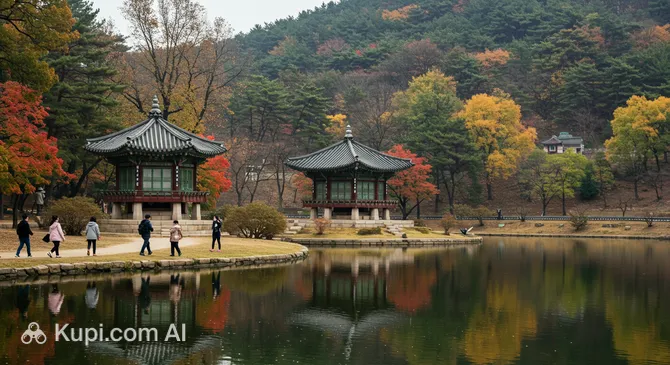
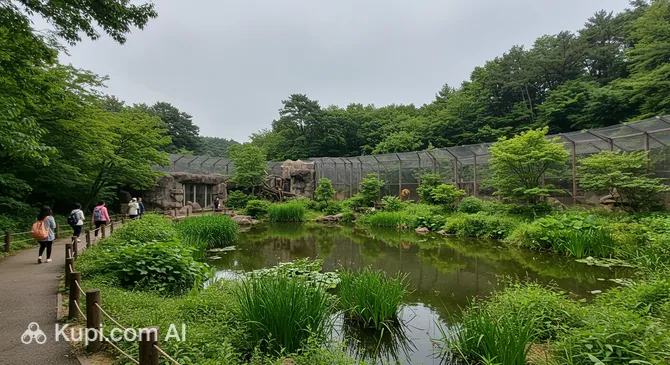
One of the most beloved holiday spots for citizens and tourists is Deokjin Park. It is especially famous for its large lotus pond, which blooms lushly in summer, creating a truly magical sight. In the park, you can take a leisurely stroll across picturesque bridges, enjoy nature, and take beautiful photos. For a family holiday, the Jeonju Zoo is also perfect, where you can see various animals and spend a pleasant time outdoors surrounded by greenery.

Deokjin Park. Illustration.
Source: Kupi.com AI

Traveler photos:

Jeonju Zoo. Illustration.
Source: Kupi.com AI

Traveler photos:

The cultural life of Jeonju is equally rich. It is definitely worth visiting the Jeonju National Museum, which houses thousands of artifacts telling the history and culture of the Jeollabuk-do region. The exhibits cover periods from prehistoric times to the Joseon era, allowing for a deep dive into the past. Another iconic site is the National Intangible Heritage Center. Here you can learn about traditional Korean crafts, music, dance, and other art forms that are carefully passed down from generation to generation. For lovers of unusual exhibits, the Korean Liquor Museum is interesting, offering a fascinating introduction to the history and traditions of producing national drinks.

National Intangible Heritage Center. Illustration.
Source: Kupi.com AI

Traveler photos:

Korea Sool Museum. Illustration.
Source: Kupi.com AI

Traveler photos:

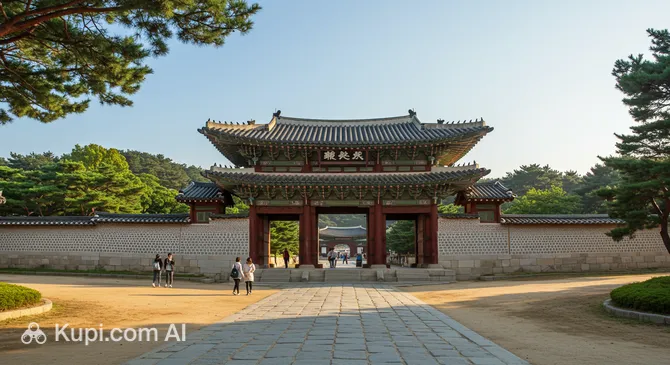
Jeonju is famous for its historical architecture, and exploring it is an integral part of any visit. The heart of the city is rightfully considered the Jeonju Hanok Village—the largest traditional Korean village in the country, with over 800 preserved hanok houses. A walk through its narrow, cobbled streets is a real journey through time. Nearby is the Gyeonggijeon Shrine, built in the 15th century to house the portrait of the founder of the Joseon Dynasty, King Taejo. It is also worth seeing the majestic Pungnammun Gate—the southern gate of the former city fortress, and Jeonju Hyanggyo, an ancient Confucian school that is still used for traditional ceremonies and is an important cultural site.

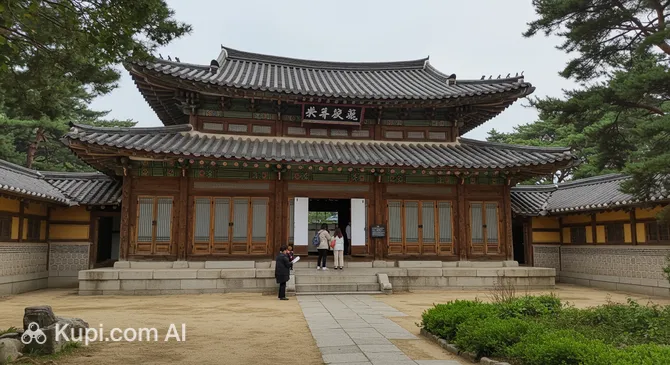
Pungnammun Gate. Illustration.
Source: Kupi.com AI

Traveler photos:

Jeonju Hyanggyo. Illustration.
Source: Kupi.com AI

Traveler photos:

For those seeking authentic experiences and wanting to see something less touristy, we suggest looking into the Jaman Mural Village. This small, colorful neighborhood, located on a hill overlooking the Hanok Village, is decorated with bright murals and art installations created by local artists. It is a great place for a leisurely walk and colorful photos, away from the main tourist routes. Also, don't miss the chance to visit the famous Nambu Market, especially its night section on weekends, where you can try various street foods and immerse yourself in the lively atmosphere of local life.

Nambu Market. Illustration.
Source: Kupi.com AI

Traveler photos:

Getting Around

Public transport in Jeonju is mainly represented by an extensive bus network, which is the most convenient and economical way to get around the city. There are no subways, trams, or trolleybuses in Jeonju.

The core of the transport system consists of city buses on various routes that cover almost all districts. Buses are easily recognizable by colors, which may indicate the type of route (for example, blue for main city routes, green for suburban or those with less coverage). Information on routes and schedules can be found at stops, as well as in popular Korean navigation apps such as Naver Maps or KakaoMap, which are very helpful for tourists.

For fare payment, T-money or Cashbee transport cards are the most convenient. These cards are valid throughout South Korea and can be purchased and topped up at most convenience stores (GS25, CU, 7-Eleven) or at special machines at bus terminals. When using a card, the fare is usually slightly cheaper than when paying with cash, and importantly, it allows for free or discounted transfers between buses within a certain time (usually 30–60 minutes). The cost of a single bus trip when paying by card is approximately 1,300–1,500 KRW. Cash payment is also possible, but it is recommended to have the exact amount, as drivers may not always have change.

When entering the bus, you must tap your transport card against the validator. It is also important to tap the card against the validator when exiting the bus, especially if you plan to transfer—without this, the transfer discount will not apply. Buses usually run from early morning (around 6:00 AM) to late evening (around 11:00 PM–12:00 AM), but the schedule may vary depending on the route.

As an alternative to buses, taxis are widely available in Jeonju. They can be hailed on the street, found at designated taxi stands, or called via apps (e.g., Kakao T). The cost of a taxi ride starts with a base fare (about 3,800–4,000 KRW for the first 2 km) and then increases based on distance and time of day (the fare is higher at night). In some parts of the city, especially in parks or along the waterfronts, bike rental services may be available, which is a great way for leisurely rides and sightseeing.

Accommodation

Jeonju offers travelers a variety of accommodation options to suit different preferences and budgets. You will find traditional Korean hanok houses here, offering a unique cultural experience, as well as modern hotels, guesthouses, and apartments for short-term rental.

An especially popular area to stay is in the vicinity of the famous Jeonju Hanok Village, where you can stay in an authentic Korean house. Staying here allows for a deeper immersion in the atmosphere of old Korea and keeps you within walking distance of many cultural sites. The central districts of the city are also convenient for accommodation, providing easy access to transport hubs, restaurants, and shops.

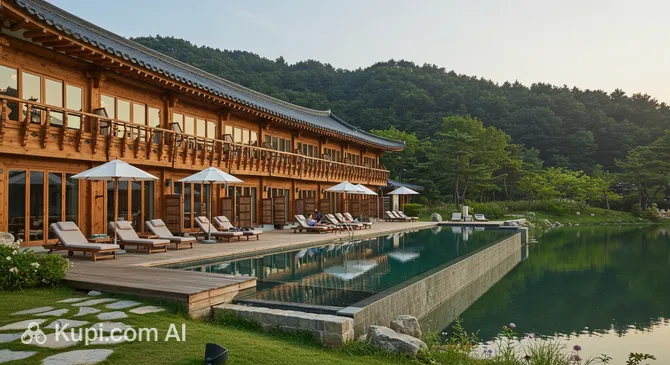
Jeonju features hotels of various levels, from budget options to more comfortable mid-range hotels. For those looking for a relaxing stay with additional amenities, resort hotels might be suitable. For example, one such place is the Sangga Resort & Spa.

Sangga Resort & Spa. Illustration.
Source: Kupi.com AI

Traveler photos:

As for the price range, it varies from budget hostels and guesthouses to mid-range and higher-class hotels. It is recommended to book accommodation in advance, especially if your trip coincides with the peak tourist season or the time of major festivals. For searching and booking, it is convenient to use popular online platforms or contact the chosen hotel directly.

Nearby Cities

For those looking to explore the surrounding area, Jeonju serves as an excellent starting point for day trips to several interesting nearby locations:

CityPopulationDistance
Iksan302 31019 km
Gimje88 47922 km
Gunsan275 15540 km
Masan429 61258 km
Daejeon1 475 22162 km

These nearby destinations provide insight into the diverse culture and landscapes of the region. Each trip promises new discoveries and impressions, complementing your journey to South Korea.

Shopping & Souvenirs

Jeonju, known for its rich culture and history, offers tourists a variety of shopping opportunities—from traditional handicrafts to modern goods. The city is especially famous for its hanji paper, buchae fans, and delicious local bibimbap, souvenir versions of which can also be found. Here you can find large shopping malls as well as authentic markets and small shops.

The main shopping areas in Jeonju are considered to be the district around Gaeksa-gil street, popular among young people due to the many clothing, cosmetics, and accessory stores, as well as the alleys in the famous Hanok Village, where workshops and stores with traditional Korean goods and souvenirs are concentrated.

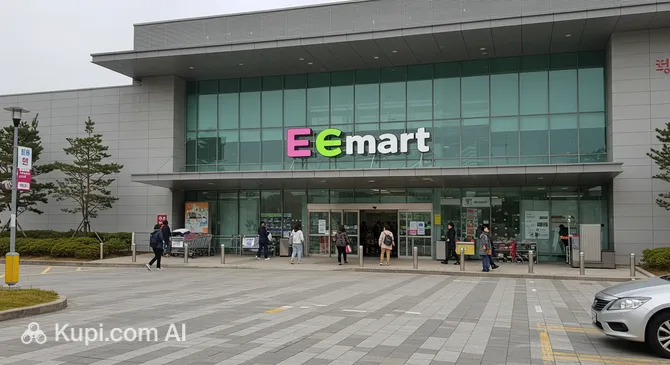
For those who prefer shopping in large complexes, there are several options in Jeonju and its surroundings. Among them are chains such as E-mart Iksan and Homeplus. These hypermarkets offer a wide range of goods: from food and household chemicals to clothing and electronics.

E-mart Iksan. Illustration.
Source: Kupi.com AI

Traveler photos:

Markets hold a special place in Jeonju's shopping culture. The most famous of them is Nambu Market. This is a lively place where you can find fresh produce, ready-made street food, clothing, household items, and much more. On weekend evenings, a night market also opens here with various delicacies and entertainment, making it popular with both locals and tourists.

As souvenirs from Jeonju, it is worth bringing back hanji paper products (for example, notebooks, lamps, dolls), traditional Korean buchae fans, ceramics, the local alcoholic drink makgeolli, or the famous Choco Pies in their original version from Jeonju. Sets for making bibimbap and various traditional sweets are also popular.

Most shops in Jeonju typically operate from 10:00–11:00 AM to 8:00–10:00 PM. Large shopping centers may have longer opening hours. Markets, especially food markets, start working early in the morning. Bank cards are accepted almost everywhere, but cash may be preferred in markets and small shops.

For foreign tourists in South Korea, a Tax Free system is in place. When making purchases of a certain amount in participating stores (look for the corresponding logos), you can fill out documents for a VAT refund when leaving the country. Usually, this can be done at the airport or at special refund points in the city.

Reached the end of the page?

That means the route is fully explored