Support

Iksan

About

Iksan is a picturesque city located in the heart of the Jeollabuk-do province, in the southwest of South Korea. It is famous for its cozy atmosphere and leisurely pace of life, offering guests a harmonious blend of ancient traditions and modern amenities. Iksan is conveniently located, making it an excellent starting point for exploring the historical and natural treasures of the region.

With a population of approximately 302,310 people, Iksan is one of the significant cities in the province. It plays an important role in the cultural and educational life of the region, with actively developing crafts, tourism, and modern technologies. The city attracts visitors with its unique atmosphere, where narrow streets sit alongside spacious parks, and ancient temples neighbor modern museums and cozy cafes.
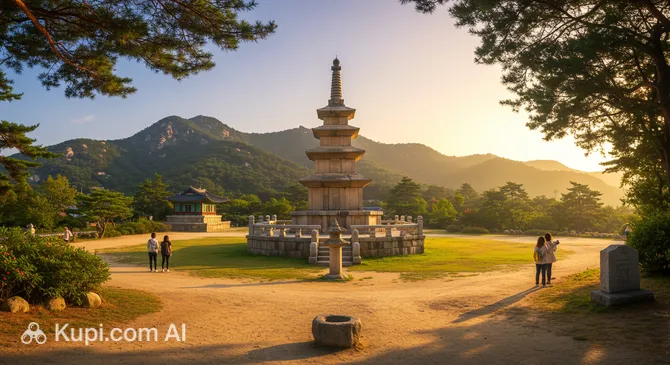
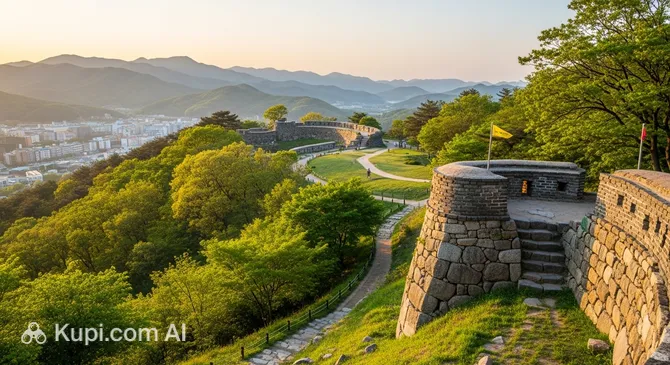
Iksan. Illustration.
Source: Kupi.com AI

The main reasons to visit Iksan are its unique historical monuments and picturesque natural spots. Tourists can enjoy meditative walks through bamboo groves, explore ancient temples that hold centuries of history, or immerse themselves in the lively atmosphere of local markets. The warm hospitality of the local residents makes staying in the city even more pleasant.

Iksan is the perfect place for those who want to experience the authentic Korea, enjoy unhurried strolls, and immerse themselves in the country's rich history and culture. This city is sure to leave warm memories and offer many discoveries.

You can find more interesting facts on the history of Iksan page.
Weather Overview

The weather in Iksan is characterized by four distinct seasons. Summer, especially in July and August, is warm, with average temperatures reaching 25.9°C - 26.8°C. July is also the wettest month, with the highest amount of precipitation (9 mm) and rainy days (17). Winters are quite cold, with the average temperature in January dropping to 0.6°C and in December to 2.0°C, while precipitation during these months is minimal. Overall, expect a warm summer with occasional rain and cool, relatively dry winters.

Spring and autumn offer mild transitional periods. For instance, in April, the average temperature is around 13.0°C, and in October, it is a comfortable 15.6°C. For a more detailed forecast and information by month, you can study the climate of Iksan.

Average monthly temperature

Average monthly precipitation

Interesting Facts

Beyond its well-known attractions, Iksan holds many amazing stories and little-known details that make it truly unique. Ready to learn a few of them?

Baesan Park. Illustration.
Source: Kupi.com AI

Traveler photos:

  • Iksan is often called the "City of Jewels." This fame comes from its rich history of jewelry making. The city is even home to a famous Jewelry Museum, which features rare exhibits telling the story of the craft's development, for which Iksan is renowned throughout South Korea.

  • In ancient times, Iksan played a vital role as one of the key centers of the ancient Baekje Kingdom. The majestic ruins of the Mireuksa Temple Site, one of the largest Buddhist temples in East Asia, serve as a reminder of this period and are shrouded in many ancient legends.

  • The city boasts unique architectural monuments that reflect its multi-layered history and religious diversity. Notable among these are the ancient Wanggung Five-story Stone Pagoda and the Nabawi Catholic Church, showcasing the intertwining of different cultural and spiritual traditions.

  • Traditional markets like Jungang, Bukbu, and Geumma hold a special place in the city's culture. Visiting these markets is not just an opportunity to buy fresh produce or crafts, but a chance to dive into the authentic atmosphere of everyday Korean life and learn about local trading customs and hospitality.

How to Get There

Iksan is an important transport hub in Jeollabuk-do province, easily accessible from various parts of the country. Thanks to a developed infrastructure, travelers can choose the most suitable route by combining air travel and ground transport. You can find more details on how to get to Iksan by exploring all available options to plan your perfect trip.

There is no civil airport within the city of Iksan itself, so travelers typically use air hubs in neighboring cities. One of the closest is Cheongju Airport (IATA: CJJ), located in the city of Cheongju. It is approximately 98 km from Iksan. This is a medium-sized international airport that accepts flights from several Asian countries. The journey from there by taxi or bus takes about 2.5–3 hours.

An alternative option is Gwangju Airport (IATA: KWJ), located in the city of Gwangju, about 92 km from Iksan. This airport primarily serves domestic flights. Travel time by ground transport is approximately 2.5 hours. Also active in the region is Muan International Airport (MWX), located a bit further away but still serving as an important entry point for tourists.

For convenience, here is a summary of the main airports located relatively close to the city:

AirportPassenger trafficDistance
Gwangju Airport2.0 mln92 km
Cheongju Airport4.6 mln98 km
Muan International Airport233 337118 km
Yeosu Airport1 mln136 km
Sacheon Airport219 289138 km

Railway connection is one of the most popular ways to reach the region. If you are planning a complex route with transfers, it's useful to know about the major stations nearby. For example, Daejeon Station is a major transport hub located in Daejeon, about 59 km from Iksan. Thanks to the huge passenger flow, it is easy to depart from here in almost any direction. A car trip from this station to Iksan takes about 1 hour and 50 minutes.

Another significant hub is Gwangju-Songjeong Station (IATA: XNJ), located in Gwangju, 90 km from Iksan. This station also serves high-speed trains and provides convenient connections to the southern regions of the country. You can get from here to Iksan in about 2.5 hours by taxi or intercity bus.

Below is a table with information about the nearest major railway stations in neighboring cities:

StationPassenger trafficDistance
Daejeon Station18.6 mln59 km
Gwangju Songjeong Station3.4 mln91 km
Jinju Station137 km
Mokpo Station1.8 mln138 km
Yeosu Expo Station150 km

Main Attractions

Iksan, nestled in the Jeollabuk-do province of South Korea, offers its guests not only a look into the region's rich history but also opportunities for pleasant relaxation. Among the city's interesting spots are picturesque parks and authentic establishments that allow for a deeper understanding of the local culture.

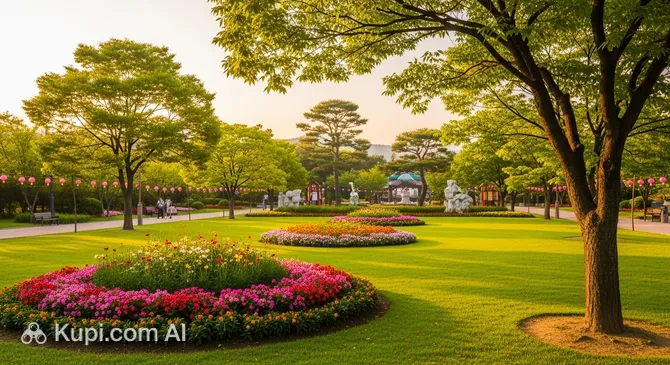
One of the city's main green oases is Baesan Park. It is a wonderful place for leisurely walks, family picnics, or simply relaxing in nature. The park attracts visitors with its well-kept paths and peaceful atmosphere, offering a chance to escape the city bustle and enjoy the fresh air.

Baesan Park. Illustration.
Source: Kupi.com AI

Traveler photos:

Equally attractive is Mohyeon Park. It is also famous for its beautiful landscapes and is a popular vacation spot for both locals and tourists. Here, you can find secluded corners for nature contemplation or spend time with family, enjoying the silence and harmony.

Mohyeon Park. Illustration.
Source: Kupi.com AI

Traveler photos:

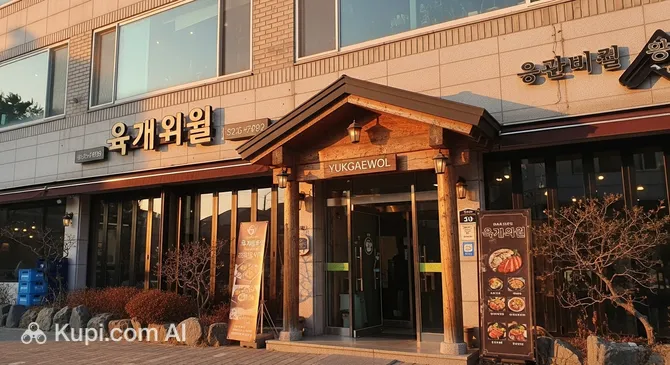
For those who want to explore the gastronomic side of Iksan, the Yukgaewol restaurant is worth noting. Visiting this establishment is an opportunity to try local cuisine and experience Korean hospitality. Gastronomic impressions often become a highlight of any trip, and Iksan provides good opportunities for this.

Yukgaewol. Illustration.
Source: Kupi.com AI

Traveler photos:

Local Cuisine

The gastronomic world of Iksan is a real discovery for any foodie traveling through South Korea. The city is famous for its culinary traditions, offering unique flavors and dishes. One of the main stars of the local cuisine is undoubtedly Iksan bibimbap – a special variation of the famous Korean dish of rice with fresh vegetables, egg, meat (or tofu), and spicy gochujang paste, seasoned with local spices. Due to its proximity to the sea, Iksan also highly values dishes made from the freshest seafood, prepared in a wide variety of ways.

Street food in Iksan is a separate chapter of the culinary journey. At the lively markets and city streets, you can try all kinds of mouth-watering snacks: from crispy pyanse (steamed buns with filling) and aromatic fried squid to sweet tteok rice cakes. Don't miss the chance to taste seasonal delicacies, such as dishes made from young soybeans or fermented vegetables, prepared according to ancient recipes passed down through generations. These dishes reflect the region's deep connection to its agricultural traditions.

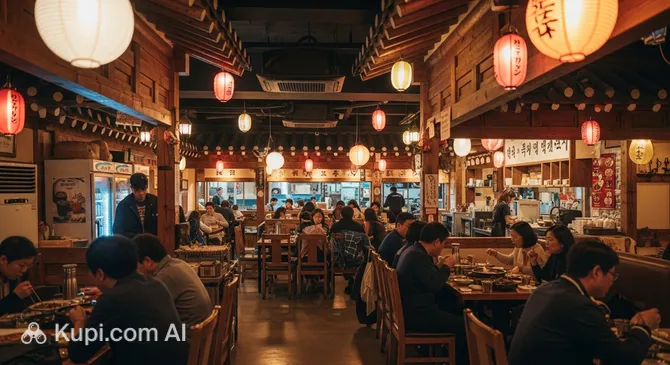
Among drinks, a special place is held by the traditional Korean rice wine makgeolli, which perfectly complements many local dishes. Various teas and soft drinks based on local herbs and fruits are also popular. Locals and tourists enjoy meals both in cozy restaurants offering classic dishes and at colorful street markets. Particular attention should be paid to Iksan's farmers' markets, where fresh vegetables, fruits, homemade sauces, and pickles are sold year-round. Here you can not only buy products but also talk to the vendors, who are happy to share the secrets of their family recipes. To taste authentic dishes, you can stop by one of the local restaurants, for example, Yokuyamachi.

Yokuyamachi. Illustration.
Source: Kupi.com AI

Traveler photos:

Iksan often serves as a venue for vibrant gastronomic festivals. This is a wonderful opportunity not only to try various local dishes in one place but also to participate in workshops, such as making kimchi or even makgeolli. The atmosphere of such holidays is always filled with mouth-watering aromas, music, and fun, allowing you to truly experience the hospitality and rich culinary culture of Iksan.

Travel Tips

Planning a trip to Iksan? Wonderful! To ensure your journey through this interesting city in South Korea goes smoothly and leaves only pleasant impressions, we've prepared a few practical tips.

  1. Clothing and Essentials: The climate in Iksan is clearly divided into four seasons. In summer (June-August), it's hot and humid, so bring light clothing, a hat, and sunscreen. In winter (December-February), it can be cold and snowy – you'll need a warm jacket, hat, and gloves. Spring and autumn are the ideal times for a visit with comfortable temperatures. Be sure to bring comfortable shoes for walking around the city and historical sites, as well as a power adapter (type F, the same as in most European countries). When visiting temples and other religious sites, dress modestly (it is recommended to cover your shoulders and knees).
  2. Getting Around the City: Iksan is an important transport hub, so the public transport system is well-developed. The main way to get around the city is by bus. Also, KTX high-speed trains pass through Iksan, making it a convenient starting point for traveling across the country. Taxis are available; you can use apps popular in South Korea like Kakao T. Car rental is possible, but for city travel, public transport often turns out to be more convenient and economical.
  3. Financial Matters: The official currency is the South Korean Won (KRW). You can exchange money at banks or exchange offices; in Iksan, these can be found in the city center or at the station. Bank cards (Visa, Mastercard) are accepted in most shops, restaurants, and hotels, but it's always useful to carry some cash for small purchases, markets, or small establishments. International cards usually work without problems, but just in case, notify your bank about your trip. ATMs that support foreign cards (look for the "Global ATM" sign) are quite common. Tipping in South Korea is not expected.
  4. Health and Safety: Pharmacies (look for the "약" - "yak" sign) are easy to find in Iksan, but 24-hour ones may be rare, especially in non-central areas. It's better to have a basic set of medicines with you. South Korea in general, and Iksan in particular, are very safe places for tourists. Observe normal precautions: watch your belongings in crowded places and don't leave valuables unattended. To call emergency services (ambulance, fire), dial 119. Having travel medical insurance is highly recommended.
  5. Language and Connectivity: The official language is Korean. English is common among the youth and in tourist zones, but not all locals speak it. Learn a few basic phrases: "Annyeonghaseyo" (Hello), "Kamsahamnida" (Thank you), "Joesonghamnida" (Sorry). For ease of communication and navigation, purchase a local SIM card (available at the airport, in mobile phone stores, or convenience stores) or rent a portable Wi-Fi router. Free Wi-Fi is often available in public places, cafes, and at metro/train stations. Useful apps: Naver Maps (for navigation, often more accurate than Google Maps in Korea), Papago (translator), and KakaoTalk (a popular local messenger).
  6. Local Etiquette: When greeting locals, especially elders, a slight bow is appropriate. When giving or receiving items (e.g., money in a store, business cards), use both hands or your right hand while lightly supporting it with your left at the elbow or wrist – this is a sign of respect. In public places, especially on transport, try to be quiet and avoid talking loudly on the phone. Following these simple rules will help you make a good impression and avoid awkward situations.
  7. What to Avoid: Do not point at people or objects with one finger – instead, use an open palm. Avoid writing people's names in red ink, as in Korean culture, the color red is sometimes associated with death and used for recording the names of the deceased. It is also considered impolite to blow your nose loudly at the table while eating or on crowded public transport.
  8. A Feature of Iksan: Iksan is a city with a rich history, especially from the ancient Baekje Kingdom period. Be sure to set aside time to visit the ruins of the Mireuksaji Temple Site (a UNESCO World Heritage site) and the Wanggungni Archaeological Site. These places will allow you to touch antiquity. Additionally, Iksan is known as the "City of Jewelry," so you can find unique jewelry and souvenirs here, especially at specialized markets or stores.

We hope these tips make your stay in Iksan as comfortable and fulfilling as possible. This city is ready to reveal its historical secrets and give you unforgettable impressions. Enjoy your trip!

Entertainment & Nightlife

When the sun sets, Iksan transforms, offering guests a variety of opportunities for evening and night-time relaxation. While the city may not compare in scale to the nightlife of Seoul, there are definitely places to have a fun and interesting time. The atmosphere is generally lively, especially on weekends when locals and students come out to unwind.

The main nighttime activity in Iksan is usually concentrated in several key areas. Check out the Yeongdeung-dong district, known for its numerous restaurants, bars, and shops. The area around Wonkwang University is also popular, where the youth gather. Here you will find establishments for every taste – from traditional Korean pubs to modern bars.

The choice of entertainment is wide: from cozy bars where you can chat with friends over a glass of beer or soju, to karaoke bars (noraebang), which are an integral part of Korean leisure culture, and small clubs with local DJs. While Iksan might not be famous for large concert halls, you can find performances by local bands in small venues or at events, especially in the university districts. Also, keep an eye out for local night markets if they are being held – it's a great way to soak up the authentic atmosphere and try street food. Many restaurants stay open until late at night, offering both traditional Korean cuisine and international dishes. The crowd is mostly local, friendly, and open. The dress code in most places is casual, unless it is a particularly trendy club.

For a pleasant dinner that could be the start of a great evening, consider establishments like the Yukgaewol restaurant, known for its meat dishes, or Yokuyamachi, where you can try Japanese cuisine. These places are excellent for enjoying a delicious meal in a pleasant setting before heading out to further explore Iksan at night.

When planning an evening out, keep in mind that most establishments start to come alive after 8:00 PM - 9:00 PM and stay open until late at night, with some clubs running until morning. Prices in Iksan's bars and restaurants are generally moderate. The most convenient way to get around the city at night is by taxi. You can hail them on the street or book them through apps popular in South Korea, such as Kakao T.

Iksan is considered a fairly safe city, even at night. However, as with anywhere, it's worth taking basic precautions: stick to well-lit and busy streets, especially if you are walking alone. Ordering a taxi via an app is a reliable way to get back to your hotel or apartment.

During the day, Iksan also has plenty to offer. You can stroll through picturesque parks like Baesan Park or Mohyeon Park, visit local museums to get closer to the region's history and culture, or explore other city sights. Thus, Iksan is capable of offering a full program both day and night.

Parks & Museums

Iksan offers its guests both pleasant green corners for outdoor relaxation and opportunities to explore the cultural and historical heritage of the region. Here, you can find peace in the parks and dive into the past by exploring significant sites.

Among the city's green zones, several popular spots for walking and relaxation stand out. Baesan Park is a great place for those who want to enjoy nature without leaving the city limits. It offers well-kept paths, recreation areas, and beautiful landscapes, making it attractive for family walks and quiet pastimes. Another wonderful place is Mohyeon Park, which is also popular with locals and tourists. This park is known for its picturesque views and opportunities for active recreation, offering visitors fresh air and space for relaxation.

Baesan Park. Illustration.
Source: Kupi.com AI

Traveler photos:

While specific museums in Iksan are not featured in this current overview, the city, with its rich history dating back to the times of the ancient Baekje state, undoubtedly hides interesting cultural treasures. Travelers should look for local museums and exhibition halls dedicated to archaeological finds and the region's history. Exhibits detailing the Baekje heritage will help in gaining a deeper understanding of the cultural significance of Iksan.

Mohyeon Park. Illustration.
Source: Kupi.com AI

Traveler photos:

Iksan and its surroundings preserve traces of centuries-old history. Besides the parks, the city can offer tourists historical monuments and architectural sites that bear witness to its past. Exploring such places will allow for a better understanding of the stages of the city's development and its role in the history of South Korea.

For a more authentic experience of Iksan, we recommend straying off the beaten tourist paths. Visit local markets to immerse yourself in the daily life of the townspeople, or explore small temples and shrines that may not be as well-known but hold their own unique atmosphere and history.

Getting Around

Getting around Iksan is quite convenient thanks to a developed public transport system, the core of which is city buses. They cover most areas of the city, connecting residential quarters, business centers, and tourist attractions. This is the most economical and popular way to get to know the city.

The bus network in Iksan is well-organized. Routes and schedules are usually indicated at stops, although information in English may not be available everywhere. For ease of trip planning and real-time bus tracking, it is highly recommended to use local navigation apps such as Naver Maps or KakaoMap, which provide up-to-date information and help build the optimal route.

The primary means of payment for public transport in South Korea, and Iksan is no exception, are transport cards such as T-money or Cashbee. These cards can be purchased and topped up at most 24-hour convenience stores and at metro stations in large cities (though Iksan itself does not have a metro, the card will be useful for traveling around the country). The cost of a single bus trip when paying with a transport card is usually around 1,250-1,350 won. Paying by card also often provides a discount compared to paying in cash and allows for free or discounted transfers between buses within a certain timeframe. When entering the bus, the card must be tapped against the validator; on some routes or to account for transfers, the card must also be tapped when exiting. Cash payment to the driver is possible, in which case the trip will cost about 1,300-1,500 won, but it is recommended to have the exact amount as change may not always be available.

Buses in Iksan usually start running early in the morning and stop late in the evening, but schedules can vary depending on the route. During peak hours, buses can be crowded. It's important to remember that stop announcements inside the bus are most often in Korean, so navigation apps with GPS tracking will be especially useful for tourists.

In addition to buses, taxis are widely available in Iksan. They can be hailed on the street, found at special stands, or ordered through mobile apps like Kakao T. Most taxis accept both cash and bank cards. The basic fare for a taxi ride is usually around 3,800-4,800 won (including the first few kilometers), after which the cost is added at about 100 won for every 130-140 meters. This is a more expensive but more comfortable way to travel, especially if you are traveling with luggage or heading to places that are difficult to reach by public transport.

For short distances or walks through specific areas, you can consider bicycle rentals. Public bike-sharing systems may not be as widespread as in large metropolises, but it's worth checking for local services upon arrival. Sometimes bikes can be rented from private rental points. Regarding car sharing, services like Socar or GreenCar exist in South Korea, but their availability and ease of use for foreign tourists in Iksan may be limited and often requires a local driver's license or ID. For moving between Iksan's main attractions, which can be significantly distant from each other, buses or taxis would be a more practical choice. The city is also an important railway hub through which KTX high-speed trains pass, connecting it with other major cities in the country, but this pertains to intercity travel.

Accommodation

In Iksan, travelers will find a variety of accommodation options to suit different preferences and budgets. The city offers both modern hotels and more traditional Korean guesthouses (hanoks), as well as motels, which are a popular and affordable choice in South Korea. The range of housing varies from budget options to mid-range hotels offering a comfortable stay.

When choosing a place to stay, consider areas near major transport hubs, such as the Iksan KTX Station, which provides convenience for moving around the city and its surroundings. Areas with good infrastructure, where restaurants and shops are concentrated, are also popular. While specific hotels are not listed here, there are plenty of options in the city that can be found on popular online booking platforms.

Accommodation prices in Iksan can generally be described as moderate. Budget travelers can find inexpensive guesthouses and motels, while mid-range hotels offer more amenities at a reasonable price. It is recommended to book your accommodation in advance, especially if your trip coincides with national holidays or peak tourist seasons, to ensure the best choice and prices. Most accommodation options are easy to find and book through well-known international and local online platforms, as well as directly on hotel websites.

Nearby Cities

For those who want to explore the surrounding area, Iksan serves as an excellent starting point for day trips to several interesting nearby locations:

CityPopulationDistance
Gimje88 47917 km
Jeonju631 53219 km
Gunsan275 15522 km
Boryeong101 85255 km
Daejeon1 475 22160 km

These nearby destinations provide insight into the diverse culture and landscapes of the region. For example, Jeonju, located just 19 km away, is famous for its historical Hanok Village and is the birthplace of the famous bibimbap dish. Daejeon, situated 60 km away, is known as the country's scientific and technological center, offering visitors modern museums and parks. A trip to Gwangju (89 km) will allow you to explore its rich artistic heritage and the history of the democratic movement.

Shopping & Souvenirs

Shopping in Iksan might not compare to the scale of Seoul or Busan, but the city offers its own opportunities for pleasant purchases. Here you can find both everyday goods and interesting local products. Iksan is not famous for any specific goods nationwide, but here you can immerse yourself in the atmosphere of local shopping, distinct from the bustle of megapolises.

Main shopping areas in Iksan are usually concentrated in the city center, possibly near the railway station or on the main streets. Here you will find a variety of shops: from small boutiques and chain clothing stores to cosmetics and electronics shops. Just take a stroll through the busy blocks, and you are sure to discover interesting places for shopping.

While Iksan is not a hub for giant malls, the city likely has several shopping centers or department stores. These can be standalone buildings or departments within large supermarkets. Such places typically offer a wide range of goods: clothing, shoes, accessories, household items, and cosmetics. It's best to check for information on specific shopping centers locally or at a tourist information center.

Be sure to visit the local markets (sijang) if you want to feel the true flavor of South Korea. In Iksan, as in most Korean cities, there are surely traditional markets selling fresh produce, local delicacies, clothing, household goods, and more. It's a great place to try street food and buy something authentic. Even if you don't plan on buying anything, a walk through such a market will be an interesting experience.

As souvenirs from Iksan and South Korea in general, you can bring back traditional Korean hanji paper and items made from it, high-quality Korean tea, ginseng products, and ceramics. Korean cosmetics are also popular and can be found in specialized stores. Additionally, look out for local sweets and snacks – they can make a great gift. You might find unique crafts in Iksan that reflect the culture of the Jeollabuk-do region.

Shops in Iksan are usually open from 10:00-11:00 AM until 8:00-10:00 PM. Large shopping centers may stay open longer, and markets often start working early in the morning. As for payment, most shops and shopping centers accept credit cards (Visa, Mastercard). However, at markets and in small shops, it is preferable to have cash (Korean Won, KRW). Mobile payment systems are also widely used in South Korea.

For tourists in South Korea, there is a Tax Free system. If you make purchases of a certain amount in stores with the corresponding label ("Tax Free" or "Global Blue"), you can get a partial VAT refund. To do this, you need to keep your receipts and fill out special forms. The refund can be processed at the airport when leaving the country or at specialized refund points in the city.

Reached the end of the page?

That means the route is fully explored