Support

Gimje

About

Gimje is a picturesque and cozy city spread across the vast western plains of Jeollabuk-do province. Located in the heart of South Korea, it is famous for its unique landscapes for a mountainous peninsula—endless horizons and golden rice fields. Here, modern city amenities harmoniously blend with a measured, traditional lifestyle, creating a special atmosphere of peace and tranquility.

Geographically, the city is strategically located about 35 kilometers west of the administrative center of Jeonju. With a population of approximately 88,500 people, Gimje retains the charm of provincial comfort while remaining an important cultural and agricultural center of the region. The climate here is favorable for farming, which has defined the appearance and character of this area for centuries.
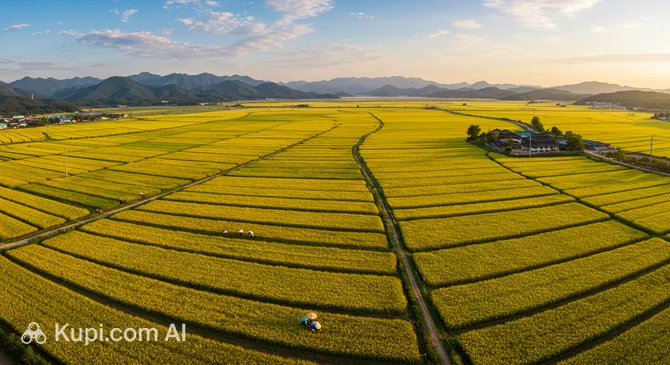
Gimje. Illustration.
Source: Kupi.com AI

The cultural heritage of the region is inextricably linked to the land. The deep history of Gimje as a center of rice production is reflected in numerous monuments and traditions. Travelers should visit the ancient irrigation structures, considered some of the oldest in Asia, as well as the majestic Buddhist temples where you can touch Korea's spiritual roots. The local festivals dedicated to the horizon and the harvest deserve special attention, attracting guests with their brightness and authenticity.

Gimje is an ideal destination for those who want to take a break from the bustle of megacities and enjoy gastronomic delights made from the freshest local products. Come here to see the real Korea, walk through the picturesque plains, and experience the sincere hospitality of the local residents.

Weather Overview

The climate of Gimje is characterized by distinct seasonality, allowing travelers to choose the optimal time for a visit depending on their preferences. Winters here are cool and quite dry: in January, the average temperature is about 0.7°C, and at night it can drop to -2.8°C. There is little precipitation in the winter months, so outdoor walks can be quite comfortable with warm clothing.

Spring arrives quickly, bringing pleasant warming: while the air warms up to an average of 7.8°C in March, by May the temperature reaches 17.7°C. Summer in the region is hot and humid. The warmest month is August with an average of 26.9°C, but you should consider the monsoon season—July sees the highest number of rainy days (up to 17 per month). Expect a warm summer with occasional rain and cold, dry winters.

Autumn is considered one of the best periods for a trip: the heat subsides, and in September a comfortable temperature of around 22.5°C is established, gradually decreasing to 9.3°C by November. Before planning your journey, we recommend checking the detailed weather in Gimje to pack correctly and enjoy the beauty of the local landscapes in any conditions.

Average monthly temperature

Average monthly precipitation

Interesting Facts

In addition to its famous landmarks, Gimje holds many fascinating stories and unique features that reveal the city from a new perspective. Here are a few facts to help you better understand the unique character of this place.

  • The Only Land Horizon. South Korea is a predominantly mountainous country, and seeing a horizon line on land is practically impossible here. Gimje is a unique exception: thanks to its vast plains, this is where you can watch the sky merge with the earth rather than the sea. This rare natural phenomenon has become the main theme of the famous Horizon Festival.

  • An Ancient Engineering Wonder. The city is rightfully called the "cradle of Korean rice" thanks to the Byeokgolje Dam. It is one of the oldest irrigation structures in the country, built back in the 7th century. The scale and clever design of the structure testify to the high level of engineering thought of the ancient Koreans, who managed to turn these lands into a fertile oasis.

  • The Legend of One Night. A popular legend among locals tells of a mythical hero from the Baekje era. According to the legend, to save the crops dying from drought, he built the giant Byeokgolje Dam in just one night. This story of selflessness became an important part of the city's cultural identity and comes to life annually in theatrical performances.

  • A Spiritual Treasure Trove. Geumsansa Temple, founded over a thousand years ago, is known far beyond the province. It is not just a religious site, but a storehouse of rare Buddhist relics. The complex is considered one of the centers of Buddhism in the region, where ancient architecture is harmoniously integrated into the surrounding landscape.

How to Get There

When planning a trip to this colorful corner of South Korea, it is important to think through the logistics in advance. The city is located in Jeollabuk-do province and has convenient connections with neighboring regions. You can find out more details on how to get to Gimje by exploring all available route options, including flights and rail transport.

Although Gimje does not have its own airport, travelers can use the airports in neighboring cities. One of the closest options is Gwangju Airport (KWJ), located in the city of Gwangju. The distance to Gimje is about 75 km, making it a convenient arrival point for domestic flights. The journey by taxi or bus from there will take approximately 2 hours and 15 minutes.

For international and regional flights, Cheongju Airport (CJJ), located in the city of Cheongju, is also suitable. This is a larger transport hub that serves a significant number of passengers. It is located about 115 km from Gimje, and a trip by car will take about 3 hours and 15 minutes. This is an excellent choice if you are planning a trip through the central part of the country.

For clarity, here is summary information for the main airports:

AirportPassenger trafficDistance
Gwangju Airport2.0 mln75 km
Muan International Airport233 337101 km
Cheongju Airport4.6 mln115 km
Yeosu Airport1 mln125 km
Sacheon Airport219 289133 km

Rail travel is another popular way to reach the region. Gimje itself does not have a major junction railway station receiving KTX high-speed trains from all directions, so tourists often use stations in neighboring metropolises. For example, Gwangju Songjeong Station (XNJ) in Gwangju is located about 74 km from Gimje. This is a modern transport hub from which you can reach your destination by bus or taxi in about 2 hours and 10 minutes.

Another important transit point is Daejeon Station, located in the city of Daejeon, at a distance of about 75 km. It is one of Korea's largest railway hubs with huge passenger traffic, through which the country's main routes pass. Travel time from the station to Gimje by car will be about 2 hours and 15 minutes.

Below is information about the nearest railway stations:

StationPassenger trafficDistance
Gwangju Songjeong Station3.4 mln74 km
Daejeon Station18.6 mln75 km
Mokpo Station1.8 mln121 km
Jinju Station133 km
Yeosu Expo Station140 km

Main Attractions

Gimje's attractions offer travelers a unique immersion into Korea's agricultural history and spiritual traditions. The city, known for its endless horizons, preserves monuments that tell the story of a thousand-year connection between man, earth, and sky. Here are a few iconic places that should definitely be included in your travel itinerary.

Geumsansa Temple is perhaps the region's most famous spiritual sanctuary, located on the picturesque slopes of Moaksan Mountain. Founded during the Baekje Kingdom era, the temple complex impresses with its scale and architectural grandeur. Its main jewel is the three-story Mireukjeon Hall, designated as a national treasure. Tourists come here not only for the ancient architecture but also to enjoy the silence of mountain trails, participate in a temple-stay program, and see the cherry blossoms in spring or the fiery maples in autumn.

Byeokgolje Dam is not just a hydraulic structure, but a true symbol of the city and the oldest reservoir in the country, dating back to 330 AD. Today, the area around the dam has been transformed into a vast cultural park. The main attraction here is a giant sculpture of two dragons, which serves as a magnificent backdrop for photos. Visitors can stop by the Irrigation Museum to learn how ancient engineers managed water, or simply stroll through the park, which hosts the famous Horizon Festival annually.

Manghaesa Temple offers a completely different experience compared to traditional mountain monasteries. Its name translates to "temple looking at the sea," and it is indeed situated at the water's edge, offering a stunning view of the Mangyeong River estuary and the Yellow Sea. This place is famous for its sunsets: the sight of the sun dipping below the horizon to the sound of an evening bell creates an incredibly peaceful atmosphere. It is an ideal location for those seeking solitude and beautiful landscapes.

Arirang Literature Village will be of interest to those who want to better understand Korean history of the early 20th century. The complex is based on Jo Jung-rae's famous novel "Arirang" and reproduces the daily life and architecture of the colonial period. Walking through the streets of the village, tourists can see the police station building, the post office, and residential houses of that time. It is a "living museum" that allows you to clearly imagine how people lived during one of the most difficult eras in the country's history.

Local Cuisine

Gimje's gastronomic scene is a true paradise for lovers of slow food and simple, honest farm food. Since the city holds the unofficial title of the region's rice capital, it is this cereal that becomes the main star of the local table. Travelers should definitely order "ssalpap"—a dish where the main ingredient is selected premium-quality steamed rice. It is served with a rich set of seasonal side dishes (panchhans), and it is here that you can experience the true, sweetish taste of fresh grain grown in the flooded fields of the Honam Plain.

Another hallmark of local cuisine is the traditional "bibimbap." In Gimje, it is prepared with special care, using the freshest vegetables from neighboring farms and secret variations of the spicy gochujang sauce. For those who prefer more filling dishes, it is recommended to try locally raised duck or chicken. The poultry is often prepared as rich soups with rice or roasted with wild herbs, which gives the meat a unique aroma and tenderness.

Among drinks in this rice-rich region, makkoli—traditional Korean rice wine—is the king of the table. Local variations of this drink feature a mild, creamy taste and perfectly complement spicy dishes. Those who prefer non-alcoholic options will appreciate sikhye—a sweet and refreshing drink made from fermented rice, or fragrant teas brewed from local grains and medicinal herbs.

The food culture in Gimje is inextricably linked to markets and festivals. To immerse yourself in the city's atmosphere, visit the traditional markets where local women sell homemade sauces, marinades, and dozens of types of kimchi, recipes for which are passed down from generation to generation. A special gastronomic liveliness reigns during the Horizon Festival: here you can try the best street food, such as hot rice flour pancakes, and even participate in master classes on cooking national dishes.

Travel Tips

Gimje is a city with a special rhythm of life, where nature and centuries-old agricultural traditions come to the forefront. To ensure your trip through these picturesque plains is as comfortable as possible, we have prepared a list of important practical recommendations.

  1. Clothing and Seasonality. The climate in South Korea has pronounced seasonality. It is hot and humid in summer, so choose light natural fabrics, but be sure to bring a raincoat in case of monsoons. For visiting Geumsansa Temple and walking along Byeokgolje Dam, you will need comfortable, proven shoes—you'll be doing a lot of walking. If you plan a visit to Buddhist sanctuaries, avoid overly revealing clothing (short shorts and tank tops).

  2. Transport Nuances. Gimje does not have a subway, and the bus network, while connecting main locations, can have long intervals, especially on routes to distant attractions. The most convenient option is to rent a car or use taxis. We strongly recommend installing the Kakao T app: it allows you to call a car without knowing the language and see the trip cost in advance.

  3. Finances and Cash. Although cards are accepted almost everywhere, Gimje is a city with strong traditions of street markets and small family shops. You will definitely need cash won to buy local delicacies, souvenirs, or to pay the fare on some buses. ATMs are available in the city center and at banks, but they are harder to find in rural areas, so withdraw money in advance.

  4. Health and Protection. Gimje is surrounded by rice fields and bodies of water, which create ideal conditions for insects. In summer and early autumn, be sure to have quality mosquito repellent with you. Pharmacies in the city are marked with the symbol "약," but there are few 24-hour locations, so it's better to bring a basic set of medicines with you.

  5. Communication and Navigation. English is less common here than in Seoul. For communication, download the Papago translation app (it handles Korean better than others). For navigation, use only Naver Map or KakaoMap—global maps like Google Maps work with restrictions in Korea and do not build walking routes.

  6. Etiquette. Greet locals with a slight bow. An important rule of politeness: when receiving or giving anything (money, a business card, a gift), use two hands. When entering residential premises, temple halls, and some traditional restaurants with floor seating, you must remove your shoes.

  7. What to Avoid. Never stick your chopsticks vertically into a bowl of rice—this resembles a memorial rite and is considered bad luck. Also, try not to behave noisily in temple areas and on public transport: Koreans highly value public peace and personal space.

  8. Insider Tip. Plan your trip for autumn, especially early October. This is when the famous Horizon Festival takes place, and you can not only see incredible landscapes but also buy the best new-harvest rice as a unique and useful souvenir.

Gimje will give you a unique experience of peaceful, contemplative relaxation away from the noise of megacities. By following these simple tips, you can easily find a common language with the locals and take home only the warmest memories of the "rice capital" of Korea.

Entertainment & Nightlife

The nightlife in Gimje is significantly different from bustling metropolises like Seoul or Busan. Here you won't find huge night clubs with world-class DJs or endless bar streets that never sleep. Instead, the city offers a cozy, authentic atmosphere where evening entertainment focuses on socializing, delicious food, and local flavor. It is the perfect place to immerse yourself in the true Korean "drinking gathering" culture and relax in the company of friends.

The epicenter of evening activity is in the central Yochon-dong district and the area around the city terminal. This is where locals gather after work as the neon signs light up. The primary format for venues is traditional Korean bars called "hof." It is customary to order beer and generous appetizers, the main hit being "chimek"—crispy fried chicken with cold lager. The dress code here is as casual as it gets: everyday clothes are appropriate everywhere.

If you want to get a taste of the local nightlife, be sure to check out one of the popular spots in the center:

  • Yeokjeon Grandma Beer – a legendary pub chain adored for its ice-cold beer (served in frozen mugs) and incredibly tasty yet inexpensive snacks. A noisy, fun atmosphere is guaranteed here.

  • Crown Hof – another favorite spot for city residents, decorated in a retro style. It's worth trying the pizza or dried squid here while enjoying a draft beer, which is famous for its freshness.

After a hearty dinner and drinks, an evening in Gimje traditionally continues at a noraebang (karaoke). This is perhaps the main nighttime entertainment for Koreans of all ages. You will easily find many such establishments in the city center, including "Coin Noraebang," where you can sing a couple of songs in a small booth for just a few coins. It's a great way to relieve stress and have fun, even if you aren't a professional singer.

For lovers of a quieter evening, consider the screenings at Gimje Jipyeongseon Cinema. This is a small but modern movie theater that serves as an important cultural center for locals. Also, during the warmer months, we recommend evening strolls through the Byeokgolje complex: the illumination of ancient structures and dragon sculptures creates a mystical and romantic atmosphere, perfect for ending the day.

Practical Tips:
Gimje is a very safe city, and night walks carry no risks. However, keep in mind that public transport stops running quite early, around 10:00 PM – 11:00 PM. If you stay out late, it's best to take a taxi. You can hail cars on the street near the terminal or use the Kakao T app, which eliminates the problem of explaining your address. Most places close by midnight or 1:00 AM, so it's better to start your evening early.

Parks & Museums

Gimje offers travelers a harmonious blend of natural beauty and deep cultural immersion, where green zones flow seamlessly into historical spaces. The city, known for its endless horizons, carefully preserves its heritage through well-maintained parks and unique museum complexes that tell the story of the Korean people through the prism of farming and literature.

Among the natural areas, Moaksan Provincial Park holds a special place. It is the main green artery of the region, surrounding the majestic Moaksan Mountain. The park is perfect for hiking enthusiasts: there are picturesque trails of varying difficulty leading through dense forests to the summit, which offers a panoramic view of the plains and the city. In spring, the mountain slopes are covered in a pink foam of cherry blossoms, and in autumn, they turn into a sea of fiery red maples, making the park a popular spot for photoshoots and picnics.

Another important location is the area around Byeokgolje Dam, which today has been transformed into a vast open-air cultural park. This is not just a historical monument, but a full-fledged recreation area with walking alleys, traditional swings, and the famous giant sculpture of two dragons. The park's spacious lawns serve as venues for festivals, but on ordinary days, a peaceful atmosphere reigns here, ideal for leisurely strolls and contemplation of nature.

For those who want to better understand the history of the region, the Byeokgolje Irrigation Museum opens its doors. Located within the eponymous park, the museum fascinatingly tells the story of agricultural development in South Korea. The exhibition includes ancient tools, interactive models of water systems, and historical documents. This place will be of interest to tourists wishing to learn how the engineering mind of ancestors turned these lands into a fertile breadbasket.

An equally significant cultural site is the Arirang Literature Museum, located next to the Literature Village. It is dedicated to Jo Jung-rae's monumental epic novel, which describes the difficult period of Japanese colonization. The museum halls house the author's manuscripts, personal belongings, and historical artifacts of that era. Visiting the museum allows you not only to get acquainted with Korean literature but also to emotionally experience the dramatic pages of the country's history through the fates of fictional and real heroes.

Insider Tip: If you are looking for solitude away from popular tourist paths, head to the coast in the Simpo Port area. Although it is not a park in the classic sense, the waterfront here offers stunning views of the Yellow Sea and a fresh sea breeze. It is a great place for a quiet sunset walk, where you can watch the fishing boats and enjoy the natural silence.

Getting Around

The public transport system in Gimje is significantly different from the transport networks of large metropolises. There is no subway here, and the rhythm of life is much slower, so the main way for locals and tourists to get around is by bus. The city bus network connects the center with residential areas, the railway station, and main attractions such as Geumsansa Temple and Byeokgolje Park. However, travelers should keep in mind that intervals can be quite long: from 20 minutes in the center to an hour or more on suburban routes.

For paying fares, it is most convenient to use unified transport cards such as T-money or Cashbee. They work throughout the country, including Gimje. You can purchase and top up a card at any convenience store (GS25, CU, 7-Eleven), which are found at every turn. The fare when paying by card is slightly lower than with cash, plus it eliminates the need to look for change. It is important to remember the rule: you must tap your card on the validator twice—when entering through the front door and when exiting through the back. This is necessary for the correct calculation of the fare, especially if the route is distance-based.

Gimje Station plays the role of an important transport hub, but more for intercity than for intra-city travel. KTX (high-speed) and ITX-Saemaeul trains arrive here, connecting the city with Seoul and neighboring regions. For tourists, this is a convenient entry point where you can transfer to a bus or taxi to reach your hotel or tourist locations.

Given the specific bus schedules, a great alternative is taking a taxi. Cars in Gimje are clean and safe, and prices are quite affordable compared to the capital. You can hail a car on the street in busy areas, but it is more reliable to use the Kakao T mobile app. It allows you to call a taxi without knowing the language, see the estimated cost in advance, and track the route, which eliminates misunderstandings with the driver. You can also pay for a taxi ride with a transport or bank card.

For those who want to explore the remote corners of the region and enjoy the famous horizon landscapes without being tied to a schedule, renting a car is the best solution. The roads in Gimje are wide and not congested, and navigation using Naver Map or KakaoMap apps works perfectly. This will give you the freedom to visit Byeokgolje Dam at sunset or reach coastal areas where public transport runs infrequently.

Accommodation

The choice of accommodation in Gimje reflects its quiet, provincial character. Unlike the bustling metropolises of Korea, you won't find high-rise five-star hotels of international chains or luxury resort complexes with pools here. Instead, the city offers travelers cozy and affordable accommodation options: from budget motels and business hotels to guest houses (pensions) that allow you to feel the local flavor.

When planning your trip, you should choose a place to stay based on your goals and mode of transport. Geographically, accommodation options can be divided into two main zones:

  • City Center (Yochon-dong district and the terminal vicinity). This is the most practical choice for those traveling without a car. By staying here, you will be within walking distance of the bus terminal, traditional markets, and popular restaurants. This area is home to most of the city's motels, offering clean rooms with all necessary amenities at very reasonable prices.

  • Moaksan Mountain Area. If you are looking for silence and proximity to nature, pay attention to the surroundings of the provincial park. Here you will find cozy pensions—private guest houses often surrounded by gardens and beautiful scenery. This is an ideal option for families and couples wishing to take a break from the city bustle and enjoy fresh mountain air.

A unique feature of staying in Gimje is the opportunity to participate in a Temple Stay program. The famous Buddhist monastery of Geumsansa, located on the mountain slopes, offers tourists the chance to stay overnight to touch the monastic way of life. The program includes vegetarian meals, tea ceremonies, and morning meditations. This is not just an overnight stay, but a deep cultural experience for which many people travel specifically to this region.

Price Range and Booking:
Accommodation in Gimje mostly belongs to the budget and mid-range segments. The cost of living here is usually lower than in the country's major tourist centers. Rooms can be booked through popular international online platforms; however, keep in mind that many small family motels may not be listed there. In such cases, the "walk-in" principle (checking in without a prior reservation) often works, which is quite normal for weekdays.

Booking Tip:
Although Gimje is rarely overcrowded with tourists, there is one important exception—the period of the Horizon Festival (usually late September or early October). During these days, the city hosts hundreds of thousands of guests, and all comfortable accommodation options are booked months in advance. If your trip falls on these dates, take care of housing in advance or consider staying in the neighboring city of Jeonju, which is easily accessible by bus.

Nearby Cities

For those who want to explore the surrounding area, Gimje serves as an excellent starting point for day trips to several interesting nearby locations. Thanks to its convenient location in Jeollabuk-do province, travelers can easily reach the major cultural and historical centers of the region.

The undisputed leader for a short visit is Jeonju, located just 22 kilometers away. It is the gastronomic capital of the country and home to the famous traditional hanok village, where you can try on the national costume, hanbok, and taste the best bibimbap in Korea. Art lovers and fans of urban dynamics should head to Gwangju, known for its biennales and museums. And those interested in science or wishing to relax in hot springs might enjoy a trip to Daejeon, a major transport and technology hub of the country.

CityPopulationDistance
Iksan302 31017 km
Jeonju631 53222 km
Gunsan275 15525 km
Boryeong101 85266 km
Gwangju1 490 09272 km

These nearby destinations allow you to get a sense of the region's diverse culture and landscapes, making your trip even more fulfilling and memorable.

Shopping & Souvenirs

Shopping in Gimje is significantly different from what the neon-lit shopping districts of Seoul or Busan offer. This is not the place for hunting luxury brands or the latest high fashion. People come here for authenticity, local flavor, and products of the highest quality. Trade here is focused on meeting the daily needs of residents and selling unique goods produced on the region's fertile lands, which makes the shopping process feel homey and calm.

The main shopping streets are concentrated in the central part of the city, predominantly in the Yochon-dong district. Strolling through these blocks, you will find many small clothing boutiques, popular mass-market Korean cosmetic stores, and shops selling home goods. It is a lively part of the city where modern storefronts stand alongside old signs, creating an interesting atmosphere for a leisurely walk and an introduction to the daily life of the citizens.

As for shopping centers, there are no giant malls of capital scale in Gimje. The role of the main shopping venues is played by large chain hypermarkets such as Homeplus. For a tourist, this is an excellent place to buy everything needed in one spot: from electronics and clothing to food and souvenirs. It is clean, comfortable, and offers a wide range of goods at fixed prices, which is convenient for foreigners.

The true heart of local trade is the markets. Be sure to visit Gimje Traditional Market. This is a place where life is in full swing: farmers bring the freshest vegetables, fruits, and seafood. Of particular interest is the "five-day market" format, when on certain dates of the month, the range and number of sellers increase many times over. Here you can not only buy food but also try street food while observing the lively interaction of local residents.

When choosing souvenirs, pay attention to what this region is famous for—agriculture. The city's main brand is "Horizon" (Jipyeongseon) Rice. It is considered one of the best in South Korea and will be an excellent, albeit heavy, gift. It's also worth looking at bottles of local makkoli (rice wine) or traditional Korean sweets called hangwa. Craft lovers will enjoy ceramic or straw items, which are often sold in souvenir shops at museums and cultural centers.

Opening hours and payment in Gimje are standard for provincial towns. Most shops open around 10:00 AM and work until 8:00 PM – 9:00 PM. Markets start early in the morning but close earlier, around 6:00 PM – 7:00 PM. International bank cards (Visa, Mastercard) are accepted in supermarkets, convenience stores, and most boutiques. However, you will definitely need cash won for purchases at the traditional market or street stalls.

The Tax Free system in Gimje is not as widely developed as in tourist metropolises. You can process a tax refund at large chain cosmetic stores or hypermarkets if there is a corresponding sticker at the entrance (Global Blue or Tax Free Korea). In small private shops and at markets, this service is usually unavailable, so it is better to choose chain stores for large purchases with VAT refunds.

Reached the end of the page?

That means the route is fully explored