Support

Naju

About

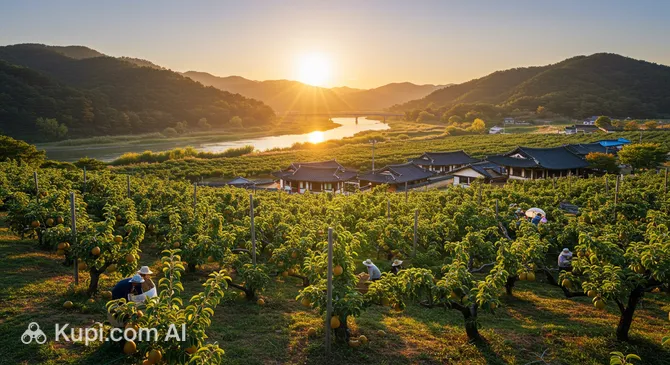
Naju is a charming city nestled in the province of Jeollanam-do, in southwestern South Korea. It is located just 24 kilometers from the provincial capital, Muan, and very close to the bustling metropolis of Gwangju. The city is spread amidst picturesque rice fields that transition smoothly into hilly landscapes and numerous bays, creating an atmosphere of rural harmony and tranquility. Naju is imbued with the spirit of slow provincial life, where century-old traditions harmoniously blend with modernity.

Naju. Illustration.
Source: Kupi.com AI

With a population of about 93,000 people, Naju maintains a cozy scale, making it particularly attractive to travelers seeking authentic experiences and a warm welcome. The city plays a significant role in the region as an important center for agricultural production and is also known for its cultural initiatives and educational institutions.

Naju is an ideal destination for those who want to get to know the real Korean countryside. Here, you can take a leisurely stroll through ancient streets, enjoy the silence of ancient temples, and visit local art galleries and museums. Most importantly, it offers the chance to feel the authentic spirit of Korea, free from the hustle and bustle of big cities. The city is famous for its rich traditions, sincere hospitality, and a unique atmosphere where the past and present weave into a wonderful cultural pattern.

If you are looking for a peaceful and soulful place to immerse yourself in Korean culture, Naju will undoubtedly be a pleasant discovery for you and provide unforgettable impressions.

You can find more interesting facts on the history of Naju page.

Weather Overview

The weather in Naju is characterized by distinct seasonality. You can expect warm and humid summers, especially in July and August, when average temperatures can reach 25-27°C (with maximums up to 29.7°C in August) and the number of rainy days is significant. Winters, by contrast, are cool and drier, with an average January temperature of about 1.8°C and night frosts where minimum temperatures can drop to -1.4°C. Spring and autumn are transitional seasons with moderate temperatures and rainfall. You can learn more about the climatic features on the Climate of Naju page.

Average monthly temperature

Average monthly precipitation

Interesting Facts

In addition to its famous landmarks, Naju holds many fascinating secrets and interesting details that make it truly unique. Ready to learn a few little-known facts about this South Korean city?

  • Naju is one of the oldest cities in South Korea, with a history spanning over a thousand years. In the past, it served as an important administrative center, and its favorable location contributed to the prosperity of trade and crafts.

  • The city is a real find for fans of Korean cinema and pop culture. It hosts a theme park that has been the filming location for many popular Korean films and television series, attracting fans from across the country and abroad.

  • Naju carefully preserves its unique folk traditions. Ancient rituals related to harvest and the changing of seasons are still held here. Furthermore, the city is famous for its colorful fairs where you can see the work of local craftsmen and taste dishes prepared according to old recipes.

How to Get There

When planning a trip to this cozy corner of Jeollanam-do province, it is worth thinking about logistics in advance. Naju has good transport accessibility thanks to the region's developed infrastructure and proximity to major transport hubs. You can find all the details, alternative routes, and schedules by following the link: more about how to get to Naju.

For those who prefer air travel, the most convenient option is Gwangju Airport (IATA: KWJ), located in the neighboring city. It is just 13 km from Naju. This is a regional hub receiving regular domestic flights, for example, from Seoul or Jeju Island. The trip by taxi or bus from the airport to the city center takes about 40 minutes, making this route quite comfortable.

An alternative is Muan International Airport (IATA: MWX), located about 31 km away. This airport serves both domestic and some international destinations. A car trip from here to Naju will take just over an hour. This is an excellent entry point for travelers wishing to be immediately in the southwest of the peninsula.

Below is summary information on airports located in relative proximity to the city:

AirportPassenger trafficDistance
Gwangju Airport2.0 mln13 km
Muan International Airport233 33731 km
Yeosu Airport1 mln85 km
Sacheon Airport219 289123 km
Jeju International Airport29.1 mln170 km

Rail transport is one of the most popular and fastest ways to travel in South Korea. A major regional transport hub that receives high-speed KTX trains from Seoul and other parts of the country is Gwangju-Songjeong Station. The station is located in the neighboring city of Gwangju, just 13.1 km from Naju. Due to the high passenger traffic and frequent departures, many tourists choose this hub for transfers. From the station, you can easily reach Naju by taxi or local transport.

List of the nearest major railway stations:

StationPassenger trafficDistance
Gwangju Songjeong Station3.4 mln13 km
Mokpo Station1.8 mln41 km
Yeosu Expo Station99 km
Jinju Station128 km
Daejeon Station18.6 mln158 km

Main Attractions

Naju, a city with a rich history and culture in South Korea, offers tourists many interesting places to visit. Here you will find both ancient monuments and modern theme parks, each unique in its own way. Here are some of the main attractions that will help you get to know this charming city more deeply.

One of the most popular attractions is the Naju Image Theme Park. This massive complex was built as a film set for numerous historical Korean dramas and movies, including the famous series "Jumong." Visitors can walk through recreated streets and palaces of ancient Korean states, feel like heroes of historical sagas, and take impressive photos. This is a great place for those interested in Korean culture and cinema.

For history buffs, Geumseonggwan Hall is a must-visit. This is one of the best-preserved buildings from the Joseon era, which served as a guest house for high-ranking officials and a venue for important state ceremonies. The architecture of the hall is impressive in its elegance and craftsmanship. A visit to Geumseonggwan allows you to touch history and imagine the life of the Korean nobility of past centuries.

To gain a deeper understanding of the region's history, it's worth visiting the Naju National Museum. The museum is dedicated to the rich cultural heritage of the Yeongsan River basin, presenting artifacts spanning from prehistoric times to the Joseon era. The museum's exhibits tell the story of the region's development, its unique traditions, and archaeological finds, offering visitors a comprehensive look at the past of this land.

Naju is also famous for its pears, so it's no surprise that there is a Naju Pear Museum here. This unique museum is dedicated to the history of growing the famous sweet and juicy Naju pears. Visitors can learn about different varieties of pears, traditional methods of their cultivation, and the significance of this fruit for the local economy and culture. Tastings are often held here, making the visit even more pleasant.

Local Cuisine

Naju is a real paradise for lovers of authentic Korean cuisine! Located in the heart of the fertile Jeollanam-do province, often called the granary of Korea, the city is famous for its high-quality rice. This rice becomes the foundation for many traditional dishes, giving them a special taste and texture.

The culinary signature of Naju is undoubtedly Naju Gukbap—a rich and flavorful soup with rice, tender beef, and fresh vegetables. The recipe for this hearty dish has been carefully passed down through generations. Besides gukbap, be sure to try the crispy Korean green onion pancakes called pajeon, various types of fresh kimchi, as well as seasonal delicacies made from river fish and seafood supplied from nearby bays.

As for drinks, traditional options are popular in Naju, as they are throughout South Korea. Among alcoholic ones, pay attention to makgeolli—a slightly sweet rice beverage that perfectly complements local dishes, given the region's fame for its rice. Soju is also offered everywhere. Among non-alcoholic drinks, you can always find various Korean teas, refreshing fruit drinks, and, of course, clean water.

You can get acquainted with the culinary traditions of Naju in both cozy local restaurants and bustling street markets, where food is prepared right before your eyes. The city also prides itself on its gastronomic festivals and harvest celebrations. These events are an excellent opportunity not only to try farm products and traditional dishes but also to participate in cooking masterclasses, immersing yourself in the friendly atmosphere of a real Korean feast.

Travel Tips

Welcome to Naju! To make your journey to this charming corner of South Korea as comfortable and fulfilling as possible, we have prepared some practical tips. They will help you navigate the city better and enjoy its unique atmosphere.

  1. Wardrobe and useful extras: South Korea, and Naju in particular, has four distinct seasons. In summer, it is hot and humid, so light breathable clothing, sunscreen, and a hat are essential. It can be cold in winter, so don't forget warm clothes. Spring and autumn are the most comfortable times, perfect for layering. Always bring comfortable shoes for walking around the city and its surroundings. Don't forget a power adapter (Type F, as in most of Europe). When visiting temples and other religious sites, choose modest clothing that covers your shoulders and knees.

  2. Getting around the city: Naju is a relatively small city, so the main mode of public transport here is buses. Their routes cover most districts. You can also always use taxi services; for calling them, the popular Korean app Kakao T is convenient. Renting a car can be a good option if you plan to explore the picturesque surroundings of Jeollanam-do province, but it's not always necessary for Naju itself. Remember that an international driver's license is required for rentals.

  3. Money and payments: The official currency is the South Korean Won (KRW). You can exchange money at banks, but in small cities like Naju, there may not be as many as in Seoul, so it's better to have some cash on hand or exchange currency in advance. Credit cards (Visa, Mastercard) are accepted in many shops and restaurants, but cash will be useful at markets or small establishments. Look for ATMs marked "Global ATM" to withdraw cash with foreign cards. Tipping is not customary in South Korea and may be met with surprise.

  4. Taking care of yourself: Pharmacies (약국 - yakguk) in Naju are not hard to find, but keep in mind that most pharmacists speak Korean. Basic medications are available without a prescription. Be sure to get travel medical insurance before your trip. South Korea is a country with a very high level of safety, and Naju is no exception. Follow basic precautions, watch your belongings, and your stay will be comfortable. There are no specific "dangerous" areas in the city.

  5. Language and connectivity: The official language is Korean. In Naju, as in many small Korean cities, the level of English proficiency may not be high, especially among the older generation. Learn a few basic phrases: "Annyeonghaseyo" (안녕하세요) – hello, "Kamsahamnida" (감사합니다) – thank you, "Juseyo" (주세요) – please (give me). For convenience, purchase a local SIM card (at the airport or phone shops) or a portable Wi-Fi router. Free Wi-Fi is available in many public places. We recommend installing KakaoMap or Naver Maps for navigation (Google Maps has limitations in Korea) and Papago for translation.

  6. Etiquette: Koreans value politeness. When greeting, it is customary to bow slightly. Show special respect when communicating with elders. When passing or receiving something (especially from elders), use both hands or your right hand, supporting it with your left hand under the elbow. In public places, especially on transport, try not to make noise and speak quietly. Remember that respect for local traditions will make your interactions more pleasant.

  7. Important "don'ts": To avoid offending locals and awkward situations, remember a few rules. Never stick chopsticks vertically into a bowl of rice—this is associated with funeral rituals. Also, do not write people's names in red ink, as red in this context is also associated with negative connotations.

  8. Taste and history of Naju: The city of Naju is famous for its juicy "bae" (배) pears and high-quality "hanu" (한우) beef. Be sure to try these local delicacies! Additionally, Naju has a rich history. Visit the Naju-eupseong Fortress (나주읍성) and other landmarks to touch the past of this amazing corner of South Korea.

We hope these tips help you plan an unforgettable trip to Naju. By following them, you can avoid minor inconveniences and dive deeper into the culture of this hospitable city. We wish you bright impressions and pleasant discoveries!

Entertainment & Nightlife

When the sun sets over Naju, the city doesn't fall completely silent but offers its own, more peaceful and cozy options for evening leisure. While Naju cannot boast the bubbling nightlife of South Korea's metropolises, you can find pleasant places to relax after a busy day, especially if you appreciate local flavor and a slow pace.

Evening entertainment in Naju is mainly centered around restaurants, many of which stay open late and offer traditional Korean dishes paired with local drinks like soju or makgeolli. Also popular are "hofs"—Korean pubs where you can order beer and various snacks in a casual setting. For example, in busy areas, and especially in the modern Bitgaram-dong district, you can find branches of popular chains such as 역전할머니맥주 (Yeokjeon Halmeoni Maekju), known for its retro atmosphere and affordable prices, or 생활맥주 (Saenghwal Maekju - Daily Beer), which offers a variety of craft beers. These establishments are excellent examples of modern Korean pub culture. For those who love to sing, the doors of "noraebangs" (karaoke rooms) are always open, being an integral part of Korean leisure culture. You won't have to look for them for long—just keep an eye out for signs saying '노래방' (noraebang), which are quite common.

The main points of evening activity are usually located in the city's central commercial districts. It is also worth paying attention to the newer Bitgaram-dong (빛가람동) area, which is actively developing as an innovative city. Modern cafes, bars, and restaurants are appearing here, attracting both locals and visitors looking for a more contemporary atmosphere for dinner or drinks.

The atmosphere in Naju in the evening is more relaxed and friendly than club-oriented and noisy. The crowd here is mostly local, and establishments are geared towards quiet conversation and a pleasant pastime. There is usually no special dress code; casual attire is welcome. Most establishments operate until midnight or slightly later, especially on Fridays and Saturdays.

The best time for evening outings is after 7:00-8:00 PM, when the daytime activity subsides and locals head out for dinner and relaxation. To get around the city at night, it is most convenient to use taxis. They can be easily found at stands or called by phone, as well as through popular Korean mobile apps. Naju, like most cities in South Korea, is considered a safe city, but you should always follow standard precautions, especially if you are walking alone late at night or in sparsely populated areas.

In Naju, you likely won't find the large and noisy nightclubs characteristic of the capital or major tourist centers. Instead, the city offers cozy local bars and pubs where you can try Korean beer or traditional alcoholic beverages in the company of locals. Pay attention to small, unassuming establishments—often they hide the most authentic atmosphere and hospitality.

During the day, Naju also has much to offer tourists. The city is rich in history, so it's worth visiting its historical landmarks and museums to get to know the culture of the Jeollanam-do region more deeply. Strolls through city parks or the picturesque surroundings, known for their orchards (especially the famous Naju pears), will also provide pleasure and allow you to enjoy nature.
Parks & Museums

Naju, a city with a rich history in Jeollanam-do province, offers its guests a harmonious combination of picturesque natural spots and significant cultural sites. Here you can enjoy the tranquility of green areas and dive into the past by exploring ancient relics and museums.

One of the city's main natural arteries is the Yeongsan River, along the banks of which pleasant areas for walking and relaxation are spread. Here you can enjoy fresh air and beautiful views, especially during the warmer months. While Naju doesn't have massive national parks, its charm lies in well-maintained city spaces and picturesque agricultural landscapes, particularly famous for its pear orchards. For family vacations and learning about Korean culture through cinema, the Naju Image Theme Park may be of interest, featuring recreated historical sets and a park area for walks.

A key location for learning about the region's history is the Naju National Museum. Its exhibits are dedicated to the ancient Mahan confederacy and the rich archaeological heritage of this land, including unique artifacts found during excavations. The museum offers a deep dive into the past and will be of interest to anyone fond of Korean history. Another interesting site is the Naju Pear Museum, which tells the story and culture of growing the famous local pears, which are a symbol of the region. Here you can learn about traditional gardening methods and the significance of this fruit for Naju's economy and culture. Besides these museums, you can find small private galleries in the city showcasing the work of local craftsmen.

Naju is proud of its historical monuments. Be sure to visit Naju Hyanggyo—one of the largest and best-preserved Confucian schools from the Joseon period, which still impresses with its architecture and atmosphere. Another important site is Geumseonggwan, a former official guest residence for royal envoys, which is a beautiful example of traditional Korean architecture. A walk along the remains of the ancient Naju-eupseong fortress walls will let you feel the historical significance of the city as an important administrative center of the past.

To deeper feel the atmosphere of Naju, stop by local traditional markets where you can try fresh produce and the famous local delicacy—Naju Gomtang (a rich beef soup). Also, don't miss the chance to walk through the lesser-known streets of the old city, where you can discover charming corners not marked in tourist guidebooks.

Getting Around

Public transport in Naju is mainly represented by a bus network that connects various city districts and its surroundings. This is the most common and affordable way to get around for residents and tourists alike. Buses run on regular routes, covering key points in the city, including tourist attractions, stations, and shopping centers.

To pay for travel in Naju, as in many cities in South Korea, the T-money transport card (or similar regional cards) is widely used. This card can be purchased and topped up at most convenience stores, at subway stations in large cities (though Naju itself does not have a subway), or at special machines. Using a T-money card often provides a small discount compared to paying with cash. Cash payment to the driver is also possible, but it is recommended to have small change. Fares are usually low; the base rate on city routes when paying with a T-money card is typically around 1,200-1,500 won, and may be slightly more expensive when paying with cash. The exact cost depends on the specific route and may be higher for suburban trips.

Tourists are encouraged to purchase a T-money card for convenience. When boarding the bus, the card must be tapped on the validator located near the front door, and when exiting, on the validator near the rear or middle door (this is important for correct fare calculation on some routes, especially suburban ones). Buses usually start running early in the morning and end late in the evening, but exact schedules can vary by route. Route and schedule information can be found at bus stops (sometimes in Korean) or using navigation apps.

As an alternative to public transport, taxis are always available in Naju. They can be called by phone, through mobile apps, or simply hailed on the street. Taxis offer a more comfortable and faster way to get around, especially if you are traveling with luggage or in a group, but the cost of the trip will be higher. For short distances or walks through scenic spots, you might consider bicycle rentals, if available in tourist zones.

Accommodation

Naju offers travelers a variety of accommodation options to suit different needs and budgets. In the city, you can find modern mid-range hotels as well as more economical guesthouses or motels. For those seeking an authentic experience, you might be able to find traditional Korean houses—hanoks—offering a unique immersion into the local culture.

When choosing a place to stay in Naju, pay attention to areas located near key attractions or convenient transport hubs. This will allow you to easily reach the places you are interested in and optimize the time spent moving around the city. Central districts or those adjacent to historical quarters are generally the most convenient for tourists.

In Naju, you will mostly find local hotels and guesthouses that offer comfortable accommodation. While there may not be many large international hotel chains here, the quality of service in local establishments is often high. It is recommended to use popular online platforms for searching and booking accommodation, such as Booking.com, Agoda, or local Korean services, and also consider the possibility of direct booking through hotel websites.

The price range for accommodation in Naju varies from budget options to mid-range, allowing most travelers to find a suitable option. To ensure the best choice and the most favorable prices, it is recommended to book your stay in advance, especially if your trip coincides with the peak tourist season, weekends, or major local festivals and events.

Nearby Cities

For those who want to explore the surrounding area, Naju serves as an excellent starting point for day trips to several interesting nearby locations.

For example, just a few kilometers away is Gwangju, a vibrant metropolis known for its rich historical heritage, especially the events of the May 18th Democratic Movement, and its thriving art scene, including the famous Gwangju Biennale. The city also offers natural beauties like Mudeungsan National Park, making it attractive for diverse interests.

A little further, but still perfectly suitable for a day visit, is Jeonju. This city is a true gem for lovers of Korean culture and history. Its main attraction is the Jeonju Hanok Village, where you can see hundreds of traditional Korean houses. Jeonju is also known as the birthplace of the famous bibimbap dish and offers many cultural events and festivals.

Below is a table with some nearby cities that may be interesting to visit from Naju:

CityPopulationDistance
Gwangju1 490 09218 km
Muan77 00023 km
Mokpo239 52440 km
Suncheon265 39070 km
Haeryong46 99477 km

These nearby destinations allow for a more complete picture of the diverse culture, history, and landscapes of the South Korea region surrounding Naju.

Shopping & Souvenirs

Shopping in Naju offers a unique experience, distinct from the hustle of South Korea's metropolises. The city is not famous for huge malls or designer boutiques, but here you can find authentic local goods and experience the flavor of the Korean provinces. The main focus in Naju is on agricultural products, especially the famous local pears, as well as traditional markets.

The main shopping areas in Naju are concentrated around the central part of the city. Here you will find small shops offering clothing, household goods, cosmetics, and, of course, local products. A stroll along the main streets will allow you to see the daily life of the city and find interesting shops. There are no specialized large shopping streets like Myeongdong in Seoul here, but the atmosphere is calmer and more conducive to leisurely shopping.

There are few large modern shopping centers in Naju. Instead, look for local department stores or larger supermarkets, which often have sections for clothing, household items, and souvenirs. These places can offer a good selection of everyday goods and some local brands.

Traditional markets hold a special place in Naju's shopping scene. They are the heart of local trade, where you can buy the freshest fruits (including the famous Naju pears), vegetables, seafood, local delicacies, and prepared dishes. Markets are also great places to buy inexpensive souvenirs and household items. Visiting such a market is not just shopping, but an immersion into the culture and life of the region. Often you can find things here that are not available in regular stores.

The main souvenir from Naju is undoubtedly Naju pears and products made from them: jams, juices, and dried pears. It's also worth paying attention to other local agricultural products, such as rice or honey. Sometimes you can find the work of local craftsmen at the markets, although this is not the city's main specialization. For small gifts, you can bring back traditional Korean sweets or tea.

Most shops in Naju operate from approximately 10:00-11:00 AM to 8:00-9:00 PM. Markets usually open earlier. Credit cards are accepted almost everywhere, but at markets and in small shops, cash may come in handy. ATMs are quite common.

For foreign tourists in South Korea, a Tax Free system is in place. When purchasing goods at shops participating in this system (look for the corresponding logo) for an amount over a certain minimum (usually 30,000 won), you can fill out documents for a VAT refund. Check this possibility with the sellers and keep your receipts.

Reached the end of the page?

That means the route is fully explored