Support

Sejong

About

Sejong is a city that can boldly be called the embodiment of the Korean dream for the future. Located in the heart of South Korea, between the provinces of Chungcheongnam-do and Chungcheongbuk-do, Sejong was originally conceived as a new administrative capital and today plays a key role in the country's governance. This city uniquely combines cutting-edge technology and thoughtful urbanism with a deep care for nature and the comfort of its residents.
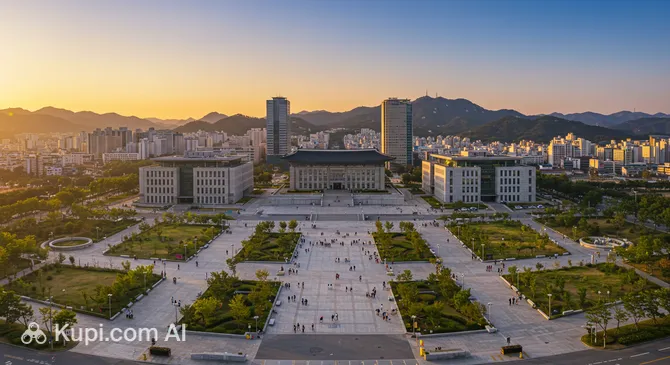
Sejong. Illustration.
Source: Kupi.com AI

Sejong is a relatively young and dynamically developing city with a population of about 204,000 people. A wonderful balance reigns here: spacious avenues and innovative buildings coexist with an abundance of green zones and picturesque bodies of water. The city literally breathes freedom and tranquility, and its modern architecture blends harmoniously into the surrounding landscape without disturbing its natural beauty.

For tourists, Sejong offers a unique experience of immersion into a world where tradition meets the future. Among its attractive features are extensive city parks, perfect for leisurely strolls, and the impressive National Library of Sejong with its futuristic architecture, which is a landmark in its own right. The city attracts visitors with an atmosphere of openness and inspiration, offering a look at modern Korea from a new angle.

If you value comfort, love nature, and are interested in modern urbanism, Sejong will be a true discovery for you. It is the perfect place to soothe your soul, enjoy the silence of the lakes, and get to know a lesser-known but incredibly hospitable side of Korea.

You can find more interesting facts on the Sejong city history page.
Weather Overview

The weather in Sejong is characterized by clearly defined seasons. Summer, especially in July and August, is warm here, with average temperatures around 26-26.5°C and maximums reaching 29-30°C. This period is also the wettest, with the highest amount of precipitation (up to 9 mm in July) and rainy days. Winters, by contrast, are cold: in January, the average temperature drops to -0.9°C, with minimums around -5°C. Winter months, such as December and January, are significantly drier, with minimal precipitation (about 1 mm).

Overall, expect a warm summer with occasional rain and cold, drier winters. Spring and autumn are transitional seasons with moderate temperatures: for example, in April the average temperature is about 13.1°C, and in October, it is 14.7°C. To find out more details, explore Sejong's climate.

Average monthly temperature

Average monthly precipitation

Interesting Facts

Beyond its modern administrative functions and planned urban environment, Sejong hides many curious details and unique spots that not everyone knows about. This young city is capable of surprising even the seasoned traveler.

  • Sejong is one of the youngest cities in South Korea; its official history began only in 2012. It was purposefully created to relieve overcrowded Seoul and become a new administrative center, with many government agencies relocating here. The city is named after King Sejong the Great, the revered ruler of Korea credited with creating the Korean alphabet, Hangeul.

  • The city is home to one of the largest artificial lakes in the country—Sejong Lake Park. It is not just a scenic body of water, but a true center of attraction for residents and visitors, where colorful festivals, open-air concerts, and various sporting events are regularly held.

  • For nature lovers, Sejong features the impressive National Arboretum. Its territory spans about 65 hectares, growing rare and endangered plant species. In addition to the rich flora, you can stroll through themed gardens dedicated to Korean traditions and medicinal herbs.

  • One of the more unusual attractions is Beartree Park. This unique place is home to over a hundred Asian black bears, as well as peacocks, deer, and other animals. The park is also a beautiful botanical garden, offering visitors a chance to enjoy the diversity of flora.

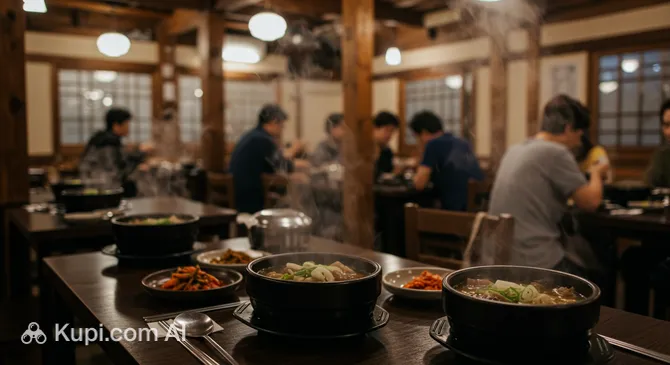
Min Sokchon Ox Head Soup. Illustration.
Source: Kupi.com AI

Traveler photos:

How to Get There

There are various ways to reach South Korea's administrative capital, although the city itself does not yet have its own airport or a large central railway station. Travelers usually arrive at neighboring transport hubs and then continue their journey by bus or taxi. You can find all the ways to get to the city on our detailed page.

The closest air hub to the city is Cheongju Airport (IATA: CJJ). It is located in the city of Cheongju, just 22.1 km from Sejong. This is a regional airport that handles both domestic and some international flights. A taxi ride from here to the center of Sejong takes about 55 minutes, making it the most convenient option for those who value their time.

Most international tourists arrive in the country through the main aviation hub — Incheon International Airport (IATA: ICN). It is located in the city of Seoul (Incheon) at a distance of 120.6 km from Sejong. This is the largest airport in the country with a huge passenger flow, offering flights from almost anywhere in the world. The journey from Incheon to Sejong by car or taxi will take approximately 3 hours and 20 minutes, though comfortable intercity buses also run between the airport and the city.

For clarity, here is summary information on the main airports used to reach the region:

AirportPassenger trafficDistance
Cheongju Airport4.6 mln22 km
Wonju Airport205 279110 km
Gimpo International Airport23.0 mln116 km
Incheon International Airport71.2 mln121 km
Daegu International Airport3.3 mln145 km

If you prefer traveling by land, rail service is also a popular option. There is no train station in Sejong city itself, but you can arrive at Daejeon Station in the neighboring city of Daejeon. This station is located about 29 km from the center of Sejong. The journey by taxi or bus from the station to the city takes about 1 hour and 5 minutes. Daejeon is a major transportation hub with trains arriving from many regions of Korea.

Below is information on the nearest railway stations that may be useful when planning your route:

StationPassenger trafficDistance
Daejeon Station18.6 mln29 km
Gwangmyeong Station12.4 mln98 km
Dongdaegu Station20 mln144 km
Gwangju Songjeong Station3.4 mln169 km
Jinju Station177 km

Main Attractions

Sejong, the administrative capital of South Korea, continues to surprise visitors not only with its rapid development but also with its variety of attractions. In addition to the already well-known parks and observation decks, the city offers unique architectural solutions and cozy corners for relaxation that definitely deserve attention.

One of the hallmarks of modern Sejong is the Government Complex Sejong. This is not just a collection of administrative buildings, but a true architectural ensemble. The complex is famous for its futuristic design, particularly several buildings connected by bridges and topped with extensive green roofs that form one of the longest rooftop gardens in the world. A walk along this monumental structure allows you to appreciate the scale of urban planning thought and the innovative approach to creating a city environment.

For those seeking peace and union with nature within the city limits, Bangchukcheon Stream Waterside Park is an excellent choice. This picturesque park, stretching along the stream, offers well-maintained pedestrian and bicycle paths, numerous relaxation areas, and playgrounds for children. It is a great place for leisurely walks, morning jogs, or simply a pleasant time outdoors, enjoying the harmony of water and greenery.

Another iconic site in Sejong is the impressive Ieungdari Bridge, also known as the Geumgang Pedestrian Bridge. This modern bridge, spanning the Geumgang River, attracts attention with its elegant circular design and magnificent panoramic views of the cityscapes and river expanses. The bridge is especially beautiful in the evening when artistic lighting is turned on, creating a romantic and memorable atmosphere. It is a popular spot for walks and photo sessions for both residents and tourists.

To round off your impressions of the city and its modern architecture, you can stop by the Minsokchon Beef Head Soup restaurant. Here, you can try traditional Korean dishes and dive deeper into local gastronomic traditions. This is a wonderful opportunity to relax after a busy day of exploring and enjoy the authentic flavors of the region.

Local Cuisine

The gastronomic scene in Sejong is a fascinating blend of centuries-old Korean traditions and modern culinary trends. Despite being a relatively young city, Sejong respects its culinary heritage, offering guests both classic dishes and innovative gastronomic delights. The local cuisine is based on fresh seasonal vegetables and products from local waters, making the dishes particularly tasty and healthy.

In Sejong, be sure to try staples of Korean cuisine such as kimchi—the famous spicy fermented cabbage—and bibimbap—rice with vegetables, meat, and an egg, seasoned with a spicy sauce. Rich Korean soups deserve special attention. One such traditional dish worth tasting is the Minsokchon Beef Head Soup, which offers a rich and deep flavor.

Street food lovers will also find plenty of interest in Sejong. Here you can enjoy fragrant pyanse (steamed buns with various fillings), spicy tteokbokki (rice cakes in a spicy sauce), or freshly prepared fried seafood, which are especially good on the city's busy streets.

Regarding drinks, the traditional Korean rice wine makgeolli is noteworthy—a slightly carbonated, sweetish drink that perfectly complements a meal. For those who prefer non-alcoholic options, there is always refreshing Korean tea, presented in many variations from classic green to healing herbal blends.

The food culture in Sejong is diverse. Locals and tourists can choose between cozy family restaurants serving authentic dishes based on old recipes and stylish modern cafes with signature cuisine. Do not overlook the local farmers' markets, where you can buy the freshest produce, homemade sauces, pickles, and unique Korean sweets. Sometimes the city hosts gastronomic festivals, which become a true celebration of taste and introduce the best examples of local culinary art.

Travel Tips

Planning a trip to the modern and dynamic Sejong? These practical tips will help you better prepare for your journey and get the most out of exploring this unique city in South Korea.

  1. Clothing by season and useful items: The climate in Sejong is temperate, with four distinct seasons. In summer (June-August), pack light clothing, a hat, and sunscreen. In winter (December-February), you will need warm layered clothing, including a coat, hat, and gloves. Spring and autumn offer comfortable weather, but a light jacket or sweater won't hurt. A key point is comfortable shoes for walking around the city and its extensive parks. Don't forget a universal adapter for electrical appliances (South Korea uses Type F outlets, 220V). When visiting temples or official institutions, if they are on your itinerary, choose modest clothing that covers shoulders and knees.

  2. Transport wisdom: Sejong is a young and well-planned city, so it is convenient to get around. The backbone of public transport is the bus network, including the modern Bus Rapid Transit (BRT) system. Taxis are easily available and can be hailed through popular apps in Korea like Kakao T. Car rental is possible with an International Driving Permit, but for moving within the city, public transport is often more convenient and economical; additionally, parking can be difficult.

  3. Financial matters: The official currency is the South Korean Won (KRW). You can exchange currency at banks or specialized exchange offices; it's recommended to do this upon arrival at the airport or at bank branches in major cities. Credit and debit cards (especially Visa and Mastercard) are widely accepted in most shops, restaurants, and hotels. However, it's worth having a small amount of cash for small purchases at markets or in small establishments. ATMs, especially those marked "Global," are easy to find. Tipping in Sejong, as in all of South Korea, is not mandatory and is not expected.

  4. Health and safety: Pharmacies (marked with the sign "약") are easy to find, but not all are open 24/7. Medical care in South Korea is of a high standard; it is strongly recommended to take out travel medical insurance before your trip. Sejong is considered a very safe city. Nevertheless, observe standard precautions: watch your belongings in crowded places and avoid walking alone in poorly lit areas late at night.

  5. Communication and connectivity: The official language is Korean. English is common in the tourism sector, among young people, and in some official institutions in Sejong, but not everywhere. Learn a few basic Korean phrases: "Annyeonghaseyo" (Hello), "Kamsahamnida" (Thank you), "Mianhamnida" (I'm sorry). For ease of navigation and communication, it is recommended to purchase a local SIM card (available at the airport and mobile shops) or a portable Wi-Fi router. Free Wi-Fi is often available in public places, cafes, and transport. Useful apps: Naver Maps or KakaoMap (for navigation, they are more accurate than Google Maps in Korea), Papago (translator).

  6. Local etiquette: When greeting locals, a slight nod of the head is appropriate; handshakes are also common, especially in business settings. In public places, especially on transport, try not to be noisy. Show respect to elders. When passing or receiving items (e.g., money or business cards), use both hands or your right hand while supporting it with your left at the wrist—this is a sign of special respect.

  7. Things to avoid: Try not to write people's names in red ink, as in Korean culture this is associated with death. It is also not customary to point at someone or something with one finger—it's better to use your whole palm. While eating, do not stick your chopsticks vertically into your rice, as this resembles ritual incense at funerals.

  8. Unique feature of Sejong: Sejong is designed as a "smart" administrative capital. Be sure to explore its ultra-modern architecture, including the government building complex with its unique design (some may offer access to observation decks). Spend time in the vast Sejong Lake Park or the Sejong National Arboretum—these are great places for relaxation and getting to know the city's landscape design.

We hope these tips make your stay in Sejong comfortable, interesting, and full of pleasant discoveries. Enjoy exploring this city of the future!

Entertainment & Nightlife

Sejong, South Korea's relatively young administrative center, offers its own unique atmosphere for evening and night leisure. While it might not have the dizzying variety of ultra-trendy clubs found in Seoul, the city provides many pleasant options for those looking for a place to spend the evening and get acquainted with the local nightlife.

The main centers of evening entertainment in Sejong are concentrated in modern commercial districts such as Naseong-dong and Dodam-dong. It is here that you will find most restaurants, cafes, and bars open until late in the evening. The atmosphere in these establishments is predominantly relaxed and welcoming, with a mixed crowd ranging from local residents and government officials to the few tourists exploring the city.

For those wishing to enjoy an authentic Korean dinner that transitions smoothly into evening socializing, local restaurants are worth checking out. For example, you can visit Minsokchon Beef Head Soup, where traditional Korean cuisine is served. Many restaurants also offer a good selection of drinks, including local beer and the popular soju. Besides restaurants, Sejong features stylish bars with diverse cocktail menus, cozy pubs for meeting friends over a beer, and, of course, the ever-popular Korean karaoke bars (noraebangs). Noraebangs are a great place for a fun group to sing their favorite songs in private rooms. While large nightclubs are few in Sejong, places with dance music can be found in areas popular with younger crowds.

Most bars and restaurants in Sejong operate until midnight or one or two in the morning, especially on Fridays and Saturdays. The dress code is usually casual, though some trendier establishments may welcome a smart-casual style. Prices in these venues are generally moderate, which can be a pleasant change from the capital. For getting around the city at night, it is most convenient to use taxis, which are easily available and relatively inexpensive. Sejong is generally considered a very safe city, so night walks along well-lit central streets are quite comfortable, though basic precautions should always be observed.

In terms of daytime entertainment, Sejong also offers interesting options. You can visit the Sejong National Arboretum, one of the largest in Asia, or stroll through the picturesque Sejong Lake Park. The city also takes pride in the modern architecture of its government buildings and various cultural centers and museums where you can learn more about the history and culture of the region.

Parks & Museums

Sejong, the modern administrative center of South Korea, offers its guests a harmonious blend of well-thought-out green spaces for relaxation and interesting cultural sites that introduce the country's present and future.

The city is designed with great attention to ecology and resident comfort, hence the many parks and recreational zones. One of the central places for relaxation is Sejong Central Park, often called the "green heart" of the city. It offers vast spaces for walking, picnics, and active recreation, including bicycle paths and scenic ponds. Another important green artery is the Sejong National Arboretum, where you can discover the rich diversity of Korean flora and enjoy themed gardens. These places are ideal for those who want to take a break from the urban bustle and enjoy nature.

The cultural life of Sejong is actively developing, offering unique opportunities to learn about modern South Korea. A key institution is the Presidential Archives. Documents, photographs, and personal belongings of the country's former presidents are stored and exhibited here, allowing visitors to gain a deeper understanding of South Korea's recent history and political development. Another significant cultural center is the National Library of Korea, Sejong, which is impressive for its modern architecture. In addition to its extensive book collections, the library often hosts exhibitions and cultural events, becoming a point of attraction for lovers of knowledge and art. Modern art galleries are also starting to appear in the city, reflecting Sejong's dynamic spirit.

Sejong's architecture is a landmark in its own right. The city is known for its futuristic government buildings, such as the Sejong Government Complex with its famous "green roofs," which are among the largest in the world. These structures demonstrate an innovative approach to urban planning and sustainable development. Although there are few ancient historical monuments here because the city is new, its modern architecture and urban planning solutions are of great interest to tourists interested in urbanism.

For a more authentic experience, take a stroll along the Geumgang River, which flows through the city, offering picturesque views and spots for solitary walks. Also, look out for small local cafes and art spaces starting to appear in residential areas—this is where you can feel the true rhythm of life in this young and dynamically developing city.

Getting Around

Public transport in Sejong is well-developed and focused on the convenience of residents and tourists. The city is designed with modern transport solutions in mind, making getting around quite comfortable.

The core of Sejong's transport system consists of buses. A special place is held by the Bus Rapid Transit (BRT) system, known as "Hanurail". These buses run in dedicated lanes, ensuring fast and predictable movement between key city districts. Besides the BRT, there is an extensive network of regular city buses covering most areas. There is no subway in Sejong, but bus routes effectively connect all parts of the city.

The most convenient way to pay for travel is by using transport cards such as T-money or Cashbee. These cards can be purchased and topped up at most convenience stores (e.g., CU, GS25, 7-Eleven), as well as at machines at some BRT stops. The cards are accepted on all types of buses and allow for discounts when transferring. Cash payment directly to the driver is also possible, but it can be less convenient and slightly more expensive. The fare depends on the type of bus and the distance.

Tourists are advised to purchase a transport card immediately upon arrival. Card validation occurs when entering the bus (and sometimes when exiting, especially on BRT routes and suburban lines for correct fare calculation). Buses usually start running early in the morning (around 5:30-6:00) and finish late at night (until 11:00 PM or midnight), but schedules can vary by route.

In addition to public transport, other modes of travel are available in Sejong. Taxis can be easily found on the streets or ordered via apps. For fans of active recreation and short trips, there is a public bike-sharing system called "Eoulling", with stations located throughout the city. This is a great way to explore Sejong's numerous parks and green zones.

Accommodation

When planning a trip to Sejong, you will find a variety of accommodation options to suit different preferences and budgets. The city offers a choice from modern hotels and cozy guesthouses to apartments for those who prefer more independence. Depending on your plans, you can find both economical options and higher-comfort housing.

When choosing a place to stay in Sejong, pay attention to areas with good transport accessibility or those located near the sites you are interested in. Although the city is relatively new and well-planned, choosing accommodation near major transport hubs or business centers can be particularly convenient for efficient movement around the city and its surroundings.

As a modern administrative center, Sejong has a sufficient number of quality hotels. It is recommended to book accommodation in advance, especially if your trip coincides with periods of high demand, such as during major events or the peak tourist season. This will help ensure the best choice and more favorable prices.

The price range for accommodation in Sejong varies from budget options to more expensive offerings in high-class hotels. You can book accommodation through popular online booking platforms, which offer a wide selection and the ability to compare prices, or directly through hotel websites. Some small guesthouses may also take bookings by phone.

Nearby Cities

For those looking to explore the surroundings, Sejong serves as an excellent starting point for day trips to several interesting nearby locations. For example, you can head to Daejeon, known as South Korea's center for science and technology, which also features picturesque parks, interesting museums, and the popular Yuseong hot springs. Not far away is Cheongju, a city with a rich history where the "Jikji"—the world's oldest book printed with movable metal type—was printed, and where you can visit the impressive Sangdangsanseong Fortress. You might also consider a trip to Cheonan, home to the monumental Independence Hall of Korea, which tells the country's history. You can find more detailed information on these and other options below.

CityPopulationDistance
Cheongju833 27618 km
Cheonan651 66127 km
Daejeon1 475 22128 km
Asan332 79033 km
Anseong194 76545 km

These nearby destinations allow for a deeper acquaintance with the region's diverse culture, history, and landscapes, complementing your visit to Sejong.

Shopping & Souvenirs

Sejong, as a modern administrative center of South Korea, offers plenty of opportunities for comfortable shopping, although it is not a traditional center for crafts or exclusive goods. Here you will find modern shops catering to everyday needs, as well as places to purchase souvenirs as mementos of your trip.

Main shopping areas in Sejong are generally concentrated in the new districts and around the central blocks. These can be streets with shops on the ground floors of buildings offering clothing, cosmetics, electronics, and household goods. As the city is actively developing, new commercial spaces continue to emerge.

In Sejong, you will find modern shopping malls offering a comprehensive shopping experience. Major retailers like Homeplus Sejong and E-Mart Sejong are popular spots where, under one roof, you can find not only hypermarkets with a huge selection of food and home products but also clothing, electronics, and cosmetics stores, as well as food courts and entertainment zones. For those looking for deals, it's worth checking out outlets like Sejong First Outlet, where you can buy branded items at a discount.

Although Sejong is a young city, you can find local markets here, especially if you are interested in fresh produce, fruits, and vegetables. Such markets provide an opportunity to dive into the daily lives of the citizens and purchase something authentic. Weekend fairs or themed bazaars are also sometimes held.

As souvenirs from Sejong and South Korea in general, pay attention to high-quality Korean cosmetics, which are world-famous. Also popular are ginseng products, traditional sweets (such as hangwa), tea, small ceramic items, stationery with cute designs, or items with national symbols. Shops at tourist attractions carry souvenirs specifically related to the city of Sejong.

Most shops in Sejong usually operate from 10:00 or 11:00 AM until 8:00 or 10:00 PM. Large shopping centers may have longer hours. In South Korea, cashless payments are widely used—credit and debit cards are accepted almost everywhere. Local mobile payment systems are also popular. Cash may be needed at small markets or street stalls.

International tourists in South Korea can take advantage of the Tax Free system on purchases made in participating stores (look for the corresponding logo). To do this, you must make a purchase of a certain minimum amount and fill out special checks when paying. Tax refunds can be obtained at the airport when leaving the country or at special refund points in the city.

Reached the end of the page?

That means the route is fully explored