Support

Cheonan

About

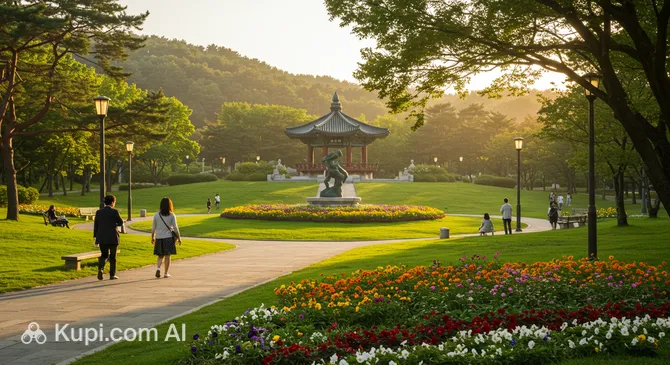
Cheonan is a dynamic and modern city located in the heart of Chungcheongnam-do province, South Korea. Thanks to its convenient location in the central part of the country, Cheonan serves as an important transport and logistics hub, offering easy access to Seoul and other major cities. The city is famous for its harmonious blend of bustling urban life and picturesque nature: it is surrounded by hills, and in spring, it is blanketed in blooming orchards.

Cheonan. Illustration.
Source: Kupi.com AI

With a population of about 650,000 people, Cheonan is considered one of the region's largest cities and plays the role of a significant economic and educational center. It is home to numerous universities, modern business centers, and shopping districts. Despite its modernity, the city has managed to preserve an authentic atmosphere where centuries-old traditions coexist seamlessly with the latest innovations.

Cheonan is a wonderful destination for travelers seeking to discover the real Korea away from standard tourist routes. Guests can expect unique museums, ancient temples, and well-maintained parks. One of Cheonan's main features is its ability to surprise: here, ancient Buddhist monasteries sit alongside ultra-modern sculptures, and busy markets give way to quiet corners for meditation. The city is especially beautiful in spring, when cherry blossom alleys bloom, and in autumn, when the mountains are painted in vibrant colors.

If you want to discover a multifaceted and hospitable city that combines history, culture, and a modern pace, Cheonan will be a true discovery for you. Come and experience its unique charm for yourself!

You can find more interesting facts on the history of Cheonan page.
Weather Overview

The weather in Cheonan is characterized by distinct seasons. Winter, especially in January, is quite cold with an average temperature of around -1.1°C and minimal precipitation. In spring, the temperature gradually rises, reaching a comfortable average of 18°C in May. Summer, especially in July and August, is warm and humid, with average temperatures around 26-26.5°C and the highest amount of rainfall (up to 9 mm in July). Autumn brings a gradual cooling, with pleasant weather in September (averaging 21.9°C) and cooler temperatures in November (around 7.7°C). Overall, expect a warm summer with occasional rain and cold, relatively dry winters. You can learn more about Cheonan's climate on its dedicated page.

Average monthly temperature

Average monthly precipitation

Interesting Facts

In addition to its well-known attractions and transportation significance, Cheonan hides many interesting details that make it unique. Ready to learn a few curious facts about this South Korean city?

  • Cheonan is home to the impressive Gagwonsa Temple, which features one of Asia's largest bronze statues of a seated Buddha. The temple is especially picturesque in spring, surrounded by cherry blossoms, and in autumn, when the hills turn crimson.

  • The city is the site of the Independence Hall of Korea—one of the country's most significant national memorials. This massive complex is dedicated to the history of the Korean people's struggle for sovereignty and includes many interactive exhibits.

  • Cheonan is often called the "city of sculptures" due to the abundance of modern art objects decorating its streets and public spaces. A key center of modern art here is the Arario Gallery Cheonan, which showcases fascinating collections.

  • The history of Cheonan is inextricably linked with the name of Ryu Gwan-sun, a young national heroine who became a symbol of the Korean independence movement in the early 20th century. A memorial complex in the city is dedicated to her heroic deeds.

Arario Gallery Cheonan. Illustration.
Source: Kupi.com AI

Traveler photos:

How to Get There

Cheonan boasts excellent transport accessibility due to its central location. Although the city itself does not have an airport, reaching it from abroad or distant parts of the country is very easy via neighboring major transport hubs. You can find more details on how to get to Cheonan to plan your route most effectively.

Most international travelers arrive via Incheon International Airport (IATA: ICN). There is no airport in Cheonan itself, but you can fly into Incheon Airport in Seoul, which is approximately 93.5 km from Cheonan. The journey from there by limousine bus or train takes about 2.5 hours. This is the country's main hub with a massive passenger flow, receiving flights from all over the world.

An alternative is Gimpo Airport (IATA: GMP), also located in Seoul (about 89 km from Cheonan). Domestic flights and some international routes from neighboring Asian countries often arrive here. Geographically, the closest is Cheongju Airport (IATA: CJJ) in Cheongju city—just 34 km from Cheonan. The journey from there by taxi or bus takes about 1 hour and 10 minutes, though the selection of international flights here is limited.

For clarity, here is a summary of the main airports:

AirportPassenger trafficDistance
Cheongju Airport4.6 mln34 km
Gimpo International Airport23.0 mln89 km
Incheon International Airport71.2 mln94 km
Wonju Airport205 279100 km
Daegu International Airport3.3 mln170 km

If you prefer rail transport, consider the major hub stations in the region. There is no railway station from this specific list in Cheonan city itself (though the city is served by its own station), but you can use large nearby hubs. For example, Daejeon Station in Daejeon is about 56 km from Cheonan. This is an important transport hub from which you can quickly reach your destination via regional transport.

Another significant site is Gwangmyeong Station (IATA: XWU) in Gwangmyeong, located 70.7 km from Cheonan. This is a major KTX high-speed train station, and a trip from there by car or bus takes about 2 hours. Using these stations is convenient if you are traveling from remote regions of the country and plan to transfer.

Below is information about the nearest major railway stations:

StationPassenger trafficDistance
Daejeon Station18.6 mln56 km
Gwangmyeong Station12.4 mln71 km
Dongdaegu Station20 mln169 km
Gwangju Songjeong Station3.4 mln189 km
Jinju Station204 km

Main Attractions

Cheonan, a city with a rich history and dynamically developing culture, offers its guests many interesting places to visit. From historical museums to picturesque parks and modern art spaces—everyone will find something to their liking here.

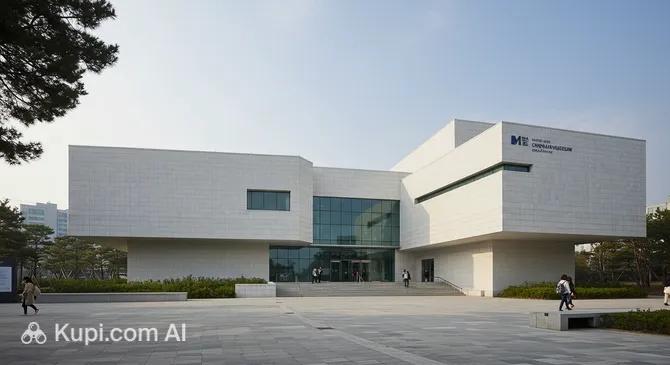
One of the key places to learn about the region's past is the Cheonan Museum. Here, visitors can immerse themselves in the history of the city and its surroundings, see archaeological finds, ethnographic exhibits, and learn about the significant events that shaped modern Cheonan. The museum will be of interest to anyone who wants to gain a deeper understanding of the culture and heritage of this part of South Korea.

Cheonan Museum. Illustration.
Source: Kupi.com AI

Traveler photos:

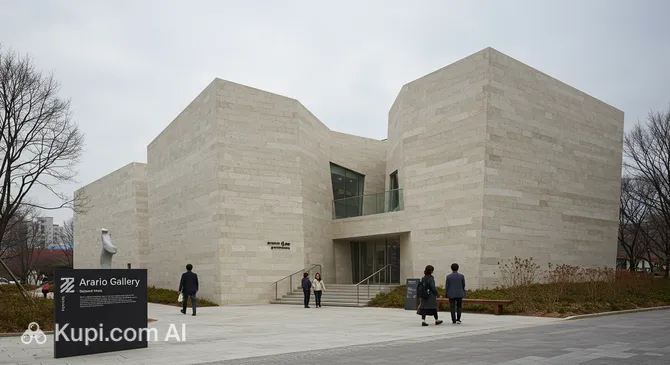
Modern art lovers should visit the Arario Gallery Cheonan. This renowned art space presents works by both Korean and international artists. The exhibitions are frequently updated, offering a fresh perspective on current trends in the art world. The gallery attracts connoisseurs with its bold and diverse collection.

Arario Gallery Cheonan. Illustration.
Source: Kupi.com AI

Traveler photos:

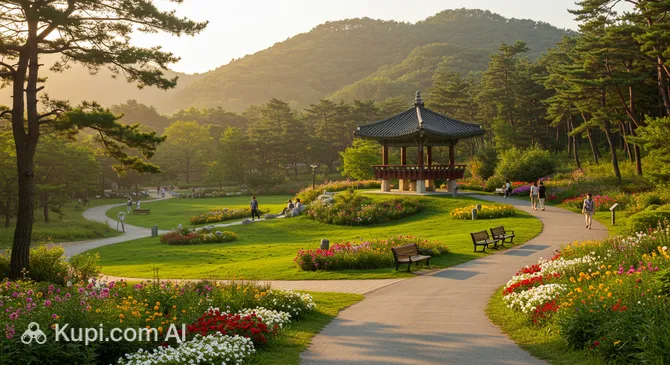
For those who prefer outdoor recreation, Taejosan Park is an excellent choice. This expansive park offers scenic hiking trails, picnic areas, and magnificent views of the surrounding landscapes. You can spend several hours here enjoying the fresh air and tranquility, far from the city bustle. The park also features a Buddhist temple and sculptures, adding a cultural component to your walk.

Taejosan Park. Illustration.
Source: Kupi.com AI

Traveler photos:

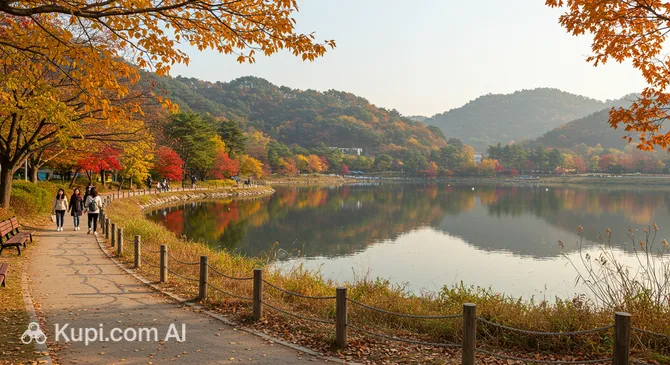
Another popular spot for relaxation and walks is Cheonhoji Lake. This picturesque lake, surrounded by well-maintained paths and greenery, is a favorite spot for both locals and tourists. Here you can go boating, feed the ducks, or simply enjoy the beautiful views, especially at sunset. Various events and festivals are often held around the lake.

Cheonhoji Lake. Illustration.
Source: Kupi.com AI

Traveler photos:

Local Cuisine

Cheonan is a true paradise for foodies ready for new gastronomic discoveries. The city prides itself on its unique culinary traditions, and its hallmark is undoubtedly hodugwaja—miniature walnut cookies filled with sweet red bean paste and walnuts. These delightful treats are not just a dessert but a true gastronomic symbol of Cheonan, which you can try right on the streets or purchase as a tasty souvenir.

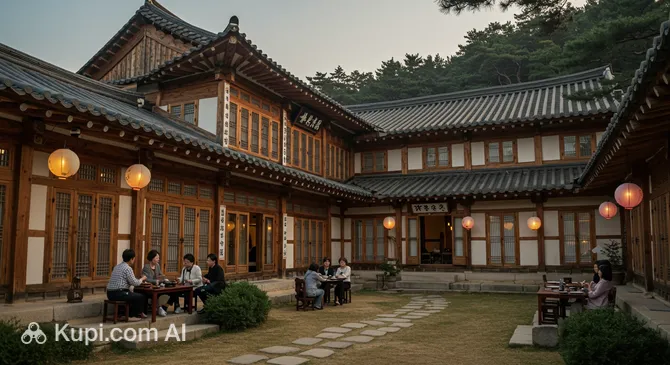
In addition to the famous walnut cookies, Cheonan is known for excellent chicken dishes and various Korean barbecue options. In local restaurants, you must try dakgalbi—spicy stir-fried chicken with vegetables, or enjoy samgyeopsal—juicy slices of grilled pork belly cooked right at your table. To dive deeper into local cuisine, you can visit authentic places like Om's Family Village House, where traditional dishes are served.

Eomga Family Country House. Illustration.
Source: Kupi.com AI

Traveler photos:

Street food lovers will also find plenty of interest in Cheonan. Don't pass by stalls selling tteokbokki—spicy rice cakes in a pungent sauce, try sweet waffles with various fillings, and refresh yourself with traditional drinks based on rice or seasonal fruits. The city's farmers' markets are a real kaleidoscope of flavors and aromas, where you can find the freshest vegetables, seafood, and fruits, as well as taste fragrant soups and noodles prepared according to old recipes.

The gastronomic life of Cheonan is not limited to everyday meals. The city regularly hosts culinary festivals where you can get acquainted with both traditional and modern Korean cuisine, participate in masterclasses, and even witness culinary competitions among local chefs. Cheonan carefully preserves its culinary identity and gladly shares it with every guest, offering unforgettable taste experiences.

Travel Tips

Welcome to Cheonan! To ensure your trip to this interesting city in South Korea is as comfortable and fulfilling as possible, we have prepared some practical tips. They will help you navigate better and enjoy your stay.

  1. Clothing and Essentials: The climate in South Korea has distinct seasons. Summers in Cheonan are hot and humid, while winters are cold and snowy. Spring and autumn are the most comfortable times to visit with moderate temperatures. Pack layered clothing to easily adapt to the weather. Be sure to include comfortable walking shoes, sunscreen, and a hat in summer, and warm clothes in winter. Don't forget a universal adapter (South Korea uses Type F sockets, 220V). When visiting temples like Gagwonsa, choose modest clothing that covers your shoulders and knees.
  2. Transport: Cheonan has a well-developed public transport system. City buses and the subway—Seoul Subway Line 1 reaches right into the city—are at your service. This is the most convenient and economical way to get around. Taxis are also available; they can be hailed on the street or ordered via apps (e.g., Kakao T, though it may require a local SIM card). Car rental is possible but can be challenging due to local traffic and parking; you will need an International Driving Permit.
  3. Finances: The national currency is the South Korean Won (KRW). You can exchange money at banks or official exchange offices; the rate at the airport may be less favorable. Credit and debit cards (Visa, Mastercard) are accepted in most shops, restaurants, and hotels. However, small shops or markets may prefer cash. Be sure to notify your bank of your trip. ATMs are widespread; look for those marked "Global"—they usually accept international cards. Tipping in South Korea is not practiced.
  4. Health and Safety: Pharmacies (marked with a green cross) are easy to find, but 24-hour ones are less common, usually located at hospitals. Basic medicines can be bought over the counter. Medical care in South Korea is of a high standard; be sure to get travel insurance before your trip. The emergency number (ambulance, fire) is 119. Cheonan, like South Korea as a whole, is considered very safe. Follow usual precautions: watch your belongings in crowded places and stay alert at night.
  5. Communication: The official language is Korean. English is common among young people and in tourist areas but not everywhere. Learn a few basic Korean phrases: "Annyeonghaseyo" (Hello), "Kamsahamnida" (Thank you), "Mianhamnida" (I'm sorry), "Juseyo" (Please give me...). You can buy a local SIM card at the airport or at phone shops in the city. Wi-Fi is available in many public places, cafes, and the subway. For navigation, use Naver Maps or KakaoMap (Google Maps has limited functionality in Korea), and for translation, use Papago.
  6. Local Etiquette: A slight bow is appropriate when greeting locals. Handshakes are also used, especially in business settings. In public places, particularly on transport, try not to speak too loudly. When giving or receiving items, especially from elders, use both hands—this is a sign of respect.
  7. What to Avoid: Never stick your chopsticks vertically into a bowl of rice—this is associated with funeral rituals. Also, avoid writing people's names in red ink, as this is also linked to negative superstitions in Korea.
  8. Special Tip for Cheonan: Cheonan is famous for its "hodugwaja" (호두과자) walnut cookies. Be sure to try this local treat! Also, if you're interested in history, plan a visit to the Independence Hall of Korea—it's an important cultural site in the city.

We hope these tips make your introduction to Cheonan even more pleasant and worry-free. This city is ready to surprise and give you new experiences. We wish you an unforgettable journey!

Entertainment & Nightlife

Cheonan offers its guests diverse opportunities for evening and nighttime relaxation. The city, known for its energetic atmosphere—especially thanks to its large student population—comes alive after sunset, offering entertainment for every taste, from cozy bars to bustling streets with neon signs.

Main nightlife in Cheonan is concentrated in several key areas. The most popular is the Sinbu-dong district, often referred to as the "Myeong-dong of Cheonan" for its abundance of shops, restaurants, and entertainment venues. In the evening, the streets here fill with young people, and numerous bars, Korean-style pubs ("hofs"), and karaoke clubs ("noraebangs") open their doors. Another center of attraction is the area around Cheonan Station, where you can also find many places for evening leisure.

The atmosphere in Cheonan's nightlife spots is generally casual and friendly. The dress code is usually relaxed unless you are visiting exclusive clubs. Most bars and restaurants stay open until late at night, and some clubs operate until dawn, especially on weekends. The crowd is diverse, but dominated by youth and students from local universities. In addition to traditional bars and clubs, themed pubs and live music venues are popular. While night markets in the classic sense are not as common here as in major metropolises, you can always find street food and late-night eateries in busy areas.

If you're planning an evening out, it's best to head to popular districts after 8:00 PM or 9:00 PM when venues start to fill up. Average prices in bars and restaurants are quite moderate. For getting around the city at night, a taxi is the most convenient option. They can be easily hailed on the street in busy spots or ordered through popular apps in South Korea, such as Kakao T. Cheonan is generally considered a safe city, but as everywhere, you should take standard precautions, especially at night, and stick to well-lit streets.

While Cheonan is not famous for large Western-style nightclubs, you can find many interesting evening spots. For an authentic Korean dinner before your nighttime adventures, Om's Family Village House is a great choice. If you prefer to combine your evening with shopping or are looking for varied dining options, consider places like the Cheonan-Asan Outlet or the Homeplus shopping center, where restaurants and cafes often stay open late. However, the city's true nightlife is concentrated in the numerous local "hofs" (beer bars), "soju-bangs" (bars serving soju), and "noraebangs" (karaoke) found in Sinbu-dong and near the station. Specific names and trendy spots change often, so the best way is to walk through these neighborhoods and pick a place that catches your eye.

During the day, Cheonan also offers interesting leisure options. You can visit cultural sites such as the Cheonan Museum, the Lee Ungno Museum, or the Arario Gallery Cheonan to explore the region's history and art. For nature and relaxation lovers, numerous parks are available, such as Taejosan Park, the scenic Cheonhoji Lake, Cheonan Samgeori Park, or Ssangyong Park, where you can stroll and enjoy the fresh air.

Cheonan Samgeori Park. Illustration.
Source: Kupi.com AI

Traveler photos:

Parks & Museums

Cheonan offers its guests a harmonious blend of peaceful green zones and rich cultural heritage. Everyone will find something for themselves here, whether it's a stroll through a picturesque park or learning about the region's history and art in one of its museums.

Among the city's green oases, Taejosan Park particularly stands out. This vast space is perfect for leisurely walks, picnics, and outdoor activities. Here you can enjoy beautiful landscapes, well-kept alleys, and diverse flora, making it a popular spot for both locals and tourists. Another wonderful place for relaxation in nature is Cheonhoji Lake. Its calm waters and scenic shores create a peaceful atmosphere, ideal for contemplation and relaxation. Also worth noting is Cheonan Samgeori Park, which offers cozy corners for rest and entertainment.

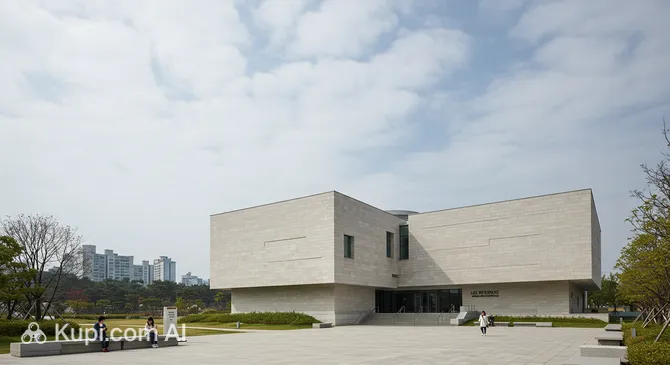
For those interested in culture and history, Cheonan offers several remarkable museums. The Cheonan Museum is a key place to learn about the past of the city and the region. Its exhibits cover various historical periods, presenting artifacts and materials that tell the story of this part of South Korea. Modern art lovers should definitely visit the Arario Gallery Cheonan, known for its bold and interesting exhibitions by both Korean and international artists. It is an important center for contemporary art in the region. Equally interesting is the Lee Ungno Museum, dedicated to the work of this outstanding Korean artist.

Lee Ungno Museum. Illustration.
Source: Kupi.com AI

Traveler photos:

In addition to parks and museums, there are other interesting places in Cheonan. For instance, Om's Family Village House allows you to experience traditional Korean architecture and daily life. This historic building provides a glimpse into how Korean families lived in the past and is a valuable cultural heritage site.

For more authentic experiences, don't limit yourself to the main attractions. Take a walk around the neighborhoods of famous parks or museums—often, that's where you'll find cozy local cafes, small shops, or less famous but charming corners of the city that will leave warm memories of your trip to Cheonan.

Getting Around

Getting around Cheonan is quite convenient thanks to its developed public transport system. The backbone of the transport network is the city buses, which cover most areas of the city and its suburbs. Routes are diverse, and buses run with reasonable regularity, making them a popular choice for both locals and tourists.

Of particular importance for Cheonan is the fact that the city is integrated into the Seoul Metropolitan Subway system. Seoul Subway Line 1 (dark blue) passes through Cheonan, providing direct and convenient connections to the South Korean capital and other cities in the metropolitan area. This makes Cheonan attractive for those planning frequent trips to Seoul or its surroundings.

The most convenient way to pay for bus and subway fares is to use a T-money transport card (or similar, such as Cashbee). These cards can be purchased and topped up at most convenience stores, as well as at machines in subway stations. A T-money card can be used to pay for travel not only in Cheonan but also in many other cities across South Korea. When entering a bus or subway station, you must tap the card against the validator, and when exiting a bus (to correctly calculate the fare by distance) or subway station, tap it again. Single-trip tickets also exist, but they are less economical and convenient for multiple trips. The estimated base cost of a single trip by bus or subway when paying with a T-money card in Cheonan usually starts from 1,300–1,500 KRW, but may vary slightly depending on the specific route and distance.

Tourists are encouraged to purchase a T-money card immediately upon arrival. Public transport usually operates from early morning (about 5:30–6:00 AM) until late evening (around 11:00 PM–12:00 AM), but schedules can vary depending on the route and day of the week. Information on routes and schedules can be found at stops, subway stations, and through popular Korean navigation apps (such as Naver Maps or KakaoMap), which provide real-time data.

As an alternative to public transport, taxis are always available in Cheonan. They can be hailed on the street, found at designated stands, or called via an app. Taxi trips are generally metered and are a more expensive but comfortable option, especially for trips with luggage or at night. In some areas of the city, you can also find bicycle rental stations, which can be a pleasant way to explore the city in good weather. Car-sharing services are also available in Cheonan; popular services in South Korea like Socar or GreenCar offer car rentals through mobile apps, which can be a convenient option for independent trips or excursions outside the city.

Accommodation

Cheonan offers tourists a variety of accommodation options to suit different preferences and budgets. You can find both modern hotels and more traditional Korean guesthouses (hanoks), as well as apartments for short-term rent. Choices range from budget options to mid-range hotels with a good set of services.

When choosing a place to stay, look for areas near major transport hubs, such as the Cheonan-Asan Station (KTX), which provides easy access to other parts of the city and neighboring regions. Areas with developed infrastructure are also convenient, where shopping centers like the Cheonan-Asan Outlet or Homeplus and restaurants are concentrated.

While specific hotels are not listed here, Cheonan features a wide selection of hotels in various categories. The price range varies: you can find both economical options and mid-level hotels with more comfortable conditions. Booking accommodation is easiest through popular online platforms or directly on hotel websites. It is recommended to book your accommodation in advance, especially if your trip coincides with the peak tourist season or major events in the city.

Nearby Cities

For those who want to explore the surroundings, Cheonan serves as an excellent starting point for day trips to several interesting nearby locations:

CityPopulationDistance
Asan332 79013 km
Anseong194 76524 km
Sejong204 08827 km
Pyeongtaek457 87333 km
Cheongju833 27637 km

These nearby destinations allow you to get a sense of the diverse culture and landscapes of the region. Each of these cities offers its own unique attractions: for example, Suwon is famous for its Hwaseong Fortress, a UNESCO World Heritage site, while Daejeon is a major science and technology center with interesting museums and parks. Cheongju is known as the birthplace of the world's oldest movable metal type printed book, "Jikji," as well as for its historical monuments.

Shopping & Souvenirs

Shopping in Cheonan offers tourists various opportunities, from modern shopping malls to traditional markets. The city is not famous for any unique, world-renowned goods, but you can find high-quality Korean products, fashionable clothing, cosmetics, and, of course, local delicacies, the main one being the famous "hodu-gwaja" (호두과자) walnut cookies.

The main shopping areas in Cheonan are considered the district around Cheonan Station, where many shops, cafes, and entertainment venues are concentrated, as well as the lively Sinbu-dong district. Sinbu-dong is especially popular among young people due to its trendy boutiques, cosmetics shops, and street food. Life is always buzzing here, especially in the evenings and on weekends.

For those who prefer shopping in large complexes, there are several worthy options in Cheonan. One popular spot is the Cheonan-Asan Outlet, where you can find well-known brand goods at a discount. Also worth checking out are the Homeplus hypermarkets, offering a wide range of goods—from food and clothing to electronics and household items.

Cheonan Asan Outlet. Illustration.
Source: Kupi.com AI

Traveler photos:

Lovers of authentic shopping and local products should visit the traditional markets of Cheonan. For example, Namsan Jungang Market is a great place to soak up the local atmosphere, try street food, buy fresh fruit, vegetables, seafood, and various Korean snacks. You can also find inexpensive clothing and household items here.

As for souvenirs from Cheonan, the famous "hodu-gwaja" walnut cookies should be at the top of your list—they are the city's signature item. Korean cosmetics, traditional handicrafts such as ceramics or hanji paper products, ginseng products, and various Korean teas and sweets are also popular. In shops, you can also find souvenirs with the symbols of the city or South Korea.

Most shops and shopping centers in Cheonan operate from approximately 10:00-11:00 AM to 8:00-10:00 PM. Small private shops may have their own schedules. Traditional markets usually open early in the morning and close by evening. Credit cards from international payment systems (Visa, Mastercard) are accepted everywhere, and you can also pay in cash (Korean Won). Mobile payment systems are common in South Korea.

Foreign tourists in South Korea can take advantage of the Tax Free refund system when making purchases over a certain amount in stores with the appropriate sign. To do this, you need to ask for a special tax refund slip at the time of purchase and present it along with your passport and the goods at the airport when leaving the country to receive a VAT refund.

Reached the end of the page?

That means the route is fully explored