Support

Gwangmyeong

About

Gwangmyeong is a fascinating city in South Korea, often described as a true treasure trove for curious travelers. Located on the southwestern outskirts of the Seoul metropolitan area, nestled among the picturesque hills of Gyeonggi-do Province, it offers a unique blend of urban rhythm and natural tranquility. Thanks to its proximity to the capital—just a 30-minute journey away—Gwangmyeong is an ideal destination for day trips or a more in-depth exploration of the region.
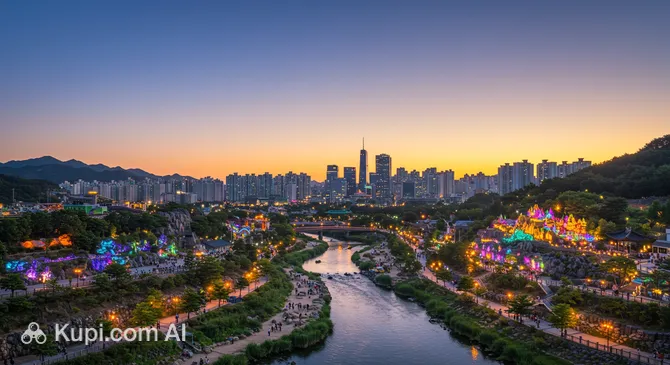
Gwangmyeong. Illustration.
Source: Kupi.com AI

With a population of about 318,000 people, Gwangmyeong is a compact but dynamically developing city. It plays a vital role as a transport and commercial hub while maintaining a friendly and cozy atmosphere, free from the overwhelming bustle of a mega-city. Here, modernity is harmoniously intertwined with centuries-old traditions, creating a unique local character.

The crown jewel of Gwangmyeong is undoubtedly the famous Gwangmyeong Cave—a former mine transformed into a stunning cultural complex featuring a wine cellar, an aquarium, and art installations. Beyond this, the city attracts visitors with its traditional markets, where you can immerse yourself in local life and sample authentic Korean dishes. Gwangmyeong also offers numerous opportunities for cultural enrichment and art appreciation, making it attractive for family vacations and lovers of unusual experiences.

If you are looking for a place to escape the noise of the big city, touch history, enjoy natural beauty, and discover something new, Gwangmyeong is an excellent choice. This city is a true portal into the world of Korean traditions and amazing discoveries that will leave you with the warmest memories.

You can find more interesting facts on the Gwangmyeong city history page.
Weather Overview

The weather in Gwangmyeong is characterized by distinct seasonal changes. Winters are cold, with average January temperatures around -1.7°C, sometimes dropping to -5.8°C. There is little precipitation in winter, averaging 1 mm per month. Spring brings gradual warming: in March, the average temperature is 6.5°C, rising to 16.9°C by May, and the amount of precipitation also increases. Summer in Gwangmyeong is warm and humid. July and August are the hottest months, with average temperatures of 25.6°C and 26.2°C respectively, and maximums reaching 28-29°C. These months also see the most precipitation (8-9 mm) and rainy days (16-17). In autumn, the temperature gradually decreases: in September, the average is 21.9°C, and by November, it drops to 7.4°C, with decreasing precipitation. Overall, expect a warm summer with periodic rain and cold, relatively dry winters. For more detailed information, you can visit the Gwangmyeong Climate page.

Average monthly temperature

Average monthly precipitation

Interesting Facts

Beyond the well-known tourist routes, Gwangmyeong hides many amazing stories and unique spots that not everyone knows about. Are you ready to discover a different side of this South Korean city?

  • The pride of Gwangmyeong is the famous Gwangmyeong Cave. Originally a gold mine, it has been transformed into the largest themed cave park in South Korea. One of its highlights is a giant dragon sculpture created by the studio that worked on the special effects for the iconic "Lord of the Rings" films. Additionally, inside the cave, you can discover wine cellars, aquariums, light installations, and even an underground lake.

  • Gwangmyeong Traditional Market is not just a commercial area; it is the true heart of city life and culture, existing since the 1970s. It grew from a small bazaar into a large and bustling center where locals and tourists can find the freshest products, authentic handicrafts, and, of course, taste real Korean street food.

  • In Gwangmyeong, you can find a unique historical artifact—a statue of Maitreya Buddha carved directly into the rock. This rare example of ancient stone art is not only a site of pilgrimage but also attracts history buffs, bearing witness to the region's rich cultural heritage.

How to Get There

Gwangmyeong enjoys excellent transport accessibility thanks to its location within the capital region. The city is a major transport hub, easily accessible by air via nearby airports and by rail. You can find out more about how to get to Gwangmyeong and plan your route by checking the information below.

Gwangmyeong does not have its own airport, but it is served by the country's two largest aviation hubs located in and around Seoul. The most convenient option for international travelers is Incheon International Airport (IATA: ICN). It is located approximately 35 km from Gwangmyeong. A taxi or bus ride from there takes about 70–80 minutes. It is the country's largest airport with a huge passenger flow, receiving flights from all over the world.

Another excellent option, especially for domestic flights and some international routes from Asia, is Gimpo Airport (IATA: GMP). It is located just 14.4 km from Gwangmyeong. Due to its close proximity, the travel time is only about 40–50 minutes by car. Both airports are connected to the city by convenient bus routes and metro lines, making transfers very comfortable.

For your convenience, here is a summary of the main airports used to reach the city:

AirportPassenger trafficDistance
Gimpo International Airport23.0 mln14 km
Incheon International Airport71.2 mln35 km
Wonju Airport205 27999 km
Cheongju Airport4.6 mln99 km
Pyongyang Sunan International Airport120 000223 km

The railway connection is a point of pride for Gwangmyeong. Within the city limits lies a vital transport hub—Gwangmyeong Station (IATA: XWU). It is located just 4.4 km from the center and was specifically built to serve KTX high-speed trains. This makes traveling from other regions of the country incredibly fast and comfortable. Due to the high passenger volume, the station offers excellent infrastructure for tourists, including shops and lounge areas.

Below is information about the nearest major railway stations and Gwangmyeong Station itself:

StationPassenger trafficDistance
Gwangmyeong Station12.4 mln4 km
Daejeon Station18.6 mln130 km
Dongdaegu Station20 mln235 km
Gwangju Songjeong Station3.4 mln256 km
Jinju Station279 km
Mokpo Station1.8 mln297 km

Main Attractions

Gwangmyeong, a dynamic city in Gyeonggi Province, offers visitors a unique blend of history, culture, nature, and modern entertainment. Everyone will find something of interest here, from mysterious caves to massive shopping centers and cozy natural escapes.

One of the main gems of Gwangmyeong is undoubtedly Gwangmyeong Cave. This former gold mine has been transformed into a spectacular theme park. Inside, you will find wine cellars where you can taste Korean wines, an aquarium, a concert hall, and numerous art installations. The cave offers a cool respite in summer and a unique experience year-round, making it a must-visit for any tourist.

For shopping enthusiasts, Gwangmyeong is a true paradise. It is home to the massive IKEA Gwangmyeong, one of the largest in the world, and Lotte Premium Outlets. These shopping complexes attract visitors not only with their wide range of goods but also with various restaurants and entertainment zones where you can spend an entire day.

To dive into the history and culture of the region, visit the Chung Hyeon Museum. It is dedicated to the life and legacy of Yi Won-ik, a prominent statesman of the Joseon Dynasty. The museum's collection includes historical documents, artifacts, and everyday items that tell the story of the area's rich past.

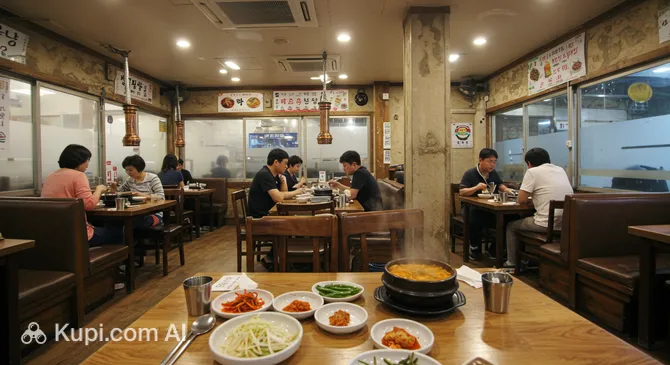
Nature lovers and outdoor enthusiasts should head to Mt. Gureumsan. This is a popular spot for hiking, offering picturesque views of the surroundings. After a walk along the mountain trails, you can refuel at one of the local eateries. For instance, the restaurant Gureumsan Chueotang offers traditional dishes that will help you restore your energy. This place is valued for its authentic cuisine and cozy atmosphere.

Gureumsan Chueotang. Illustration.
Source: Kupi.com AI

Traveler photos:

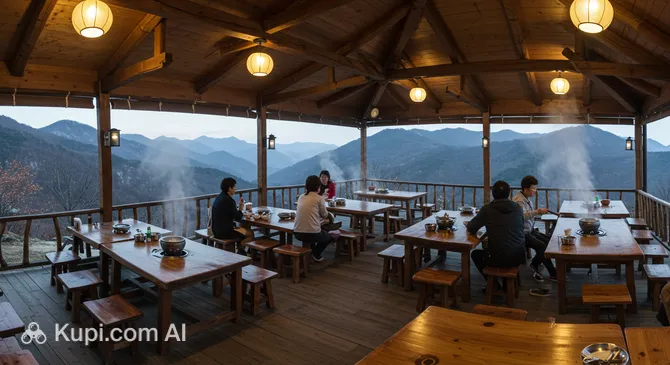
Another notable spot for exploring Korean gastronomy is the Jangsimdo Korean Restaurant (Main Branch). It is famous for its exquisite dishes and high level of service, offering visitors the chance to enjoy the flavors of authentic Korean cuisine in a pleasant setting.

Jangsimdo Korean Restaurant (Main Branch). Illustration.
Source: Kupi.com AI

Traveler photos:

Local Cuisine

The gastronomic world of Gwangmyeong is a vibrant journey where tradition meets modernity. The city's culinary life is particularly bustling at its famous traditional market, offering guests a kaleidoscope of flavors and aromas that reflect the true spirit of South Korea.

Be sure to try the authentic Korean dishes that Gwangmyeong is famous for. Start with classic kimchi in all its variety, enjoy the freshest seafood, and appreciate the hearty and aromatic noodles prepared according to old recipes. Tteokbokki—spicy rice cakes in a savory sauce—are particularly popular and have become a signature of Korean street food.

The street food and markets of Gwangmyeong are a true feast for foodies. At every turn, you'll find appetizing fried pies with various fillings, aromatic roasted chestnuts, and delicate steamed buns. A stroll through the traditional market offers not only gastronomic discoveries but also a chance to dive into the lively atmosphere of local life.

Gwangmyeong also offers unique gastronomic experiences. For example, you can attend an ice cream-making workshop at a local dairy farm that has been operating since 1973, where you'll create your own dessert from fresh milk, salt, and ice. For those who appreciate something unusual, wine tasting in the famous Gwangmyeong Cave combines taste, history, and a unique atmosphere. As for drinks, besides local wines, various traditional teas and refreshing non-alcoholic beverages are popular in Gwangmyeong, as in all of Korea. Among alcoholic drinks, soju and makgeolli are widely common and perfectly complement any meal.

Locals and tourists in Gwangmyeong enjoy food in a wide variety of places: from bustling street stalls and traditional markets to cozy restaurants. For a deeper immersion into Korean cuisine, you can visit specialized establishments. For example, Gureumsan Chueotang offers the chance to try the traditional soup of the same name, while the Jangsimdo Korean Restaurant (Main Branch) introduces you to a wide range of classic Korean dishes. Don't miss out on food festivals and seasonal fairs often held at the market—they are a great opportunity to try rare delicacies and chat with the hospitable townspeople.

The culinary scene in Gwangmyeong attracts tourists with its diversity and authenticity. From spicy tteokbokki and aromatic noodles to the chance to create your own ice cream or taste wine in a cave—the city offers unforgettable culinary adventures. Visiting gastronomic festivals and fairs will add bright impressions and allow for a deeper dive into the food culture of Gwangmyeong.

Travel Tips

Planning a trip to Gwangmyeong? Excellent! To ensure your journey through this interesting city in South Korea goes smoothly and leaves only pleasant impressions, we have prepared some practical tips for you.

  1. Wardrobe and Essentials: The climate in Gwangmyeong, like in all of South Korea, has four distinct seasons. In summer (June-August), it is hot and humid—bring light, breathable clothing. In winter (December-February), it can be cold and snowy, so a warm down jacket, hat, and gloves will be very useful. Spring and autumn offer comfortable temperatures, ideal for walking. Be sure to bring comfortable shoes, as you will be doing a lot of walking, and a universal power adapter (South Korea uses Type F outlets, 220V). Sunscreen is useful in summer, and a small umbrella can save you from sudden rain.
  2. Transport: The most convenient way to get around Gwangmyeong is by public transport. The city is served by the Seoul subway (Line 1, Gwangmyeong KTX Station), and the bus network is also well-developed. Purchase a T-money card—it's a universal transit pass that you can top up and use for the metro, buses, and even some taxis, plus it offers small discounts. Taxis are easy to hail on the street or order via the Kakao T app. Car rental is possible but may not be practical due to heavy traffic and parking difficulties in urban settings.
  3. Financial Matters: The official currency is the South Korean Won (KRW). You can exchange money at banks or official exchange offices at the airport or in the city itself. Credit and debit cards (Visa, Mastercard) are accepted almost everywhere, especially in large shops and restaurants. However, a small amount of cash is always useful for purchases at markets or in small establishments. Before your trip, notify your bank of your plans to visit South Korea to avoid card blocks. ATMs labeled "Global ATM" usually serve international cards. Tipping culture is not common in South Korea; a service charge is most often already included in the bill.
  4. Health and Safety: Pharmacies (marked with the sign "약") are easy to find, but not all are open 24/7, and staff may not always speak English. If medical assistance is needed, head to a hospital; having travel insurance is highly recommended. The emergency services number is 119. Gwangmyeong, like South Korea as a whole, is a very safe place. Follow standard precautions: keep an eye on your belongings in crowded areas and avoid poorly lit, deserted streets late at night.
  5. Communication: The official language is Korean. English is common among young people and in tourist zones, but overall proficiency is not universal. Learn a few basic phrases in Korean, such as "Annyeonghaseyo" (Hello), "Kamsahamnida" (Thank you), "Juseyo" (Please give me)—local residents will greatly appreciate it. A SIM card with internet access can be purchased at the airport or in convenience stores (e.g., CU, GS25). Wi-Fi is available in many public places, cafes, and the metro. For navigation, it's better to use local apps like Naver Maps or KakaoMap, as Google Maps has limited functionality in South Korea.
  6. Local Etiquette: When greeting someone, especially older people, it is customary to bow slightly. When passing or receiving items (money, business cards), use both hands or your right hand supported by your left at the wrist. In public places, especially on transport, try to keep noise to a minimum. Show respect to elders. If you are invited to someone's home, a small gift is appropriate.
  7. What to Avoid: Do not stick your chopsticks vertically into a bowl of rice—this is associated with funeral rituals. Also, avoid writing people's names in red ink, as this is also linked to negative superstitions. Try not to point at people with your finger.
  8. Gwangmyeong Speciality: Be sure to plan a visit to the famous Gwangmyeong Cave—this former gold mine has been transformed into an impressive theme park with a wine cellar, aquarium, and light installations. The city also attracts shoppers due to the presence of a large IKEA store and Lotte Premium Outlets. Furthermore, Gwangmyeong KTX Station is a major transport hub, making the city a convenient starting point for day trips to the surrounding areas.

We hope these tips help you better prepare for your trip and fully enjoy every moment spent in Gwangmyeong. We wish you an unforgettable and exciting journey!

Entertainment & Nightlife

Gwangmyeong offers its guests a variety of options for evening and night leisure. While its nightlife may not be as massive as Seoul's, it possesses its own local flavor and charm. After sunset, the city comes alive, offering entertainment for every taste—from a quiet dinner to more active pastimes.

The main centers of evening activity in Gwangmyeong are usually concentrated around commercial districts, near major transport hubs and shopping malls. Here, you can find many restaurants, cafes, and bars. The atmosphere in most establishments is quite casual and friendly, attracting both locals and tourists. Many places stay open until late at night, and some even until the early morning, especially on weekends.

While Gwangmyeong might not be famous for giant nightclubs, you can find cozy bars serving local beer and soju, as well as karaoke bars (noraebang), which are an integral part of Korean evening culture. Restaurants offering Korean and international cuisine play a special role in the nightlife. They are a great way to start the evening or enjoy a delicious dinner after other activities. Some establishments specialize in late-night dining and remain open well past midnight.

Among the places where you can enjoy a pleasant evening over dinner is Gureumsan Chueotang. This restaurant invites visitors to enjoy traditional dishes in an authentic setting. Another popular option is the Jangsimdo Korean Restaurant (Main Branch), known for its signature Korean delicacies.

Gureumsan Chueotang. Illustration.
Source: Kupi.com AI

Traveler photos:

When planning an evening out, keep in mind that peak activity in bars and restaurants usually occurs after 8:00 PM - 9:00 PM, especially on Fridays and Saturdays. The dress code in most Gwangmyeong establishments is quite relaxed, though some high-end restaurants may require a more elegant style. Public transport runs less frequently at night, so taxis are a popular option for getting around. They can be easily called via apps or found at designated taxi stands.

Jangsimdo Korean Restaurant (Main Branch). Illustration.
Source: Kupi.com AI

Traveler photos:

Gwangmyeong is considered a safe city for nighttime walks, particularly in busy areas. Nevertheless, it is always wise to follow standard precautions: keep an eye on your belongings and avoid poorly lit or deserted places. Hailing a taxi at night is usually not a problem, especially in the central parts of the city.

During the day, Gwangmyeong also offers interesting leisure options. Visitors can tour local museums to get closer to the region's culture and history, stroll through scenic parks, or spend time in shopping centers, which often house cinemas and entertainment zones alongside shops. While this overview focuses on nightlife, daytime activities will help round out your impression of the city.

Parks & Museums

Gwangmyeong offers its guests a pleasant combination of natural spots for relaxation and interesting cultural sites that allow for a deeper understanding of the city's history and modern life. Everyone will find something here, whether it's a quiet walk in the fresh air or an immersion into the world of art and history.

For nature lovers and outdoor enthusiasts, Gwangmyeong has several wonderful places to offer. For instance, Mt. Dodeoksan is popular among locals and tourists for its scenic hiking trails and panoramic views of the city and its surroundings. It's a great spot for a morning walk or a more serious hike. Along the Anyangcheon Stream lies a pleasant park where you can escape the city bustle, ride a bike, or simply enjoy the calm atmosphere by the water while watching local residents.

The cultural program in Gwangmyeong is also noteworthy. The city's main jewel is certainly Gwangmyeong Cave. This is not just a natural feature, but a whole cultural and entertainment complex located in a former gold mine. Visitors can enjoy themed exhibitions, impressive light installations, a small aquarium, and even a wine cellar with tastings. This place is interesting for both adults and children, offering a unique blend of history, nature, and entertainment. For admirers of Korean literature, the Ki Hyungdo Literary Museum may be of interest, dedicated to the life and work of the famous Korean poet who spent his childhood in Gwangmyeong. The museum offers a look at Korean poetry and culture through the prism of his works, introducing an important part of the country's literary heritage.

To get a more authentic experience from your visit to Gwangmyeong, after a walk in one of the parks or a museum visit, stop by one of the many local cafes—this is a great way to observe the daily life of citizens and try local desserts. Also, don't overlook small art galleries or craft workshops you might unexpectedly encounter while strolling through the city; they often hide true treasures of local art and offer unique souvenirs.

Getting Around

Getting around Gwangmyeong is quite convenient thanks to a well-developed public transport system. The backbone of the transport network is the metro and buses, which make it easy to reach most areas of the city and its surroundings.

The main transport hub of the city is Gwangmyeong Station, which is served by Seoul Subway Line 1, providing direct links to the capital and other cities in the metropolitan area. Additionally, Gwangmyeong Station is a major hub for KTX high-speed trains, connecting it with other major cities. The bus network in Gwangmyeong is also extensive and includes many routes running both within the city and to neighboring settlements. The buses here are modern and comfortable.

For fare payment, the most convenient method is using a T-money transport card. This card can be purchased and topped up at most convenience stores (konbini), as well as at vending machines in subway stations. The T-money card is valid for travel on the metro, buses, and even some taxis. Using it often entitles you to a discount when transferring between different modes of transport. Single-trip tickets are also available and can be bought at vending machines in subway stations, but T-money significantly simplifies the payment process and saves time.

Single-trip tickets or the T-money card must be tapped against a validator when entering a subway station or bus, as well as when exiting the subway. Buses and the metro typically start operating early in the morning (around 5:30 AM - 6:00 AM) and finish late in the evening or around midnight, depending on the route and day of the week. It is recommended to check the schedules of specific routes in advance, especially if you plan to travel late. Mobile apps with transport maps and schedules can be very helpful for route planning.

In addition to public transport, other ways of getting around are available in Gwangmyeong. Taxis are easy to find on the streets or order via specialized apps; payment is by meter. Car-sharing services and bike-rental systems may also be available in the city, providing additional options for exploring Gwangmyeong and its surroundings, especially for short trips or rides through park areas.

Accommodation

When planning a trip to Gwangmyeong, you will be able to find an accommodation option to suit your taste and budget. The city offers various types of housing, ranging from more economical choices like guesthouses or small hotels to comfortable mid-range hotels. Apartment rentals are also an option, which can be convenient for longer stays or family travel.

When choosing a place to stay in Gwangmyeong, it is worth looking for areas with good transport accessibility or those located near your points of interest. Generally, hotels and other accommodation options are concentrated near transport hubs and business centers, ensuring ease of movement. Although specific famous hotels are not listed in the provided data, the city has plenty of offerings for a comfortable stay.

To guarantee the best option, especially if your trip coincides with the peak tourist season or major events in South Korea, it is recommended to book your accommodation in advance. Price ranges can vary from budget to mid-range and higher, depending on the level of comfort and location. For searching and booking, it is convenient to use popular online platforms or contact the chosen hotels directly.

Nearby Cities

For those looking to explore the surroundings, Gwangmyeong serves as an excellent starting point for day trips to several interesting nearby locations:

CityPopulationDistance
Bucheon867 6789 km
Anyang573 29610 km
Gwacheon64 81713 km
Gunpo285 72113 km
Siheung425 18414 km

These nearby destinations provide insight into the diverse culture and landscapes of the South Korea region. Each trip promises new discoveries, whether it's exploring historical sites, modern urban life, or natural beauty.

Shopping & Souvenirs

Gwangmyeong, being a modern South Korean city, offers tourists a variety of shopping opportunities. While it may not compare to the massive shopping districts of Seoul, you can find everything you need here: from large shopping complexes to traditional markets and small local shops. The city is not famous for any unique, exclusive products, but it is easy to find popular Korean goods, including cosmetics, fashion, and electronics.

The main shopping activities in Gwangmyeong are concentrated around several key points. Bustling streets can often be found near metro stations or in the central areas of the city, where both chain stores of famous brands and small boutiques, cafes, and restaurants are located. A walk along such streets allows you to feel the rhythm of local life and find interesting items.

For fans of large-format shopping, Gwangmyeong offers several notable malls. One of the most famous is Lotte Mall Gwangmyeong Branch, which includes not only clothing, accessories, and electronics stores but also a popular IKEA and Lotte Premium Outlets. Another large complex is AK Plaza Gwangmyeong, offering a wide range of goods, entertainment, and food courts. These malls are great places for comfortable shopping, especially in bad weather.

If you want to immerse yourself in an authentic atmosphere and find something more traditional, you should visit the Gwangmyeong Traditional Market. This is a typical Korean market where you can buy fresh produce, ready-to-eat street food, clothes, household goods, and much more. It's a great place to observe the daily life of the city's residents and perhaps find unique local delicacies or inexpensive souvenirs.

As souvenirs from Gwangmyeong, as from South Korea in general, tourists often bring back Korean cosmetics (K-beauty), which are famous for their quality and innovation. Various snacks, such as seaweed chips, traditional sweets (like yakgwa or hangwa), and, of course, K-pop related merchandise are also popular if you are a fan. In souvenir shops, you can also find more traditional items: ceramics, items with Korean symbols, or small accessories.

Most shops and shopping centers in Gwangmyeong are typically open from 10:00 AM - 11:00 AM to 8:00 PM - 10:00 PM. Small private shops may have their own schedules. Markets generally start working earlier. Credit cards from international payment systems (Visa, Mastercard) are accepted everywhere, and local payment systems and, of course, cash (Korean Won, KRW) are also popular. In small stalls at markets, it is preferable to have cash on hand.

For foreign tourists in South Korea, a tax refund system (Tax Free) is available. Look for shops with corresponding signs ("Tax Free" or "Global Blue"). When making a purchase of a certain amount (usually from 30,000 won in one receipt), you can apply for VAT refund documents. The refund can be obtained at the airport before departure or at special points in the city.

Reached the end of the page?

That means the route is fully explored