Support

Pocheon

About

Pocheon is a charming city picturesquely situated in the northeast of Gyeonggi Province, just an hour's drive from bustling Seoul. It is famous for its green hills, mountains, and remarkably clean air, offering guests breathtaking natural panoramas. The city borders natural parks and forests, and its surroundings are known for beautiful lakes and waterfalls.
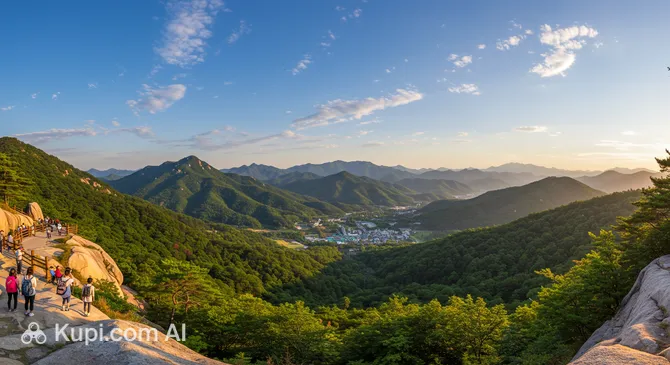
Pocheon. Illustration.
Source: Kupi.com AI

With a population of about 163,000 people, Pocheon maintains a cozy and unhurried atmosphere while remaining a modern city. Here, traditional Korean villages harmoniously coexist with new residential quarters and numerous cultural sites. Pocheon plays an important role in the region and is a popular destination for domestic tourism, attracting those seeking outdoor relaxation.

The special charm of Pocheon lies in its unique combination of nature and creativity. The city abounds with scenic parks, impressive art spaces like the famous Pocheon Art Valley, and fragrant botanical gardens such as Herb Island. These places, along with various museums, make it an ideal choice for family trips and romantic weekends, allowing you to experience the real South Korea away from the city bustle.

If you are looking for peace, new experiences, and an opportunity to enjoy the beauty of Korean nature and art, Pocheon will be a real discovery for you. This city invites you to rest your soul and body, offering unforgettable moments away from the noise of megacities.

You can find more interesting facts on the Pocheon city history page.

Weather Overview

The weather in Pocheon is characterized by clearly defined seasons. Summer, especially in July and August, is warm here, with average temperatures around 25°C (maximums can reach 28.6°C). These months are also the wettest, with the highest amount of precipitation (up to 9 mm) and rainy days (up to 18). Winters in Pocheon are cold: the average January temperature is about -3.2°C, and the minimum can drop to -7.7°C. The winter months are characterized by a small amount of precipitation (about 1 mm). Spring and autumn offer pleasant transitional weather with moderate temperatures. Overall, Pocheon awaits you with warm, humid summers with periodic rains and cold, relatively dry winters. You can learn more on the Pocheon Climate page.

Average monthly temperature

Average monthly precipitation

Interesting Facts

In addition to its scenic landscapes and cultural centers, Pocheon hides many surprising details and stories that make it truly special. Here are just a few little-known facts that can surprise even a seasoned traveler:

  • Few people know that the famous Pocheon Art Valley is not just a park, but an impressive example of reclamation: a former granite quarry was turned into a huge cultural space with a lake, sculptures, and even a monorail, becoming a popular filming location for Korean dramas.

  • Herb Island in Pocheon turns into a real light extravaganza in winter. During the annual light festival, millions of LED bulbs create dazzling installations, turning the park into a magical kingdom that attracts visitors from all over South Korea.

  • Pocheon is home to the unique Sansawon Traditional Korean Alcohol Museum, where visitors can not only learn about the centuries-old history of brewing in Korea but also taste various types of traditional drinks, including the famous makgeolli, right from the source.

  • Bidulginang Waterfall, located near Pocheon, is known not only for its picturesqueness but also because its gorge was formed as a result of volcanic activity. This site is a natural monument and often serves as a backdrop for historical films and dramas due to its unique atmosphere.

How to Get There

Pocheon, located in the scenic Gyeonggi Province, does not have its own airport or railway station, so travelers usually get here by transiting through the transport hubs of Seoul and its surroundings. You can find out more about how to get to Pocheon by studying various routes and transport combinations.

Since there is no airport in the city of Pocheon itself, most tourists arrive in the country via South Korea's main air gateway—Incheon International Airport (IATA: ICN), located in Seoul. It is approximately 83 km from Pocheon. A trip by taxi or rental car from here will take about 2.5 hours, depending on traffic. Another convenient option is Gimpo Airport (IATA: GMP), which is also in Seoul but much closer—only 51 km away. The drive from Gimpo to Pocheon by car will take about 1 hour and 40 minutes. Intercity buses run from both airports, connecting the capital with the province.

For clarity, here is summary information on the main airports:

AirportPassenger trafficDistance
Gimpo International Airport23.0 mln51 km
Incheon International Airport71.2 mln83 km
Wonju Airport205 27984 km
Cheongju Airport4.6 mln134 km
Pyongyang Sunan International Airport120 000199 km

Railway services also do not reach the center of Pocheon directly. The nearest major KTX high-speed train station is Gwangmyeong Station (IATA: XWU) in Gwangmyeong, located about 60.5 km from Pocheon. From the station, you can reach the city by taxi or bus, which will take about 2 hours. This is a convenient option for those traveling around the country on high-speed trains from the south.

Below is information on the nearest railway stations:

StationPassenger trafficDistance
Gwangmyeong Station12.4 mln60 km
Daejeon Station18.6 mln173 km
Dongdaegu Station20 mln258 km

Main Attractions

Pocheon, located near Seoul, offers an amazing variety of attractions, from scenic natural spots to unique cultural spaces. This city is a wonderful place for those who want to take a break from the urban bustle and enjoy beauty and tranquility.

One of the most iconic landmarks in Pocheon is the Pocheon Art Valley. This former granite quarry has been transformed into an impressive cultural and artistic space. The main gem here is the emerald Cheonjuho Lake, surrounded by sheer cliffs. Visitors can enjoy sculpture parks, visit an astronomical observatory, and even watch outdoor performances. This place is especially photogenic and attracts both art lovers and nature enthusiasts.

Another popular spot is Herb Island. This is a huge theme park dedicated to herbs and flowers, where you can immerse yourself in a world of aromas and bright colors. There are many themed gardens, including a picturesque Venice Village, indoor botanical gardens, shops with herbal products, and a cozy bakery. In the evening, the park is transformed by colorful illumination, creating a truly fairytale atmosphere.

Nature lovers should definitely visit Sanjeong Lake (Sanjeonghosu). This picturesque lake, located at the foot of Mount Myeongseongsan, is famous for its peaceful landscapes and clean air. There are convenient walking trails around the lake, and you can rent a boat or just relax on the shore, enjoying the silence. Near the lake, there is also a small amusement park and a sculpture park, making it an excellent place for family vacations.

For those interested in flora and fauna, the Korea National Arboretum, part of which is located in Pocheon, will be a real discovery. This extensive forest and research center, part of the UNESCO Biosphere Reserve network, offers a unique opportunity to get acquainted with the richest collection of plants on the Korean Peninsula. It is a wonderful place for long, educational walks and communing with nature.

Local Cuisine

Pocheon's gastronomy is a true immersion into the authentic tastes of Korea, where special attention is paid to the freshness and naturalness of products. The city is famous for dishes prepared from local vegetables, wild herbs, and mushrooms collected in the surrounding forests. One of the culinary symbols of Pocheon is wild herb bibimbap—a fragrant and hearty dish often served in traditional restaurants with scenic mountain views.

Be sure to try other local specialties as well. The fresh trout caught in the purest mountain streams is incredibly delicious—it's masterfully grilled here and served with piquant sauces. In street markets and local eateries, appetizing Korean pancakes with vegetables (jeon), spicy skewers, and various seasonal treats such as roasted chestnuts or sweet rice cakes (tteok) await you.

Among drinks, a special place is occupied by makgeolli—a traditional Korean rice wine with a mild taste. To truly appreciate this drink, you can visit the Sansawon Museum, which offers tastings and even workshops on its preparation. In addition to makgeolli, in Pocheon, you can try other drinks based on fermented grains and fruits, reflecting the rich traditions of Korean winemaking.

Dining culture in Pocheon is diverse: from cozy family restaurants serving dishes according to old recipes to lively street markets offering a wide selection of snacks and local delicacies. The city regularly hosts culinary festivals and fairs where you can get acquainted with the best products of the region and try dishes from local farmers and chefs. Pocheon attracts tourists with its simple yet surprisingly delicious and authentic Korean cuisine, capable of providing unforgettable gastronomic experiences.

Travel Tips

Planning a trip to picturesque Pocheon? Wonderful! To make your journey through this corner of South Korea as comfortable as possible and leave only pleasant impressions, we have prepared some useful tips for you.

  1. Clothing and Essentials: The climate in Pocheon is temperate, with four distinct seasons. In summer (June-August), expect heat and humidity, so choose light, breathable clothing; don't forget sunscreen and a hat. In winter (December-February), it can be cold and snowy—warm layered clothing is a must. Spring and autumn are the most comfortable times, but a jacket will be useful in the evenings. Be sure to bring comfortable shoes for walking around natural attractions. For electronics, you will need a Type F adapter (Schuko plug). When visiting temples, dress modestly (shoulders and knees covered).
  2. City Transport: The main types of public transport in Pocheon are buses, which connect key points of the city and its surroundings. There is no metro in the city itself. Taxis are a convenient option; they can be hailed on the street or ordered via local apps (e.g., Kakao T, if you have a Korean SIM card). Renting a car can be useful for exploring the Gyeonggi region, but keep in mind the specifics of local traffic and the need for an international driving permit. For navigation, it's best to use local apps like Naver Maps or Kakao Maps.
  3. Finances: The local currency is the South Korean Won (KRW). You can exchange money at banks or exchange offices; it's better to have some cash upon arrival. Credit cards (Visa, Mastercard) are widely accepted, but it's always useful to have cash with you for small purchases. Check with your bank about using your card abroad. ATMs marked "Global" usually service international cards. Tipping in South Korea is generally not expected.
  4. Health and Safety: Pharmacies (약국 - "yakguk") are easy to find. Most operate during daytime hours. Travel insurance is recommended. In an emergency, call 119. Pocheon is a safe city, but standard precautions (watching your belongings) won't hurt.
  5. Communication: The official language is Korean. English is common in tourist spots, but knowing basic Korean phrases ("Annyeonghaseyo" – Hello, "Kamsahamnida" – Thank you) will be very helpful. A local SIM card can be bought at the airport or mobile phone shops. Free Wi-Fi is available in many public places. Useful apps: Naver Maps/Kakao Maps (navigation), Papago (translation).
  6. Local Etiquette: When greeting, it is customary to make a slight bow. When passing items, use both hands or your right hand supported by your left. Remove your shoes when entering a Korean home, some traditional restaurants, and temples. Try to keep noise levels down in public places.
  7. What to Avoid: Do not write people's names in red ink—this is considered a bad omen. Do not stick your chopsticks vertically into your rice, as this resembles ritual incense at funerals.
  8. Additional Tip: Pocheon is famous for its natural beauty and cultural sites, such as the Pocheon Art Valley and the Korea National Arboretum. If you plan to visit them, especially on weekends, check the opening hours and the possible need for booking tickets in advance to avoid queues and get the most out of your visit.

We hope these tips help you better prepare for your trip and enjoy every moment of your stay in Pocheon. This city, with its unique blend of nature, art, and Korean culture, is sure to leave you with warm memories. Have a great trip!

Entertainment & Nightlife

Pocheon, a charming city in Gyeonggi Province, offers its guests not only picturesque natural landscapes but also opportunities for evening leisure. Although the nightlife here does not compare in scale to Seoul's, you can find cozy spots to enjoy your evening and get to know the local culture, which is focused on a more relaxed and authentic experience.

Instead of noisy nightclubs and large concert venues, evening entertainment in Pocheon is concentrated in more intimate and traditional establishments. You can easily find traditional Korean bars where you can enjoy local beer, soju, or makgeolli with friends. An integral part of Korean leisure is noraebang (karaoke)—a great place to have fun singing your favorite songs in private booths. If you get hungry late at night, look for late-night restaurants offering Korean cuisine, or the so-called "pocha" (pojangmacha)—street tents with food and drinks. Pocheon is more focused on local, non-chain establishments, which adds a special charm to evening relaxation. To find such places, we recommend walking through the central streets of districts like Pocheon-dong (the city's administrative center) or the lively commercial zones in Sinbuk-eup. Also, pay attention to the area around the Pocheon Bus Terminal, where eateries and small bars popular with locals are often concentrated. Using online maps searching for "bar" or "restaurant" categories will also help you find your way around.

The atmosphere of nighttime Pocheon is usually more relaxed and geared toward locals. The dress code in most establishments is quite casual; everyday style will be appropriate almost everywhere. Main activity starts after 20:00-21:00, but keep in mind that some places may close earlier than in major megacities. Food and drink prices are generally moderate, making evening leisure accessible to a wide range of visitors.

For getting around the city at night, the most convenient option is a taxi. It is recommended to use mobile apps to call a car, such as Kakao Taxi, as catching a taxi on the street late at night can be difficult, especially in remote areas. Public transport runs much less frequently or stops working after 22:00-23:00. Regarding safety, Pocheon, like most cities in South Korea, is considered quite safe. Nevertheless, always follow standard precautions: avoid poorly lit and deserted places, especially if walking alone late at night.

During the day, Pocheon also offers interesting leisure options. The city is famous for its natural and cultural sites, such as the Pocheon Art Valley and Herb Island, which are perfect for daytime walks and photoshoots. You can also visit small local museums or galleries to get a closer look at the region's history and culture. Opportunities for large theaters or big amusement parks with rides may be more modest compared to megacities, but the natural beauty and cultural heritage more than compensate for this.

Parks & Museums

Pocheon is a city where natural beauty harmoniously combines with cultural heritage, offering tourists diverse opportunities for relaxation and discovery. Here you will find both picturesque parks and lakes, and interesting museums telling the story of the region's history and art.

One of the most iconic places is the Pocheon Art Valley—a unique space created on the site of a former granite quarry. Today, it is an impressive cultural complex with the emerald Cheonjuho Lake, sculpture compositions, viewing platforms, and even an astronomical observatory. This place is ideal for leisurely walks, photoshoots, and getting acquainted with contemporary art in the embrace of nature.

Nature and aromatherapy lovers should visit Herb Island, a Mediterranean-style theme village dedicated to herbs. Here you can stroll through fragrant gardens, visit a herb museum, various themed zones, and purchase natural products. No less attractive is Sanjeong Lake (Sanjeonghosu), picturesquely located at the foot of Mount Myeongseongsan. It is a popular spot for boating, hiking on well-maintained trails around the lake, and family outdoor recreation, especially beautiful in autumn.

As for museums, you can find several interesting places in Pocheon. For example, the Pocheon Art Valley Astronomical Science Museum operates at the Art Valley, which will be of interest to both adults and children, offering educational exhibits about space. Also, in the city and its surroundings, you can discover small private galleries and museums dedicated to local history or specific types of art, allowing for a deeper understanding of the region's culture. Searching for such places can be an exciting adventure in itself.

In addition to large parks and museums, Pocheon offers other opportunities to get to know the local culture. Pay attention to traditional markets, where you can try local delicacies and buy souvenirs. For a more authentic experience, try turning off the popular tourist routes to explore lesser-known natural spots or visit local festivals if your trip coincides with them, allowing you to dive deeper into the atmosphere of this charming corner of South Korea.

Getting Around

When planning your travel around Pocheon, keep in mind that the basis of public transport here is buses. The urban and suburban bus network is well-developed and allows you to reach most areas and nearby settlements. There is no metro in Pocheon itself, but bus routes can connect the city with metro stations in larger neighboring cities.

To pay for bus fare in Pocheon, as in many cities in South Korea, the most convenient way is to use a T-money transport card (or similar ones like Cashbee). These cards can be purchased and topped up at most convenience stores (konbini), at metro stations (in other cities), and in special machines. Paying by card is usually slightly cheaper than cash and allows for convenient transfers. Cash payment directly to the driver is also possible, but it is recommended to have small change as change may be limited. The fare depends on the type of route and distance.

When entering the bus, you must tap your transport card on the validator located at the front door. When exiting the bus through the middle or back door, you should also tap the card on the validator—this is important for correctly calculating the fare for transfers or on routes with distance-based pricing. Buses usually run from early morning until late evening, but it's best to check the exact schedule for a specific route, especially on weekends and holidays. Information on routes and schedules can be found at stops (often in Korean) or using navigation apps such as Naver Maps or KakaoMap, which are very popular and provide up-to-date information on transport movement.

As an alternative to public transport in Pocheon, taxi services are always available. Taxis can be called by phone, through mobile apps, or found at designated stands. The cost of the trip is calculated by the meter. Given the size of the city, a taxi can be a convenient option for short trips or when traveling with luggage. Car-sharing opportunities or a developed bike-rental system for tourists in Pocheon may be limited, so buses and taxis remain the main ways to get around for city guests.

Accommodation

Pocheon offers travelers a wide choice of accommodation that harmoniously complements the natural atmosphere of the region. Unlike megacities with their high-rise business hotels, cozy options focused on rest and relaxation predominate here. The basis of the room stock consists of pensions—European-style guest houses, often equipped with barbecue areas and located in picturesque valleys. The region is also famous for its campsites and glamping sites, where you can spend the night comfortably right in nature. For those used to classic service, resort hotels and condominiums are available.

When choosing an area to stay, you should be guided by the purpose of your trip. The surroundings of Sanjeong Lake are the most popular. Many resorts and pensions with beautiful views of the water and Mount Myeongseongsan are concentrated here. This place is ideal for families and couples who want to be closer to walking trails and entertainment. Another convenient area is the vicinity of the Pocheon Art Valley and the hot spring resort in the Sinbuk district, where you can combine a cultural program with wellness relaxation.

If you are planning a trip to Pocheon, especially during the summer season or the autumn foliage period, it is highly recommended to book accommodation in advance. Popular glamping sites and pensions with the best views are often occupied several weeks in advance, especially on weekends. In winter, during the festivals of light, demand also increases.

The price range varies from budget to above average. Inexpensive motels and simple guest houses (minbaks) are available for budget tourists. Pensions and glamping sites usually belong to the mid-price segment, although the cost can depend heavily on amenities and the season. Large resort hotels offer a higher level of comfort and corresponding prices. You can book accommodation through popular international platforms, however, the widest selection of pensions is often presented on local Korean sites, so sometimes it makes sense to use English-language aggregators specializing in the Asian market.

Nearby Cities

For those who want to explore the surroundings, Pocheon serves as an excellent starting point for day trips to several interesting nearby places.

For example, just 43 kilometers away is Seoul, the dynamic capital of South Korea, where you can visit magnificent palaces, immerse yourself in the world of shopping, and enjoy modern culture. A bit further, 45 kilometers away, is Goyang, known for its picturesque parks, such as Ilsan Lake Park, and large exhibition centers.

CityPopulationDistance
Dongducheon97 42413 km
Uijeongbu421 57922 km
Guri180 06334 km
Munsan28 88037 km
Hanam154 83838 km

These nearby destinations provide insight into the diverse culture and landscapes of the region.

Shopping & Souvenirs

Shopping in Pocheon offers tourists the chance to immerse themselves in the local atmosphere and find unique items. Although the city is not famous for giant shopping malls like Seoul, you can find interesting shops and markets here offering both everyday goods and authentic Korean products. Pocheon is known for its agricultural products, such as apples and ginseng, which is reflected in the assortment of local shops.

The main shopping points are usually concentrated in the central districts of the city. Here you can find small boutiques, clothing stores, cosmetics, and household goods. A walk along the main streets of Pocheon will allow you to discover local brands and shops where you can purchase something to remember your trip.

Regarding large shopping centers, Pocheon can offer several options mainly aimed at local residents. These might be department stores or small malls with a set of standard chain retailers. For larger-scale shopping with a wide selection of international brands, it might be worth considering a trip to larger cities.

Special attention should be paid to the local markets of Pocheon. Traditional Korean markets are not just a place for shopping, but a real cultural attraction. Here you will find fresh fruit, vegetables, seafood, the famous Korean ginseng, and you can also try street food. Markets often sell household items, clothing, and inexpensive souvenirs as well.

As souvenirs from Pocheon, you can bring back products based on ginseng (for example, extracts, teas, candies), local apples, or items made from them. Traditional Korean souvenirs are also popular: ceramics, hanji paper products, fans, and masks. Don't forget about Korean cosmetics, which are famous for their quality and available in specialized stores.

Shops in Pocheon usually operate from 10:00-11:00 AM to 8:00-10:00 PM. Markets may open earlier and also close earlier, especially the food stalls. Most shops and shopping centers accept international bank cards (Visa, MasterCard). However, in markets and small private shops, it is preferable to have cash—Korean won.

For tourists in South Korea, there is a Tax Free refund system. If you make purchases of a certain amount in stores participating in this program (they usually have a corresponding sign), you can issue a refund for part of the VAT. To do this, you will need your passport. The Tax Free check is issued in the store, and the refund itself can be received at the airport when leaving the country. Check the conditions and minimum purchase amount directly in the stores.

Reached the end of the page?

That means the route is fully explored