Support

Paju

About

Paju is an amazing city, nestled comfortably among green hills in the northwest of South Korea, just an hour's drive from bustling Seoul. Its unique geographical location gives it a special atmosphere, but for travelers, Paju is primarily a place where nature, art, and modernity harmoniously intertwine. The city offers guests picturesque parks, creative spaces, and famous shopping centers that attract visitors from all over the country.
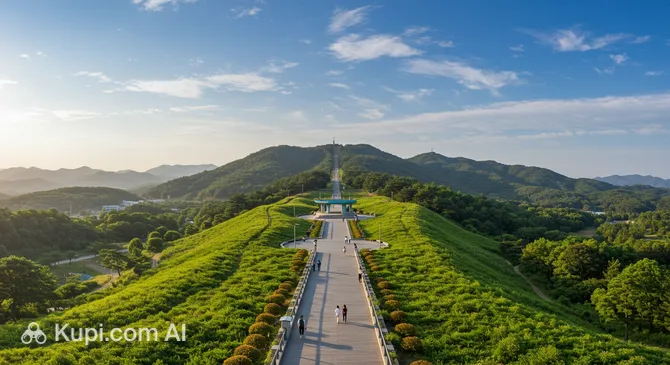
Paju. Illustration.
Source: Kupi.com AI

With a population of about 415,000 people, Paju retains the charm of a provincial town while being developed enough to offer everything needed for a comfortable and fulfilling holiday. The city is part of Gyeonggi Province and plays an important role as a cultural and educational center of the region. The atmosphere of Paju is a unique combination of coziness, creativity, and light European ease.

Paju is famous for several key attractions and features that make it attractive to tourists. One of the most famous is the Heyri Art Village, where artists, musicians, and writers live and work, with numerous galleries, museums, and workshops open to visitors. Also popular is the Gyeonggi English Village — a themed park where you can immerse yourself in the atmosphere of the British countryside without leaving Korea. In addition, the city attracts visitors with its theme parks, botanical gardens, and shopping opportunities in premium outlets.

Paju is a city where everyone will find something for themselves: from art connoisseurs and nature lovers to those looking for unique cultural experiences or just wanting to enjoy leisurely walks. It is an excellent destination for those who wish to discover another side of South Korea, full of inspiration and tranquility.

You can find more interesting facts on the Paju city history page
Weather Overview

The weather in Paju has a distinct seasonal character. Expect warm and fairly humid summers with periodic rain, especially in July and August, when the average air temperature is around 25.7-25.9°C, and the number of rainy days is at its peak. Winters in Paju are cold and predominantly dry, with an average January temperature of about -2.5°C and nighttime temperatures dropping to -7.0°C. Spring and autumn are pleasant transitional seasons with moderate temperatures and less precipitation compared to summer. For more detailed information on climate conditions, we recommend visiting the Paju Climate page.

Average monthly temperature

Average monthly precipitation

Interesting Facts

In addition to its famous landmarks, Paju hides many amazing stories and unique places that not all tourists know about. Are you ready to see this city in South Korea from an unexpected side?

  • Few people know that it was in the vicinity of Paju that the so-called Third Infiltration Tunnel was discovered – one of the secret underground passages dug beneath the demilitarized zone. Today, part of this tunnel has been turned into a museum site, allowing visitors to literally descend into the history of the region's past tensions.

  • Paju is home to the amazing Forest of Wisdom – it's not just a library, but a massive public space with thousands of books, where floor-to-ceiling shelves create a mesmerizing atmosphere. Uniquely, you can freely read, relax, and even have picnics among the books here.

  • The city is home to the Heyri Art Village – a unique cultural settlement conceived and built by Korean artists, writers, architects, and musicians. Each of the more than one hundred buildings here has a unique design, and the village itself functions as a huge open-air gallery.

  • Did you know that in Paju you can "visit England" without leaving South Korea? This is the location of the Gyeonggi English Village – a large-scale educational and entertainment complex that recreates the atmosphere of a typical English town, where Korean students immerse themselves in an English-speaking environment.

How to Get There

Paju is located in close proximity to the capital, making a trip here convenient and fast. You can learn more about how to get to Paju to plan the optimal route. Since there is no airport in Paju itself, travelers typically use the air harbors of neighboring Seoul and its surroundings.

The nearest and very convenient option is Gimpo Airport (GMP), which is located in Seoul, approximately 21.6 km from Paju. It is a major transport hub serving many domestic and regional international flights. A taxi or bus ride from here will take approximately 50-55 minutes, making it an excellent choice for a quick transfer.

For most international tourists, the main gateway will be Incheon International Airport (ICN), which also serves Seoul. It is located 44.9 km from Paju and is one of the largest airports in the world. The journey from here to the center of Paju by car will take about 1 hour and 30 minutes. Thanks to the developed transport network, you can reach Paju from the airport either by direct limousine buses or by taxi.

For clarity, here is a summary of the main airports:

AirportPassenger trafficDistance
Gimpo International Airport23.0 mln22 km
Incheon International Airport71.2 mln45 km
Wonju Airport205 279110 km
Cheongju Airport4.6 mln132 km
Pyongyang Sunan International Airport120 000189 km

Rail connections also play an important role, although there is no KTX high-speed long-distance train station in Paju itself (the city is served by the Gyeongui-Jungang metro line). If you are traveling from the southern regions of the country, a convenient transfer point may be Gwangmyeong Station (XWU) in Gwangmyeong, which is about 39.2 km from Paju. From there, you can reach Paju by taxi or bus in about 1 hour and 20 minutes.

Below is information on the nearest major railway hubs:

StationPassenger trafficDistance
Gwangmyeong Station12.4 mln39 km
Daejeon Station18.6 mln166 km
Dongdaegu Station20 mln266 km
Gwangju Songjeong Station3.4 mln291 km

Main Attractions

Paju, a city with a rich history and a vibrant cultural life, offers travelers many interesting places. Located near the border, it serves as a starting point for exploring unique aspects of Korean history, as well as a center for modern art and literature.

One of the most iconic landmarks is Imjingak Park. This site, steeped in the history of the peninsula's past and division, is located just a few kilometers from the Demilitarized Zone (DMZ). Tourists come here to see the Freedom Bridge, used by returning prisoners of war, visit various memorials, and access the observation deck with views toward North Korea. The park serves as an important reminder of the past and attracts those who want to understand the region's history more deeply. The Pyeonghwa Land theme park is also located nearby.

For art lovers, the Heyri Art Village is a must-see. This unique settlement, created by artists, musicians, architects, and writers, is a true creative oasis. Here you will find numerous art galleries, museums with unusual exhibits (such as a toy museum or a musical instrument museum), workshops, concert venues, and cozy cafes. A stroll through Heyri is an immersion into the world of contemporary Korean art and design.

Paju Book City is another amazing place, especially attractive to bibliophiles and anyone involved in the publishing industry. This large-scale cultural complex is dedicated to the entire process of book creation. Its territory houses publishing houses, printing works, impressive bookstores, libraries, and exhibition spaces. The architecture of the buildings itself is noteworthy, and regular festivals and events make this place even more lively and interesting.

If you're looking for something lighter and more photogenic, it's worth visiting Provence Village. This colorful themed corner recreates the atmosphere of southern France. Bright houses, narrow streets, floral arrangements, numerous shops with souvenirs, clothing, and home goods, as well as cute cafes and bakeries, make this place ideal for leisurely walks and taking beautiful photos. The village looks particularly charming in the evening when the lights come on.

Local Cuisine

The gastronomic scene of Paju is a fascinating immersion into the world of Korean culinary traditions, where everyone will find a dish to their liking. You should definitely start your acquaintance with the local cuisine with galbitang – a rich and aromatic soup made from beef ribs that will warm you up in any weather. No less popular are mandu – delicate Korean dumplings, served either steamed or fried to a golden crust.

Paju is famous for its delicacies based on fresh local products. Special attention should be paid to tofu, prepared according to ancient recipes from a unique variety of soybeans grown in the region. Also, don't miss the opportunity to try various types of kimchi, especially radish kimchi, and the freshest seafood delivered from the coast. Many dishes are prepared using vegetables from nearby farms, giving them a unique flavor.

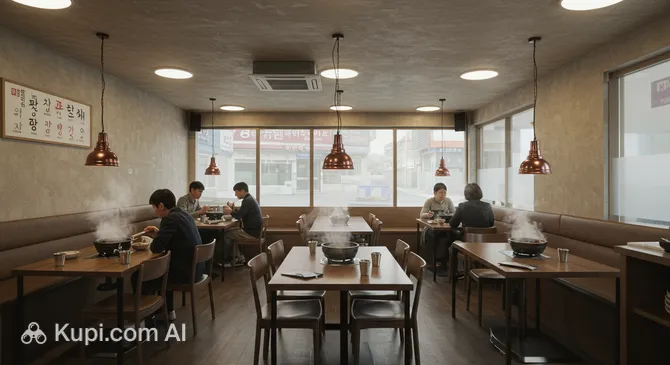
Street food in Paju is a separate chapter of the gastronomic journey. In bustling markets and modern shopping centers, hits like Korean buchimgae pancakes, appetizing yangnyeom chicken in a spicy sauce, and, of course, the famous tteokbokki – spicy rice cakes in a thick sauce – await you. If you are looking for a place to taste authentic dishes, look for establishments like Singan Jjamppong, Geumchon branch, known for its hearty and delicious offerings.

Singan Jjamppong Geumchon Branch. Illustration.
Source: Kupi.com AI

Traveler photos:

As for drinks, fragrant green tea is traditionally popular in Paju, perfectly complementing any meal. For coffee lovers, the city has many cozy coffee shops where you can enjoy both classic drinks and signature coffee cocktails combined with European-style desserts or traditional Korean sweets such as rice cakes.

The gastronomic life of Paju is not limited to everyday meals. The city regularly becomes a venue for various food festivals, especially in autumn during the harvest season. These events are a great opportunity to get acquainted with local products, participate in culinary masterclasses, and soak up the atmosphere of Korean hospitality.

Travel Tips

Welcome to Paju! This city in Gyeonggi Province, near Seoul, offers a unique blend of culture, history, and nature. To ensure your trip goes smoothly and leaves only pleasant impressions, we have prepared some practical tips.

  1. Clothing and seasonal items: The climate in South Korea, and Paju in particular, is clearly divided into four seasons. In summer (June-August), it is hot and humid — choose light, breathable clothing. Winter (December-February) is cold, often with snow, so warm layered clothing, a hat, and gloves are essential. Spring and autumn are the most comfortable times with moderate temperatures, but it can be cool in the evenings. A key point is comfortable shoes, as Paju has many interesting places for walking, such as Heyri Art Village or Paju Book City. Don't forget a universal adapter for electrical appliances (Korea uses type C and F sockets).
  2. Getting around the city: Paju has a well-developed public transport system, mainly buses connecting various parts of the city and neighboring settlements, including Seoul. Taxis are also available and relatively inexpensive; you can use apps like Kakao T to call one. Renting a car can be convenient if you plan to explore the Gyeonggi Province countryside, but for moving within Paju itself, public transport and taxis are quite sufficient.
  3. Financial matters: The national currency is the South Korean Won (KRW). Credit cards (Visa, Mastercard) are widely accepted in most shops, restaurants, and hotels. However, it is recommended to carry some cash for small purchases, street food, or traditional markets. ATMs are common, many of which handle international cards, but it's better to check your bank's fees in advance. Tipping is not customary in South Korea.
  4. Health and safety: Pharmacies (약국 - yak-guk) are easy to find, marked with a specific sign. Some may not be open 24/7, so it's better to have necessary medications with you. If medical assistance is needed, you can go to local hospitals; having travel insurance is highly recommended. Paju is considered a safe city. Nevertheless, follow standard precautions: watch your belongings in crowded places and avoid poorly lit areas late at night.
  5. Language and connectivity: The official language is Korean. In tourist areas and among the youth, you may encounter English speakers, but knowing a few basic phrases in Korean (e.g., "Annyeong-haseyo" – hello, "Kamsa-hamnida" – thank you) will be very helpful and appreciated by locals. For navigation in South Korea, it's better to use local apps like Naver Maps or KakaoMap, as Google Maps has limited functionality. You can purchase a local SIM card or a portable Wi-Fi router (often called an "egg") at the airport or at mobile shops in the city. Free Wi-Fi is available in many public places.
  6. Local etiquette: Koreans value politeness. A slight bow is a common form of greeting. When giving or receiving items, especially from elders, it is customary to use both hands or the right hand supported by the left. In public places, especially on transport, try not to speak too loudly. If you want to take a photo of someone, it's better to ask permission.
  7. What to avoid: Do not write people's names in red ink — in Korean culture, this is associated with death. Also, try not to point at people or objects with a single finger; it's better to use an open palm. Loud arguments or displays of impatience in public are not welcomed.
  8. Paju specialty: The city is known for its proximity to the border area between North and South Korea. If you plan to visit sites near the border, be sure to book a tour in advance, as access is strictly regulated and often requires a document check. Paju is also a major cultural center with iconic places like Paju Book City and Heyri Art Village, for which you should allocate enough time to visit.

We hope these tips help you better prepare for your trip and get the most enjoyment out of your stay in the unique city of Paju. We wish you an unforgettable journey!

Entertainment & Nightlife

Nightlife in Paju is significantly different from the noisy parties of Seoul. Here you won't find huge nightclubs with world-famous DJs, but the city offers a cozy, relaxed atmosphere for those who appreciate good food, heartfelt conversations, and cultural leisure. Evening Paju is primarily about gastronomic discoveries and local bars where you can feel the true rhythm of life in Gyeonggi Province.

The centers of evening activity are the Geumchon district and the new town of Unjeong. This is where most late-night establishments are concentrated. In these neighborhoods, traditional Korean "hof" bars are popular, where large portions of fried chicken are served with beer, along with numerous karaoke clubs (noraebangs) where locals go after dinner to sing their favorite songs. The crowd here is diverse: from office workers relaxing after a long day to students and families.

The gastronomic component is the foundation of evening entertainment in South Korea. If you are looking for a place for a hearty dinner with bold flavors, pay attention to Singan Jjamppong, Geumchon branch. This establishment specializes in spicy seafood noodles — a perfect option to warm up on a cool evening and get acquainted with the authentic cuisine of the region.

Singan Jjamppong Geumchon Branch. Illustration.
Source: Kupi.com AI

Traveler photos:

The Heyri Art Village takes on a special charm in the evening. Although most galleries and museums close around 18:00–19:00, some conceptual cafes and wine bars continue to operate, creating a romantic setting amidst the unique architecture. It's a great place for dates or a quiet evening with a book and a glass of wine. The dress code in most Paju establishments is democratic; casual style is appropriate everywhere.

As for daytime entertainment, the city is known for its cultural and historical sites. Tourists often visit Paju Book City — a unique cluster of publishing houses and bookstores, as well as parks related to the theme of Korean unification, such as Imjingak. Shopping enthusiasts should check out the premium outlets, which are also popular spots for walking.

Paju is a safe city for nighttime walks. The streets in the Geumchon and Unjeong areas are well-lit, and the crime rate is extremely low. However, when planning your return to the hotel, keep in mind that public transport (buses and the metro) may stop running around midnight. The most reliable way to reach your destination at night is to use a taxi. It is recommended to install the Kakao T app to call a car, as catching a taxi on the street in residential areas can be problematic.

Prices in Paju bars and restaurants are generally slightly lower than in central Seoul. The average check for dinner with drinks will be about 20,000 – 40,000 won per person. The best time to start the evening is around 19:00, when locals fill the restaurants, creating that lively and friendly atmosphere of a Korean city.

Parks & Museums

The city of Paju offers its guests an amazing combination of picturesque natural spots for relaxation and a deep dive into the culture and history of the region, especially given its unique geographical position. Here you can find both peaceful parks and thought-provoking museums and cultural spaces.

One of the most iconic places is Imjingak Park, located near the Demilitarized Zone. It is not just a park, but an entire memorial complex symbolizing the hope for peace and reunification. Tourists are attracted by the vast green lawns, numerous monuments, observation decks, and the famous "Freedom Bridge." It is a place for walking and reflecting on the history of the Korean Peninsula. Another notable green area, though of a different character, is the Heyri Art Village. This is a unique space where modern architecture is harmoniously integrated into the natural landscape. Here you can walk through well-maintained grounds, enjoying open-air installations and unusual buildings, many of which are surrounded by greenery.

Paju is home to many interesting museums and galleries. In the Imjingak area, there are exhibitions dedicated to the history of the region and the division of Korea, offering visitors a chance to better understand these events. In the Heyri Art Village, a large number of private museums and art galleries for every taste are concentrated — from modern art and photography museums to themed collections, such as toys or musical instruments. Each gallery here is a separate world created by enthusiasts. One cannot fail to mention Paju Book City — a true city of books. This is not a museum in the traditional sense, but a huge cultural complex dedicated to publishing, design, and literature. Here you can visit bookstore-galleries, exhibitions, and themed cafes.

Among the important historical sites is the Odusan Unification Observatory. From its height, a panoramic view of the territory across the river and the Imjingang River opens up. The observatory also has exhibition halls telling the story of the peninsula's division and the desire for unity. This place makes a strong impression and allows for a deeper feeling of the realities of the region.

For a more authentic experience, stop by one of the many cozy cafes in Heyri Art Village or Paju Book City — many of them have unique designs and offer not only coffee but also small exhibitions. Also, if time permits, take a walk along the banks of the Imjingang River away from the main tourist routes to enjoy the tranquility and beauty of the local nature.

Getting Around

Navigating Paju using public transport is quite convenient, especially thanks to its integration into the capital region's transport system. The backbone of the transport network consists of buses and suburban trains (metro).

Main types of transport:

Buses: This is the most common form of transport in Paju. There is an extensive network of city buses (blue, green, and local "maeul" buses — usually green or yellow) that connect different areas of the city and nearby settlements. Intercity buses also pass through Paju, linking it with Seoul and other cities in Gyeonggi Province.

Metro (Suburban trains): Paju is served by the Gyeongui-Jungang Line of the Seoul Metropolitan Subway. This is a convenient way to get to Seoul and other neighboring cities. Metro stations in Paju are well-integrated with bus routes.

Payment system:

The primary and most convenient way to pay for travel is the T-money transport card (or similar cards like Cashbee). This card can be purchased and topped up at convenience stores (such as CU, GS25, 7-Eleven), as well as at machines in metro stations. T-money allows you to pay for travel on buses, the metro, and taxis. Using the card often provides a small discount compared to paying in cash and allows for free or discounted transfers between different types of transport (e.g., from metro to bus or from one bus to another) within a certain time frame (usually 30 minutes).

Cash payment on buses is possible but less convenient and may not provide transfer discounts. For metro trips, you can purchase a single-trip ticket at a station machine, but for regular trips, T-money is much more economical.

The approximate cost of a bus or metro trip starts from 1,250-1,500 won, depending on the distance when using a T-money card. The cost may change slightly.

Practical tips for tourists:

Buying tickets/cards: Purchase a T-money card immediately upon arrival. This will save you time and money.

Validation: When entering a bus or a metro station, tap your T-money card on the validator. It is also important to tap the card on the validator when exiting a bus (if required for distance-based fare calculation or for a discounted transfer) and mandatory when exiting a metro station.

Operating hours: Public transport usually starts operating around 5:00-5:30 AM and finishes around midnight or 1:00 AM. On weekends and holidays, service intervals may be longer.

Route planning: Use mobile apps like Naver Maps or KakaoMap. They provide up-to-date information on routes, schedules, and arrival times in English, which significantly eases navigation.

Alternatives:

Taxis: Taxis in Paju are available and relatively inexpensive compared to some other countries. They can be hailed on the street, found at special stands, or called via an app (e.g., Kakao T). Most taxis accept both cash and credit cards, including T-money.

Bicycle rental: In some areas of Paju, especially in park zones or along the river, bicycle rental points may be available, which is a great way for leisurely rides and sightseeing.

Understanding these basics will help you move around Paju and its surroundings easily and comfortably, exploring everything this interesting city has to offer.

Accommodation

In Paju, travelers will find various accommodation options to suit different preferences and budgets. The city offers a choice ranging from budget guesthouses and motels typical of Korea to more comfortable mid-range hotels. For those seeking a homey atmosphere, apartments or rooms may be available through short-term rental services. Although the choice of world-class luxury hotels may not be as wide as in major metropolises, finding quality and cozy places to stay is entirely possible.

When choosing a place to stay in Paju, it is worth paying attention to areas with good transport accessibility or those located closer to the attractions you are interested in. For example, if your goal is to visit sites near the Demilitarized Zone (DMZ), looking for housing in the northern part of the city or near transport hubs leading to it can be convenient. The central areas of the city generally offer more options for dining and leisure.

When planning a trip to Paju, especially during the peak tourist season or during local festivals, it is recommended to book accommodation in advance. This will not only expand your choice but may also help you find better deals. Prices for accommodation vary: you can find both budget options and mid-range hotels. The most common booking methods are popular international and Korean online platforms, and in some cases, direct booking through hotel websites.

Nearby Cities

For those who want to explore the surroundings, Paju serves as an excellent starting point for day trips to several interesting nearby locations. Here are a few options to consider:

Seoul, the capital of South Korea, is located just 30 km away and offers endless opportunities to get acquainted with the country's culture, history, and modern life. Here you will find ancient palaces, bustling markets, trendy neighborhoods with shops and restaurants, as well as numerous museums and parks. A day trip to Seoul will allow you to feel the incredible energy of this metropolis.

Goyang, located only 11 km from Paju, attracts visitors with its proximity and a more relaxed atmosphere compared to the capital. The city is known for its parks, such as Ilsan Lake Park, and is a great place for walks and outdoor recreation. Various festivals and exhibitions are also held in Goyang.

Incheon, located about 34 km away, is a major port city with a rich history and modern attractions. Visitors can explore Chinatown, stroll along the waterfront, or visit the Incheon Landing Memorial Hall. The city also serves as a gateway to several islands in the Yellow Sea.

CityPopulationDistance
Goyang1 061 92911 km
Munsan28 88013 km
Yanggok713 32117 km
Gimpo352 68320 km
Uijeongbu421 57924 km

These nearby destinations provide an insight into the diverse culture and landscapes of the region. A trip to any of these cities will give you new impressions and complement your journey through South Korea.

Shopping & Souvenirs

Paju offers a rather specific but interesting experience for shopping lovers, differing from the hustle and bustle of major metropolises. The city is not so much famous for traditional shopping streets as it is for unique themed zones and large outlet centers where you can find quality goods at attractive prices.

One of the main magnets for shopaholics in Paju is Paju Premium Outlets. This is a large complex where many international and Korean brands of clothing, footwear, accessories, and home goods are presented with significant discounts. Besides the outlet, it's worth paying attention to unique places like Heyri Art Village and Paju Book City. Although these are primarily cultural spaces, you can find many designer shops, art galleries with the possibility of purchasing artworks, souvenir shops, and, of course, bookstores with a huge selection of publications, including rare and collectible ones.

As already mentioned, Paju Premium Outlets is the main large outlet-style shopping center. You can spend a whole day here choosing goods from famous brands. In addition to it, there may be other, smaller retail points in the city, but the outlet is the key place for brand shopping.

Regarding traditional markets, in Paju, as in any Korean city, you can find local markets selling fresh products, everyday goods, and local cuisine. However, they are more oriented toward residents than tourists looking for souvenirs or exclusive goods. For unique purchases, it is better to go to Heyri or Book City.

As souvenirs from Paju, it's worth bringing back books (especially if you visited Book City), pieces of art, ceramics, or handmade designer items from the Heyri Art Village. You can also find good deals on branded items in the outlets. Don't forget traditional Korean souvenirs that can be found in some shops — for example, hanbok (traditional clothing) or items with Korean symbols.

Most shops and shopping centers in Paju, as in South Korea as a whole, are usually open from 10:00-11:00 AM to 8:00-10:00 PM. Large outlets may have a slightly different schedule, especially on weekends. Credit cards from international payment systems (Visa, MasterCard) are accepted everywhere, and cash (Korean Won) can also be used.

For international tourists in South Korea, there is a Tax Free refund system. When purchasing goods for a certain amount in participating stores (look for the corresponding signs), you can fill out documents for a VAT refund when leaving the country. This can usually be done at the airport or at special refund points in the city.

Reached the end of the page?

That means the route is fully explored