Support

Gwacheon

About

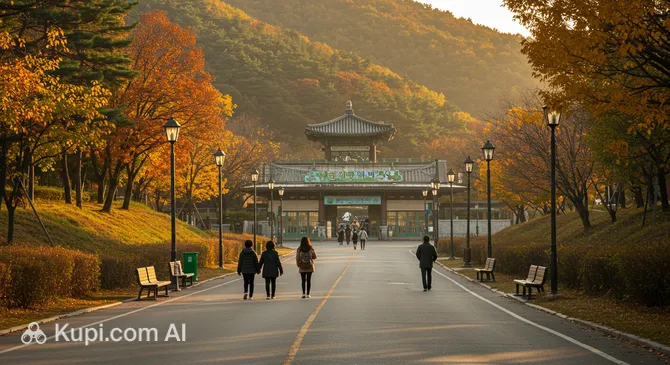
Gwacheon is a charming city nestled at the foot of the picturesque Cheonggyesan Mountains, just a few kilometers south of Seoul. Thanks to its strategic location, Gwacheon serves as a bridge between the bustling life of the capital of South Korea and the tranquil beauty of nature. Immersed in lush parks and gardens, the city offers its guests fresh air and the perfect environment for a peaceful break from the urban rush.
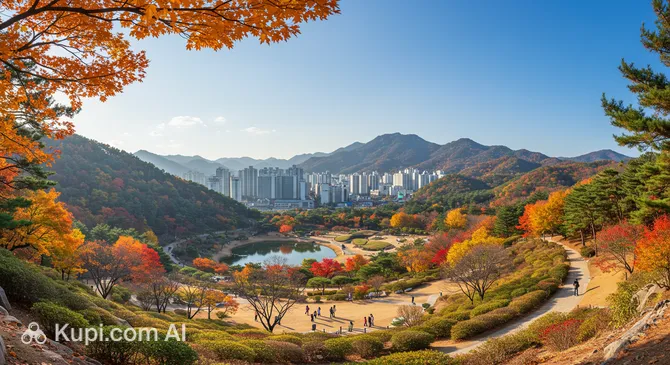
Gwacheon. Illustration.
Source: Kupi.com AI

With a population of around 65,000 people, Gwacheon maintains the atmosphere of a small, welcoming town while remaining an important cultural and educational hub for the region. Its compact size allows visitors to avoid tourist crowds, creating the feeling of visiting old friends and inviting leisurely strolls to get acquainted with local life.

Gwacheon offers a variety of leisure opportunities. Art lovers will be delighted by the famous National Museum of Modern and Contemporary Art, which houses outstanding works by Korean and international masters. Families with children can spend quality time at the massive Seoul Grand Park, home to a zoo, a botanical garden, and an amusement park. The city is renowned for its well-kept nature and the chance to immerse oneself in Korean culture away from the noise and bustle of the metropolis.

Gwacheon is well worth a visit for its unique atmosphere, where it's easy to lose track of time while walking along spacious avenues, admiring mountain landscapes, and feeling the harmony between man and nature. It is a place where modern Korea and traditional heritage intertwine, creating a unique character for an unforgettable trip.

You can find more interesting facts on the history of Gwacheon page.
Weather Overview

The climate in Gwacheon is characterized by four distinct seasons, which is typical for this region. Understanding the weather conditions will help you optimally plan your trip and choose appropriate clothing.

In Gwacheon, you can expect a warm and rather humid summer, especially in July and August, when average temperatures stay around 25-26°C, with maximums reaching 28-29°C. These summer months see the highest rainfall, with 16-17 rainy days. Winters, by contrast, are cold, with average temperatures around -1°C in December and January (minimums can drop to -5.9°C), and significantly less precipitation, about 1 mm per month. Spring (March-May) and autumn (September-November) offer more moderate and comfortable conditions, with temperatures gradually shifting from cool to warm in spring (from 6.6°C to 17.0°C) and from warm to cool in autumn (from 21.9°C to 7.3°C).

To get a more detailed view of the weather conditions in Gwacheon by month, including information on sunny days and other useful data, we recommend checking the detailed climate summary. Find out more about the weather in Gwacheon.

Average monthly temperature

Average monthly precipitation

Interesting Facts

Beyond its well-known attractions, Gwacheon hides many surprising details and lesser-known stories. Here are just a few that will help you see this city from a new perspective:

Seoul Grand Park. Illustration.
Source: Kupi.com AI

Traveler photos:

  • Gwacheon boasts one of the largest entertainment complexes in the country — Seoul Grand Park. It is not just a park but an entire entertainment city, including a zoo, the Seoul Grand Park Botanical Garden, the Seoul Land amusement park, and even a cable car offering breathtaking views of the city and surrounding mountains.

  • The building of the National Museum of Modern and Contemporary Art in Gwacheon is an exhibit in itself. Its architecture draws inspiration from traditional Korean palaces, and the interiors are decorated with elements of the Hanok style. Next to the museum, you can also visit the MMCA Outdoor Sculpture Park.

  • Gwacheon is home to a unique Nature Study and Wildflower Center. Here, visitors can get acquainted with rare flora of South Korea, making it a wonderful place for family walks and ecological tours, especially in spring when nature is in full bloom.

  • The city is often called the "green gateway to Seoul." Gwacheon earned this nickname thanks to its abundance of parks, forests, and mountain trails. Nature festivals, community runs, and various outdoor art projects are regularly held here, highlighting the residents' commitment to an eco-friendly lifestyle.

How to Get There

Getting to Gwacheon is quite simple thanks to its proximity to the capital and the region's well-developed transport network. You can find more details on how to get to Gwacheon by exploring various routes, but the primary method for international tourists remains flying through the country's main air gateways.

Gwacheon itself does not have its own airport, so travelers typically use the airports in nearby Seoul. The closest is Gimpo Airport (GMP), located in Seoul about 22.8 km from Gwacheon. A taxi or bus ride from here will take approximately 55–60 minutes. This is a convenient option for those arriving on domestic flights or from certain Asian countries.

For most international travelers, the main arrival point will be Incheon International Airport (ICN). It is also part of the Seoul transport hub but is located slightly further away — about 48 km from Gwacheon. This is the country's largest airport with a massive passenger flow, receiving flights from all over the world. The journey by road from Incheon to Gwacheon takes about 1.5 hours.

For convenience, here is a summary of the main airports:

AirportPassenger trafficDistance
Gimpo International Airport23.0 mln23 km
Incheon International Airport71.2 mln48 km
Wonju Airport205 27986 km
Cheongju Airport4.6 mln91 km
Daegu International Airport3.3 mln226 km

Rail service also plays an important role in the region's accessibility. There is no KTX high-speed train station in Gwacheon itself, but you can arrive at Gwangmyeong Station (IATA: XWU) in the city of Gwangmyeong. It is very close, only 9.5 km from Gwacheon. This is a major transport hub with high passenger traffic. From Gwangmyeong Station, the center of Gwacheon can be reached by taxi in just 30–40 minutes, making this a very convenient option for those traveling around the country by train.

Below is information about the nearest and most significant railway stations:

StationPassenger trafficDistance
Gwangmyeong Station12.4 mln10 km
Daejeon Station18.6 mln125 km
Dongdaegu Station20 mln226 km
Gwangju Songjeong Station3.4 mln255 km
Jinju Station272 km

Main Attractions

Gwacheon, conveniently located near Seoul, offers guests a wonderful blend of contemporary art, nature, and scientific discovery. The city boasts several iconic landmarks that should definitely be included in your South Korean itinerary.

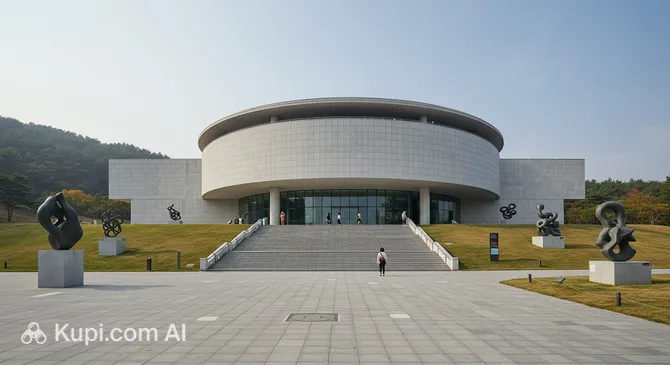
One of the city's main gems is the National Museum of Modern and Contemporary Art, Gwacheon. This is one of the country's leading art museums, featuring an extensive collection of Korean and international modern art. Visitors are drawn not only to the permanent exhibitions but also to temporary displays, installations, and educational programs that make every visit unique.

National Museum of Modern and Contemporary Art, Gwacheon. Illustration.
Source: Kupi.com AI

Traveler photos:

For nature lovers and families, Seoul Grand Park is a true gift. This massive complex includes a zoo, the scenic Seoul Grand Park Botanical Garden, the Seoul Land amusement park, and even a branch of the Museum of Modern and Contemporary Art. You can spend an entire day here enjoying various activities and the beauty of nature.

Seoul Grand Park. Illustration.
Source: Kupi.com AI

Traveler photos:

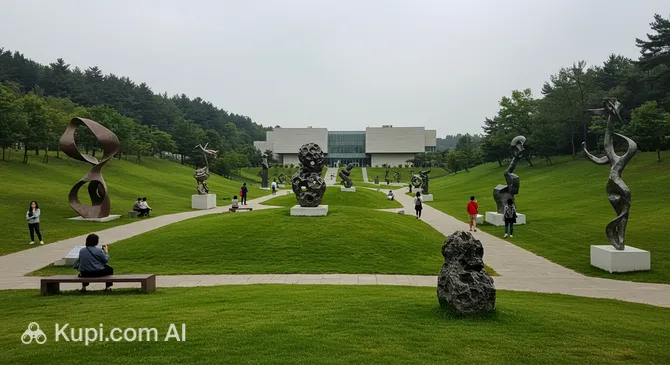
Connoisseurs of outdoor art should definitely visit the MMCA Outdoor Sculpture Park. Adjacent to the National Museum of Modern and Contemporary Art, this park offers a unique opportunity to contemplate sculptural works in harmony with the surrounding landscape. It is a wonderful place for leisurely walks and inspiration.

MMCA Outdoor Sculpture Park. Illustration.
Source: Kupi.com AI

Traveler photos:

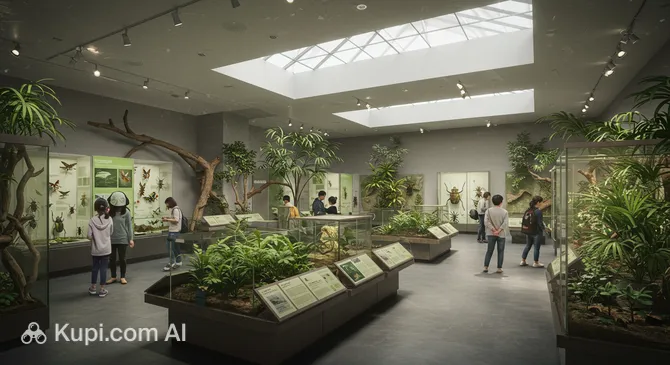
If you are traveling with children or are simply interested in the world of science, stop by the Insectarium of the Gwacheon National Science Museum. A fascinating immersion into the world of insects awaits you here: live displays, interactive stands, and educational information about these amazing creatures. It is a place that will leave both adults and young explorers impressed.

Gwacheon National Science Museum Insectarium. Illustration.
Source: Kupi.com AI

Traveler photos:

These attractions make Gwacheon an appealing destination for those seeking cultural enrichment and a pleasant getaway in nature.

Local Cuisine

The gastronomic scene in Gwacheon is a fascinating journey into the world of Korean culinary traditions, where special emphasis is placed on freshness and seasonality. The city's cuisine reflects the rich culinary heritage of South Korea, offering tourists authentic flavors and unforgettable experiences.

Among the dishes you must try in Gwacheon is sundaeguk – a hearty blood sausage soup that is prepared particularly aromatically here. Another iconic dish is bibimbap, rice with vegetables, meat, and an egg, often enriched with local ingredients, including wild herbs from the slopes of Cheonggyesan Mountain. Don't overlook traditional Korean BBQ, as well as various types of kimchi prepared according to home recipes.

Street food in Gwacheon also deserves attention. In busy streets and markets, you can taste hot Korean filled pancakes (hotteok) or spicy rice cakes known as tteokbokki. As for drinks, refreshing rice and fruit-based beverages are popular, as are traditional Korean teas.

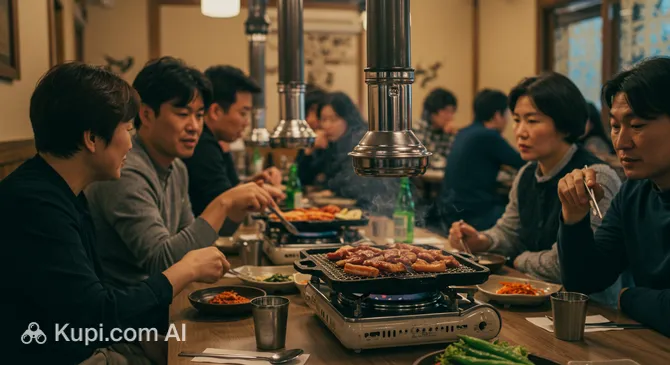
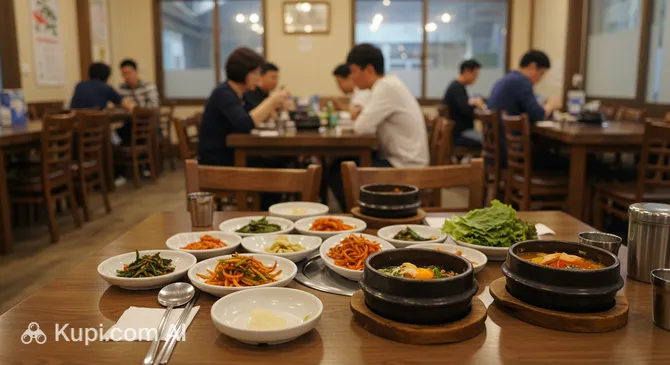
The dining culture in Gwacheon is diverse. Locals and tourists often choose cozy family restaurants where dishes are cooked with soul. One place where you can get acquainted with authentic Korean cuisine is the restaurant Oldureul, Gwacheon Main Branch. It is also worth visiting local farmers' markets, where you can find organic products, seasonal vegetables, fresh fish, and sometimes even participate in tastings.

Eouldeurul Gwacheon Main Branch. Illustration.
Source: Kupi.com AI

Traveler photos:

In addition to traditional establishments, modern gastronomic trends are actively developing in Gwacheon. You will find stylish coffee shops and restaurants offering signature cuisine, where Korean flavors are skillfully combined with European and Asian motifs. And if your trip coincides with local food festivals, you will have a unique opportunity to try rare delicacies specific to this region.

Travel Tips

Planning a trip to Gwacheon? Wonderful! This cozy city, known for its expansive parks and science centers, will be even more welcoming if you know a few local tips. These practical suggestions will help you feel confident and get the most out of your journey.

  1. Clothing and Essentials by Season:

    The climate in Gwacheon, as throughout South Korea, has four distinct seasons. In summer (June–August), pack light, breathable clothing, sunscreen, and a hat. In winter (December–February), you'll need warm layered clothes, a coat, hat, gloves, and a scarf. Spring and autumn offer moderate weather, perfect for a light jacket. Be sure to bring comfortable shoes, as you will be doing a lot of walking. Don't forget a power adapter (Type F). When visiting temples or other religious sites, choose modest clothing that covers shoulders and knees.

  2. Getting Around the City:

    Gwacheon is perfectly integrated into the Seoul transport system. The most convenient way to travel is by subway (Line 4). There is also a developed network of city buses. For easy fare payment, purchase a T-money transport card. Taxis are available, and you can use popular apps like Kakao T to call one. Car rental is possible, but given the excellent public transport and potential parking difficulties, it is not always practical for moving around the city and its outskirts.

  3. Financial Matters:

    The local currency of South Korea is the South Korean Won (KRW). You can exchange money at banks or official exchange offices; the rate at the airport is usually less favorable. Credit and debit cards (Visa, Mastercard) are accepted almost everywhere, especially in large shops and restaurants. However, small establishments and markets may prefer cash. International cards usually work without problems, but it's best to notify your bank of your trip in advance. ATMs are easy to find; look for those marked "Global" to withdraw cash from foreign cards. Tipping in South Korea is not practiced and may be met with surprise.

  4. Health and Safety:

    Pharmacies (약국 - yak-guk) in Gwacheon are easy to find, and many pharmacists can communicate in basic English. Not all are open 24/7, but you can find on-call pharmacies in major areas or near hospitals. Medical care in South Korea is of a high standard; it's recommended to have travel insurance. Gwacheon, like most of South Korea, is considered a very safe city. Observe standard precautions: watch your belongings in crowded places and stay alert after dark.

  5. Communication and Connectivity:

    The official language is Korean. English is common in tourist areas, among young people, and in large establishments, but you may face challenges elsewhere. Learn a few basic phrases: "Annyeong-haseyo" (Hello), "Kamsa-hamnida" (Thank you), "Juseyo" (Please give me...). A SIM card with a good data plan can be purchased at the airport or at mobile provider shops. Wi-Fi is available almost everywhere: in cafes, the subway, and public spaces. Useful apps: Naver Maps or KakaoMap (for navigation, as Google Maps has limitations in South Korea), Papago (translator), and KakaoTalk (messenger).

  6. Local Etiquette:

    When greeting, Koreans often bow slightly; handshakes are also common, especially in business. In public places, particularly on transport, try to keep quiet and avoid loud phone conversations. When passing or receiving items (money, business cards), it is customary to use both hands or the right hand supported at the elbow by the left—this is a sign of respect. Eating or drinking while walking down the street is generally not done, although this rule is becoming less strict.

  7. Things to Avoid:

    There are a few cultural points to keep in mind in South Korea. Do not stick your chopsticks vertically into your rice—this is associated with funeral rituals. Also, avoid writing people's names in red ink, as it is linked to those who have passed away. Loudly blowing your nose in public is considered impolite.

  8. Special Tip for Gwacheon:

    Explore Seoul Grand Park: Gwacheon is famous for the massive Seoul Grand Park complex, which includes a zoo, botanical garden, Seoul Land theme park, and the Museum of Modern and Contemporary Art. Dedicate a full day to it to enjoy the main attractions. Check the opening hours and special event schedules in advance, and consider buying combination tickets to save money.

We hope these tips make your stay in Gwacheon comfortable and unforgettable. Enjoy the unique atmosphere of this green city and the hospitality of South Korea!

Entertainment & Nightlife

Gwacheon, known for its scenic parks and significant cultural institutions, offers its guests a more peaceful and measured evening leisure compared to the vibrant nightlife of large metropolises. While you won't find bustling club districts here, you can enjoy a pleasant evening in the cozy atmosphere of local restaurants and bars, savoring high-quality Korean cuisine and a variety of drinks.

The core of evening entertainment in Gwacheon is its restaurants, many of which specialize in traditional Korean cuisine and remain open until late. This provides a great opportunity for dinner with friends or family. For instance, you can visit Oldureul, Gwacheon Main Branch, known for its authentic dishes, or stop by Milsoup Gwacheon to sample local delicacies. While specialized nightclubs are few, some bars offer music and a more lively setting, especially on weekends.

Milsup Gwacheon. Illustration.
Source: Kupi.com AI

Traveler photos:

Most venues for a pleasant evening out are concentrated in the central part of the city. The main focal point is the area near the Gwacheon Government Complex Subway Station and its adjacent commercial zones. The atmosphere here is generally relaxed and friendly, catering to local residents and families. The dress code in most establishments is casual. Many restaurants and cafes operate until 10:00 PM or 11:00 PM, while some bars may stay open later, particularly on Fridays and Saturdays.

When planning an evening out in Gwacheon, keep in mind that public transport, specifically the subway, finishes operation around midnight. After this time, taxis become the primary mode of transport, which can be easily hailed via popular mobile apps or found at designated taxi stands. Gwacheon is considered a safe city, and nighttime walks along the well-lit central streets typically cause no concern. Average prices in the city's restaurants and bars are moderate, though they can vary depending on the venue's level and popularity.

During the day, Gwacheon offers many interesting options for cultural and active recreation. Be sure to visit the famous Seoul Grand Park, which houses a zoo, a botanical garden, and the popular Seoul Land amusement park. Art lovers will be interested in the National Museum of Modern and Contemporary Art, which showcases an extensive collection of Korean and international art. You can also take a stroll through the MMCA Outdoor Sculpture Park or explore other green spaces in the city, such as Central Park (Jungang Park).

MMCA Outdoor Sculpture Park. Illustration.
Source: Kupi.com AI

Traveler photos:

Central Park (Jungang Park). Illustration.
Source: Kupi.com AI

Traveler photos:

Parks & Museums

Gwacheon offers its guests a harmonious blend of expansive green spaces for relaxation and significant cultural institutions where one can engage with art and science. This city is a true find for those who appreciate nature and strive for new knowledge.

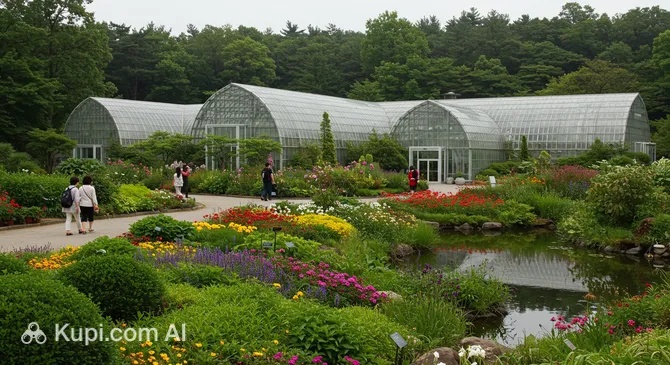
One of the main magnets for tourists and locals alike is Seoul Grand Park. This huge complex includes a zoo with various animals from around the world, the scenic Seoul Grand Park Botanical Garden with a rich collection of plants, and the popular Seoul Land theme park with rides for the whole family. You can spend a whole day here enjoying nature, entertainment, and fresh air. The park is ideal for family holidays and long walks.

Seoul Grand Park. Illustration.
Source: Kupi.com AI

Traveler photos:

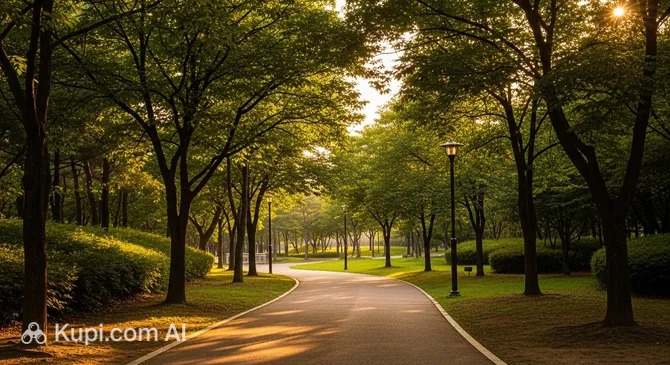
For a quieter break within the city limits, Central Park (Jungang Park) is perfect. This well-maintained green space in the heart of Gwacheon is where you can escape the city rush, read a book on a bench, or simply stroll along shaded paths. The park is popular among locals for sports and picnics.

Central Park (Jungang Park). Illustration.
Source: Kupi.com AI

Traveler photos:

Art lovers must visit the National Museum of Modern and Contemporary Art (MMCA) in Gwacheon. This is one of South Korea's leading art museums, showcasing an extensive collection of Korean and international modern art. In addition to indoor galleries, the museum features the magnificent MMCA Outdoor Sculpture Park, where artworks are harmoniously integrated into the natural landscape. This place inspires and prompts reflection on the role of art in the modern world.

National Museum of Modern and Contemporary Art, Gwacheon. Illustration.
Source: Kupi.com AI

Traveler photos:

For curious visitors, especially those traveling with children, the Insectarium of the Gwacheon National Science Museum will be an interesting discovery. Here, you can immerse yourself in the amazing world of insects and learn many new things about their lives and importance in the ecosystem. Interactive exhibits make the visit engaging and educational.

Gwacheon National Science Museum Insectarium. Illustration.
Source: Kupi.com AI

Traveler photos:

In addition to these major sites, you can find lesser-known but charming spots in Gwacheon, such as small themed gardens or local galleries. Don't be afraid to veer off the beaten tourist paths—perhaps it is there that your most authentic experiences of the city await you.

Getting Around

Public transport in Gwacheon is well-developed and closely integrated with the Seoul transport system, making travel around the city and its surroundings convenient. The main modes of transport here are the subway and buses.

Subway: Line 4 (Light Blue) of the Seoul Metropolitan Subway passes through Gwacheon, connecting the city directly to central Seoul and other important districts. Subway stations in Gwacheon, such as "Gwacheon" and "Seoul Grand Park," are key transport hubs. This is a fast and reliable way to get around, especially during peak hours.

Buses: The urban and suburban bus network in Gwacheon is also well-developed. There are different types of buses: blue (trunk), green (local, feeding into the subway), and red (express, connecting to other cities in Gyeonggi Province). Routes cover most of the city and its outskirts, including areas not reached by the subway.

Payment System: The most convenient way to pay for travel is using a T-money transport card (or similar, such as Cashbee). This card can be purchased and topped up at most convenience stores (CVS) and at subway stations via special machines. T-money is valid on both the subway and buses, and it allows for discounts when transferring. Single-journey subway tickets are also available at station machines but are less convenient for multiple trips. The fare depends on the distance; a basic subway or bus ride usually costs a small amount.

Practical Tips for Tourists:

  • Purchase a T-money card immediately upon arrival for convenience and savings.
  • When boarding a bus or entering a subway station, as well as when exiting, you must tap the card against the validator. This is important for correct fare deduction and for receiving transfer discounts.
  • Public transport usually operates from early morning (around 5:30 AM) until midnight; some bus routes may have slightly different schedules.
  • Stop and station names are often announced in both Korean and English, and the information is also duplicated on digital displays.

Alternatives:

  • Taxis: In Gwacheon, as in all of South Korea, taxis are available and relatively inexpensive, especially for short trips or if traveling in a group. They can be hailed on the street or ordered through an app (e.g., Kakao T).
  • Bike Rentals: In some areas, particularly near parks like Seoul Grand Park, public bike-sharing systems may be available.

Special Features: One of the interesting features of the transport system related to Gwacheon is the internal transport within Seoul Grand Park. For the convenience of visitors, there is a cable car (Sky Lift) and a special "Elephant Train" that help navigate the park's vast territory, which includes the zoo and botanical garden.

Accommodation

When planning a trip to Gwacheon, you will find various accommodation options to suit your preferences and budget. Although the city is not as large as neighboring Seoul, there is plenty to choose from, especially if your goal is to visit local attractions.

Gwacheon primarily features mid-range hotels, guesthouses, and motels typical of Korean cities. There are few luxury resorts here, but comfortable options for a pleasant stay are readily available. Short-term rental apartments may also be available if you are looking for a more home-like setting. While no specific hotels are mentioned in the provided list of landmarks, a search on popular booking platforms will help you find current offers.

When choosing a place to stay, consider areas close to major transport hubs or the sites you are interested in. For example, if you plan to visit Seoul Grand Park or the National Museum of Modern and Contemporary Art, it makes sense to look for accommodation nearby. A convenient location relative to subway stations is also a plus, as it will facilitate getting around the city and traveling to other districts.

Regarding price range, you can find relatively budget-friendly options as well as mid-range accommodation in Gwacheon. The cost will depend on the level of comfort, location, and season. It is recommended to book your stay in advance, especially if your trip coincides with the peak tourist season or major regional events. For booking, it is convenient to use popular international and local online platforms that offer a wide choice of options and traveler reviews. Direct booking via hotel websites, if available, is also an option.

Nearby Cities

For those looking to explore the surroundings, Gwacheon serves as an excellent starting point for day trips to several interesting nearby locations:

CityPopulationDistance
Anyang573 2967 km
Gunpo285 7219 km
Uiwang154 8799 km
Bongnam-dong67 69410 km
Seongnam948 75712 km

These nearby destinations provide insight into the region's diverse culture and landscapes. For example, a trip to Seoul will reveal a dynamic capital with its palaces, modern skyscrapers, and vibrant markets. Suwon attracts visitors with its famous Hwaseong Fortress, a UNESCO World Heritage site. Incheon, a major port city, offers modern parks and memorials. Each of these cities has its own unique charm and is well worth a visit.

Shopping & Souvenirs

Gwacheon, known for its parks and cultural sites, offers a rather quiet shopping experience, focused mainly on the needs of local residents. You won't find massive shopping districts like those in Seoul here, but you can purchase all the essentials and some local goods. For large-scale shopping and global brands, many prefer to head to nearby Seoul, which is easily accessible. The city's main attractions, such as the National Museum of Modern and Contemporary Art, Gwacheon or Seoul Grand Park, also offer interesting souvenirs.

Primary retail outlets in Gwacheon are concentrated around central districts and residential complexes, such as near the Gwacheon Government Complex station. These are typically small independent shops, boutiques, pharmacies, and supermarkets. There are no prominent shopping streets filled exclusively with stores, like Myeong-dong in Seoul. For a wider selection of clothing, electronics, and branded goods, a trip to the capital is worth considering.

While Gwacheon lacks large multi-story shopping malls in the classical sense, you can find large chain supermarkets and hypermarkets like E-Mart. They offer a wide range of goods: from food and household chemicals to clothing, electronics, and home goods. Often, these stores also have small specialized departments or corners. This is a convenient option for everyday purchases.

To experience the local atmosphere and buy fresh products, you can visit the small neighborhood markets in Gwacheon. These markets usually sell fresh fruits, vegetables, seafood, as well as traditional Korean snacks and banchan (side dishes). These are not tourist markets, but rather places where locals shop, allowing for a deeper dive into the city's daily life. For larger and more famous traditional markets, such as Namdaemun or Gwangjang, it's better to head to Seoul.

As souvenirs from Gwacheon, you can bring back products related to its iconic sites. For example, souvenir shops at the National Museum of Modern and Contemporary Art or within Seoul Grand Park often sell books, reproductions, designer items, and themed gifts. You can also look for traditional Korean souvenirs: ginseng products, Korean tea, ceramics, Hanji paper products, or lacquerware with mother-of-pearl inlay (Najeon-chilgi).

Seoul Grand Park Botanical Garden. Illustration.
Source: Kupi.com AI

Traveler photos:

Most shops in Gwacheon, as throughout South Korea, are usually open from 10:00–11:00 AM until 8:00–10:00 PM. Small shops may have their own schedules, while convenience stores (편의점 - pyeon-ui-jeom) operate 24/7. Bank cards from international payment systems (Visa, Mastercard) are accepted almost everywhere, even in small retail outlets. Cash (Korean Won, KRW) may be needed for small purchases at markets or from street vendors.

For international tourists in South Korea, a Tax Free refund system is available. When purchasing goods over a certain limit (usually starting from 30,000 KRW, but it's recommended to check current conditions) in stores with "Tax Free" or "Tax Refund" logos, you can apply for a VAT refund. To do this, you need to obtain a special receipt from the seller and present it along with your passport and purchases at tax refund points in international airports (such as Incheon or Gimpo) before departing the country.

Reached the end of the page?

That means the route is fully explored