Support

Ansan

About

Ansan is a true oasis of modernity and nature located in the west of South Korea, just 30 kilometers from bustling Seoul. The city is nestled on the coast of the Yellow Sea and attracts visitors with its unique landscape mosaic, where modern residential districts, developed industrial zones, and expansive natural parks coexist harmoniously. Thanks to its proximity to the capital, Ansan is an excellent destination for both short day trips and longer explorations of the region's lifestyle.
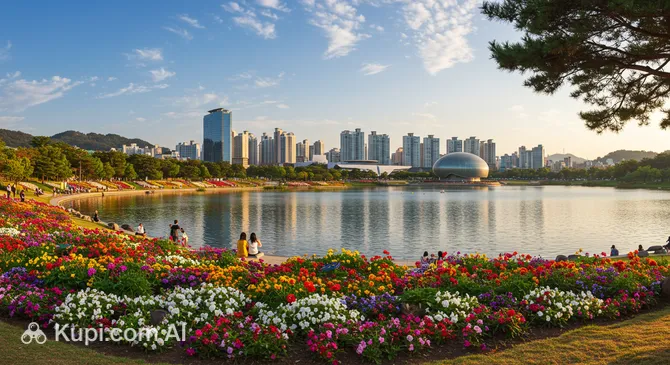
Ansan. Illustration.
Source: Kupi.com AI

With a population of approximately 652,800 people, Ansan is among the largest cities in Gyeonggi Province. It has established itself as an important industrial and educational center where the dynamics of a modern metropolis surprisingly blend with the slow and peaceful pace of coastal life. Science, technology, and culture are actively developing in Ansan, making it attractive not only for tourists but also for students, young professionals, and families.

The atmosphere of Ansan is an amazing intertwining of cosmopolitanism and authentic Korean traditions. The city is famous for its multicultural community: representatives from various Asian countries live here, which is reflected in the diversity of restaurants, colorful festivals, and lively street celebrations. Walking through the well-kept local parks or scenic embankments, you will certainly feel a special harmony between the urban environment and nature.

Ansan is definitely worth a visit to enjoy its extraordinary natural spots, explore modern art spaces, and get a unique opportunity to dive into real Korean everyday life, where innovative solutions and centuries-old traditions go hand in hand. Quiet lakes for peaceful relaxation, colorful street markets full of local delicacies, and cozy cafes with beautiful sea views await you here. Ansan is a city seemingly created for leisurely walks and bright new discoveries, promising to give you unforgettable impressions.

More interesting facts can be found on the Ansan city history page.
Weather Overview

The weather in Ansan is characterized by distinct seasons. Expect warm and humid summers with periodic rains, especially in July and August, when average temperatures reach 25-26°C and rainfall is most significant. Winters, by contrast, are cold and relatively dry, with average temperatures around 0°C and minimal precipitation. Spring and autumn offer mild and pleasant weather with moderate temperatures and rainfall.

The warmest months are July and August, with average temperatures of 25.5°C and 26.2°C respectively. The highest amount of rainfall occurs in July (averaging 9 mm and 17 rainy days) and August (8 mm and 16 rainy days). The coldest months are January (average temperature -1.5°C) and December (average temperature -0.2°C), with minimal precipitation (1 mm). For more detailed information on weather conditions by month, you can visit the Weather in Ansan page.

Average monthly temperature

Average monthly precipitation

Interesting Facts

In addition to its famous attractions and lively atmosphere, Ansan hides many interesting details that make it a truly unique city in South Korea. Here are a few curious facts that will help you see Ansan from a new perspective:

  • Ansan is home to the amazing Sihwaho Lake Reed Marsh Park. This is not just a scenic spot but a true ecological oasis, where festivals dedicated to reeds are held in spring and autumn. Numerous wooden bridges allow visitors to walk directly over the water, observing various bird species.

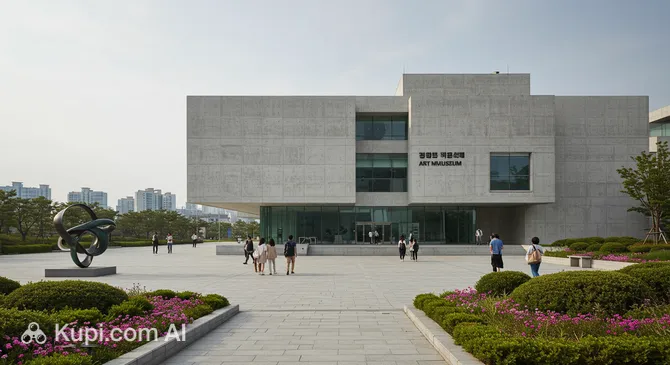
  • The city takes pride in its contribution to contemporary art. It is home to the Gyeonggi Museum of Modern Art, which regularly organizes impressive exhibitions, art festivals, and educational workshops for all ages, attracting art lovers from all over the country.

  • Ansan is often called the "city of migrants" due to one of the largest foreign communities in South Korea. This gives the city a special multinational atmosphere, and local festivals and street celebrations are distinguished by incredible color and a variety of cultural traditions.

  • Among Ansan's natives and residents are many famous athletes, musicians, and artists who have contributed to the country's cultural and sporting life. The city regularly becomes a venue for various cultural and sporting events that attract young people.

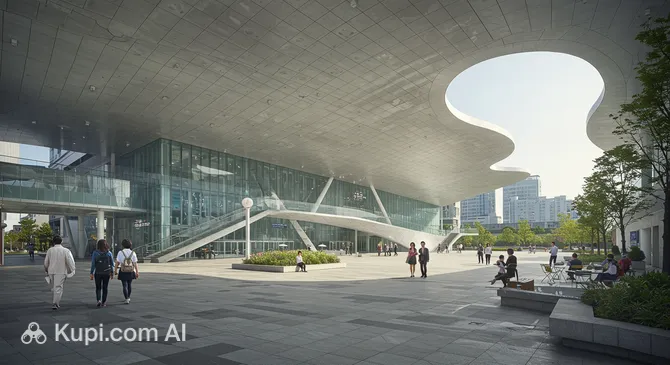
Gyeonggi Museum of Modern Art. Illustration.
Source: Kupi.com AI

Traveler photos:

How to Get There

Ansan boasts excellent transport accessibility, being in close proximity to the capital. Tourists can easily get here using the region's developed network of international airports and high-speed railways. You can find all the details and alternative routes by following the link: more on how to get to Ansan.

Ansan does not have its own airport, but it is served by the country's main air gateways located nearby. Most international travelers arrive at Incheon International Airport (IATA: ICN), located in Seoul (Incheon region), about 36 km from Ansan. It is South Korea's largest aviation hub. A trip from there by taxi or bus takes about 75 minutes. Another convenient option, especially for domestic flights and flights from some Asian countries, is Gimpo Airport (IATA: GMP), also located in Seoul, just 28 km from the center of Ansan. The journey from Gimpo takes approximately 60 minutes.

For clarity, here is a summary of the main airports in South Korea that are convenient for planning your route:

AirportPassenger trafficDistance
Gimpo International Airport23.0 mln28 km
Incheon International Airport71.2 mln36 km
Cheongju Airport4.6 mln90 km
Wonju Airport205 279102 km
Daegu International Airport3.3 mln228 km

Rail service also plays an important role, especially thanks to the KTX high-speed trains. There is no long-distance high-speed train station in Ansan itself, but you can arrive at Gwangmyeong Station (IATA: XWU) in Gwangmyeong City. It is located just 12.4 km from Ansan and is a major transport hub. From there, you can reach the center of Ansan by taxi or bus in about 40 minutes. This is one of the fastest ways to get to the city from other regions of the country.

Below is information about the nearest and most significant railway stations:

StationPassenger trafficDistance
Gwangmyeong Station12.4 mln12 km
Daejeon Station18.6 mln119 km
Dongdaegu Station20 mln227 km
Gwangju Songjeong Station3.4 mln242 km
Jinju Station267 km

Main Attractions

Ansan offers its guests a variety of places to visit that can satisfy the interests of both art lovers and enthusiasts of nature and active recreation. Several key attractions stand out among them.

One of the city's main cultural centers is the Gyeonggi Museum of Modern Art. Here, visitors can explore an extensive collection of works by contemporary Korean and international artists. The museum regularly hosts exhibitions and educational programs, making it an attractive spot for those interested in current trends in art.

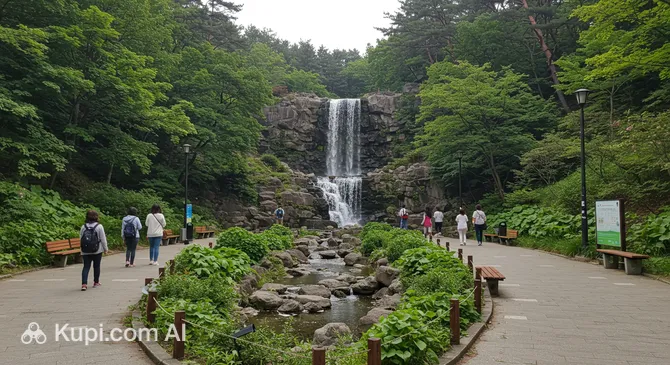
For those who prefer outdoor recreation, Nojeokbong Falls Park is an excellent choice. This picturesque park, whose main highlight is a beautiful waterfall, offers well-maintained walking trails, picnic areas, and a chance to enjoy the tranquility of nature. It is a popular spot for family outings and a retreat from the city's hustle and bustle.

Nojeokbong Waterfall Park. Illustration.
Source: Kupi.com AI

Traveler photos:

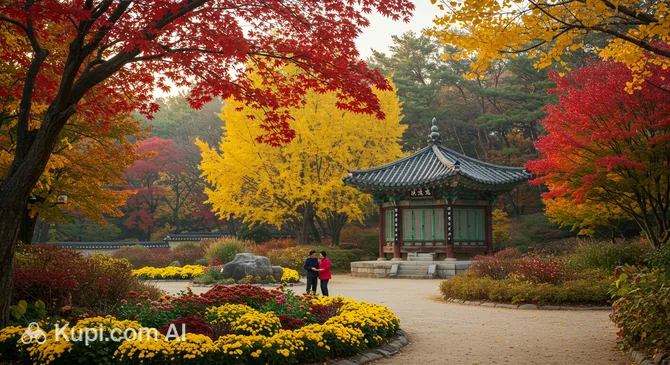
Another place worth visiting for flora lovers is the Ansan Botanical Garden. Its vast territory features a rich collection of plants, including rare and exotic species grouped into themed zones. The garden is not only a beautiful place for walks and photo shoots but also an important educational center.

Ansan Botanical Garden. Illustration.
Source: Kupi.com AI

Traveler photos:

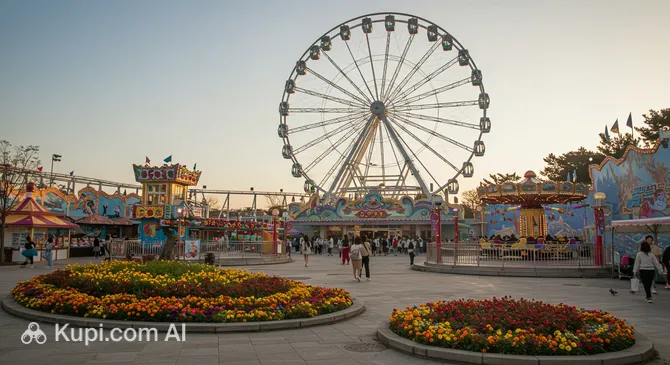
If you are looking for active pastimes and entertainment, especially when traveling with family, look into Hwarang Amusement Park. It offers various attractions, playgrounds, and relaxation areas suitable for visitors of all ages. The park often serves as a venue for various events and festivals, adding brightness to your vacation.

Hwarang Amusement Park. Illustration.
Source: Kupi.com AI

Traveler photos:

Local Cuisine

The gastronomic scene in Ansan is a true discovery for foodies, reflecting the city's multicultural character. An exciting culinary journey awaits you here, where traditional Korean flavors are intertwined with the aromas of Chinese, Vietnamese, Thai, and other Asian cuisines. This palette of tastes makes Ansan an attractive destination for those seeking diverse gastronomic experiences.

Be sure to try the fresh seafood dishes that Ansan is famous for. At bustling street markets, you'll be offered grilled squid, spicy mussels, and the famous Korean seafood soup — haemultang. Don't miss the chance to try the local version of kimchi and other piquant fermented vegetable dishes, which are prepared here according to special recipes that convey the unique taste of the region.

Among drinks, traditional Korean non-alcoholic rice-based options are popular, being both refreshing and healthy. Regarding alcoholic beverages, take note of soju or makgeolli, which are an integral part of a Korean meal. For dessert, try tteok — traditional rice cakes, presented in Ansan in many variations.

Khursheda Samarkand. Illustration.
Source: Kupi.com AI

Traveler photos:

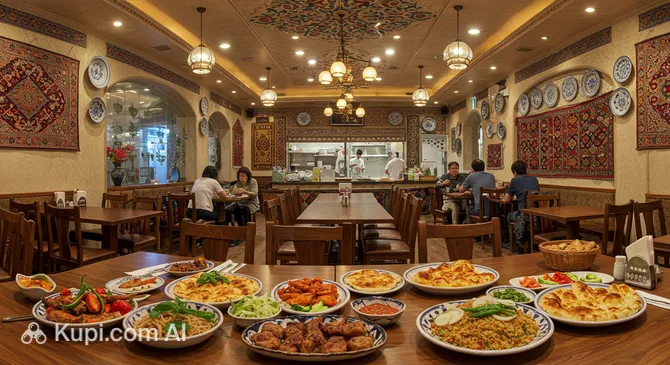
Dining culture in Ansan is very diverse. Locals and tourists often choose bustling street markets for a quick and authentic snack. Numerous restaurants offer both classic Korean cuisine and dishes from other Asian countries. For instance, to experience this diversity, you can visit establishments like Khurshida Samarkand. The city is also known for its gastronomic festivals, where you can not only taste unusual dishes but also participate in culinary workshops. Additionally, Ansan's farmers' markets always offer fresh greens, local vegetables, and seafood, which are perfect for a picnic in one of the city's picturesque parks.

Travel Tips

Welcome to Ansan! To ensure your journey to this interesting city in South Korea goes smoothly and leaves only pleasant impressions, we have prepared a few practical tips for you.

  1. Clothing and seasonal items: The climate in Ansan, like in all of South Korea, is clearly divided into four seasons. In summer (June-August), it is hot and humid, so choose light, breathable clothing. In winter (December-February), it can be cold, sometimes with snow — warm clothes, a jacket, a hat, and gloves will be needed. Spring and autumn are the most comfortable times with moderate temperatures, ideal for layered clothing. Comfortable shoes are extremely important, as you will likely want to walk a lot. Don't forget a universal adapter for electronics (types C and F plugs are used in South Korea) and a portable charger.
  2. Getting around the city: Ansan has a well-developed public transport system. The main ways to get around are city buses and the subway (Seoul Subway Line 4 passes through Ansan). This is the most economical and convenient option. To pay for fares, it is recommended to purchase a T-money card, which can be topped up at convenience stores and stations. Taxis are also available and can be called via apps (e.g., Kakao T) or hailed on the street. Renting a car may not always be practical due to local traffic patterns and possible language barriers unless you plan frequent trips outside the city.
  3. Financial matters: The national currency is the South Korean Won (KRW). Credit cards (Visa, Mastercard) are accepted in most large stores, restaurants, and hotels. However, it's always useful to have some cash on hand for small purchases, especially at markets or small establishments. ATMs are common, and many have English menus and accept international cards. You can exchange currency at banks or official exchange offices; the rate at the airport is usually less favorable. Regarding the approximate daily budget (excluding accommodation), for an economical traveler, it could be around 50,000 - 70,000 won, covering food in inexpensive cafes, public transport, and small souvenirs. For a more comfortable stay with visits to attractions and dining in mid-range restaurants, expect to spend 100,000 - 150,000 won per day. Tipping culture in South Korea is virtually non-existent — tips are either already included in the bill or are not expected.
  4. Health and safety: Pharmacies (in Korean "yak-guk") are easy to find by the green cross. Most operate on standard schedules, but there are 24-hour pharmacies. If medical assistance is needed, Ansan has hospitals and clinics that can help tourists. It is recommended to have valid travel insurance. Ansan, like most cities in South Korea, is considered a very safe city. However, standard precautions are never out of place: keep an eye on your belongings in crowded places and avoid poorly lit and deserted areas late at night.
  5. Language and communication: The official language is Korean. English is common among young people and in tourist areas but not everywhere. Learn a few basic phrases in Korean: "Annyeong-haseyo" (Hello), "Gamsahamnida" (Thank you), "Joesong-hamnida" (Excuse me/Sorry) — this is always appreciated by locals. A SIM card with mobile internet can be purchased at the airport or at service centers in the city. Free Wi-Fi is available in many public places, cafes, shopping centers, and in the subway. Useful apps include Naver Maps or KakaoMap for navigation (Google Maps has limited functionality in Korea), Papago for translation, and the KakaoTalk messenger.
  6. Local etiquette: When greeting someone, especially elders, it is customary to bow slightly. When passing or receiving something (money, business cards, gifts), use both hands or your right hand while supporting it with your left at the elbow or wrist. In public places, especially on transport, try not to speak too loudly. It is important to remove your shoes before entering a Korean home, as well as some traditional restaurants and temples.
  7. Things to avoid: Do not write people's names in red ink — in Korean culture, this is associated with death and is considered a bad sign. Also, try to avoid loud arguments or overly boisterous displays of emotion in public; Koreans value restraint and harmony in communication.
  8. Features of Ansan: The city of Ansan is known for its multicultural district, Wongok-dong, often called "Borderless Village." Many foreign workers and immigrants live here, so you can find authentic restaurants with cuisines from all over the world — from Southeast Asia to Central Asia and Russia. It's a unique place for gastronomic discoveries. Also, administratively part of Ansan is Daebudo island, a popular vacation spot with beautiful coastal scenery, mudflats, and fresh seafood.

We hope these tips help you better prepare for your trip and fully enjoy your stay in Ansan. We wish you an exciting journey!

Entertainment & Nightlife

Ansan, a vibrant city in Gyeonggi Province, offers its guests and residents a variety of options for evening and night leisure. While Ansan may not be as loud as Seoul's nightlife, there is definitely somewhere to unwind after sunset, from cozy bars to places where you can dance or enjoy a late dinner.

The center of evening activity is often Ansan 25 Hours Square. This place attracts young people and anyone looking for entertainment; many cafes, restaurants, and shops that stay open late are concentrated here and in the surrounding blocks. The atmosphere here is usually lively, especially on weekends. The crowd is mixed, with many students and young professionals. Most establishments do not require a strict dress code, preferring a casual style.

Ansan 25-Hour Square. Illustration.
Source: Kupi.com AI

Traveler photos:

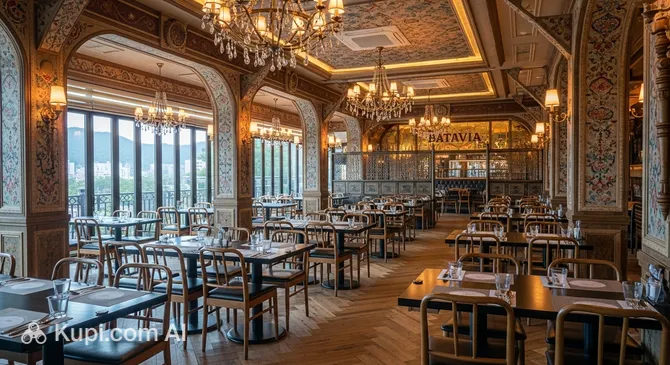
In Ansan, you will find various types of venues for night relaxation. Noraebangs (karaoke rooms) are popular, where you can have a fun time with friends. There are bars with a variety of drinks and snacks, as well as small clubs where you can dance to modern music. For a more relaxed evening or a late dinner, you can consider restaurants that work until late at night. For example, you can stop by the Khurshida Samarkand or Batavia restaurants to enjoy delicious food in a pleasant setting before continuing your evening.

Batavia. Illustration.
Source: Kupi.com AI

Traveler photos:

The best time to experience Ansan's nightlife is Friday and Saturday evenings, when most places stay open longer and more people gather. Prices in bars and clubs can vary, but overall they are comparable to the average in South Korea. Getting to your destination or returning to your hotel at night is most convenient by taxi. While some bus routes may run late, a taxi is a more reliable option after midnight.

Ansan, like most cities in South Korea, is considered quite safe for night walks, especially in busy areas like the surroundings of Ansan 25 Hours Square. Nevertheless, it is always worth following standard precautions. For calling a taxi, it is convenient to use popular Korean apps (e.g., Kakao T) or ask the establishment's staff for assistance in calling a car.

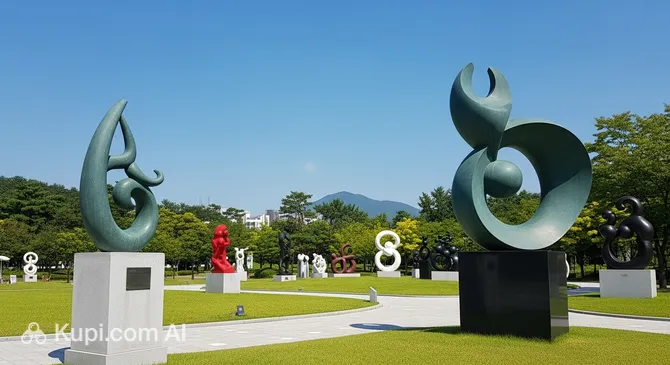
During the day, Ansan also offers interesting leisure options. You can visit the Gyeonggi Museum of Modern Art to see works by Korean and international artists. For nature lovers and fans of outdoor walks, places like Hwarang Amusement Park, the picturesque Ansan Botanical Garden, Nojeokbong Falls Park, or Danwon Sculpture Park, where you can enjoy open-air art, are ideal.

Danwon Sculpture Park. Illustration.
Source: Kupi.com AI

Traveler photos:

Parks & Museums

Ansan is a city where visitors can find both tranquil green corners and fascinating cultural discoveries. Here you can relax your soul in nature in one of the numerous parks or immerse yourself in the world of art and history by visiting local museums and galleries, offering diverse and educational leisure.

Among Ansan's green treasures, Nojeokbong Falls Park holds a special place. It is a wonderful place for leisurely walks in the fresh air, where you can admire picturesque water cascades and enjoy a peaceful atmosphere. Another popular green zone is the Ansan Botanical Garden, which charms with its variety of flora and themed gardens, ideal for contemplative relaxation and plant study. For those who prefer more active pastimes, Hwarang Amusement Park offers various attractions and zones for family leisure, guaranteeing fun for all ages.

Nojeokbong Waterfall Park. Illustration.
Source: Kupi.com AI

Traveler photos:

For lovers of art and cultural heritage, Ansan also offers interesting sites. A key point of attraction is the Gyeonggi Museum of Modern Art. This important cultural institution introduces visitors to works by Korean and international artists, and its regular exhibitions reflect current trends in contemporary art. Equally noteworthy is Danwon Sculpture Park, named after the famous Joseon-era artist Kim Hong-do (Danwon). It is essentially a unique open-air gallery where artworks are harmoniously integrated into the natural landscape, offering visitors an unusual experience of interacting with art and a subtle hint at the region's historical heritage.

Gyeonggi Museum of Modern Art. Illustration.
Source: Kupi.com AI

Traveler photos:

Although Ansan is better known as a modern industrial and multicultural center, its urban planning includes notable public spaces. A striking example is Ansan 25 Hours Square. This is not just a meeting place, but a dynamic hub of city life, where events often take place that reflect the modern rhythm and architectural trends of Ansan. This site demonstrates how the city is developing, creating comfortable and functional zones for its residents and guests.

Ansan 25-Hour Square. Illustration.
Source: Kupi.com AI

Traveler photos:

For more authentic impressions of Ansan, don't be afraid to explore smaller local parks, perhaps hidden in residential neighborhoods, or peek into intimate independent galleries. It is in such less obvious places that you can often make the most unexpected and pleasant discoveries, getting acquainted with the work of emerging talents or the unique atmosphere of the city, hidden from the main tourist routes.

Getting Around

Public transport in Ansan offers convenient ways to get around the city and its surroundings. The core of the transport system consists of the subway and buses, providing good connections both within the city and with neighboring settlements, including Seoul.

A key role in Ansan's transport system is played by Seoul Subway Line 4 (the light blue line), which passes through the city, connecting it with central Seoul and other cities in Gyeonggi Province. It is a fast and reliable way to travel long distances. Besides the subway, Ansan has an extensive network of city buses. Buses come in different colors (usually green, blue, red) indicating the type of route (local, trunk, express). They cover areas where the subway doesn't reach and provide flexibility in trip planning.

The most convenient and common way to pay for travel is the universal transport card T-money (or the similar Cashbee). This card can be used to pay for trips on the subway, buses, some taxis, as well as for purchases in convenience stores. A T-money card can be purchased and topped up at most 24-hour convenience stores (such as CU, GS25, 7-Eleven), as well as at special machines in subway stations. Single-ride tickets for the subway are also available at station machines. Fares usually depend on the distance for the subway and may be fixed for some bus routes. Overall, public transport rates are considered affordable.

Tourists are recommended to purchase a T-money card immediately upon arrival for convenience. It is important to remember that the card must be tapped on the validator both when entering the transport (or subway station) and when exiting. This is particularly important for buses and the subway for correct fare calculation. Most subway stations and buses have announcements and signs in both Korean and English. For route planning and real-time transport tracking, local mobile apps like Naver Map or KakaoMap are very useful. Public transport usually runs from early morning (around 5:30) until late evening (around midnight), but schedules can vary depending on the route and day of the week.

In addition to public transport, other ways of getting around are available in Ansan. Taxis are easy to find and are equipped with meters. Payment can be made by cash, credit card, or T-money card. The city is also developing a public bike-sharing system, such as Pedalro (페달로), which can be a pleasant alternative for short trips and exploring the city in good weather, especially in park areas.

Accommodation

In Ansan, travelers can find a suitable accommodation option that fits both their budget and comfort preferences. The city offers a fairly wide choice: from budget guesthouses and hostels, ideal for backpackers and youth, to mid-range hotels offering a good balance of price and quality, as well as apartments for those who prefer more independence and home comfort.

When choosing a place to stay in Ansan, it's worth paying attention to areas with developed transport infrastructure and easy access to major points of attraction. Central districts or locations near major transport hubs usually offer more options. It might also be convenient to stay near popular spots such as Ansan 25 Hours Square, where urban life is bustling, or close to green zones like Hwarang Amusement Park or Ansan Botanical Garden if you value outdoor walks.

While specific famous hotel examples are not provided in the data, in Ansan, as in most cities of its size, you can find both local hotels and those belonging to well-known chains. The price range varies from budget options to mid-range and upscale offers. It is convenient to use popular international and local online platforms, as well as official hotel websites, to search and book accommodation. It is recommended to book your stay in advance, especially if your trip is planned during the peak tourist season or during major city events, to ensure the best choice and prices.

Nearby Cities

For those who want to explore the surrounding area, Ansan serves as an excellent starting point for day trips to several interesting nearby locations:

CityPopulationDistance
Siheung425 1848 km
Gunpo285 72112 km
Anyang573 29612 km
Uiwang154 87914 km
Gwangmyeong318 02114 km

These nearby destinations provide insight into the diverse culture and landscapes of the region.

Shopping & Souvenirs

Shopping in Ansan offers tourists a chance to experience both modern shopping formats and traditional Korean markets. The city may not be the primary fashion center of South Korea, but here you will definitely find high-quality Korean goods, cosmetics, electronics, and interesting souvenirs.

One of the lively areas where you can find shops and cafes is Ansan 25 Hours Square. It is a popular spot among locals and tourists, where commercial activity is often concentrated. Also, pay attention to the city's main streets and areas around major transport hubs, where many shops of various types are usually located.

Ansan 25-Hour Square. Illustration.
Source: Kupi.com AI

Traveler photos:

In Ansan, as in most Korean cities, you can find large shopping centers and department stores offering a wide range of goods — from clothing and accessories by famous brands to electronics and home goods. Look for signs for popular chains like Lotte Mart, E-Mart, or Homeplus, which often combine a supermarket and shopping galleries.

For a more authentic experience and to buy fresh produce, local delicacies, or inexpensive clothing and souvenirs, visit the traditional markets of Ansan. While specific market names may change, any Korean city usually has several bustling market areas. Ask locals or check the tourist center for the nearest "shijang" (market).

From Ansan, as from South Korea in general, it is worth bringing back popular souvenirs: Korean cosmetics, K-pop merchandise, traditional handmade crafts (e.g., fans, hanji paper products), ginseng and products made from it, dried seaweed (gim), as well as various Korean sweets and snacks.

Most large stores and shopping centers in Ansan usually operate from 10:00-11:00 to 21:00-22:00. Smaller shops and markets may have their own schedules. Bank cards from international payment systems are accepted almost everywhere. Cash may be needed at traditional markets or small street stalls.

For foreign tourists in South Korea, a Tax Free system is in place. Look for stores with the corresponding logo (Global Blue, Global Tax Free, etc.). When buying over a certain amount, you can fill out documents for a VAT refund at the airport when leaving the country.

Reached the end of the page?

That means the route is fully explored