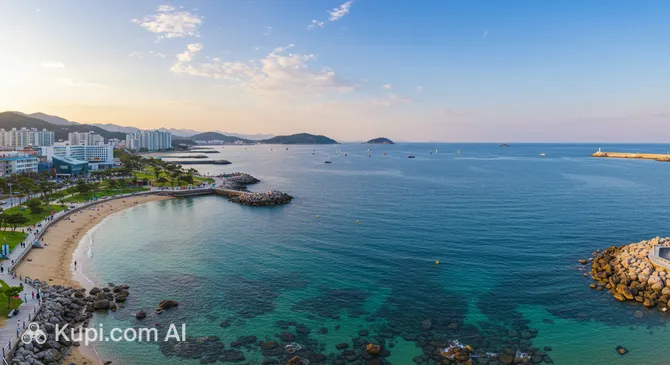
Siheung is a dynamically developing city in Gyeonggi Province, located southwest of Seoul, the capital of South Korea. Originally formed as an industrial and residential satellite of the metropolis, today it is transforming into a modern space where its industrial character harmoniously coexists with extensive green zones and seascapes. With a population of over 500,000, the city offers a peaceful, suburban atmosphere, ideal for those who want to take a break from the hustle and bustle of major Korean centers.
Siheung. Illustration.
Source: Kupi.com AI
The city's geographical location is unique: it faces the Yellow Sea, which largely determines its climate and tourism potential. The rich history of Siheung dates back to the Three Kingdoms era, when these lands passed between the control of Baekje and Goguryeo. The modern look of the city began to actively take shape in the 1990s, turning the former county into an important hub with developed infrastructure and modern residential complexes.
Travelers are primarily attracted here by ecotourism and opportunities for peaceful walks. Among the city's key features are Oido Island with its famous red lighthouse and the unique Gaetgol Eco Park, which stretches across the site of former salt pans. Siheung invites guests to enjoy the fresh sea air, walk along ecological trails, and get acquainted with modern Korean culture in its calm, everyday manifestation.
Weather Overview
The climate in Siheung is temperate monsoonal, typical for the central part of South Korea. Thanks to its proximity to the Yellow Sea, extreme temperatures are somewhat softened by sea breezes. Expect warm and humid summers with frequent rain in July and August, as well as cold, dry winters with clear days and occasional snowfall.
The coldest month is January, with an average temperature of about -1.3°C, when night frosts can reach -5°C. Summer peaks in August, when the air warms up to +28–30°C. Spring and autumn are the most pleasant periods to visit, as the weather is mild and sunny. Before your trip, we recommend checking the current Siheung weather forecast to choose the right wardrobe.
An important feature of the local climate is the rainy season (monsoon) in the middle of summer. July can see up to 260 mm of precipitation, which should be considered when planning walks in eco parks. In the autumn months, humidity drops and the sky becomes a piercing blue, creating perfect conditions for visiting Oido Island and the mountain trails of Soraesan.
Average monthly temperature
Average monthly precipitation
Interesting Facts
Siheung only received its modern administrative boundaries in 1989; before that, the city's territory was part of a huge county that was later divided into three separate cities.
Since 2016, the city has been officially included in the UNESCO Global Network of Learning Cities, highlighting the high priority placed on education and talent development among its residents.
During the Three Kingdoms era, the territory of the modern city was a strategically important point and often changed hands between the kingdoms of Baekje and Goguryeo due to its proximity to the Han River valley.
Siheung is called a "garden and industrial port" — it is one of the few cities where huge industrial complexes of national importance sit side-by-side with untouched marine wetlands and salt marshes.
Greenery accounts for about 20–30% of the city's territory, which is an excellent indicator for a major industrial center in South Korea.
How to Get There
Thanks to its location in the capital region, Siheung boasts excellent transport accessibility. The city serves as a convenient bridge between Seoul and Incheon, making it easily reachable for tourists arriving in the country. For route planning and trip details, we recommend checking the section on how to get to Siheung.
Although the city itself does not have its own airport, it is in close proximity to the country's main air gateways. The main flow of travelers arrives via Incheon International Airport (ICN), located about 30–50 minutes away by car or express bus. It is also convenient to travel from Gimpo Airport (GMP), which primarily serves domestic flights and some East Asian destinations. Limousine buses and taxis regularly run from the airports to the city, although extra time should be allowed for potential traffic jams during peak hours.
Rail travel is one of the most reliable ways to reach the city. Siheung is integrated into the metropolitan subway network: Line 4 (Blue), connecting to central Seoul, and the Suin-Bundang Line both pass through it. The Sincheon, Daeya, and Sorae stations provide quick access to various districts. Additionally, KTX high-speed trains pass through nearby hubs, allowing you to reach the city from Incheon in just 15–20 minutes.
Station
Passenger traffic
Distance
Oido Station
15
1 km
Ansan Station
12
5 km
Choji Station
12
7 km
Jungang Station
12
10 km
Dohwa Station
13
14 km
Gwangmyeong Station
12.4 mln
15 km
Main Attractions
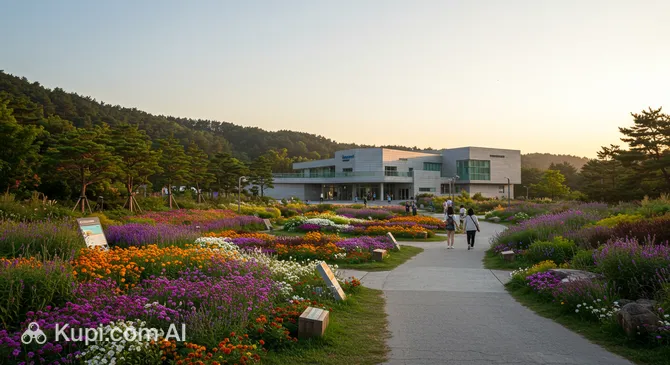
Although Siheung is often perceived as an industrial center, it hides wonderful places for relaxation and connecting with nature. One of the most picturesque locations is Hanul Park in Baegot. This space along the coast attracts visitors with its sea views, cozy picnic areas, and an outdoor swimming pool, which becomes a major draw for families with children during the summer months.
Baegot Hanul Park. Illustration.
Source: Kupi.com AI
Traveler photos:
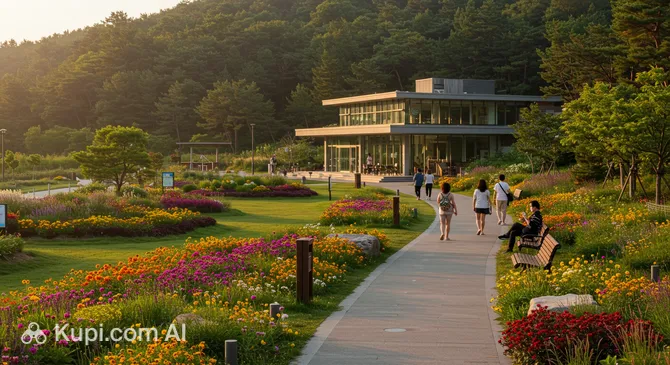
Another important spot in the young Baegot district is Baegot Life Park. This modern park was designed with an emphasis on sustainability and the preservation of natural flora. Here, you can stroll along well-maintained paths, enjoy the silence by the pond, or climb small observation decks that offer a panoramic view of the developing city and the water. It is an ideal place for morning jogs or evening walks under the setting sun.
Baegot Life Park. Illustration.
Source: Kupi.com AI
Traveler photos:
For those seeking wilder nature, Gaetgol Eco Park is a must-visit. This national reserve covering 5 square kilometers represents a unique ecosystem of marine wetlands and salt marshes, which is a rarity for the Gyeonggi region. Old salt warehouses and wooden bridges laid through reed beds, home to rare species of birds and crabs, have been preserved here. No less popular is Oido Island, which has become the city's trademark thanks to its Red Lighthouse and a waterfront lined with restaurants serving fresh seafood.
Local Cuisine
The gastronomic scene in Siheung is a feast for lovers of fresh seafood and classic Korean barbecue. Thanks to its coastal location, the city is famous for its fish markets and restaurants. On Oido Island and in Wolgot Port, be sure to try haemultang (spicy seafood soup) or order an assortment of freshly caught fish. Local chefs are also masters at preparing crabs and shrimp delivered straight from the boats.
For those who prefer meat dishes, there are excellent establishments in the city specializing in grills. For instance, 814 Barbecue offers a traditional Korean charcoal-grilled meat experience that is highly valued by locals. If you're in the mood for something more modern or international, check out Katsu Omoi, which serves superbly prepared Japanese-style pork cutlets.
The dining culture in Siheung is very accessible: family restaurants in shopping malls and small street stalls are equally popular. In the local markets of the northern districts, you can find unique snacks such as bujeongi (fried fish with spicy sauce). Koreans prefer to accompany their meals with traditional soju, makgeolli rice wine, or local light beers. The overall atmosphere of the establishments is very welcoming and primarily oriented toward locals, which guarantees authentic flavors.
Travel Tips
A trip to Siheung promises to be comfortable and interesting if you consider a few practical points in advance. Here are the key tips to help you feel at home in the city:
Clothing and Essentials: Choose clothing according to the season. In summer (June–August), the city is humid and hot; sunscreen and an umbrella are essential. In winter, it can be frosty and windy due to the proximity of the sea, so bring thermal wear and a warm down jacket. For walks in eco parks and mountains, you'll need comfortable shoes with good soles.
Transport: Be sure to purchase a T-money card immediately upon arrival. It works on the subway, buses, and even in taxis. Install the Naver Maps or KakaoMaps apps — they work much more accurately in Korea than other navigators.
Finances: The official currency is the South Korean won. Cards are accepted almost everywhere, even in small cafes, but it's better to have some cash for markets and purchasing transport cards.
Health and Safety: The city is very safe, but due to the proximity of industrial zones, air quality may decrease on days with light winds. Monitor fine dust levels in apps and wear a protective mask (like KF94) if necessary.
Communication: English is moderately common, mainly at stations and in large shopping malls. Download an offline translator in advance and learn simple phrases like "Annyeong-haseyo" (Hello) and "Kamsa-hamnida" (Thank you).
Local Etiquette: When greeting someone or handing over money/a card in a shop, use both hands — this is a sign of respect. It is not customary to talk loudly on the phone in public transport.
What to Avoid: Do not leave tips in restaurants — it is not practiced and may even embarrass the staff. Also, try to avoid conflicts in industrial areas late at night where workers might be relaxing after a few drinks.
Extra Tip: Be sure to visit Oido Island specifically in the evening. The view of the sun setting over the Yellow Sea near the Red Lighthouse is one of the most vivid impressions of the city.
We hope these tips make your journey through Siheung easy, safe, and full of pleasant discoveries!
Entertainment & Nightlife
Nightlife in Siheung is characterized by a calm and family-oriented nature, typical of a residential suburb. You won't find noisy districts with massive nightclubs like those famous in Seoul. The centers of evening leisure are usually the residential blocks in the northern part of the city, such as Daeya or Sincheon, as well as the modern Baegot district. Locals prefer to spend their evenings in cozy Korean pubs, enjoying the traditional "chimaek" combination — fried chicken and cold beer.
For fans of vocal arts, noraebangs (karaoke rooms) are available everywhere, staying open late and serving as a popular place to relax after dinner. If you're looking for a more lively atmosphere, it's worth visiting places like 814 Barbecue, where delicious food is combined with a friendly environment. For a more refined evening, you can visit Katsu Omoi, enjoying high-quality cuisine at a relaxed pace.
Evening walks are especially pleasant in the coastal areas. Hanul Park in Baegot and the Oido Island waterfront are beautifully illuminated after sunset, creating a romantic atmosphere. In Wolgot Port, you can meet fishermen and enjoy the view of lights reflecting in the water. If you crave large-scale parties or concerts, the city's convenient location allows you to reach the entertainment centers of Incheon or Seoul in 40-60 minutes by metro or taxi.
Parks & Museums
Parks are the true pride of Siheung, offering residents and tourists an escape from the industrial rhythm. The city's main gem is Gaetgol Eco Park. This national park was created on the site of former salt works. Here, you can see endless marine wetlands, walk along ecological trails among swaying reeds, and climb a unique wooden observation tower that sways slightly in the wind, offering breathtaking views of the surroundings.
For more modern and active recreation, Hanul Park in Baegot is perfect. Stretching along the coastline, it offers magnificent views of the sea and neighboring Incheon. It features bike paths, themed gardens, and a unique open-air infinity pool. Nearby is Baegot Life Park, famous for its well-thought-out architecture and abundance of spots for quiet contemplation of nature.
Baegot Hanul Park. Illustration.
Source: Kupi.com AI
Traveler photos:
The city's museum life is still developing and is mainly centered around its natural and industrial heritage. Small exhibitions operate in the eco park, telling the story of the region's marine flora and fauna, as well as the history of salt production. For fans of active outdoor leisure, Soraesan Mountain is also open, featuring a network of hiking trails that lead to ancient Buddhist reliefs carved directly into the rocks.
Getting Around
Siheung's transport system is well-integrated into the overall capital region network, making getting around the city and beyond simple and straightforward. The backbone of public transport is the subway. Lines 1 and 4, along with the Seohae Line, connect residential and industrial areas with Seoul and Incheon. The subway is the fastest way to avoid traffic jams; however, keep in mind that cars can be very crowded with workers and students during rush hours.
An extensive bus network covers all 20 administrative districts of the city. Buses run frequently and on schedule, connecting metro stations with remote residential complexes and parks. To pay for fares, it's most convenient to use a T-money transport card (available for purchase and top-up at any convenience store). Simply tap the card on the terminal when boarding and exiting the bus — this way the system automatically calculates the fare based on any transfers.
As an alternative, you can always use a taxi, which is relatively affordable in Korea. The flag-fall rate starts at approximately 3,000-3,800 won. To call a car, it's convenient to use the Kakao Taxi app. In park areas like Baegot, renting bicycles and electric scooters is popular and is a great way to explore the waterfronts. If you decide to rent a car, remember that traffic jams often occur in industrial zones and at city exits during morning and evening hours.
Accommodation
Choosing accommodation in Siheung has its own characteristics, reflecting its status as a developing suburban center. There aren't many huge five-star hotels here, but modern apartments and officetels are widely available, especially in new areas like Baegot. This is an excellent option for those planning to stay in the city for several days who value home comforts and the presence of a kitchen.
For short-term stays, tourists often choose mid-range hotels and high-quality motels located near metro stations in the northern part of the city — in the Daeya and Sincheon districts. This is convenient from a logistical standpoint, as it allows for quick travel to the attractions of Seoul and Incheon. Near park areas, such as Baegot Life Park, you can find cozy guesthouses offering a peaceful retreat surrounded by greenery.
Baegot Life Park. Illustration.
Source: Kupi.com AI
Traveler photos:
If you plan to visit the city during holidays or major events, it's best to book accommodation in advance via international services or local apps. Prices in Siheung are usually 20-30% lower than in central Seoul, making the city an attractive base for budget travelers. The average price range is from 50,000 to 100,000 won per night depending on the level of comfort and location.
Nearby Cities
Siheung is an ideal starting point for traveling along the west coast and central regions of South Korea. Thanks to its developed transport network, you can easily plan day trips to neighboring metropolises, each possessing its own unique character.
Just a few kilometers away is Ansan — a city with amazing cultural diversity, known for its international markets and picturesque parks. If you're looking for large-scale shopping or walks along modern waterfronts, head to Incheon. Here you can visit Chinatown, stroll through the futuristic Songdo district, or enjoy views of one of the world's largest ports. Fans of history and family entertainment will enjoy Gwangmyeong, home to the famous Gwangmyeong Cave, transformed into a themed art object.
Exploring the surroundings of Siheung will allow you to see different facets of Korean life: from the busy shopping streets of Bucheon to the cozy residential neighborhoods of Hwasu-dong. The proximity of these cities makes your vacation more diverse, allowing you to choose a new direction for a small adventure every morning.
Shopping & Souvenirs
Shopping in Siheung is primarily about hunting for brands at great prices. The main attraction for shoppers from across the region is the Siheung Premium Outlets. This large-scale shopping complex, whose architecture resembles a cozy European town, offers a huge selection of clothing, shoes, and accessories from global designers at significant discounts. You can spend a whole day here, moving between boutiques, relaxation areas, and cozy cafes.
For more everyday purchases and a taste of local color, head to the markets in the northern districts of the city, such as Sincheon or Daeya. Here you will find the freshest produce, traditional Korean delicacies, and household goods. The city also features large chain hypermarkets like E-Mart and Lotte Mart, where you can buy high-quality Korean cosmetics, electronics, and original sweets that make excellent gifts.
If you're looking for unusual souvenirs, look for salt products made in the Gaetgol Eco Park area or dried seafood from Oido Island. Shops in Siheung typically operate from 10:00 to 21:00 or 22:00, and major shopping centers almost everywhere accept international bank cards. Don't forget that for purchases over a certain amount, tourists can apply for a Tax Free refund, which will make your shopping experience even more pleasant.