Support

Asan

About

Asan is an amazing city where centuries-old traditions harmoniously intertwine with the dynamics of modernity, creating a unique atmosphere for every traveler. Located in the heart of South Chungcheong Province, in western South Korea, Asan is surrounded by picturesque hills and emerald rice fields and is famous for its healing hot springs. Thanks to its proximity to Seoul—only about 90 km away—and excellent transport links, the city is an attractive destination for both short trips and a longer exploration of the region.
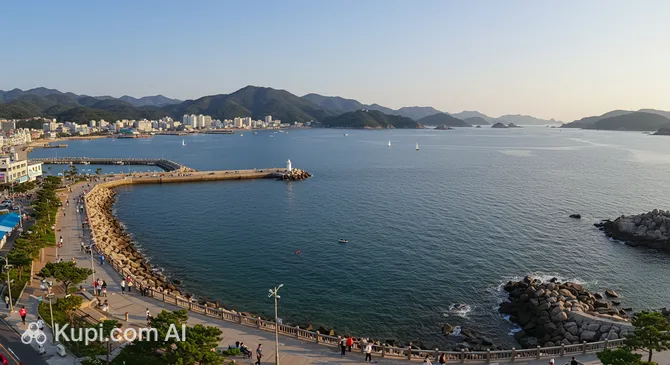
Asan. Illustration.
Source: Kupi.com AI

With a population of about 332,790, Asan successfully combines the coziness of a provincial center with the developed infrastructure of a major industrial hub. The city is known not only for its economic achievements but also for its careful preservation of cultural heritage and natural resources. Walking through its streets, you can feel this harmony: traditional Korean houses stand next to modern cafes, and ancient temples neighbor innovative museums.

Among the key features that attract tourists to Asan are undoubtedly its famous hot springs, offering relaxation and rejuvenation. Additionally, the city is interesting for its rich cultural heritage, which can be explored by visiting historical sites and temples. Nature lovers will appreciate the scenic surroundings, ideal for leisurely walks and enjoying the tranquility.

Asan is a true discovery for those seeking to experience authentic Korea, relax in body and soul, and gain unforgettable impressions. This city offers an ideal balance between cultural enrichment, natural beauty, and modern comfort, inviting everyone to discover its unique charm.

You can find more interesting facts on the Asan city history page
Weather Overview

The weather in Asan is characterized by a notable change of seasons. Summer, especially in July and August, is warm and humid, with average temperatures reaching 26.5°C in August and a significant amount of rainfall (up to 9 mm in July, with about 16 rainy days). Winters, on the contrary, are cold, with average temperatures around -0.9°C in January and minimal precipitation (about 1 mm). Spring and autumn are transitional seasons with moderate temperatures and rainfall. Overall, expect a warm summer with occasional rain and cold, drier winters. You can find more detailed information about weather conditions on the Climate of Asan page.

Average monthly temperature

Average monthly precipitation

Interesting Facts

Beyond its famous landmarks, Asan holds many surprising stories and features that make it truly unique. Here are just a few lesser-known facts that offer a new perspective on this South Korean city:

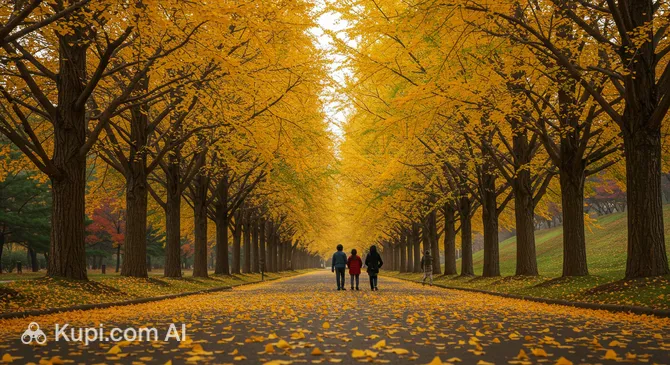
Asan Gokgyocheon Ginkgo Tree Road. Illustration.
Source: Kupi.com AI

Traveler photos:

  • Asan has been famous for its hot springs since ancient times. Legends say that their healing waters were preferred even by Korean monarchs and aristocrats, who came here to restore their strength and treat ailments such as fatigue and rheumatism.

  • In the vicinity of Asan lies the unique Oeam Folk Village, with a history spanning over 500 years. Notably, descendants of the Lee clan, who founded the settlement, still live here today, and wooden "jangseung" guardian totems stand at the village entrance to protect residents from evil spirits.

  • One of the city's hallmarks is the famous Ginkgo Tree Road along the Gokgyocheon River, where picturesque festivals are held in spring and autumn. At these times, the avenue transforms into a literal golden corridor of leaves, attracting both locals and tourists.

  • Asan is closely linked to the name of Korea's national hero—Admiral Yi Sun-sin. The Hyeonchungsa Shrine, dedicated to his memory, is located here, where solemn ceremonies and festivals are held annually, drawing crowds from all over the country.

  • The city is known not only for its historical monuments but also as a place where you can experience ancient crafts. For example, in Asan, you can attend workshops on making "hanji," traditional Korean paper.

How to Get There

Asan is conveniently accessible from South Korea's major air and rail hubs. Thanks to a well-developed infrastructure, travelers can easily plan their route using a combination of international flights and ground transport. You can find all the details and alternative routes by following the link: all the ways to get to the city of Asan.

The primary way for foreign tourists to reach the region is by air. There is no airport in the city of Asan itself, but you can fly into Incheon International Airport (IATA: ICN), located near Seoul. This is the country's main gateway with a massive passenger flow. The airport is approximately 88.7 km from Asan. The journey by taxi or bus takes about 2.5 hours.

Another convenient option is Gimpo Airport (IATA: GMP), which also serves Seoul and is 88.8 km from Asan. For those looking for a closer option, Cheongju Airport (IATA: CJJ) is worth considering. It is located in the city of Cheongju, just 45.1 km from Asan, allowing you to reach your destination by car in about 1.5 hours.

For clarity, here is summary information on the main airports:

AirportPassenger trafficDistance
Cheongju Airport4.6 mln45 km
Incheon International Airport71.2 mln89 km
Gimpo International Airport23.0 mln89 km
Wonju Airport205 279112 km
Daegu International Airport3.3 mln179 km

The railway network in Korea is excellently developed, and many tourists use trains to travel between cities. It is important to note that major transport hubs may be located in neighboring cities. For example, Daejeon Station is located in the city of Daejeon, about 59.1 km from Asan. This is a large hub through which many routes pass, and from there, you can continue your journey via local transport.

Another significant point on the map is Gwangmyeong Station (IATA: XWU), located in the city of Gwangmyeong, 71.1 km from Asan. This is an important stop for KTX high-speed trains traveling south from Seoul and can serve as a convenient transfer point for travelers.

Below is information on the nearest major railway stations:

StationPassenger trafficDistance
Daejeon Station18.6 mln59 km
Gwangmyeong Station12.4 mln71 km
Dongdaegu Station20 mln177 km
Gwangju Songjeong Station3.4 mln183 km
Jinju Station207 km

Main Attractions

Asan, a city with a rich history and picturesque nature, offers tourists many interesting places to visit. Here, everyone will find something for themselves: from exploring traditional Korean culture to strolling through beautiful parks and modern science museums.

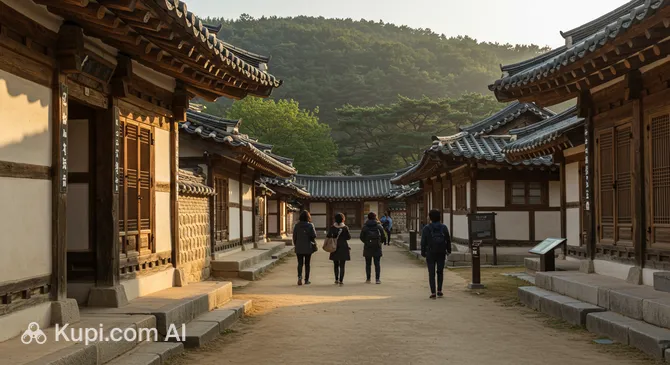
One of the iconic sites is the Onyang Folk Museum. It is a wonderful opportunity to immerse yourself in the lifestyle and traditions of the Korean people and see unique exhibits that tell the story of the history and way of life of past generations. The museum is located on extensive grounds with traditional houses and gardens, making the visit particularly atmospheric.

Onyang Folk Museum. Illustration.
Source: Kupi.com AI

Traveler photos:

Nature lovers and fans of beautiful landscapes should definitely visit the Ginkgo Tree Road along the Gokgyocheon River in Asan. This avenue is especially beautiful in autumn, when the leaves of the ginkgo trees turn bright yellow, creating a truly magical sight. It is an ideal place for leisurely walks and photo sessions.

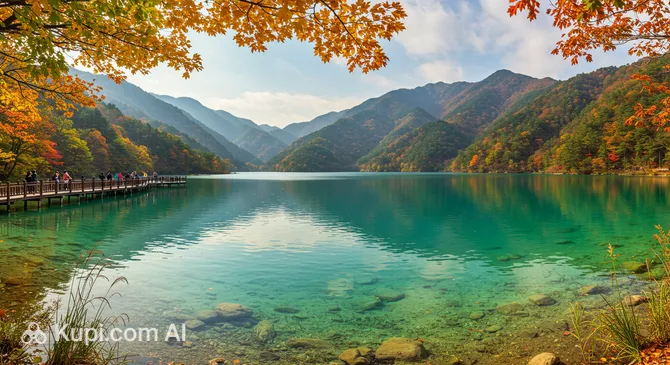
For those seeking outdoor recreation and diverse entertainment, the Sinjeonho National Tourist Zone is an excellent choice. Located around a picturesque lake, this area offers a sculpture park, opportunities for water sports, walking trails, and picnic spots. It is a popular vacation spot for both locals and tourists.

Sinjeongho National Tourist Area. Illustration.
Source: Kupi.com AI

Traveler photos:

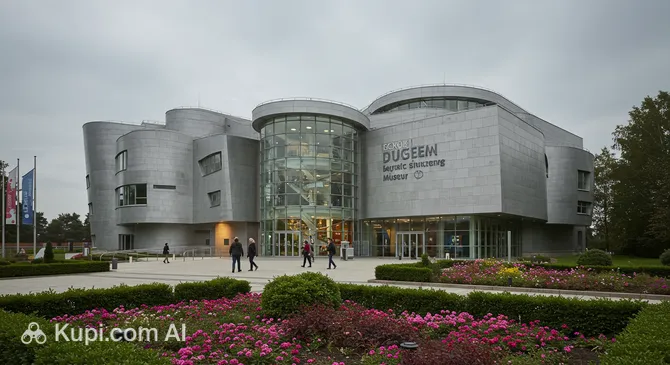
A visit to the Chang Yeong-sil Science Museum, dedicated to one of Korea's greatest scientists and inventors of the Joseon era, will be informative and fascinating. Here you can learn about his many inventions, including water clocks and astronomical instruments, while interactive exhibits make the visit interesting even for children.

Jang Young-sil Science Museum. Illustration.
Source: Kupi.com AI

Traveler photos:

Local Cuisine

The cuisine of Asan is a true gastronomic journey for lovers of authentic Korean food. The city is famous for its duck and chicken dishes, which are steamed or roasted here with aromatic local herbs. Be sure to try samgyetang—the famous ginseng chicken soup. It is believed to perfectly restore strength, especially after visiting Asan's famous hot springs.

In the bustling markets of Asan, you will find an abundance of fresh seasonal vegetables, various fermented products, and dishes made from rice grown in the fertile local fields. The city's special pride is kimchi, prepared according to ancient recipes. Its taste here is distinguished by a special richness and piquancy thanks to unique spices and the traditional salting method.

For street food lovers, Asan offers many temptations: from Korean "jeon" pancakes and pies with vegetables and meat to aromatic skewers of fresh seafood. Locals and tourists often choose both traditional restaurants and colorful street stalls for their meals. The city regularly hosts farmers' markets where you can not only buy fresh products but also taste traditional dishes. Gastronomic festivals dedicated to the rice harvest, vegetables, and local drinks become true celebrations of flavor.

As for drinks, during meals or at festivals, you will be offered a variety of traditional Korean beverages, both alcoholic and non-alcoholic, which perfectly complement any dish and allow you to dive deeper into the local culture.

Travel Tips

Planning a trip to Asan? Wonderful! To ensure your journey through this interesting South Korean city is as comfortable as possible and leaves only pleasant impressions, we have prepared some practical tips.

  1. Dress for the Season and Comfort: Keep in mind that in Asan, as in all of South Korea, there are four distinct seasons. In summer, bring light clothing; in winter, warm clothes, including a hat and gloves. In spring and autumn, layered clothing will come in handy. Be sure to bring comfortable walking shoes, a power adapter (South Korea uses Type F sockets, 220V), and a power bank. When visiting temples, choose modest clothing that covers shoulders and knees.
  2. Getting Around Town: Asan has a well-developed public transport system. The main means of transportation are buses, which cover most areas of the city. Additionally, Asan is served by Line 1 of the Seoul Metropolitan Subway (stations such as Asan and Onyangoncheon), providing convenient links not only within the city but also to the capital and other suburbs. We recommend purchasing or topping up a T-money transport card for convenient fare payment. Taxis are also available and can be hailed on the street or called via apps like Kakao T. Renting a car might be an option if you plan many trips around the South Chungcheong Province, but keep in mind that parking can be difficult within the city itself.
  3. Financial Matters: The national currency is the South Korean Won (KRW). You can exchange money at banks or authorized exchange offices; the rate at the airport is usually less favorable. Credit and debit cards (Visa, Mastercard) are widely accepted in most shops, cafes, and restaurants; however, it's always useful to have some cash on hand for small purchases at markets or in small establishments. ATMs are common and usually support international cards. Regarding a daily budget, it can vary greatly depending on your preferences. As a guide, you can budget from 50,000 to 100,000 won per day per person for food, local transport, and small entertainment, not including accommodation costs. Tipping in South Korea, including Asan, is not expected—good service is already included in the bill.
  4. Health and Safety: Asan is considered a fairly safe city. Pharmacies (약국 - yakguk) are easy to find, and many pharmacists can communicate in basic English. For serious medical assistance, tourists are strongly advised to have valid travel insurance. Observe usual precautions: keep an eye on your belongings in crowded places. Although the crime rate is low, avoid walking alone in poorly lit and deserted areas late at night.
  5. Language and Communication: The official language is Korean. In tourist areas, hotels, and among young people, you can find English speakers, but outside of these, knowledge of English is limited. Learn a few basic phrases in Korean: "Annyeonghaseyo" (안녕하세요 - Hello), "Kamsahamnida" (감사합니다 - Thank you), "Joesonghamnida" (죄송합니다 - I'm sorry). This will significantly ease communication and be appreciated by the locals. A SIM card with internet access can be purchased at the airport upon arrival or at mobile phone shops and convenience stores in the city. Free Wi-Fi is widely available in public places, cafes, shopping centers, and the metro. Useful apps: Naver Maps or KakaoMap (for navigation, as Google Maps has limitations in Korea), Papago (for translation).
  6. Local Etiquette: Koreans value politeness and respect. When greeting, bow slightly; the depth of the bow depends on the status and age of the person you are addressing. When giving or receiving items (money, business cards, gifts), it is customary to use both hands or the right hand supported by the left as a sign of respect. In public places, especially on transport, try not to talk loudly on the phone or make noise. Showing respect to elders is a cornerstone of Korean culture.
  7. What to Avoid: Do not write people's names in red ink, as the color red in this context is traditionally associated with those who have passed away. Also, avoid sticking chopsticks vertically into a bowl of rice—this resembles ritual incense at funerals and is considered a bad sign. It is not customary to point at people or objects with one finger; if you need to point in a direction, use an open palm.
  8. Asan Speciality – Hot Springs and History: Asan is famous for its hot springs, especially the Onyang area. Don't miss the chance to visit one of the local public baths (jjimjilbang or oncheon)—it's a wonderful way to relax and experience an important part of Korean wellness culture. The city is also closely linked to the historical figure of Admiral Yi Sun-sin; be sure to visit the Hyeonchungsa Shrine dedicated to this national hero.

We hope these tips help you better prepare for your trip to Asan and enjoy every moment of your stay. We wish you unforgettable impressions and bright discoveries in this hospitable corner of South Korea!

Entertainment & Nightlife

When the sun sets, Asan offers its guests a variety of options for evening and night-time relaxation. While the city may not boast the same scale of nightlife as megacities like Seoul, there are certainly places to unwind and have fun after a busy day. The main center for evening entertainment is traditionally considered the area around Onyangoncheon Station, known for its hot springs, as well as other lively neighborhoods popular with young people.

In the evening, many head to the numerous restaurants that stay open late, offering traditional Korean dishes accompanied by alcohol (known as "anju"). Korean beer bars—"hofs"—where you can try local beer and snacks in a relaxed setting, are very popular; look for "호프" signs or places like "Asan Cheers Hof." And, of course, rarely does an evening in a Korean city pass without noraebang (노래방)—karaoke rooms for a fun time with friends. As for nightclubs, they are not as widespread as in larger cities, but in lively areas, you can look for establishments with dance music, such as bars with a mini-club atmosphere that might be named "Neon Beat Asan" or "Urban Spot." Specialized concert venues with regular schedules are few in Asan, but you can occasionally catch performances by local musicians in some bars or during city festivals. Night markets are not a staple of the evening program here, but street food stalls can be found in busy areas. To find a suitable spot, walk along the streets adjacent to Onyangoncheon Station. Look for places with neon signs and music, especially where young people gather. Don't hesitate to ask hotel staff or locals for recommendations.

The atmosphere in evening Asan is quite relaxed and friendly. Most establishments cater to both locals and tourists, so the dress code is usually casual. Peak activity occurs on late Friday and Saturday nights, when some places may stay open until the early morning. Prices for food and drinks are generally moderate, making evening leisure quite affordable.

For getting around the city at night, the most convenient option is a taxi. They can be easily hailed on the street in busy areas or ordered through apps popular in South Korea, such as Kakao T. Overall, Asan is considered a safe city, but standard precautions, especially at night, are never out of place. Try to stick to well-lit and crowded streets.

While the main focus of this section is on evening entertainment, it's worth mentioning that during the day, Asan also offers interesting leisure options. For example, you can explore local culture by visiting the Onyang Folk Museum or enjoy nature and tranquility at Sinjeon Lake Park. These daytime experiences will perfectly complement your evening adventures in the city.

Onyang Folk Museum. Illustration.
Source: Kupi.com AI

Traveler photos:

Parks & Museums

Asan is a city where picturesque natural spots and rich cultural heritage harmonize. Here, everyone will find something for themselves: from peaceful walks in green parks to educational visits to unique museums reflecting the history and culture of South Korea.

The city is famous for its beautiful green areas, offering a respite from the urban hustle and bustle. One of the most charming places is the Ginkgo Tree Road along the Gokgyocheon River in Asan. This scenic avenue is particularly beautiful in autumn, when the leaves of the ginkgo trees turn bright golden tones, creating a magical atmosphere for leisurely walks and memorable photo sessions. This place is ideal for nature lovers and fans of romantic landscapes.

Asan Gokgyocheon Ginkgo Tree Road. Illustration.
Source: Kupi.com AI

Traveler photos:

For those seeking more active outdoor recreation and diverse entertainment, the Sinjeonho National Tourist Zone is a great fit. This vast area stretches around a picturesque lake and includes Sinjeon Lake Park. Here, visitors can enjoy water sports, have a picnic on the shore, and visit a sculpture park and botanical garden. It is a wonderful place for family holidays and long walks in the fresh air.

Sinjeongho National Tourist Area. Illustration.
Source: Kupi.com AI

Traveler photos:

Asan also offers visitors an interesting and diverse museum program. To dive deeper into traditional Korean culture, it is worth visiting the Onyang Folk Museum. Its halls display various exhibits telling the story of the life, crafts, art, and customs of the Korean people over the centuries. This makes the museum particularly interesting for anyone fascinated by history and ethnography.

Onyang Folk Museum. Illustration.
Source: Kupi.com AI

Traveler photos:

Fans of science and technology, as well as those interested in the history of inventions, should definitely stop by the Chang Yeong-sil Science Museum. It is named after the famous Korean scientist and inventor of the Joseon era, Chang Yeong-sil, who made an enormous contribution to the development of science. The museum offers many interactive displays that introduce visitors to the scientific achievements of the past and present in an engaging and accessible way.

Jang Young-sil Science Museum. Illustration.
Source: Kupi.com AI

Traveler photos:

For families with children and everyone who is passionate about the amazing world of nature, the Asan Ecological Insect Museum will be a real discovery. This is a unique place where you can learn many interesting facts about insect life, see impressive live displays, and even participate in various interactive programs and workshops. A visit to this museum will leave vivid impressions on both children and adults.

Asan Ecological Insect Museum. Illustration.
Source: Kupi.com AI

Traveler photos:

Beyond the specially created parks and museums, Asan itself and its surroundings hold traces of a rich history. While the city may not have many grand ancient structures, an observant traveler will find interesting historical corners, old temples, or monuments reflecting various stages of this region's past. Walking through the city can lead to unexpected discoveries related to local history and architecture.

For a more authentic experience of Asan, don't limit yourself to just the popular tourist routes. Visit local markets where real life is in full swing, where you can try fresh seasonal products and observe the daily life of the townspeople. Also, don't miss the chance to walk through the lesser-known streets of the city—it is there that cozy cafes with traditional Korean cuisine and small craft shops are often hidden.

Getting Around

Getting around Asan is quite convenient thanks to a developed public transport system that allows tourists to easily explore the city and its surroundings. The transport network is based on buses and the metro, and other modes of travel are also available.

Buses are the main form of public transport in Asan, covering the entire city and suburban areas with a dense network of routes. they run quite frequently, especially on popular routes. Route numbers and directions are usually indicated in Korean and partially in English at stops and on the buses themselves. For convenience, you can use navigation apps to help plan your route.

An important part of Asan's transport system is the metro. The city is served by Line 1 of the Seoul Metropolitan Subway, making it easily accessible from the capital and other cities in the region. Stations such as Asan Station and Onyangoncheon Station are key transport hubs. The metro is an excellent option for fast travel over long distances within and beyond the city limits.

The fare payment system in Asan, as throughout South Korea, is very convenient. The most popular method is using a T-money transport card (or similar cards like Cashbee). This card can be purchased and topped up at most 24-hour convenience stores (konbini), at metro stations, and in special machines. T-money allows you to pay for travel on buses, the metro, as well as taxis, and to make purchases in some stores. Discounts for transfers apply when using T-money. You can also purchase single-trip tickets from machines at metro stations. The fare is relatively low and depends on the distance.

Practical tips for tourists:

  • When entering a bus or metro station, you must tap your T-money card against the validator. When exiting the bus (and in the metro, when leaving your destination station), the card must also be tapped against the validator for the correct fare deduction, especially if your fare depends on distance.

  • Most buses and the metro start operating early in the morning (around 5:30–6:00) and finish close to midnight. The exact schedule may vary depending on the route and day of the week.

  • Stop announcements in the metro and some buses are duplicated in English.

In addition to public transport, taxi services are always available in Asan. Taxis are easy to catch on the street or order through apps. The cost of the trip is calculated by the meter. In some areas of the city, bicycle rentals may be available, which is a pleasant way for leisurely rides, especially in park zones.

Accommodation

In the city of Asan, travelers can find a variety of accommodation options to suit different preferences and budgets. The range of available housing includes more economical options such as guesthouses and motels, as well as comfortable mid-range hotels. There may be few luxury resorts within the city itself, but quality hotels offer all the necessary amenities for a pleasant stay.

When choosing a place to stay, it is worth paying attention to areas located near major transport hubs or popular tourist sites, such as the Sinjeonho National Tourist Zone or the Onyang Folk Museum. This will provide convenient access to attractions and save time on moving around the city. While specific hotels are not listed here, Asan has a sufficient selection of hotels across various categories.

The price range varies from budget options to mid-range and higher-end hotels. You can book accommodation through popular online booking platforms, which often feature reviews and photos, or by contacting the hotel directly. It is recommended to book your accommodation in advance, especially if your trip coincides with the peak tourist season or major events, to ensure the best choice and prices.

Nearby Cities

For those looking to explore the surroundings, Asan serves as an excellent starting point for day trips to several interesting nearby locations:

CityPopulationDistance
Cheonan651 66113 km
Pyeongtaek457 87327 km
Sapgyo10 07527 km
Sejong204 08833 km
Anseong194 76535 km

Each of these cities offers something unique for travelers. For example, a trip to Daejeon, a major scientific and transport hub, will allow you to visit the Expo Park, the National Science Museum, or stroll through the picturesque Yuseong Hot Springs Park. Suwon attracts tourists with its famous Hwaseong Fortress, a UNESCO World Heritage site, offering an immersion into Korean history during the Joseon Dynasty. And in Cheongju, located very close by, you can visit the Early Printing Museum, as it was here that "Jikji"—the world's oldest book printed with movable metal type—was created, as well as explore the ruins of the ancient Sangdangsanseong Fortress.

These nearby destinations provide an insight into the diverse culture and landscapes of the region.

Shopping & Souvenirs

Asan offers tourists a variety of shopping opportunities, combining modern retail outlets with traditional Korean markets. While the city is not famous for exclusive goods, you can find popular Korean cosmetics, fashionable clothes, electronics, and local products here. Shopping in Asan is a pleasant addition to exploring the city's culture and attractions.

The main shopping activity in Asan is typically concentrated in the central areas of the city, especially around Onyangoncheon Station. Here, you can find many shops ranging from small boutiques to chain retailers offering clothing, accessories, cosmetics, and home goods. A stroll through these lively streets will allow you to soak up the local atmosphere and find interesting purchases.

In Asan, as in many Korean cities, there are modern shopping centers and department stores where shops of famous brands, food courts, and entertainment zones are gathered under one roof. Although specific names of large malls may be absent from tourist guides for smaller cities, it is worth looking for multi-story buildings with signs of popular Korean retailers in the city center.

One of the main shopping attractions in Asan is the traditional Onyangoncheon Market. This is a colorful place where you can find fresh local products, fruits, vegetables, seafood, as well as traditional Korean snacks, clothing, household items, and souvenirs. Visiting the market is an excellent opportunity to get acquainted with the daily life of Koreans and purchase authentic goods.

As souvenirs from Asan and South Korea in general, it is worth paying attention to Korean cosmetics, known for their quality and innovation. Also popular are ginseng products, traditional Korean tea, ceramics, hanji paper products, as well as cute stationery and accessories. Unique crafts and local delicacies can be found at local markets.

Most shops in Asan usually operate from 10:00–11:00 AM to 8:00–10:00 PM. Large shopping centers may have longer working hours. Traditional markets often open early in the morning and close by the evening. Credit cards (Visa, MasterCard) are accepted everywhere, and cash can also be used, especially in small shops and at markets. Mobile payment systems are also gaining popularity.

For foreign tourists in South Korea, a Tax Free system is in place. When making purchases of a certain amount in shops with the corresponding logo ("Tax Free" or "Global Blue"), you can issue a special receipt for a VAT refund. The tax refund can be received at the airport before departing the country by presenting the receipts and purchases.

Reached the end of the page?

That means the route is fully explored