Support

Boryeong

About

Boryeong is a charming coastal city located in the west of South Korea, in the Chungcheongnam-do province. Nestled on the shores of the Yellow Sea, it is famous for its relaxing atmosphere, mild maritime climate, and, of course, magnificent beaches that attract travelers from all over the world. Boryeong is a place where modern comfort harmoniously blends with authentic Korean traditions.

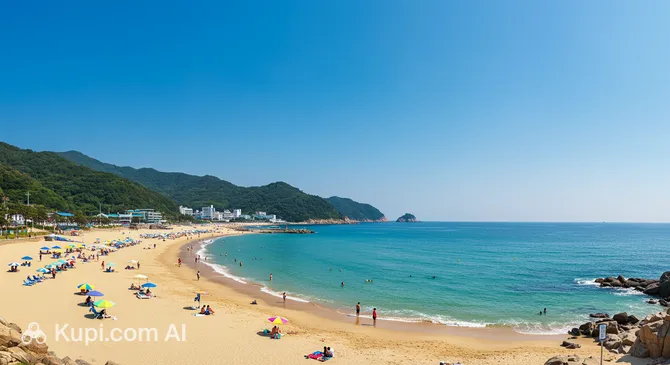
Boryeong. Illustration.
Source: Kupi.com AI

The city is located approximately 190 kilometers southwest of Seoul, making it a popular getaway destination. The population of Boryeong is about 100,000 people (according to data, around 101,852 residents), which creates a sense of tranquility and a slow pace of life, far from the hustle and bustle of megacities. Thanks to its favorable location, Boryeong offers guests not only beach vacations but also the opportunity to enjoy fresh sea breezes and picturesque coastal landscapes.

One of the main highlights of Boryeong, which has made it world-famous, is the annual Mud Festival. This unique event attracts thousands of tourists eager to experience the healing properties of the local mud and simply have fun. Beyond the festival, the city is known for its beautiful beaches, such as Daecheon Beach, which is ideal for swimming, sunbathing, and water sports. Here you can also stroll along the promenade, taste fresh seafood in local restaurants, and immerse yourself in the hospitable atmosphere of the Korean province.

If you are looking for an unforgettable vacation that combines relaxation on the coast, an introduction to a unique culture, and vivid impressions, Boryeong will be an excellent choice for your trip.

You can find more interesting facts on the Boryeong city history page.

Weather Overview

In general, Boryeong is characterized by warm and humid summers with peak rainfall in July and August, when average temperatures hover around 25-26°C. Winters here are cool and noticeably drier, with average temperatures around 0.3°C in January. Spring and autumn offer mild transitional weather: for example, in May the average temperature is about 16.8°C, and in October it is 15.6°C, creating comfortable conditions for exploring the city. You can find more detailed information on the Boryeong climate page.

Average monthly temperature

Average monthly precipitation

Interesting Facts

In addition to its beaches and famous mud festival, Boryeong hides many surprising details and stories that make it a truly unique place. Ready to learn some little-known facts about this South Korean city?

  • While the Boryeong Mud Festival is known to many, not everyone realizes its true scale: it attracts up to three million guests annually! And the activities include not only mud fights and marathons, but also unusual attractions like a "mud prison" for the bravest participants.

  • The famous Boryeong mud is not just for fun. It is so rich in beneficial minerals that it is actively used in local cosmetics and spa treatments, which are believed to promote rejuvenation and provide a boost of energy. Many people come here specifically for these healing properties.

  • In the vicinity of Boryeong, in a place called Muchangpo, another exciting event takes place—the Sea Festival. It is associated with a unique natural phenomenon: during a strong low tide, the seabed is exposed here, forming a road to the island, reminiscent of ancient legends.

  • Boryeong is not only about modern festivals but also a place where authentic traditions of provincial South Korea are carefully preserved. Ancient crafts and rituals are still alive here, especially those related to the sea and fishing, passed down from generation to generation.

How to Get There

When planning a trip to the famous beaches and mud festivals, it is important to think through your route in advance. You can find all available options and details by following the link: more on how to get to Boryeong. The city has good transport accessibility, although there are no direct international flights to Boryeong itself.

Most foreign tourists arrive in the country through the main air gateway — Incheon International Airport (IATA: ICN). There is no airport in the city of Boryeong itself, but you can fly into Incheon (serving Seoul), which is located about 122 km away. This is the country's largest hub with a huge passenger flow, receiving flights from all over the world. Travel time from the airport to Boryeong by direct limousine bus or car is about 2–2.5 hours.

An alternative option is Gimpo Airport (IATA: GMP), also located in the capital region (Seoul city), 136 km from Boryeong. It is convenient for those flying on domestic flights or from neighboring Asian countries. Even closer geographically is Cheongju Airport (IATA: CJJ) in the city of Cheongju — the distance to the center of Boryeong is about 90 km. This is a regional airport that can be convenient if you are traveling within Korea.

For clarity, here is a summary of the main airports through which you can reach the region:

AirportPassenger trafficDistance
Cheongju Airport4.6 mln90 km
Incheon International Airport71.2 mln123 km
Gimpo International Airport23.0 mln136 km
Gwangju Airport2.0 mln137 km
Muan International Airport233 337152 km

The railway network in South Korea is excellently developed. If you consider the major transport hubs in the region, one of the closest to Boryeong is Daejeon Station in the city of Daejeon. It is located about 70 km from Boryeong. Daejeon is a major transport hub served by KTX high-speed trains from Seoul and Busan. From there, you can continue your journey by bus or regional train.

Also worth noting is Gwangmyeong Station (IATA: XWU) in the city of Gwangmyeong, located 120.9 km from Boryeong. This is an important stop for high-speed trains south of Seoul. While Boryeong itself does not have these major transfer stations (though the city has its own Daecheon Station), using hubs like Daejeon or Gwangmyeong allows you to quickly cover most of the journey from other parts of the country and then travel the remaining distance by taxi or local transport.

Below is a table with information about the nearest major railway hubs:

StationPassenger trafficDistance
Daejeon Station18.6 mln70 km
Gwangmyeong Station12.4 mln121 km
Gwangju Songjeong Station3.4 mln136 km
Mokpo Station1.8 mln174 km
Dongdaegu Station20 mln190 km

Main Attractions

Boryeong, known for its picturesque beaches and unique festivals, offers tourists many interesting places to visit. This city in Chungcheongnam-do province attracts both outdoor enthusiasts and those seeking cultural experiences.

One of the main gems of Boryeong is undoubtedly Daecheon Beach. It is one of the largest and most famous beaches on the west coast of South Korea, renowned for its fine white sand and clear water. The beach is particularly famous for the annual Boryeong Mud Festival, which attracts millions of visitors from around the globe. Here, you can not only swim and sunbathe but also enjoy various water sports and, of course, experience the healing properties of the local mud.

No less interesting is Muchangpo Beach, known for a unique natural phenomenon called the "Moses Miracle of the Sea." Several times a month during extremely low tides, the sea parts, revealing a sandy path about 1.5 km long leading to the nearby Seokdaedo Island. This amazing sight attracts many tourists who want to walk along the seabed and gather fresh seafood.

For those interested in the history and culture of the region, the Boryeong Coal Museum is worth a visit. Located on the site of a former coal mine, the museum tells the story of the coal mining industry in Korea, which was once the main driving force of the regional economy. Visitors can descend into a reconstructed mine, see the equipment, and learn about the hard work of the miners. It is an educational place that allows for a deeper understanding of Boryeong's past.

Nature lovers and active travelers will enjoy the Seongjusan Recreational Forest. This vast forest area offers many hiking trails of varying difficulty, passing through picturesque mountains and valleys. Here, you can enjoy the fresh air, have a picnic, and admire the beautiful scenery. The park is especially beautiful in spring during the blossom season and in autumn when the foliage turns vibrant colors.

Local Cuisine

The gastronomic scene in Boryeong is a true feast for seafood lovers. Located on the coast, the city is famous for its abundance of seafood, which forms the basis of the local cuisine and attracts gourmets from all over the world. Here, everyone will find a dish to their taste, from simple street snacks to exquisite restaurant offerings.

Be sure to try haemul pajeon – delicious Korean seafood pancakes, crispy and incredibly aromatic. No less famous are dishes made from the freshest oysters, mussels, and squid, prepared in a wide variety of ways. A special place is held by seaweed kimchi – a spicy and healthy snack that reflects the coastal character of the region. On the beaches and in the markets, grilled octopus and scallops await you, as well as rich, spicy seafood soups.

Boryeong is known for its Mud Festival, and this event has even found reflection in its culinary arts. The bravest gourmets can find unusual desserts and drinks that are said to contain beneficial minerals from the famous local mud – a unique gastronomic experience is guaranteed!

Food culture in Boryeong is diverse. During the day, it's worth visiting the farmers' markets, where you can not only buy seasonal vegetables and fermented products but also choose fresh fish that will be prepared right in front of you. As evening falls, the city fills with the aromas of grilled meat and seafood – numerous street cafes and restaurants invite you to enjoy dinner, often with a beautiful view of the sunset. Boryeong also frequently hosts gastronomic festivals, providing an excellent opportunity to try local delicacies and even participate in masterclasses on cooking traditional Korean dishes.

Meals in Boryeong are accompanied by both traditional Korean drinks and more familiar options. Among alcoholic beverages, soju and makgeolli (rice wine) are popular. Among non-alcoholic options, you can always find various teas, refreshing lemonades, and juices. Don't miss the chance to try something authentic that will complement your gastronomic experience of the city.

Boryeong's cuisine is a bright combination of freshness, tradition, and local ingenuity. A trip here will give you not only unforgettable views but also a kaleidoscope of new flavors, especially if you are a connoisseur of seafood and authentic Korean gastronomy.

Travel Tips

Welcome to Boryeong! To ensure your trip to this charming corner of South Korea is as comfortable and fulfilling as possible, we have prepared some practical tips. We hope they help you better plan your trip and enjoy every moment!

  1. Clothing and Essentials:

    The climate in Boryeong is temperate, with four distinct seasons. In summer (especially in July during the famous Mud Festival), it is hot and humid, so choose light, breathable clothing. It can be cold in winter, so don't forget warm clothes and layering. Comfortable shoes are your best friend for walking along Daecheon Beach and the surrounding areas. Don't forget a universal adapter (South Korea uses Type F sockets) and sunscreen, especially if you plan to spend a lot of time outdoors.

  2. Transport in the City:

    Boryeong is convenient to navigate via public buses, which connect the main city areas and the beach. Taxis are also available and relatively inexpensive; you can use the Kakao T app, popular in Korea, to call a car. Renting a car might be worthwhile if you plan to explore the picturesque surroundings of Chungcheongnam-do province, but it's usually not necessary for getting around the city.

  3. Finances:

    The local currency is the South Korean Won (KRW). Credit cards (Visa, Mastercard) are accepted in most shops, restaurants, and hotels, but it's always useful to have some cash for small purchases at markets or local eateries. ATMs are widespread. You can exchange currency at banks or authorized exchange offices. Tipping is not a common practice in South Korea. An approximate daily budget can vary, but aim for 70,000-150,000 won per person (excluding accommodation).

  4. Health and Safety:

    Boryeong is considered a safe city for tourists. Pharmacies (약국 - "yakguk") are easy to find, though not all of them operate 24/7. If you need medical assistance, you can go to local clinics or hospitals. As everywhere, follow basic precautions: keep an eye on your things, especially in crowded places like Daecheon Beach during festivals.

  5. Communication:

    The official language is Korean. English speakers can be found in tourist areas and among the youth, but knowing a few basic phrases in Korean (e.g., "Annyeong-haseyo" – Hello, "Kamsahamnida" – Thank you) will be very helpful and appreciated by locals. A SIM card with internet access can be purchased at the airport upon arrival or at communication stores in the city. Wi-Fi is widely available in cafes, hotels, and public places. We recommend installing the Naver Map or KakaoMap apps for navigation (Google Maps has limited functionality in Korea) and Papago for translation.

  6. Local Etiquette:

    Koreans value politeness. A slight bow is a common form of greeting, especially when interacting with elders. When giving or receiving items, it is customary to use both hands or the right hand supported by the left. Avoid loud conversations on public transport. Showing respect for elders is an important part of Korean culture.

  7. What to Avoid:

    Never stick your chopsticks vertically into a bowl of rice—this is associated with funeral rituals. Also, try not to write people's names in red ink, as this is traditionally linked to the deceased.

  8. Special Feature of Boryeong:

    If your trip coincides with July, don't miss the world-famous Boryeong Mud Festival! This unique and fun event attracts tourists from all over the world. Even if you don't make it to the festival, Daecheon Beach is a wonderful place to relax. Boryeong is also famous for its fresh seafood—be sure to try it in local restaurants.

We hope these tips make your stay in Boryeong even more pleasant and memorable. We wish you a great trip and vivid impressions!

Entertainment & Nightlife

Boryeong, known for its famous Daecheon Beach and the annual Mud Festival, offers tourists not only daytime pleasures but also opportunities for evening relaxation. The nightlife here is not as large-scale as in Seoul, but it possesses its own coastal charm and especially comes alive during the summer season and festivals.

The main hub for evening and night entertainment in Boryeong is undoubtedly the Daecheon Beach area. Along the promenade and adjacent streets, you will find many bars, seafood restaurants that stay open late, and traditional Korean karaoke bars (noraebang). Here, you can enjoy the fresh sea breeze while sitting in one of the outdoor cafes or choose a more lively spot with music. While Boryeong may not have a large number of world-famous nightclubs, the atmosphere at Daecheon Beach in the evening is very vibrant, especially when young people and tourists gather.

While specific names of bars or clubs in Boryeong can change frequently and are best discovered on-site, rest assured that the Daecheon Beach area will offer you a wide choice. From cozy pubs to places with music—everyone will find something to their liking. Regarding major concert venues, Boryeong is not known for permanent establishments of this type; however, during the famous Mud Festival and other seasonal events, temporary stages are often set up on the beach for concerts and performances. There may not be full-scale night markets like in the major cities of South Korea, but in the evening, especially in summer, numerous street food vendors and small souvenir stalls appear along the promenade.

The atmosphere of nightlife in Boryeong is mostly relaxed and casual. The dress code in most establishments is everyday wear, especially in the beach zone. The crowd is mixed: locals, Korean tourists, and foreigners coming for festivals or just to relax by the sea. In summer and on weekends, establishments stay open longer, often until early morning, while in the off-season or on weekdays, some places may close earlier.

For getting around the city at night, the most convenient option is to use a taxi. You can hail a car on the street in busy areas or use popular South Korean taxi-hailing apps like Kakao T. Plan your evening to enjoy the sunset on the beach and then transition smoothly to dinner and subsequent entertainment. Average prices in Boryeong's bars and restaurants are usually moderate but can increase during the peak tourist season.

Regarding safety, Boryeong is considered a fairly quiet city. The Daecheon Beach area is well-lit and patrolled, especially during busy periods. Nevertheless, it is always worth following standard precautions: keep an eye on your belongings and avoid poorly lit and deserted places late at night.

During the day, Boryeong also offers a variety of entertainment. The main magnet remains the famous Daecheon Beach, where you can not only swim and sunbathe but also engage in water sports. Be sure to try the unique mud treatments the region is famous for—they are offered in specialized centers like the Boryeong Mud Skincare Center. As for the cultural program, you can find small local museums or galleries in the city. There are no large professional theaters with a permanent repertoire in Boryeong, but sometimes you can catch local cultural events or performances. You won't find large amusement parks here either, but the coastal zone itself offers many activities for the whole family, and city parks and green zones are great for quiet relaxation and walks.
Parks & Museums

Boryeong is a city where natural harmony coexists with a rich cultural heritage. Beyond its famous sea coasts, travelers will find peaceful gardens, unique art parks, and historical monuments that tell the story of this part of South Korea. The green zones of the city and its surroundings offer ideal conditions for those who want to escape the hustle and bustle and enjoy the aesthetics of Korean landscape design.

One of the most impressive natural and cultural areas is Sanghwawon Garden, located on the picturesque Jukdo Island. This is a unique traditional Korean garden where ancient "hanok" houses have been preserved and restored. The main feature of the park is a covered wooden corridor about 2 kilometers long, encircling the entire island. Walking through it allows you to enjoy views of the sea and pine forest in any weather, even in the rain. This place is perfect for quiet contemplation and an introduction to traditional Korean architecture surrounded by nature.

Another wonderful place is Gaehwa Art Park. It is a vast space where nature meets creativity. The park is famous for its collection of outdoor sculptures made from the renowned Boryeong stone. The grounds also house a massive greenhouse with exotic plants, freshwater fish, and insects, making the park an excellent spot for family vacations. Here you can not only walk around but also participate in pottery workshops or simply have tea in a cafe surrounded by flowers.

Among museums and historical sites, Chungcheong Suyeongseong Fortress holds a special place. During the Joseon Dynasty, the main naval base of the province was located here. Today, it is a picturesque historical park with preserved walls and gates. The jewel of the complex is the Yeongbojeong pavilion, which offers breathtaking panoramic views of the harbor and surrounding islands. This place breathes history and often serves as a backdrop for filming historical dramas.

Also worth mentioning is the Boryeong Mud Museum, which is open year-round, not just during the festival. The exhibition explains the scientific basis for the healing properties of the local mud, the process of its extraction, and its processing into cosmetic products. It is an educational stop for those who want to understand why Boryeong became the capital of mud cosmetics.

Insider Tip: If you find yourself at Sanghwawon Garden, try to get there close to sunset on a Friday or Saturday. At this time, the setting sun paints the Yellow Sea in incredible colors, and the view from the traditional gazebos along the shore becomes truly magical, creating the perfect atmosphere for memorable photos.

Getting Around

The backbone of the public transport system in Boryeong consists of city buses. They connect various districts, including the center, residential areas, as well as popular tourist spots like Daecheon Beach and Boryeong Station (formerly Daecheon). The bus network is well-developed enough to facilitate movement along the main routes.

The most convenient way to pay for travel is by using a T-money transport card (or similar cards like Cashbee). These cards can be purchased and topped up at most convenience stores (konbini) and at some bus stops or stations. Using a T-money card often provides a small discount compared to cash payment and simplifies transfers. It is also possible to pay the fare in cash directly to the driver upon boarding, but it is recommended to have small change.

Tourists are advised to use mobile apps like Naver Maps or KakaoMap to plan routes, track bus schedules in real-time, and find stops. Buses in Boryeong usually run from early morning until late evening, but schedules can vary depending on the route and the day of the week. When entering the bus, you must tap your transport card on the validator. On some routes or when transferring, you may need to tap the card again when exiting.

In addition to buses, other methods of travel are available in Boryeong. Taxis are a convenient option, especially for night trips or when traveling with luggage. They can be found at special ranks, near major hotels and tourist sites, or called by phone or through an app. The fare is calculated by the meter. In resort areas, for example, near Daecheon Beach, bicycle rentals may be available, which is a great way for a leisurely exploration of the coastal areas.

While Boryeong does not have a subway or trams, the existing bus network and taxis provide reasonably comfortable city travel. For intercity travel, you can use buses departing from Boryeong Bus Terminal or trains from the railway station. During major events, such as the famous Mud Festival, the frequency of public transport to Daecheon Beach may increase, and special routes may be introduced.

Accommodation

In Boryeong, travelers will find various accommodation options to suit different preferences and budgets. The range of housing includes everything from affordable guesthouses (often called "minbak" or "pensions") and motels to comfortable mid-range hotels and modern resort complexes offering a wider range of services.

The most sought-after area for tourists to stay is undoubtedly the zone around the famous Daecheon Beach. This is where most hotels, guesthouses, and apartments are concentrated, providing easy access to the sea, entertainment venues, and, of course, the site of the annual Mud Festival. Staying in this part of the city is particularly convenient for those coming to enjoy a beach vacation or take part in festival events.

Various types of hotels are represented in Boryeong, from standard city hotels to resort complexes with swimming pools and other amenities. While the choice of a specific hotel depends on your preferences, many decent options can be found in the Daecheon Beach area and in the central part of the city.

When planning a trip to Boryeong, especially during the peak tourist season (summer and the Mud Festival), it is highly recommended to book accommodation in advance. During this period, demand increases significantly, and the best options can be snapped up quickly. The price range varies: you can find both budget options and mid-to-high-class hotels. Reservations are usually made through popular online aggregators, travel agencies, or directly on hotel websites.

Nearby Cities

For those who want to explore the surroundings, Boryeong serves as an excellent starting point for day trips to several interesting nearby locations:

CityPopulationDistance
Hongseong100 00028 km
Sapgyo10 07539 km
Gunsan275 15542 km
Seosan169 22150 km
Iksan302 31055 km

Daejeon is a major scientific and technological center where you can visit the interesting Expo Park, the site of the 1993 World Expo, or relax in the famous Yuseong Hot Springs. The trip here takes about an hour.

Suwon attracts tourists primarily with its majestic Hwaseong Fortress, a UNESCO World Heritage site. It is a wonderful place for walking and learning about Korean history, located about an hour and a half away.

In Cheongju, it's worth going to learn more about Jikji—the world's oldest book printed using movable metal type. The picturesque Sangdangsanseong Fortress is also located here, reachable in about an hour and a half.

Ansan, located on the coast, offers nature escapes. Visit the Ansan Reed Marsh Park or head to Daebudo Island, known for its beaches and fresh seafood. The journey will take a little over an hour and a half.

Cheonan is known for the Independence Hall of Korea—an important historical complex—as well as the beautiful Gakwonsa Buddhist Temple. The trip to Cheonan takes about an hour.

These nearby destinations provide insight into the diverse culture and landscapes of the region. Each of these trips will give you new impressions and complement your journey through South Korea.

Shopping & Souvenirs

Shopping in Boryeong offers tourists the chance to purchase unique local goods and souvenirs, although the city is not famous for massive shopping malls like the megacities of South Korea. The main focus here is on products related to the region's greatest asset – healing mud – as well as fresh seafood.

The main shopping spots in Boryeong are concentrated in several areas. First, there is the lively zone around Daecheon Beach, where many small shops catering to tourists offer beach supplies, souvenirs, and local cosmetics. Second, retail outlets can be found in the central part of the city, which houses stores with everyday goods, clothing, and food.

There are few large modern shopping malls in Boryeong. Instead, you will find local department stores and small shopping complexes where you can buy clothes, shoes, cosmetics, and household items. Chain supermarkets are also common, offering a wide range of food and household goods.

Special attention should be paid to Boryeong's markets. The main attraction for foodies is the local fish markets, where you can buy the freshest seafood, literally caught just the day before. The city also has traditional markets selling fresh fruits, vegetables, local delicacies, and various snacks. Visiting such a market is a great way to experience the local culture and lifestyle.

The main souvenir to bring back from Boryeong is undoubtedly cosmetics based on the famous Boryeong mud. These can be face and body masks, soaps, scrubs, and other skincare products. Dried seafood, various shell products, and traditional Korean souvenirs are also popular. Don't forget to try and buy local sweets or tea.

Most shops in Boryeong follow standard South Korean hours: approximately from 10:00 or 11:00 AM to 8:00 or 9:00 PM. Markets, especially food markets, may open much earlier. As for payment, credit cards (Visa, Mastercard) are accepted almost everywhere, especially in shops and restaurants. However, in markets or small private stalls, you might need cash in South Korean Won (KRW).

For foreign tourists in South Korea, there is a Tax Free refund system. When making purchases of a certain amount at participating stores (they usually have a "Tax Free" sticker at the entrance or cash register), you can issue a special receipt. This receipt will allow you to get a partial VAT refund at the airport when leaving the country. Don't hesitate to ask sellers about Tax Free availability.

Reached the end of the page?

That means the route is fully explored