Anyang is a dynamically developing city in Gyeonggi Province and an important satellite of Seoul in South Korea. Located just 21 kilometers south of the capital, it harmoniously combines the features of a modern residential area and a major industrial hub. With a population of about 600,000, the city is among the twenty largest municipalities in the country and serves as the central link of an agglomeration that includes neighboring Gunpo and Uiwang.
Anyang. Illustration.
Source: Kupi.com AI
Geographically, the city is nestled in an oval-shaped basin surrounded by majestic mountain ranges: Surisan protects it from the southwest, while Gwanaksan and Samseongsan guard it from the north. The picturesque Anyangcheon Stream, a tributary of the great Han River, flows through the entire settlement, with pleasant walking areas arranged along its banks. The rich history of this place dates back to ancient times, but the modern face of the city was formed after 1973, when it officially received municipal status.
For travelers, Anyang is interesting not only for its urbanism but also for its cultural sites, such as the Art Park with unique installations and ancient temples. It is an ideal place for those who want to see the "real" Korea away from the tourist gloss, enjoy mountain hikes, and feel the rhythm of life in a modern Korean suburb. We invite you to discover this "peaceful corner," which is sure to surprise you with its hospitality.
Weather Overview
Anyang is located in a temperate monsoon climate zone, characterized by four distinct seasons. The weather in Anyang is largely determined by its location in a mountain basin: the mountains protect the city from strong winds, but fog or haze can accumulate here on windless days. Spring and autumn are considered the best times to visit due to mild temperatures and picturesque landscapes.
Summer in the city is hot and humid; the peak of precipitation falls in July and August, when the average temperature stays around +25...+30°C. Winters, by contrast, are cold and dry: in January, the thermometer often drops to -5°C, while average daytime values hover around zero. Expect warm summers with occasional heavy rains and frosty, clear winters when the mountains around the city are covered with a thin layer of snow.
Average monthly temperature
Average monthly precipitation
Interesting Facts
The name of the city Anyang translates from Korean as "peaceful place" or "paradise." It originates from the Anyangsa Buddhist temple, built here during the Goryeo Dynasty.
In the mid-20th century, the city unexpectedly became a center for the Korean film industry. It housed film sets and studios where many classic movies from the golden age of Korean cinema were created.
The unique Jungchosaji temple flagpoles, dating back to 827 AD, have been preserved in the Manan-gu district. They are officially recognized as a national treasure and are a rare monument of ancient architecture.
Anyang was long famous as a "city of grapes." Despite rapid industrialization, local grapes are still considered a regional brand, and products made from them are popular gifts.
Archaeological excavations in the Baegun-dong area discovered ancient dolmens and tombs, proving that people lived in this basin thousands of years ago.
How to Get There
Thanks to its location in close proximity to the capital, Anyang boasts excellent transport accessibility. The city is an important hub connecting Seoul with the southern regions of the country. Tourists can easily get here both by public transport and by private car, spending minimal time on the road.
While the city itself does not have its own airport, international travelers usually arrive via Incheon Airport (ICN) or Gimpo Airport (GMP). Comfortable limousine buses run from Incheon, located about 50-60 km away, with the journey taking about 1–1.5 hours. You can also use a taxi or transfer, though it's worth considering traffic density during peak hours. Detailed route information is available on the "How to get to Anyang" page.
Rail travel is the fastest and most convenient way to get around. Seoul Metro Lines 1 and 4 pass through the city. The main Anyang Station serves not only the subway but also regular trains that reach Seoul Station in just 20–30 minutes. Myeonghak and Gwanyang stations are also within city limits, providing easy access to different areas. For longer-distance travel, you can use KTX high-speed trains, which stop at the neighboring Gwangmyeong Station.
Station
Passenger traffic
Distance
Pyeongchon Station
12
3 km
Beomgye Station
12
2 km
Indeogwon Station
12
4 km
Gwangmyeong Station
12.4 mln
6 km
Seoul Grand Park Station
12
9 km
Seonbawi Station
13
10 km
Doksan Station
13
10 km
Main Attractions
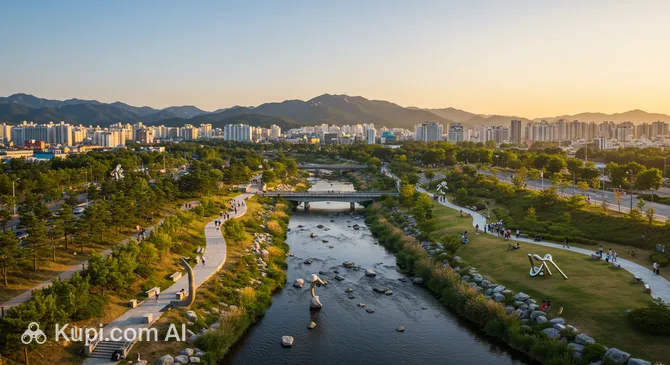
The main attractions of Anyang are concentrated around its green zones and cultural spaces. One of the most popular recreational spots is Pyeongchon Central Park. This modern space in the heart of the new district is where locals gather for sports, walks by the fountains, and seasonal festivals. The park is famous for its open spaces and cozy alleys, perfect for an evening promenade.
Pyeongchon Central Park. Illustration.
Source: Kupi.com AI
Traveler photos:
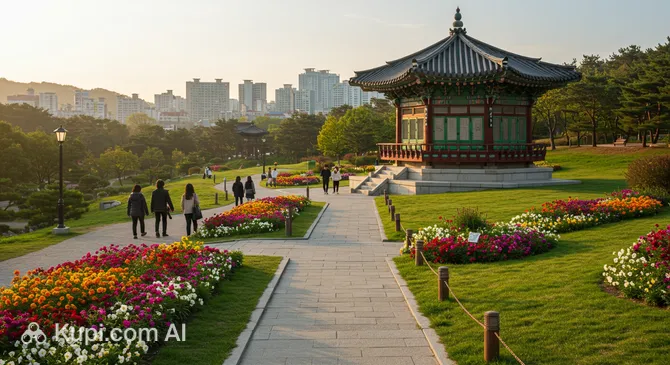
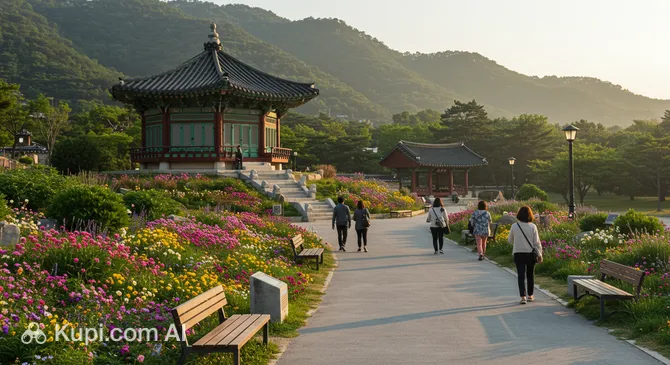
If you are looking for peace and solitude, it is worth visiting Jayu Park (Freedom Park). It is located on a hillside and offers excellent views of the city skyline. Here you will find memorials and sculptural compositions, while dense vegetation provides pleasant shade on hot days. For residents of neighboring quarters, Sanbon Central Park is also a significant spot; although it is a bit further away, it remains an important leisure center with well-kept landscapes.
Jayu Park. Illustration.
Source: Kupi.com AI
Traveler photos:
In addition to the parks, the city's cultural landscape is complemented by historical treasures such as the 9th-century Jungchosaji temple and unique ancient flagpoles in the Manan-gu district, recognized as national treasures. Fans of contemporary art should definitely check out Anyang Art Park, where landscape design meets works by world-class artists, turning an ordinary walk into an exciting quest to find art objects among forest trails.
Local Cuisine
The gastronomic scene in Anyang offers a classic variety of Korean cuisine with an emphasis on freshness and traditional recipes. As in all of South Korea, hearty dishes such as bibimbap (rice with vegetables and meat), various soups, and grilled meats are popular here. Historically, grapes are considered a special highlight of the city, so you can find unique desserts and drinks based on them in local shops.
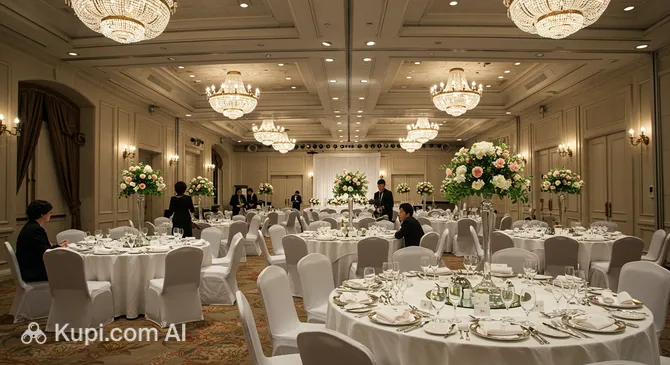
To experience European and signature cuisine in an elegant setting, visit Santa Lucia restaurant. This establishment is famous for its menu and atmosphere, suitable for formal dinners. If you want to feel the local flavor, stop by Gunpo Restaurant, where preference is given to time-tested Korean specialties. Locals often spend evenings in small cafes near the subway, where street food—from spicy tteokbokki rice cakes to crispy twigim—is always top-notch.
Santa Lucia. Illustration.
Source: Kupi.com AI
Traveler photos:
The city's main culinary hubs are located in the Manan-gu and Dongan-gu districts. Here you can find both traditional markets with their unique aroma of spices and modern food courts. For those who want not only to taste but also to learn, culinary masterclasses are held in the city, where experienced chefs teach the art of kimchi fermentation and the proper combination of ingredients in Korean dishes. Regardless of your preferences, Anyang's gastronomy will leave only the most pleasant impressions.
Travel Tips
Preparing for your trip to Anyang will be easier with our practical tips. This city warmly welcomes guests, but knowing local peculiarities will help you feel at home here.
Clothing by season: Summer in the region is hot and humid, so take light clothes made of natural fabrics. Winters are cold and dry—a warm jacket is mandatory. For hiking in the Surisan or Gwanaksan mountains, bring comfortable shoes with good grip.
Transport hack: Buy a T-money card immediately upon arrival. It works everywhere: on the subway, buses, and even in taxis. Keep in mind the rush hours (7–9 AM and 5–7 PM) when transport is packed with commuters.
Finances: The official currency is the South Korean won. Cards are accepted almost everywhere, but for markets and small shops, it's better to have some cash. You can withdraw money from ATMs marked Global ATM.
Communication and internet: Free Wi-Fi is available in many parks and cafes. For constant network access, purchase a tourist SIM card at the airport. Install translator apps, as not everyone knows English outside of hotels.
Health and safety: The city is very safe, but in summer, monitor air pollution levels (smog) and wear a protective mask if necessary. Pharmacies are easy to find by the sign 약 (Yak).
Etiquette: Greet locals with a slight bow. Pass money or items with two hands—it's a sign of respect. In temples, maintain silence and do not wear overly revealing clothing.
What to avoid: Do not leave tips in restaurants and taxis—this is not customary in Korea and may even embarrass the staff. Try not to speak loudly on public transport.
Extra tip: Visit Anyang Art Park on weekdays. On weekends, there are many locals, and taking beautiful photos without people in the frame will be much harder.
Following these simple rules will make your journey to Anyang comfortable and filled only with positive emotions. We wish you unforgettable discoveries in this amazing corner of Korea!
Entertainment & Nightlife
Evening life in Anyang is more relaxed and local in character compared to the neon-lit Seoul. Main activities are concentrated in the Manan-gu and Dongan-gu districts, where numerous cafes, traditional Korean pubs (hofs), and karaoke rooms (noraebangs) open after the workday. It is in these establishments that you can feel the true atmosphere of the city, watching the locals unwind.
For those who prefer elegant recreation with a beautiful view, Santa Lucia restaurant is an excellent choice. This place is often chosen for romantic dinners or special meetings. If you want a more casual atmosphere and authentic cuisine, visit Gunpo Restaurant, which serves traditional dishes in a style familiar to Koreans. Foodies should also pay attention to the food courts in major retail outlets, such as the Pyeongchon branch or shopping centers near subway stations.
Daytime entertainment in the city is closely linked to art and nature. Be sure to visit Anyang Art Park, which features dozens of open-air installations, galleries, and pavilions. Safety in the city is at a very high level, so even night walks along the well-lit central streets and parks are perfectly comfortable. If your soul craves large-scale clubs and concert venues, the high-speed subway will take you to the capital's busiest districts in just 30 minutes.
Parks & Museums
The natural surroundings of Anyang are one of its main assets. The city is squeezed between mountain ranges, providing residents and tourists with plenty of opportunities for active recreation. Be sure to visit Anyang Art Park. This is a unique place where the forest has been transformed into an open-air gallery: dozens of sculptures and architectural installations are set along the route, seamlessly integrated into the landscape. You'll also find the ancient Yeombul temple tucked away on a mountainside here.
For those interested in local history, a visit to the Anyang History Museum in the Galsan-dong district is a must. Its exhibits cover the city's journey from ancient settlements to a modern industrial center, including artifacts from the Goryeo and Joseon eras. Contemporary art lovers should stop by the city's Art Museum, which regularly hosts exhibitions by Korean and foreign artists reflecting current trends in East Asian culture.
Among the city's parks, Pyeongchon Central Park stands out—a favorite vacation spot for citizens with well-kept lawns and fountains. Another green oasis is Jayu Park, located on an elevation offering a panoramic view of the urban quarters. These parks serve as a great place to take a break from urban noise and observe the leisurely life of local residents.
Pyeongchon Central Park. Illustration.
Source: Kupi.com AI
Traveler photos:
Getting Around
The public transport system in Anyang is thoughtfully designed and integrated into the general network of the capital region. The main means of travel is the subway, represented by Line 1 (dark blue) and Line 4 (light blue). Line 1 connects the city with Seoul's main station and southern suburbs, while Line 4 leads to popular areas of the capital, such as Myeong-dong and Dongdaemun. Anyang Station is the main transport hub where many routes intersect.
The city's bus network is equally developed: blue, green, and red buses run between all districts and provide connections to neighboring cities. To pay for travel, it's most convenient to use a single T-money card, which can be bought and topped up at any convenience store (C&U, GS25). The card provides significant discounts when transferring between the subway and bus if made within 30 minutes. The cost of a single trip is approximately 1,250–1,500 won.
For traveling in comfort, you can always use a taxi, which is easy to call through the KakaoTaxi app or hail on the street. Cyclists will enjoy the equipped paths along the Anyangcheon Stream, although traveling deep into the city will require good physical shape due to the hilly terrain. It is important to remember that during morning (07:00–09:00) and evening (17:00–19:00) hours, public transport can be very crowded due to the huge flow of people commuting to work in Seoul.
Accommodation
Accommodation options in Anyang are primarily geared toward business travelers, expats, and those looking for a more affordable alternative to Seoul's expensive hotels. Mid-range hotels offering quality service, modern rooms, and proximity to transport hubs are concentrated in the central Manan-gu and Dongan-gu districts. There is also a well-developed network of motels, which in Korea are often clean and well-equipped mini-hotels.
For tourists planning a long stay, apartments and guesthouses located in new quarters like Pyeongchon are a convenient option. When choosing accommodation, it's worth focusing on proximity to subway stations (such as Anyang or Beomgye), which will allow you to reach the capital center in half an hour. Budget accommodation here starts at around 50,000 won per night, which is significantly more affordable than in Seoul's popular tourist districts.
If you want to stay in a place with good infrastructure, look for properties near major shopping centers like Newcore Outlet Pyeongchon. It is recommended to book accommodation in advance, especially during local festivals or major holidays like Chuseok. Although Anyang is predominantly a residential city, its hotel stock offers a decent level of comfort for any budget.
Nearby Cities
Due to its location in the heart of the capital region, Anyang serves as an excellent starting point for exploring surrounding cities. In literally 15–30 minutes, you can find yourself in places with completely different atmospheres—from ultra-modern metropolises to historical centers.
Just 3 kilometers away is the neighboring city of Gunpo, which is often perceived as one with Anyang. A little further is Uiwang, famous for its picturesque Baegun Lake and beautiful parks for family recreation. If you are interested in nature and culture, head to Gwacheon, home to the Seoul Zoo and the Seoul Land amusement park. Also, don't miss the opportunity to visit Gwangmyeong with its unique tourist cave or the industrial port city of Ansan, known for its multicultural district.
Of course, the main destination for a day trip remains Seoul, which can be reached by regular subway. Exploring the surroundings of Anyang, you will see the versatility of Gyeonggi Province, where modern technology sits alongside quiet natural corners. Each of these destinations is easily accessible and promises many new experiences.
Shopping & Souvenirs
Shopping in Anyang is a combination of giant modern shopping centers and colorful traditional markets. Main retail activity is concentrated around major subway stations and in new residential areas. Here you can find everything from the latest Korean cosmetics and electronics to high-quality clothing from local brands at very reasonable prices.
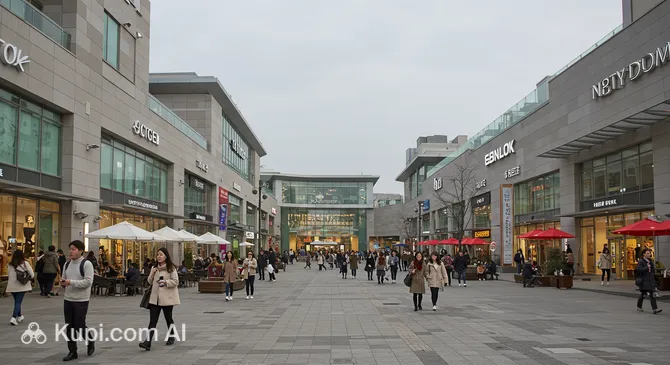
The main place for large-scale shopping is the Pyeongchon area. Here you'll find Newcore Outlet Pyeongchon, offering a wide selection of brands with pleasant discounts. For daily needs and high-quality Korean products, the Pyeongchon branch of the popular E-mart chain is ideal. If you want a more traditional atmosphere, head to the markets in the Manan-gu district, where you can buy fresh fruit (don't forget the local grapes!) and authentic souvenirs.
Newcore Outlet Pyeongchon. Illustration.
Source: Kupi.com AI
Traveler photos:
As gifts from Anyang, people often bring ceramics, replicas of historical artifacts from local museums, or works by modern masters from the Art Park. Shops usually operate from 10:00 AM to 9:00 PM or 10:00 PM, and major shopping centers accept all international cards. Foreign tourists at large malls can use the Tax Free system, processing a tax refund right on the spot or at the airport before departure.