Support

Yeoju

About

Yeoju is a charming city located in the heart of Gyeonggi Province, on the picturesque banks of the Namhangang River. It is a place where modernity harmoniously intertwines with a rich history, and the tranquility of nature coexists with the dynamic pulse of urban life.
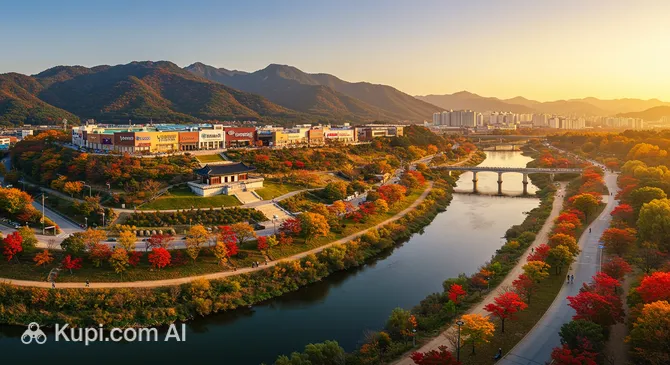
Yeoju. Illustration.
Source: Kupi.com AI

With a population of about 110,000, Yeoju maintains an atmosphere of provincial comfort while remaining a significant cultural center in South Korea. Thanks to its convenient location—about an hour and a half drive from Seoul—the city is perfect for both short getaways from the capital and leisurely travels across the country.

The city is famous for its craft traditions, especially in the field of ceramics, and is renowned for its unique festivals that attract many visitors every year. History buffs can explore ancient temples and royal tombs, nature lovers can enjoy walks through well-maintained parks, and shopping enthusiasts will appreciate one of the country's largest outlet malls.

Yeoju offers authentic experiences and a rare opportunity to see Korea beyond the standard tourist routes. If you are looking for new discoveries and value culture and hospitality, this enchanting city will be a wonderful addition to your journey.

You can find more interesting facts on the Yeoju city history page.
Weather Overview

The weather in Yeoju is characterized by distinct seasonal changes. Winters here are cold, with average January temperatures around -2.1°C, sometimes dropping to -6.5°C. Spring brings a gradual warming: in March, the average temperature is about 6.8°C, and by May, it reaches 17.2°C. Summer in Yeoju is warm and humid. July and August are the warmest months, with average temperatures around 25.4°C - 25.6°C and maximum values reaching 29°C. In autumn, the temperature gradually decreases, from a comfortable 21°C in September to 6.5°C in November.

Expect warm summers with periodic rains, particularly intense in July (about 10 mm of precipitation, 18 rainy days) and August (about 8 mm, 17 rainy days), and cold, relatively dry winters with little precipitation (about 1 mm per month). For more detailed monthly weather information, you can visit the Yeoju weather page.

Average monthly temperature

Average monthly precipitation

Interesting Facts

Yeoju is more than just a charming city in Gyeonggi Province. Beneath its modern exterior and rich history lie curious details that give it a special charm, attracting travelers seeking something beyond standard tourist routes.

Yeoju Museum. Illustration.
Source: Kupi.com AI

Traveler photos:

  • Yeoju rightfully holds the title of the ceramics capital of South Korea. Every year, it hosts the vibrant Yeoju Ceramic Festival, attracting masters and pottery enthusiasts from all over the country and the world. Guests can not only admire exquisite pieces but also try their hand at the pottery wheel.

  • In the vicinity of Yeoju lies Silleuksa Temple—notable for being the only Buddhist monastery in Korea located directly on a riverbank. Founded in the 7th century, it is famous for its peaceful atmosphere and picturesque views of the river and surrounding forests.

  • The city is a guardian of royal heritage: it is home to the majestic Yeongneung and Nyeongneung Royal Tombs, the final resting places of Joseon Dynasty rulers, including King Sejong the Great. This significant historical complex is a UNESCO World Heritage site and is striking for its thoughtful landscape design.

  • For bargain hunters, Yeoju is a real magnet. It is home to one of the largest outlet centers in the country—Yeoju Premium Outlets. This destination attracts shopaholics with the opportunity to purchase goods from leading global brands at significant discounts.

How to Get There

You can reach the city of Yeoju in various ways, combining air and land transport. Thanks to South Korea's well-developed transport network, the trip is straightforward even if you are arriving from afar. You can find out more about how to get to Yeoju by exploring all available routes and transfer options.

Yeoju does not have its own airport, so travelers typically fly into one of the major aviation hubs in neighboring cities and then continue their journey by bus or rental car. The closest airport to the city is Cheongju Airport (IATA: CJJ), located in Cheongju, about 65 km from Yeoju. The trip from there by taxi or bus takes about 2 hours. This is a convenient option for domestic flights or flights from certain Asian countries.

For most international tourists, the main gateway to the country is Incheon International Airport (IATA: ICN) in Seoul, located approximately 107 km from Yeoju. Despite the distance, excellent transport links allow you to reach your destination in about 3 hours. Another popular option is Gimpo Airport (IATA: GMP) in Seoul, which is 81 km from Yeoju; the journey from there takes about 2 hours and 20 minutes.

For your convenience, here is a summary of the main airports:

AirportPassenger trafficDistance
Wonju Airport205 27932 km
Cheongju Airport4.6 mln65 km
Gimpo International Airport23.0 mln81 km
Incheon International Airport71.2 mln107 km
Daegu International Airport3.3 mln180 km

If you prefer rail transport, keep in mind that major high-speed lines pass through neighboring transport hubs. One of the most convenient hubs is Gwangmyeong Station (IATA: XWU), located in Gwangmyeong, about 69 km from Yeoju. From here, you can reach Yeoju by taxi or bus in about 2 hours. The station serves KTX high-speed trains, making it a great option for those traveling from the south of the country while bypassing central Seoul.

Daejeon Station in the city of Daejeon (about 107 km from Yeoju) is also an important transport hub. Although the distance is greater, the high passenger volume and frequency of services make it a significant transfer point for travelers from other regions. Yeoju itself also has a train station on the Gyeonggang Line, connecting the city to the capital region's transport system, which is the most convenient way for the final leg of the journey from Seoul or its surroundings.

Below is a table with information on the nearest major railway stations:

StationPassenger trafficDistance
Gwangmyeong Station12.4 mln69 km
Daejeon Station18.6 mln107 km
Dongdaegu Station20 mln180 km
Jinju Station242 km
Gwangju Songjeong Station3.4 mln251 km

Main Attractions

The city of Yeoju, located in Gyeonggi Province, offers several interesting places worth visiting. Here, you will find attractions for both history and culture lovers and those who appreciate nature.

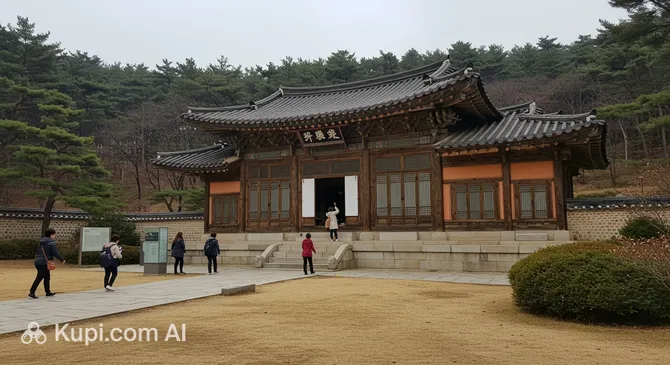
One of the city's key cultural sites is the Yeoju Museum. This museum invites visitors to immerse themselves in the region's history and traditions, showcasing artifacts and exhibits that tell the story of Yeoju's past. It is an excellent place for those who want to gain a deeper understanding of the local culture and heritage.

Yeoju Museum. Illustration.
Source: Kupi.com AI

Traveler photos:

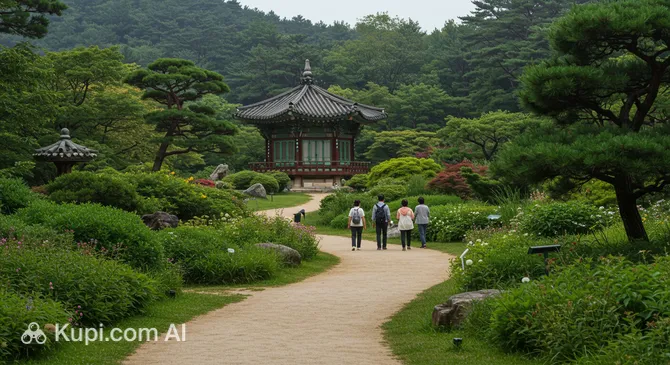
For nature lovers and those seeking peaceful walks, a visit to the Hwanghaksan Arboretum in Yeoju is highly recommended. This picturesque arboretum is spread across the slopes of Mount Hwanghaksan and features an extensive collection of various plants, trees, and flowers. Here, you can enjoy the silence, fresh air, and beautiful landscapes, making it an ideal place to escape the city bustle.

Yeoju Hwanghaksan Arboretum. Illustration.
Source: Kupi.com AI

Traveler photos:

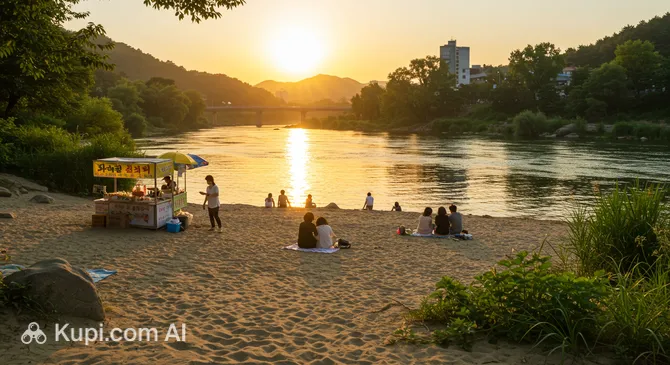
Another notable spot is Geummo-re Eunmo-re Riverside Park in Yeoju. While Yeoju is not a coastal city in the traditional sense, this riverside area on the banks of the Namhangang River offers plenty of waterfront relaxation. You can stroll along the sandy shore, enjoy the views, and spend time outdoors, especially during the warmer months.

Yeoju Geummorae Eunmorae Beach. Illustration.
Source: Kupi.com AI

Traveler photos:

These attractions provide just a general idea of what Yeoju has to offer. The city is also famous for its ceramics and related festivals, which add another fascinating layer for tourists to explore.

Local Cuisine

The gastronomic scene in Yeoju is inextricably linked to its greatest pride—rice. This is where one of the best varieties of Korean rice is grown, serving as the foundation for many traditional dishes. Be sure to try bibimbap—the famous rice bowl with vegetables, meat, and spicy gochujang sauce, prepared according to local recipes. Equally popular are tteok (rice cakes), which are often served on holidays and are an important part of Korean culinary culture.

Beyond rice dishes, Yeoju's cuisine will delight gourmets with a variety of flavors. It is worth tasting dishes made from fresh river fish, as well as aromatic and hearty soups that are especially good in cool weather. Many local establishments specialize in grilled dishes. If you want to explore street food, check out local markets like the Yeoju Hangeul Market. There, you can try spicy hotteok (pancakes), sweet rice balls, and appetizing japchae (sweet potato starch noodles with vegetables).

Gamseong Sikdang. Illustration.
Source: Kupi.com AI

Traveler photos:

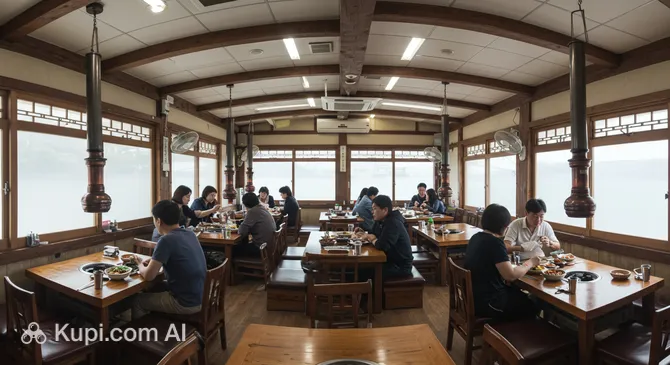
The food culture in Yeoju involves both visiting cozy traditional restaurants and experiencing street food. Locals and tourists often choose small family-run establishments where you can enjoy authentic Korean cuisine. One such place to appreciate local culinary traditions is Gamseong Siktang. The restaurant Yangdeumbuk Original Yangpyeong Haejangguk, known for its hearty soups, is also popular. Don't miss the chance to visit food fairs often held during city festivals, such as the ceramics festival. This is a great opportunity to try seasonal dishes and rare delicacies.

Regarding drinks, both alcoholic and non-alcoholic options are popular in Yeoju, as in all of South Korea. For alcoholic beverages, you should try soju (rice liquor) and makgeolli (a sweet, sparkling rice wine). Among non-alcoholic drinks, various types of traditional Korean tea are common, as well as refreshing rice-based drinks like sikhye (sweet rice punch) or fruit juices.

Travel Tips

Planning a trip to charming Yeoju? Excellent! To ensure your journey through this cozy South Korean city is as comfortable as possible and leaves only pleasant impressions, we have prepared some practical tips for you.

  1. Clothing and Items by Season: The climate in Yeoju, as in all of South Korea, is distinctly seasonal: hot and humid summers, cold and snowy winters, and very pleasant springs and autumns. In summer, bring light, breathable clothing; in winter—warm layered clothing, including a hat, gloves, and a scarf. In spring and autumn, clothing that is easy to layer is useful. Be sure to bring comfortable shoes for walking around the city and its surroundings. Don't forget a universal adapter (Korea uses Type F and C sockets, 220V). When visiting temples, such as the famous Silleuksa, choose modest clothing that covers your shoulders and knees.
  2. Getting Around the City: Yeoju is a relatively small city, so buses are the main form of public transport. The network is well-developed enough to reach major areas. Taxis are also available; you can use the popular Kakao T app to call a car, though hailing a taxi on the street is usually easy as well. Renting a car can be useful if you plan to explore Gyeonggi Province, but it's not a necessity for Yeoju itself. Note that most road signs will be in Korean.
  3. Money and Payments: The national currency is the South Korean Won (KRW). You can exchange currency at banks or official exchange offices; airport rates are usually less favorable. Credit and debit cards (Visa, Mastercard) are widely accepted in most shops, restaurants, and hotels. However, small stalls or markets may prefer cash. Make sure your bank knows about your trip to avoid card blocks. ATMs are easy to find; look for those labeled "Global ATM" to withdraw cash from foreign cards. An approximate daily budget per person (excluding accommodation) can range from 70,000 to 150,000 won. Tipping is not customary in South Korea.
  4. Health and Safety: Pharmacies (marked with the sign "약") are easy to find in Yeoju, but not all are open 24/7. Medical care in South Korea is of a high standard; be sure to get travel insurance before your trip. In emergencies, call 119. Yeoju, and the country in general, is considered very safe. Observe standard precautions: keep an eye on your belongings in crowded places, but there are no serious dangers here. You don't need to worry about specific "unsafe" neighborhoods in Yeoju.
  5. Language and Connectivity: The official language is Korean. English proficiency among the local population can be limited, especially outside tourist zones and among the older generation, though younger people more frequently speak English. Learn a few basic phrases: "Annyeonghaseyo" (Hello), "Kamsahamnida" (Thank you), "Mianhamnida" (I'm sorry). You can purchase a local SIM card for mobile internet and calls at the airport upon arrival or at mobile stores and large supermarkets in the city. Wi-Fi is available everywhere: in cafes, shopping centers, sometimes on public transport, and even on the streets. We recommend installing the Naver Maps app (it's more accurate than Google Maps in Korea) and Papago (for translation).
  6. Etiquette: When greeting someone, especially those older or in a higher position, it is customary to give a slight bow. Handshakes are also common; sometimes Koreans offer their right hand while supporting the elbow with their left hand as a sign of respect. In public places, especially on transport, try to keep quiet and avoid talking loudly on the phone. Show respect to elders—this is a very important part of Korean culture. If offered something (like a drink), it is polite to accept it with both hands.
  7. What to Avoid: Try not to point at people or objects with one finger—it's better to use an open palm. Never stick your chopsticks vertically into a bowl of rice, as this resembles incense placed for the deceased and is considered a very bad sign. Also, avoid writing people's names in red ink, as this is traditionally associated with those who have passed away.
  8. Specialty of Yeoju: The city is famous for its high-quality rice, sweet potatoes (goguma), and traditional ceramics. Be sure to try local rice dishes and check out the ceramic shops—these make excellent authentic souvenirs. Yeoju is also known for its large outlet centers (e.g., Yeoju Premium Outlets), so shopping lovers will find plenty of interest here.

We hope these tips help you better prepare for your trip to Yeoju and enjoy every moment of your stay. This city is sure to give you warm memories!

Entertainment & Nightlife

Yeoju, a charming city in Gyeonggi Province, offers its guests not only a rich history and scenic landscapes but also opportunities for pleasant evening leisure. While the nightlife here may not be as bustling as in South Korea's major metropolises, it possesses its own coziness and local flavor, allowing you to relax after a busy day.

Evening entertainment in Yeoju is mainly centered around restaurants and bars where you can enjoy delicious Korean cuisine and spend time in good company. Most venues for evening relaxation are typically located in the city center or near shopping streets. The atmosphere in such places is generally calm and friendly, attracting both locals and tourists. There is no strict dress code; the focus is on comfort and a good mood. Many restaurants are open until late evening, and some bars operate past midnight, especially on weekends.

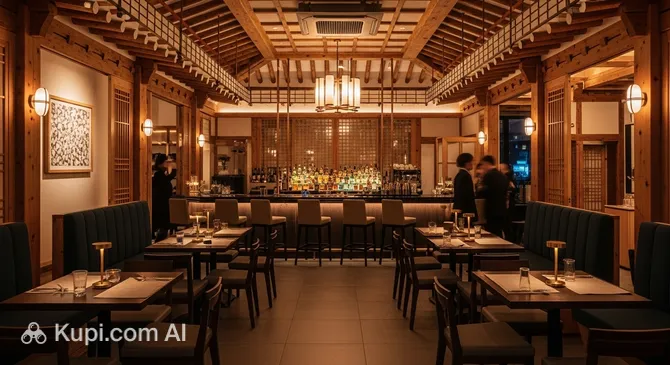
Among the places for a pleasant evening, the Yeongyang Garden bar is worth noting, offering a variety of drinks in a cozy setting. If you prefer to start your evening with dinner, Gamseong Siktang is an excellent choice for experiencing local cuisine. Overall, prices in Yeoju establishments may be slightly lower than in larger cities, making evening relaxation more affordable.

Yeonyang Garden. Illustration.
Source: Kupi.com AI

Traveler photos:

When planning an evening out, it is best to aim for after 7:00 PM or 8:00 PM when restaurants and bars become more lively. For getting around the city at night, a taxi is the most convenient option. Yeoju is considered a safe city, but as with anywhere, you should take standard precautions, especially when walking alone late at night. Keep your valuables with you and avoid poorly lit or deserted areas.

During the day, Yeoju also offers interesting leisure options. History and culture enthusiasts can visit the Yeoju Museum, which houses exhibits detailing the region's rich past. For those who prefer the outdoors, the Hwanghaksan Arboretum in Yeoju is a wonderful place for a stroll to enjoy the beauty of Korean flora. Although the city lacks large nightclubs or dedicated nightlife districts, its cozy venues and tranquil atmosphere provide all the conditions for a pleasant end to the day.

Parks & Museums

The city of Yeoju offers its guests not only scenic natural spots for relaxation but also the chance to immerse themselves in the rich culture and history of the region through its museums and historical sites. Everyone will find something interesting here, whether it's a quiet stroll through an arboretum or an encounter with artifacts of the past.

For nature lovers, the Hwanghaksan Arboretum in Yeoju will be a true discovery. This expansive arboretum offers walks among diverse plant collections, themed gardens, and a peaceful atmosphere ideal for escaping the city's hustle and bustle. You can spend hours wandering the well-kept paths, enjoying the beauty of nature and fresh air, making it a wonderful place for family vacations or solitary meditation.

Yeoju Hwanghaksan Arboretum. Illustration.
Source: Kupi.com AI

Traveler photos:

Another notable spot for outdoor relaxation is Geummo-re Eunmo-re Riverside Park in Yeoju. Located on the riverbank, this area is a popular spot for picnics, water activities in the warm season, and simply enjoying the picturesque views. It is a great place to unwind and spend time with friends or family.

Yeoju Geummorae Eunmorae Beach. Illustration.
Source: Kupi.com AI

Traveler photos:

To learn about the history and culture of Yeoju, you should visit the Yeoju Museum. The museum's exhibits tell the story of the region's past, its traditions, art, and prominent figures. It is an excellent place to gain a deeper understanding of the local character and the rich heritage of this part of South Korea.

Yeoju Museum. Illustration.
Source: Kupi.com AI

Traveler photos:

In addition to the mentioned museums, Yeoju and its surroundings boast significant historical sites. For example, the region is known for its ties to the Joseon royal dynasty, and you can find royal tombs here, some of which are recognized as UNESCO World Heritage sites. Exploring these locations will allow for a deeper dive into Korean history.

For an authentic experience, don't limit yourself to just the main attractions. Visit local Yeoju markets, where you can taste traditional Korean dishes, buy fresh produce, and find unique handmade souvenirs. Also, while exploring the city, you might stumble upon small, charming temples or parks not listed in tourist brochures, offering peace and beautiful views.

Getting Around

Getting around Yeoju and its surroundings is quite convenient thanks to a well-developed public transport system. The city's transport network is primarily based on buses that connect various districts and provide links to nearby settlements. For longer distances, including Seoul, residents and visitors can use the Gyeonggang Line, which has a station in Yeoju.

The main mode of transport within Yeoju is the city bus. The route network covers most areas of the city and its suburbs. Buses run according to a schedule, which can be checked at stops or using popular Korean navigation apps like Naver Maps or KakaoMap. These apps also help plan the optimal route and show real-time arrival info.

To pay for fares on buses and the Gyeonggang Line, it is recommended to use T-money or Cashbee transport cards. These cards can be purchased and topped up at most convenience stores (konbini), at subway stations, and in special vending machines. Paying by card is not only more convenient but also more economical, as it often provides a discount on the fare and the possibility of free or discounted transfers between different modes of transport (e.g., from a bus to the Gyeonggang Line or another bus) within a certain timeframe. Single-trip tickets are also available but are less practical for tourists planning to travel a lot.

Using public transport in Yeoju is simple. When entering a bus or a Gyeonggang Line station, you must tap your transport card against the validator. In some buses, you need to tap the card again when exiting for the correct fare calculation, especially if the route uses distance-based pricing. Public transport usually begins operating early in the morning and ends near midnight, but exact schedules can vary by route and day of the week.

In addition to public transport, other modes of travel are available in Yeoju. Taxis can be easily found at designated stands or called via an app (such as Kakao T). This is a convenient, though more expensive, option, especially for night trips or when traveling with luggage. In some parts of the city, especially near tourist attractions or parks, bicycle rentals may be available, providing a great way for a leisurely exploration of the area.

Accommodation

In the city of Yeoju, travelers can find a variety of accommodation options to suit different preferences and budgets. Choices include more economical options, such as guesthouses or small motels, as well as comfortable mid-range hotels. You should also consider the possibility of renting an apartment, especially if you are planning a long stay or traveling with a family and value a homey atmosphere.

When choosing a place to stay in Yeoju, look for areas near transport hubs or popular tourist spots to make moving around the city easier. For example, neighborhoods close to attractions like the Yeoju Museum or the scenic Hwanghaksan Arboretum in Yeoju may offer convenient lodging. While specific examples of famous hotels were not provided in the available data, the general range of options is quite broad.

Yeoju Museum. Illustration.
Source: Kupi.com AI

Traveler photos:

To ensure the best selection and prices, especially if your trip to Yeoju coincides with the peak tourist season or major local festivals and events, it is recommended to book your accommodation in advance. This approach helps avoid situations where all suitable options are already occupied and allows you to choose the best price-to-quality ratio.

The price range for accommodation in Yeoju varies from budget to mid-range and higher categories, depending on the level of comfort, location, and services provided. Booking is most often done through popular international and local online platforms that offer a wide choice of options and the ability to compare prices. You can also consider direct booking through official hotel websites, if available, which can sometimes provide access to special offers.

Nearby Cities

For those looking to explore the surroundings, Yeoju serves as an excellent starting point for day trips to several interesting nearby locations:

Several fascinating cities are located near Yeoju, perfect for day outings. For instance, Seoul, the dynamic capital of South Korea, beckons travelers with its majestic palaces, modern skyscrapers, and endless shopping opportunities. Suwon attracts history buffs with its famous Hwaseong Fortress, a UNESCO World Heritage site. And Icheon, known as the Korean ceramics capital, offers a unique experience with traditional pottery and the chance to purchase exquisite pieces.

CityPopulationDistance
Icheon1 076 36917 km
Wonju330 85426 km
Eumseong10 07740 km
Chungju211 00542 km
Anseong194 76546 km

These nearby destinations provide a glimpse into the diverse culture and landscapes of the region. A trip to any of these cities will bring new impressions and complement your journey through South Korea.

Shopping & Souvenirs

Yeoju, known for its rich cultural traditions and scenic nature, offers tourists an authentic shopping experience, far from the bustle of the megacities. The city is especially famous for its ceramics, which are a vital part of its heritage. You can also find high-quality local agricultural products here, including its renowned rice.

The main shopping activity in Yeoju is concentrated in the central part of the city, where you can find various shops ranging from small boutiques to stores with local goods. A stroll through the main streets will allow you to explore the selection and feel the local flavor. Specialized ceramics shops are often located in districts historically associated with the craft.

Yeoju does not have the giant shopping malls characteristic of larger South Korean cities. However, the city is famous for one of the largest outlet centers in the country—Yeoju Premium Outlets, where many international and Korean brands are presented with discounts. For daily purchases, the city has smaller shopping centers and supermarkets.

For those who want to immerse themselves in a real Korean atmosphere and purchase fresh products or unique local items, the traditional markets of Yeoju are worth a visit. For example, the Yeoju Hangeul Market offers a wide selection of goods: from fresh fruits and vegetables to clothing, household supplies, and street food. You can also find handmade souvenirs here.

The main souvenir from Yeoju is, without a doubt, ceramics. The city is a hub for Korean pottery, so you can find items for every taste—from traditional vases and tableware to modern designer pieces. It is also worth looking at products made from local rice (such as rice wine or sweets) and other traditional Korean crafts.

Most shops in Yeoju are typically open from 10:00 or 11:00 AM until 8:00 or 9:00 PM. Traditional markets may start operating earlier. Large retail outlets and malls may have extended hours, especially on weekends. Most shops and restaurants accept credit cards (Visa, MasterCard), but cash (Korean Won) may be preferred in markets or small stalls.

International tourists in South Korea can take advantage of the Value Added Tax (VAT) refund system (Tax Free) when making purchases over a certain amount at participating stores. These are usually stores with a "Tax Free" or "Tax Refund" logo. To process a refund, you must present your passport and fill out a special receipt. The refund can be collected at the airport when leaving the country or at specialized refund points in the city.

Reached the end of the page?

That means the route is fully explored