Support

Pyeongchang

About

Pyeongchang is a true gem nestled among the mountains of South Korea, located in Gangwon Province. Situated at an altitude of over 600 meters above sea level, this city enchants visitors with its unique atmosphere of tranquility and harmony with nature. It is surrounded by majestic peaks and dense forests, featuring picturesque landscapes that seem designed for contemplation and inspiration.

Pyeongchang's climate is characterized by clean air, cool summers, and snowy winters, making it an ideal destination for nature lovers and outdoor enthusiasts year-round. Despite having a population of just under 10,000 people, Pyeongchang is world-renowned as a major center for tourism and winter sports.
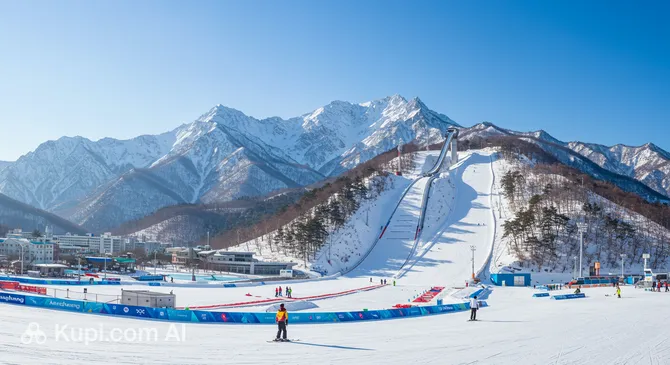
Pyeongchang. Illustration.
Source: Kupi.com AI

Pyeongchang gained international fame for the XXIII Winter Olympic Games held here in 2018. Thanks to this event, the city developed modern infrastructure, including world-class ski resorts like Alpensia and Yongpyong, which attract athletes and tourists from around the globe. Beyond sports facilities, Pyeongchang is famous for its ancient Buddhist temples, such as Woljeongsa, which offers an immersion into the country's spiritual culture, and scenic national parks like Odaesan.

Pyeongchang is more than just a place for skiing. It is a city where you can feel like part of living Korean culture, enjoy the silence and beauty of mountain landscapes, try unique local dishes, and discover amazing natural wonders. A trip here is sure to provide unforgettable impressions and a boost of positive energy.

You can find more interesting facts on the history of Pyeongchang page.
Weather Overview

The weather in Pyeongchang displays a distinct change of seasons. Winter months, from December to February, are characterized by low temperatures: average values range from -4.2°C in January to -1.3°C in February, with minimal precipitation, about 1 mm per month. Spring brings gradual warming: in March, the average temperature is around 5.0°C, reaching 15.1°C by May, with moderate precipitation.

Summer in Pyeongchang is warm and humid. Average temperatures in June, July, and August range from 19.8°C to 23.3°C. The highest amount of rainfall occurs in July (10 mm, 20 rainy days) and August (9 mm, 19 rainy days). In autumn, from September to November, the temperature gradually decreases from 18.6°C to 4.8°C, and precipitation intensity drops. Expect warm summers with periodic rain, especially in July and August, and cold, relatively dry winters. You can learn more on the Pyeongchang climate page.

Average monthly temperature

Average monthly precipitation

Interesting Facts

In addition to its global fame as a winter sports capital, Pyeongchang hides many amazing stories and unique corners that are not known to every traveler. Here are just a few curious facts about this charming place:

  • Pyeongchang is home to one of the country's oldest Buddhist temples – Woljeongsa. Its history dates back to the 7th century, and the dense coniferous forest surrounding it in Odaesan National Park creates an indescribable atmosphere of peace and solitude.

  • Every year, the city becomes a magnet for thousands of guests thanks to the famous Trout Festival. The main entertainment here is ice fishing, and the freshly caught fish can be prepared immediately in numerous local restaurants.

  • Pyeongchang is famous not only for its ski resorts but also for its picturesque alpine pastures. At the Daegwallyeong Sky Ranch, you can not only watch grazing cows and sheep but also go horseback riding or even try fresh dairy products made right on the spot.

  • Local residents enjoy sharing tales and legends associated with Odaesan National Park. They say that in the misty morning hours, you might encounter mystical deer, which, according to belief, bring luck to those who see them.

How to Get There

Pyeongchang is located in the mountainous region of Gangwon Province, and you can get here in various ways by combining air and land transport. Since the city does not have its own airport, most tourists arrive via the country's major international hubs and then transfer to high-speed trains or buses. You can find all the ways to get to the city on a separate page, and below we look at the nearest transport hubs.

The main gateway for foreign tourists is Incheon International Airport (IATA: ICN). It is important to note that it is located in the city of Seoul (Incheon), about 172 km away from Pyeongchang. This is the largest aviation hub in the country with huge passenger traffic. The journey from here to Pyeongchang by rental car or direct bus takes about 3–3.5 hours. Another popular option is Gimpo Airport (IATA: GMP), also located in Seoul, approximately 143 km from the resort. It serves many domestic and regional flights. Geographically, the closest is Cheongju Airport (IATA: CJJ) in the city of Cheongju (about 108 km), although it handles fewer international flights.

For clarity, here is a summary of the main airports through which you can plan your route:

AirportPassenger trafficDistance
Wonju Airport205 27939 km
Cheongju Airport4.6 mln108 km
Gimpo International Airport23.0 mln143 km
Daegu International Airport3.3 mln165 km
Incheon International Airport71.2 mln172 km

Rail connections in South Korea are excellent, and many tourists use KTX trains to travel to Pyeongchang. It should be noted that the large hub stations listed below are not in Pyeongchang itself but serve as important transfer points or departure points from other regions. For example, Gwangmyeong Station (IATA: XWU) is located in the city of Gwangmyeong, about 134 km from Pyeongchang. This is a major hub south of Seoul through which many high-speed trains pass. Another important hub is Dongdaegu Station (IATA: XDK) in the city of Daegu (about 166 km from Pyeongchang), which is convenient for those coming from the south of the country. From these stations, you can continue by train to local stations in Pyeongchang (such as Jinbu) or use intercity buses.

Below are major railway stations that may be useful when planning a complex route around the country:

StationPassenger trafficDistance
Gwangmyeong Station12.4 mln134 km
Daejeon Station18.6 mln145 km
Dongdaegu Station20 mln166 km
Jinju Station247 km
Gwangju Songjeong Station3.4 mln286 km

Main Attractions

Pyeongchang, known as South Korea's winter sports capital and host of the 2018 Winter Olympics, offers tourists much more than just Olympic venues. This region in Gangwon Province is rich in natural beauty, cultural treasures, and unique opportunities for relaxation.

Alpensia Resort is a modern year-round complex that served as one of the key hubs during the Olympics. In winter, it attracts skiers and snowboarders, as well as those who want to see the famous ski jumping complex. In summer, Alpensia offers golf courses, the "Ocean 700" water park, and scenic walking trails. Its developed infrastructure, including hotels, restaurants, and shops, makes it a convenient base for exploring Pyeongchang.

Odaesan National Park is a true gem for nature lovers. The park is famous for its dense forests, pristine rivers, and majestic mountain peaks, including Birobong Peak. Numerous hiking trails of varying difficulty allow visitors to enjoy the beauty of Korean nature in any season. The park is especially beautiful in autumn due to the vibrant colors of the foliage.

Woljeongsa Temple is one of Korea's most important Buddhist temples, located within Odaesan National Park. Founded in the 7th century, Woljeongsa impresses with its ancient architecture, peaceful atmosphere, and rich history. Its main attraction is the famous nine-story octagonal stone pagoda dating back to the 10th century, as well as a museum housing Buddhist relics. Visiting the temple is a wonderful opportunity to experience Korea's spiritual culture.

Daegwallyeong Sheep Farm is a charming and very photogenic location popular with families and anyone who loves pastoral landscapes. The farm is spread across rolling hills where sheep graze peacefully. Visitors can feed the animals, walk around the well-maintained grounds, and enjoy breathtaking views. In winter, when the hills are covered in snow, the farm turns into a real winter wonderland.

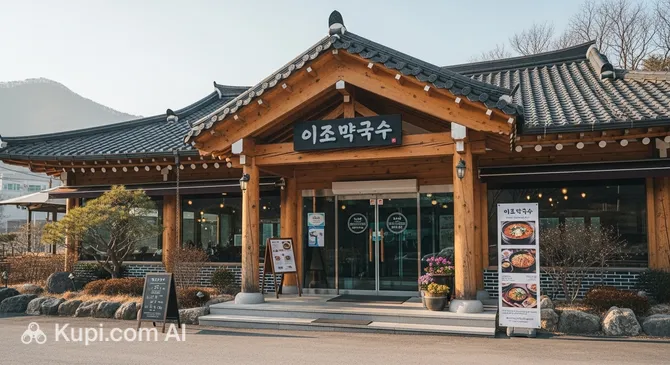
After a busy day of sightseeing in Pyeongchang, be sure to explore the local cuisine. One of the establishments where you can try traditional Korean dishes is the restaurant Icho Makguksu. It specializes in makguksu—cold buckwheat noodles, which is a popular dish in the Gangwon region. It's a great way to end your introduction to Pyeongchang on a delicious note.

Ijo Makguksu. Illustration.
Source: Kupi.com AI

Traveler photos:

Local Cuisine

The gastronomic world of Pyeongchang is a true discovery for foodies, offering the unique flavors of the Gangwon region. One of the main gems of the local cuisine is trout caught in the pristine mountain rivers. It is prepared in a variety of ways: fried, boiled, charcoal-grilled, and, of course, served as delicate sashimi. If your trip coincides with the winter trout festival, you will have the chance not only to enjoy fresh fish but also to participate in ice fishing.

Another point of pride for Pyeongchang is the local potato, known for its excellent taste. Grown on high-altitude slopes, it is used in many dishes: from simple mashed potatoes and appetizing pancakes to hearty soups. Lovers of authentic flavors should pay attention to dishes made from wild herbs and mushrooms gathered in the forests of Odaesan National Park. A piquant soup with mountain herbs or fern salads will give you completely new gastronomic experiences.

The food culture in Pyeongchang is diverse. Locals and tourists alike enjoy visiting both traditional restaurants and lively markets. For example, at the Olympic Market, you can find fresh vegetables, aromatic spices, classic Korean snacks like kimchi and bibimbap, as well as try street food: hot pastries with various fillings, fried fish, and sweet rice cakes. To get acquainted with an iconic dish like makguksu buckwheat noodles, you can visit specialized establishments, such as Icho Makguksu.

Popular beverages include both non-alcoholic and alcoholic options. In hot weather, it is pleasant to refresh yourself with traditional herbal infusions, and in winter, to warm up with a cup of fragrant makgeolli rice wine, which is prepared here according to ancient recipes. For dessert, be sure to try ttok—a traditional Korean rice cake that comes in many different shapes and flavors.

Travel Tips

Planning a trip to Pyeongchang, the heart of winter sports and scenic mountains in South Korea? To ensure your journey goes smoothly and leaves only pleasant impressions, we have prepared a few practical tips. They will help you better navigate the area and enjoy every moment of your stay.

  1. Clothing and Essentials: The climate in Pyeongchang is continental, with cold snowy winters and warm, sometimes rainy summers. In winter, be sure to bring very warm clothing: down jackets, thermal underwear, hats, gloves, and scarves, especially if you plan to ski or snowboard. In summer, light clothes are useful, but a jacket for cool evenings or rain is also worth bringing. Comfortable shoes for walking in mountainous terrain are indispensable year-round. When visiting Buddhist temples, which are numerous around Pyeongchang, choose modest clothing that covers shoulders and knees; you will have to remove your shoes before entering temple buildings. Don't forget an adapter for electrical appliances (South Korea uses Type F sockets, 220V).
  2. Transport: Public transport in Pyeongchang itself is represented mainly by buses connecting key points and resorts. For greater convenience and freedom of movement, especially if you plan to explore the surroundings, consider renting a car (international driving permit required). Taxis are also available but can be more expensive. For travel between cities, KTX high-speed trains are convenient and stop at nearby stations.
  3. Finance: The local currency is the South Korean Won (KRW). Credit cards (Visa, Mastercard) are accepted in most hotels, restaurants, and large stores. However, at small markets or local shops, it's better to have cash. ATMs are widespread, and many serve international cards. An estimated daily budget per person in Pyeongchang can vary: budget travelers can manage on 50,000-70,000 won (guesthouse stay, local food, public transport), while a more comfortable trip with paid attractions and mid-range dining will cost 100,000-150,000 won and up. Tipping in South Korea is generally not practiced and may be received with surprise.
  4. Health and Safety: Pyeongchang is considered a very safe place. Pharmacies are easy to find, but most do not operate 24/7, so it's better to have necessary medications with you. If medical assistance is needed, tourists should visit local clinics or hospitals; having travel insurance is highly recommended. Standard precautions, such as watching your belongings, are always relevant.
  5. Communication: The official language is Korean. In tourist areas, hotels, and major resorts, staff may speak English, but outside of these, English proficiency is limited. Learn a few basic phrases in Korean (e.g., "Annyeonghaseyo" - Hello, "Kamsahamnida" - Thank you)—it will be appreciated by the locals. Wi-Fi is available in many public places, hotels, and cafes. A SIM card with a local number and data can be purchased at the airport or at mobile phone shops. For ease of navigation and communication, install useful Korean apps: Naver Maps or KakaoMap for navigation (Google Maps has limited functionality in South Korea), Papago for translation, and Kakao T for calling a taxi.
  6. Local Etiquette: Koreans value politeness and respect. When greeting, it is customary to bow slightly. When giving or receiving items (money, business cards), use both hands or your right hand supported by your left. It is considered impolite to point at people with your finger. Try not to be loud in public places.
  7. What to Avoid: Try not to discuss political topics loudly, especially those concerning relations with North Korea, unless the locals start the conversation themselves. It is also not customary to leave chopsticks sticking vertically into rice—this is associated with funeral rituals.
  8. Additional Tip: Pyeongchang is not only the former host of the Winter Olympic Games but also a wonderful place for nature lovers. Be sure to visit one of the national parks, like Odaesan, to enjoy magnificent mountain scenery and fresh air. Many Olympic venues are open to the public and offer various activities.

We hope these tips make your trip to Pyeongchang even more comfortable and memorable. Enjoy the beauty of the Korean mountains and the hospitality of the locals!

Entertainment & Nightlife

Pyeongchang, known primarily as a winter sports capital and a picturesque mountain region of South Korea, offers its guests diverse opportunities for relaxation, including evening entertainment. While the nightlife here is not as vibrant as in major metropolises, it is quite possible to find a pleasant place for dinner or a quiet evening, especially in the ski resort areas.

The main focus of evening entertainment in Pyeongchang is centered on restaurants offering both traditional Korean and international cuisine, as well as hotel bars and small cozy establishments. Instead of noisy night clubs operating until dawn, you are more likely to find places for relaxed conversation after a busy day on the slopes or hiking in the mountains. Popular resort complexes like Alpensia or Yongpyong usually have their own infrastructure for evening leisure, including restaurants and bars. The atmosphere in such places is generally casual, and the crowd consists of tourists and outdoor enthusiasts. There is usually no specific dress code.

If you are looking for a place for dinner that can pleasantly extend into the evening, pay attention to local restaurants. For example, one such place is Icho Makguksu, where you can sample regional cuisine. Although there are no dedicated nightlife districts with a high concentration of clubs in Pyeongchang, most tourist-oriented establishments stay open until late evening, especially during the high season.

Ijo Makguksu. Illustration.
Source: Kupi.com AI

Traveler photos:

Practical tips for evening leisure:

The best time to visit evening venues is after 19:00. Average prices can vary: they may be higher in restaurants at major hotels compared to small local cafes. For getting around at night, it is most convenient to use taxis or, if you are staying on a resort's territory, its internal shuttles. Pyeongchang is generally considered a safe place, but standard precautions, especially after dark, are never out of place. You can usually call a taxi through the hotel reception or via mobile apps (if available to tourists).

Regarding daytime entertainment, Pyeongchang offers many outdoor activities: skiing in winter, hiking and visiting national parks in summer. You can also find time to explore local culture, though there are few large museums or theaters. The main focus is on natural beauty and the sports infrastructure remaining from the 2018 Winter Olympic Games.

Parks & Museums

Pyeongchang, globally famous as the host of the 2018 Winter Olympics, offers its guests not only magnificent mountain landscapes and sports facilities but also wonderful opportunities to explore the nature and culture of South Korea. The city and its surroundings are rich in scenic parks and interesting museums that can captivate any traveler.

Among the region's natural gems, Odaesan National Park stands out. It is a vast territory with dense forests, mountain peaks, pristine rivers, and numerous hiking trails of varying difficulty. The park is especially beautiful in autumn when the foliage turns vibrant colors. The famous ancient Woljeongsa Temple is also located here, making a walk through the park culturally enriching as well. For lovers of active outdoor recreation, this place will be a real discovery.

Another popular spot for enjoying nature is the Daegwallyeong Sheep Farm. Although it is a working farm, its picturesque hills covered in lush grass and grazing sheep create an idyllic picture reminiscent of alpine meadows. Visitors can stroll through the grounds, feed the animals, and take magnificent photos against the backdrop of breathtaking landscapes. It is especially beautiful here at sunrise or sunset.

For those interested in culture and history, Pyeongchang offers several notable museums. One of the key ones is the Woljeongsa Temple and its museum, located within Odaesan National Park. The temple itself is a significant historical and architectural monument, and its museum houses ancient Buddhist relics and artifacts that tell the story of Buddhism in Korea and the temple's legacy.

Aficionados of Korean literature will be interested in visiting the Lee Hyo-seok Memorial Hall and Cultural Village. This site is dedicated to the life and work of one of the most famous Korean writers of the 20th century. The museum's exhibition introduces his works, while the reconstructed village allows visitors to immerse themselves in the atmosphere of Korea during the time Lee Hyo-seok wrote about.

The city's Olympic legacy cannot be overlooked either. While a dedicated large museum might be part of the general Olympic complex, various exhibitions and memorial sites dedicated to the 2018 Games are scattered throughout the region. They tell the story of the preparations, the competitions, and the athletes who won medals here.

For a more authentic experience, try exploring the lesser-known hiking trails around Pyeongchang, where you can enjoy the silence and beauty of nature away from the main tourist routes. Also, check out the local markets—it's a great opportunity to get acquainted with the daily life of the region and try local delicacies.

Getting Around

When planning your travel around Pyeongchang and its surroundings, it is important to consider that it is a region with several resort zones and settlements rather than a single large city. Public transport here is oriented toward connecting these points and serving tourists who come to enjoy the nature and ski resorts.

The main form of public transport in Pyeongchang is buses. There are both local routes connecting small towns and villages within Pyeongchang County and intercity buses that can take you to larger cities. Local buses may not run as frequently as in metropolises, so it is recommended to check the schedule in advance, especially if you plan to travel to remote areas. Information about routes and schedules can often be found at bus stops (sometimes only in Korean) or checked using navigation apps.

Speaking of payment systems, the most convenient way is to use a T-money transport card (or an equivalent like Cashbee). This card can be purchased and topped up at most 24-hour convenience stores throughout South Korea, and it is valid on buses not only in Pyeongchang but in many other cities across the country. You must tap the card against the validator when boarding and exiting the bus (if the fare depends on distance). Cash payment to the driver is also possible, but it is recommended to have small bills and coins. The fare on local buses is usually low.

Modes of transport such as metro, trams, or trolleybuses do not exist in Pyeongchang due to its specific nature and size. For faster and more comfortable travel, especially if you are traveling in a group or with a lot of luggage, you can use a taxi. Taxis can be found at designated stands near train stations, bus terminals, hotels, and popular tourist sites, or called via apps (such as Kakao T). The fare is calculated by the meter. Keep in mind that the rate may be higher at night or for long-distance trips.

Many hotels and ski resorts in Pyeongchang provide free or paid shuttle buses for their guests, running to the nearest transport hubs (e.g., KTX stations Jinbu or Pyeongchang) or between resort facilities. This is a very convenient option that you should inquire about in advance when booking your accommodation. Car rental can be a good alternative for those who want to explore the Gangwon region more freely, but this requires an international driving permit. Bicycle rental may be available in some resort areas for leisure, but not as a primary mode of transport.

Practical tips for tourists: Download navigation apps that support Korea in advance (such as Naver Maps or KakaoMap), as Google Maps has limited functionality in the country for planning public transport routes. Keep in mind that not all taxi or bus drivers speak English, so it is helpful to have the name of your destination written in Korean or show it on a map in the app. Bus stops may not always be clearly marked, especially on rural routes. Check information with locals or at tourist information centers if any are nearby.

Accommodation

In Pyeongchang, travelers will find a wide selection of accommodation options to suit various needs and budgets. The city and its surroundings offer everything from cozy guesthouses and traditional Korean "hanok" houses to modern mid-range hotels, luxury ski resorts with full services, and rental apartments.

The most popular areas for tourists are those located in the immediate vicinity of the main ski resorts, such as Alpensia and Yongpyong, as well as near natural attractions like Odaesan National Park. This provides convenient access to the slopes, hiking trails, and other activities. Many hotels and resorts offer shuttles to key tourist spots.

Although there are no specific hotels in the provided list of attractions, Pyeongchang is famous for its high-end resort complexes and comfortable hotels. The price range varies from budget-friendly options to luxury offerings, especially at the famous resorts. You can book accommodation through popular international online platforms or directly on the websites of hotels or resorts.

It is highly recommended to book your accommodation in advance, especially if your trip falls during the peak ski season (usually from December to February) or during major events and festivals. Early booking not only guarantees availability but often allows you to get more favorable rates.

Nearby Cities

For those who want to explore the surrounding area, Pyeongchang serves as an excellent starting point for day trips to several interesting nearby locations:

CityPopulationDistance
Jecheon136 35031 km
Wonju330 85441 km
Taebaek46 71557 km
Chungju211 00559 km
Gangneung215 67762 km

These nearby destinations allow for a more complete picture of the diverse culture, history, and natural beauty of the South Korea region, complementing your journey to Pyeongchang.

Shopping & Souvenirs

Shopping in Pyeongchang offers tourists an introduction to local products and souvenirs rather than a hunt for fashion brands. The city and its surrounding region are known for their agricultural products, handmade crafts, and goods related to outdoor activities and nature. There are no massive shopping complexes like in Seoul, but you can find unique items to remember your trip to this picturesque corner of South Korea.

The main shopping areas in Pyeongchang are concentrated in the central parts of the small towns within the county, such as Pyeongchang-eup, as well as near ski resorts and tourist attractions. These are typically small shops, souvenir stalls, and specialized outlets offering outdoor gear.

Large shopping centers in the conventional sense are not a feature of Pyeongchang. Instead, you will find small shopping zones or individual stores. Some resort complexes may have their own shopping galleries with basic necessities, sports equipment, and souvenirs.

A must-visit is the Pyeongchang Traditional Market, also known as the Pyeongchang Olympic Market, especially if you want to soak up the local atmosphere. Here you can find fresh local produce like mountain vegetables, mushrooms, honey, as well as try street food and buy traditional Korean snacks and crafts. Markets usually operate on specific days (often "5-day cycle" markets operating every five days), so it's worth checking the schedule before visiting.

Souvenirs to bring back from Pyeongchang include:

  • Local delicacies: Dried fish (especially trout, for which the region is famous), buckwheat products (noodles, flour), mountain honey, herbal teas, and infusions.
  • 2018 Olympic-related goods: Although the selection may have decreased over time, you can still find souvenirs with Olympic symbols.
  • Handmade crafts: Ceramics, textiles, or wooden crafts by local artisans.
  • Winter sports gear: If you visit Pyeongchang in winter, you can find quality equipment and accessories here.

Most shops in Pyeongchang are generally open from 10:00-11:00 AM to 8:00-9:00 PM. Small stalls and markets may have their own more flexible schedules. Credit cards are accepted almost everywhere, which is very convenient for tourists. However, cash may come in handy at traditional markets.

International tourists can take advantage of the Tax Free system when shopping at participating stores. Usually, you need to make a purchase of a certain amount and fill out special documents at the time of payment. Check for the tax refund option directly in the store.

Reached the end of the page?

That means the route is fully explored