Support

Andong

About

Andong is a true corner of traditional South Korea, nestled comfortably on the scenic banks of the Nakdong River in Gyeongsangbuk-do province. This city wonderfully combines the charm of ancient streets and traditional villages with modern infrastructure, creating the perfect conditions for a deep immersion into authentic Korean culture.

Andong is often called the "capital of Korean spiritual culture" and even the "most Korean city" in the country. About 162,000 people live here, but despite this, the city maintains a surprisingly intimate and soulful atmosphere, like a large open-air museum. Andong carefully preserves ancient Confucian schools, unique temples, and traditional Hanok houses, where you can not only stay for the night but also feel the spirit of the Joseon Dynasty era.
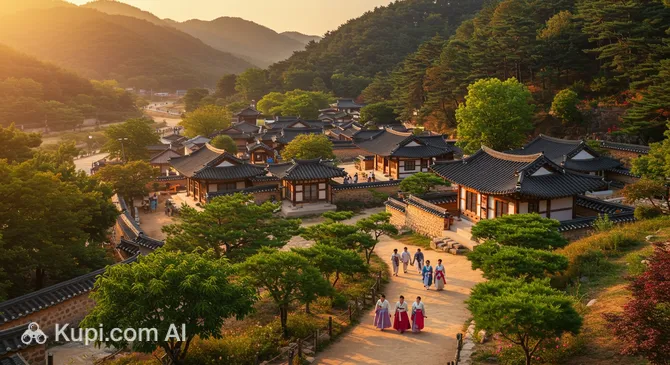
Andong. Illustration.
Source: Kupi.com AI

Among Andong's many landmarks, the famous Hahoe Folk Village, a UNESCO World Heritage site, and Korea's longest pedestrian bridge—Woryeonggyo Bridge—stand out. Woryeonggyo is especially beautiful in the moonlight and is considered a favorite spot for romantic walks.

The atmosphere of Andong is permeated with a leisurely pace, deep respect for traditions, and sincere Korean hospitality. If you want to not just see South Korea, but truly feel its soul, Andong will be an unforgettable discovery for you and provide many vivid impressions.

You can find more interesting facts on the Andong city history page.
Weather Overview

The climate in Andong is characterized by four distinct seasons. Summer, especially in July and August, is warm here, with average temperatures around 25°C (maximums can reach 28-29°C) and the highest amount of rainfall—up to 9 mm in July, with up to 16 rainy days per month. Winters, by contrast, are cold and relatively dry. In January and December, the average temperature hovers around -0.5°C, with night frosts down to -5°C, and precipitation is minimal (about 1 mm) with a small number of rainy or snowy days. Spring and autumn are transitional seasons with moderate temperatures and rainfall. Expect a warm summer with occasional rains and cold, mostly dry winters.

For more detailed information about the weather in different months, including temperature data, precipitation, and the number of sunny days, you can visit the Andong Climate page.

Average monthly temperature

Average monthly precipitation

Interesting Facts

In addition to its famous landmarks, Andong hides many amazing stories and little-known details that make it a truly unique place. This city, considered the spiritual capital of South Korea, keeps secrets that can surprise even the most seasoned traveler.

Imcheonggak. Illustration.
Source: Kupi.com AI

Traveler photos:

  • Andong comes to life every year during the Andong Mask Dance Festival. This is not just a colorful spectacle, but an opportunity to touch ancient rituals, as Andong masks, especially the famous Hahoe-tal, are recognized as national treasures and are an important part of the country's cultural heritage.

  • The city is the cradle of Korean Confucianism and home to ancient Confucian academies (seowons), such as Dosan Seowon and Byeongsan Seowon. It was here that philosophical thought was formed, exerting a huge influence on the development of the entire country, and where many outstanding scholars and statesmen of the Joseon era were educated.

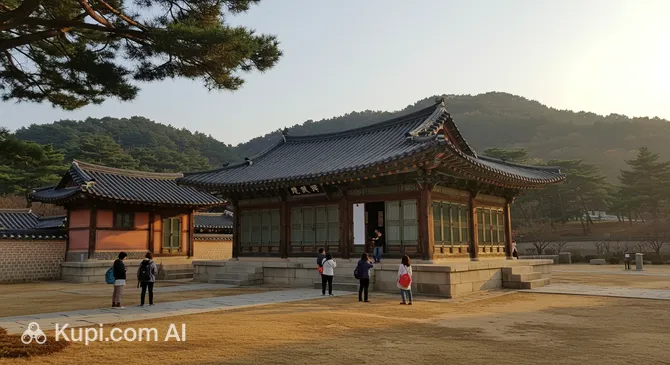
  • Andong is home to Imcheonggak—one of the oldest (built in the 15th century) and best-preserved aristocratic houses in all of Korea. It is not just a building, but a living witness to centuries of Korean nobility's history, allowing a glimpse into the past.

  • Among locals and tourists, there is a popular legend associated with the picturesque Woryeonggyo (Moonlight Bridge). It is believed that a joint walk across this longest wooden pedestrian bridge in Korea, especially at sunset, brings happiness and harmony in relationships to couples in love.

How to Get There

Planning a trip to Andong requires attention to logistics, as the city is located deep within Gyeongsangbuk-do province. Although it does not have its own civilian airport, South Korea's well-developed transport network allows for a comfortable journey from nearby major cities. You can find all the details and consider various routes by following the link: more details on how to get to Andong.

Travelers usually fly into airports in neighboring regions and then continue their journey by ground transport. The closest and most convenient option is Daegu International Airport (IATA: TAE), located about 75 km from Andong. This is an excellent choice for those using domestic flights or flying from some Asian countries. The trip from here by car or taxi will take only about 1–1.5 hours.

Another popular option is Gimhae International Airport (IATA: PUS) in Busan. This is a major international hub with a large number of flights. It is located about 155 km away, and the drive to Andong will take approximately 2–2.5 hours. You can also consider Cheongju Airport (CJJ), located 111 km away; the journey from there takes about 1.5–2 hours.

Below is a summary of the main airports through which it is convenient to reach the region:

AirportPassenger trafficDistance
Daegu International Airport3.3 mln75 km
Pohang Airport253 70389 km
Cheongju Airport4.6 mln111 km
Wonju Airport205 279118 km
Ulsan Airport786 739122 km

Regarding rail connections, Andong is linked to the national railway network, including the line served by KTX-Eum high-speed trains. However, many tourists use major hub stations for transfers. A key transport hub is Dongdaegu Station (IATA: XDK) in Daegu, located about 77 km away. KTX high-speed trains from Seoul and Busan arrive here, after which you can transfer to a bus or regional train to Andong.

Another important point is Daejeon Station, located 123 km away. This is the country's central railway hub, convenient for those coming from western or southern regions. From here, it is also convenient to continue the journey via intercity buses.

Below is information about major railway stations within accessible range:

StationPassenger trafficDistance
Dongdaegu Station20 mln77 km
Daejeon Station18.6 mln123 km
Jinju Station167 km
Gwangmyeong Station12.4 mln189 km
Yeosu Expo Station220 km

Main Attractions

Andong, known as the capital of Korean spiritual culture, offers travelers a unique immersion into the history and traditions of South Korea. The city is rich in attractions that reflect its wealthy heritage and allow for a deeper understanding of this place's unique character.

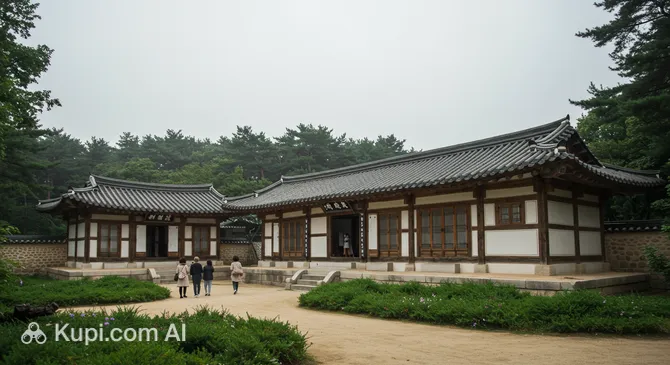
One of Andong's key historical landmarks is Imcheonggak. This is an impressive complex of traditional Korean houses that was once the residence of a high-ranking Joseon Dynasty official. Visitors can stroll through its extensive grounds, admiring the exquisite architecture and feeling the atmosphere of past centuries. Imcheonggak is also known for its connection to the Korean independence movement, which adds to its historical significance.

Imcheonggak. Illustration.
Source: Kupi.com AI

Traveler photos:

For those who want to dive deeper into the region's culture, the Andong Folk Museum is a must-visit. Its halls feature exhibits telling the story of the traditional lifestyle, customs, beliefs, and crafts of Andong's residents. The museum provides an excellent overview of the Confucian traditions deeply rooted in this region and helps one understand the uniqueness of the local culture.

Andong Folk Museum. Illustration.
Source: Kupi.com AI

Traveler photos:

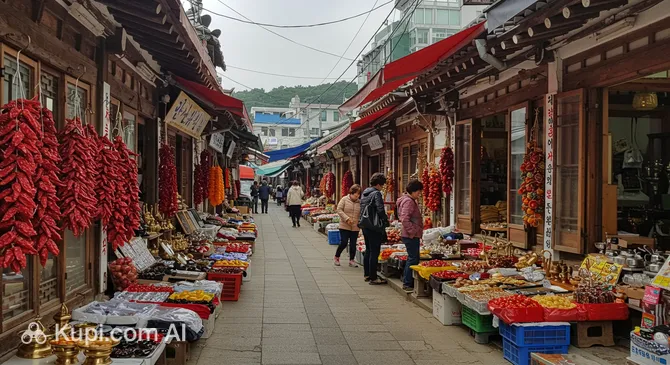
An equally interesting place to get acquainted with the city's daily life and gastronomic traditions is the Andong Old Market. This is a bustling place where you can find fresh local produce, try the famous Andong dish "Jjimdak" (braised chicken with vegetables and noodles in a spicy-sweet sauce), and purchase various goods and souvenirs. Visiting the market is a great opportunity to feel the city's authentic atmosphere and interact with locals.

Andong Old Market. Illustration.
Source: Kupi.com AI

Traveler photos:

Local Cuisine

The culinary scene in Andong is a true immersion into the authentic flavors of South Korea, where traditions are carefully preserved and passed down through generations. The city is rightfully proud of its unique dishes, the most famous of which is undoubtedly Andong Jjimdak. This hearty and flavorful dish consists of chicken braised with various vegetables, starch noodles, and a special sauce based on soy and pepper. The history of Jjimdak is closely linked to Andong's ancient markets, where local cooks competed in the art of making the tastiest treat.

No less famous is Andong Soju—a traditional Korean alcoholic beverage made from rice according to ancient recipes. It is distinguished by its smooth taste and is considered a symbol of hospitality. Besides soju, it is worth trying the local version of rice wine—Makgeolli—as well as various fermented side dishes (banchan), which invariably accompany any meal and give it a special flair. These side dishes, often spicy and pungent, are an integral part of Korean culinary culture.

Andong Old Market. Illustration.
Source: Kupi.com AI

Traveler photos:

Food culture in Andong is closely tied to its vibrant markets. This is where you can feel the true spirit of the city and try the freshest street food. One such iconic spot is the Andong Old Market, where stalls are piled high with appetizing pastries with various fillings, traditional rice flour sweets, and spicy snacks. Here you can also find seasonal delicacies such as marinated fish or vegetables prepared according to ancient local recipes. Of course, the city has many restaurants offering both traditional dishes and modern Korean cuisine, but it's the markets that provide the opportunity to touch the everyday life of Andong people.

Andong is a true paradise for foodies and those looking to discover new gastronomic horizons. The city regularly hosts culinary festivals where you can not only sample local specialties but also participate in workshops on making Jjimdak. Andong's food scene is a blend of centuries-old traditions, fresh local products, and sincere hospitality that will leave no traveler indifferent.

Travel Tips

Planning a trip to Andong, the heart of Korean traditional culture? To ensure your journey goes smoothly and leaves only pleasant impressions, we have prepared some practical tips. These recommendations will help you better prepare and enjoy every moment in this amazing city in South Korea.

  1. Clothing and Essentials:

    The climate in Andong is continental: hot and humid summers, cold and dry winters, with pleasant springs and autumns. In summer, bring light, breathable clothing, and in winter, bring warm items including a jacket, hat, and gloves. Layered clothing is useful in spring and autumn. Be sure to bring comfortable walking shoes for historical sites like Hahoe Village. Don't forget a universal adapter (types C and F sockets are used in South Korea). When visiting temples and some traditional sites, modest clothing covering shoulders and knees may be required.

  2. City Transport:

    The main form of public transport in Andong is the bus. The network is well-developed for getting around the city and to major attractions. Taxis are also available and relatively inexpensive; you can use the popular Kakao T app. Renting a car can be useful if you plan to explore the Gyeongsangbuk-do surroundings, but for Andong itself, public transport and taxis are usually sufficient. International driving permits are required to rent a car.

  3. Finances and Payments:

    The local currency is the South Korean Won (KRW). You can exchange currency at banks or official exchange offices. Credit and debit cards (especially Visa and Mastercard) are widely accepted, but cash may be needed in small shops or at markets. ATMs, especially those marked "Global ATM," are available for withdrawing cash from foreign cards. It is recommended to notify your bank about your trip. Tipping is not a common practice in South Korea.

  4. Health and Safety:

    Andong is generally a very safe city. Pharmacies (look for the "약" sign) are easy to find, though not all are open 24/7. The quality of medical care is high; it is strongly recommended to have travel insurance. In emergencies, call 119. As elsewhere, follow general safety precautions, especially regarding personal belongings.

  5. Communication and Internet:

    The official language is Korean. English is common in tourist areas, hotels, and among young people, but knowing a few basic phrases in Korean will be very helpful: "Annyeonghaseyo" (Hello), "Gamsahamnida" (Thank you). SIM cards can be purchased at the airport or in the city. Wi-Fi is widely available, often for free, in cafes, public places, and on transport. For navigation, use the Naver Maps or KakaoMap apps, as Google Maps has limitations in South Korea.

  6. Local Etiquette:

    When greeting, Koreans usually bow slightly; handshakes are also common, especially with foreigners. It is important to show respect to elders. When passing or receiving items from elders or people of higher status, use both hands. In public places, especially on transport, try to speak quietly. It is customary to remove your shoes when entering a Korean home, some temples, and traditional restaurants.

  7. What to Avoid:

    Never write people's names in red ink—it is associated with death. Also, avoid sticking chopsticks vertically into a bowl of rice, as this resembles ritual incense at funerals. Try not to be overly noisy in public places.

  8. Special Tip for Andong:

    Andong is famous for its Hahoe Folk Village (a UNESCO World Heritage site) and the International Mask Dance Festival, which usually takes place in autumn. If your trip coincides with the festival, book accommodation and tickets in advance. Be sure to try local culinary delights such as Andong Jjimdak (braised chicken with vegetables) and Heotjesabap (a traditional ceremonial meal).

We hope these tips help you better plan your trip to Andong and get the most out of discovering this unique city that preserves the ancient traditions of South Korea. Have a pleasant trip!

Entertainment & Nightlife

Andong, known for its rich cultural traditions, offers a different perspective on evening and nightlife compared to the bustling life of major metropolises. Here, you are more likely to find cozy places for conversation and experiencing local culture than large nightclubs. Nevertheless, the city offers its own options for those who want to have a pleasant evening.

The main evening activity is concentrated in the central areas of the city, especially in the neighborhoods known for their restaurants and small bars. Here you can find many establishments offering traditional Korean dishes and drinks, such as soju and makgeolli, perfect for dinner with friends. A popular spot for an evening stroll and dinner is the Andong Old Market, where you can taste local delicacies and soak up the authentic atmosphere, especially when the lights come on and the food stalls start operating. While specialized nightclubs are few in Andong, you can find local bars (often called "hofs"), where you can have a beer or soju, and, of course, the ubiquitous Korean karaoke bars (noraebang) for a fun time with friends. Occasionally, the city hosts small local concerts or cultural events in the evening, which are worth checking for in advance. The atmosphere in such places is usually relaxed and friendly, and there is typically no dress code.

Andong Old Market. Illustration.
Source: Kupi.com AI

Traveler photos:

The best time for evening outings is usually Friday and Saturday nights, when locals also head out to relax. Prices in Andong's establishments are usually more affordable compared to larger South Korean cities. For getting around at night, taxis are the most convenient option. They can be hailed on the street in busy areas or ordered through popular Korean mobile apps. Andong is considered a fairly safe city, but it is always worth following standard precautions, especially when walking late at night or in less crowded areas.

During the day, Andong also offers many interesting activities for tourists. You can dive deeper into the history and culture of the region by visiting, for example, the Andong Folk Museum, which houses unique exhibits about the life and traditions of local residents. It is also worth paying attention to outstanding historical monuments such as Imcheonggak—an ancient house with centuries of history and an important piece of cultural heritage. Walks through the city's picturesque surroundings and along the Nakdong River can also be a pleasant part of your stay.

Andong Folk Museum. Illustration.
Source: Kupi.com AI

Traveler photos:

Imcheonggak. Illustration.
Source: Kupi.com AI

Traveler photos:

Parks & Museums

Andong, a city with a rich cultural heritage in South Korea, offers its guests not only an immersion in history but also the opportunity to enjoy the tranquility of green spaces. Here, centuries-old traditions and natural beauty blend harmoniously, creating a unique atmosphere for curious travelers.

While Andong is primarily famous for its historical monuments, you can find cozy spots to relax in nature within the city and its surroundings. Often these are the picturesque banks of the Nakdong River or small city squares where you can take a breather after a busy day of sightseeing. Nature lovers should also look to the surrounding hills, which offer beautiful views and walking trails.

One of the key places to get acquainted with the region's culture is the Andong Folk Museum. This museum presents an extensive collection of artifacts telling the story of the life, traditions, and beliefs of the residents of Andong and Gyeongsangbuk-do province. Visitors can see traditional costumes, household items, tools, and learn many interesting things about the Confucian heritage that so strongly influenced the formation of the local culture. The museum's exhibition helps to understand the unique spirit of Andong more deeply.

Andong Folk Museum. Illustration.
Source: Kupi.com AI

Traveler photos:

Among Andong's outstanding historical sites, Imcheonggak holds a special place. This is one of the oldest and largest private noble estates from the Joseon era that has survived to this day. The complex consists of many buildings demonstrating traditional Korean architecture. A walk through its territory allows you to feel the atmosphere of the past and imagine the life of the Korean aristocracy. Imcheonggak is interesting not only for its architecture but also for its rich history associated with famous Korean figures.

Imcheonggak. Illustration.
Source: Kupi.com AI

Traveler photos:

For those who want to dive into the everyday life of the city and feel its authentic flavor, the Andong Old Market is a must-visit. This is not just a place for shopping, but a real cultural center where you can try local delicacies such as the famous Andong chicken Jjimdak, purchase items from local artisans, and watch the lively trade. The market preserves the spirit of old Andong and is a wonderful place for gastronomic discoveries and souvenir shopping.

Andong Old Market. Illustration.
Source: Kupi.com AI

Traveler photos:

Beyond the well-known attractions, Andong hides many charming streets and small temples that can be discovered simply by walking through the city without a specific route. Don't be afraid to turn off the beaten tourist paths—this is how you can find truly authentic places and get unforgettable impressions from getting to know this amazing city.

Getting Around

When planning to get around Andong, you should know that the main form of public transport here is buses. The city bus network is quite developed and allows you to reach most areas and major attractions. There is no metro or trams in Andong, which is typical for cities of this size.

For paying fares on Andong buses, the most convenient and common method is using a T-money transport card. This card can be purchased and topped up at most convenience stores (called "pyeon-ui-jeom" in Korea) as well as at special kiosks at some major stops or stations. T-money works throughout South Korea, so if you plan to travel around the country, it will definitely come in handy. You can also pay the fare in cash directly to the driver, but it is recommended to have small change as they might not always have change. Fares are usually fixed within the city or depend on the zone.

Tourists will find it useful to know that when entering the bus, the T-money card must be tapped on the validator located at the front door. On some routes where the fare depends on distance, you must also tap the card when exiting. Schedules and routes can be found at bus stops (often with information in Korean and partially in English) or you can use popular Korean map apps like Naver Maps or KakaoMap, which provide up-to-date transit information. Buses usually start running early in the morning and end late in the evening, but intervals and operating hours may vary by route.

In addition to buses, you can always use taxi services in Andong. This is a more expensive but comfortable and fast way to get around, especially convenient for trips with luggage, at night, or if you are traveling in a group. Payment in taxis is possible by both cash and credit card, including T-money in some vehicles. During the warmer months, bicycle rentals may be available in some areas, especially tourist zones, allowing you to explore the city at your own pace.

Accommodation

In Andong, travelers will find a variety of accommodation options to suit different preferences and budgets. The city offers both modern hotels and comfortable guesthouses, as well as the unique opportunity to stay in traditional Korean Hanok houses, allowing for a deeper immersion into the local culture. The range varies from budget options to more comfortable mid-range establishments.

When choosing a place to stay, it's worth looking at areas near major attractions or transport hubs. For example, areas near the Andong Old Market can offer easy access to shops, restaurants, and cultural sites. You might also consider options near iconic locations like Imcheonggak or the Andong Folk Museum if you plan to spend a lot of time exploring them.

Andong Old Market. Illustration.
Source: Kupi.com AI

Traveler photos:

While specific famous hotels are not highlighted in this overview, Andong offers a wide selection of hotels and guesthouses. The price range can vary from budget to mid-range and higher, depending on the level of comfort and services provided. It is recommended to book accommodation in advance, especially if your trip coincides with the peak tourist season or during major festivals for which Andong is famous. For searching and booking, it's convenient to use popular online platforms or contact the chosen hotels directly.

Nearby Cities

For those who want to explore the surrounding area, Andong serves as an excellent base for day trips to several interesting nearby locations:

CityPopulationDistance
Yecheon43 00026 km
Yeongju109 26630 km
Jeomchon46 45247 km
Sangju102 89254 km
Mungyeong71 86356 km

Here is what makes these cities attractive for a visit from Andong:

  • Daegu: South Korea's third-largest city, it attracts visitors with its lively markets, such as the famous Yangnyeongsi Medicinal Herb Market, as well as modern shopping districts and parks. It is a city where tradition meets modernity, offering diverse cultural and entertainment opportunities.
  • Pohang: A major port city on the east coast, known for its picturesque beaches, fresh seafood, and the iconic sunrise spot—Homigot Sunrise Square with its "Hand of Harmony" sculpture. The city is also an important industrial center, home to POSCO, one of the world's largest steel mills.
  • Gumi: Known as one of South Korea's main hubs for the electronics industry, it may be interesting for those interested in the country's technological development. Additionally, Geumosan Provincial Park spreads out near the city, offering excellent hiking trails and nature enjoyment.
  • Gyeongsan: A city with many universities and a rich historical heritage, it offers a unique blend of youthful energy and ancient traditions. Here you can explore ancient tombs, attend local festivals, or simply enjoy the college town atmosphere.
  • Gyeongju: The ancient capital of the powerful Silla Kingdom, it is a true "open-air museum" and a must-visit for anyone interested in Korean history. The city is full of UNESCO World Heritage sites, including the magnificent Bulguksa Temple, Seokguram Grotto, and numerous royal tombs.

These nearby destinations provide insight into the diverse culture and landscapes of the South Korea region.

Shopping & Souvenirs

Andong offers tourists an authentic shopping experience rather than a raid on modern shopping malls. The city is famous for its traditional markets and local handicrafts, so you can find unique souvenirs and try local delicacies here.

The main place for shopping in Andong is its central part, especially the streets adjacent to the traditional markets. Here you can find many small shops offering clothing, household goods, and, of course, local food products. Instead of the glittering storefronts of major brands, you will find cozy shops with unique items.

Large modern shopping centers in the Western sense are not a characteristic feature of Andong. The city is more focused on preserving tradition, so the main focus of shopping is shifted toward markets and specialized stores. If you are looking for a more standard set of shops, it is better to look toward larger cities in South Korea.

The main shopping artery and heart of shopping in Andong is undoubtedly the Andong Old Market. This is a bustling place where you can find almost everything: from fresh produce, vegetables, and fruits to clothing, textiles, and household items. The market is also famous for its street food stalls where you can try the famous Andong Jjimdak and other local dishes. It's a great place to immerse yourself in the local atmosphere and find interesting souvenirs.

From Andong, it is worth bringing back traditional Korean souvenirs and local specialties. Particularly popular are:

  • Andong Soju: a famous local alcoholic drink with a centuries-old history.
  • Hahoe Masks: wooden masks used in traditional Korean performances, originating from the nearby Hahoe village.
  • Hanji: traditional handmade Korean paper used to make various products.
  • Local agricultural products: apples from Andong are known nationwide, and ginger and other local delicacies are also popular.

Shops in Andong usually operate from 10:00–11:00 AM until 8:00–9:00 PM. Markets may open earlier and close a bit later, especially the food stalls. Most shops and markets accept credit cards, but for small purchases at markets or from street vendors, you may need cash. ATMs are easy to find throughout the city.

A Tax Free system is available for tourists in South Korea for purchases made in participating stores. This usually applies to purchases over a certain amount. Look for the "Tax Free" logo in shops and don't forget to fill out the necessary documents during purchase to receive a tax refund at the airport when leaving the country.

Reached the end of the page?

That means the route is fully explored