Support

Miryang

About

Miryang is a charming city nestled in the heart of Gyeongsangnam-do province, in the southeast of South Korea. It is spread across picturesque hills and rivers, which gives the area a special charm and creates a unique atmosphere where rural idyll harmoniously combines with the dynamics of a small but significant urban center.
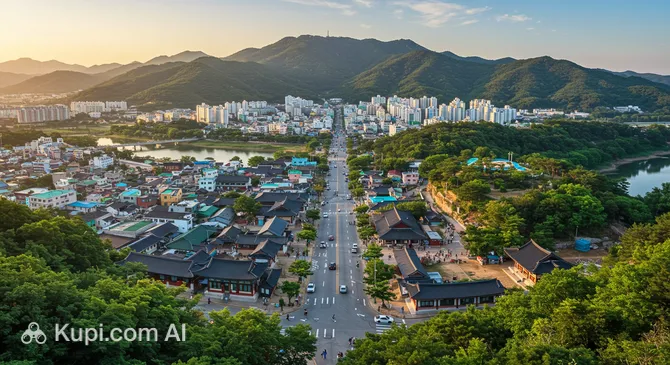
Miryang. Illustration.
Source: Kupi.com AI

With a population of just over 100,000 people, Miryang maintains a wonderful sense of comfort and friendliness, far from the hustle and bustle of major metropolises. Tranquility, clean air, and authentic Korean flavor reign here. The city prides itself on its rich history, rooted in antiquity, and its vibrant cultural life, which makes it attractive to those who appreciate tradition.

A walk through Miryang is comparable to a journey through time: here you can see traditional Korean buildings alongside modern cafes and well-kept parks. Its historical monuments and scenic natural landscapes are especially noteworthy, perfect for leisurely strolls and relaxation. Immersing yourself in local traditions through festivals or learning about crafts will be a vivid experience for any traveler.

Miryang is an excellent choice for those seeking authentic Korea, wishing to enjoy natural beauty, touch local traditions, and discover little-known but surprisingly attractive corners of the country. This city is sure to leave warm memories and offer many discoveries.

You can find more interesting facts on the Miryang city history page.
Weather Overview

The weather in Miryang is characterized by clearly defined seasons. Travelers should expect warm and fairly humid summers with periodic rain, and cold, relatively dry winters. In summer, especially in July and August, the average air temperature is about 26°C (around 25.8°C in July and 26.5°C in August), and maximum values can reach 30°C. These summer months also bring a significant amount of rainfall: both July and August average about 16 rainy days. Additionally, July, with a figure of 7 mm, stands out as one of the months with the highest precipitation volume, alongside September (also 7 mm). In contrast, winters are cold: in January, the average temperature stays around 1.3°C, while night frosts can drop the thermometer to -3.3°C. Winter precipitation is minimal: for example, in January, November, and December, the monthly rainfall volume is only 1 mm. Spring and autumn are pleasant transitional periods with moderate temperatures and fewer rainy days compared to summer. For more detailed planning of your trip, we recommend checking the information on the Miryang Climate page.

Average monthly temperature

Average monthly precipitation

Interesting Facts

In addition to its famous landmarks, Miryang holds many surprising stories and little-known facts that make it even more attractive to curious travelers. The city is ready to surprise even the seasoned tourist with its unique features.

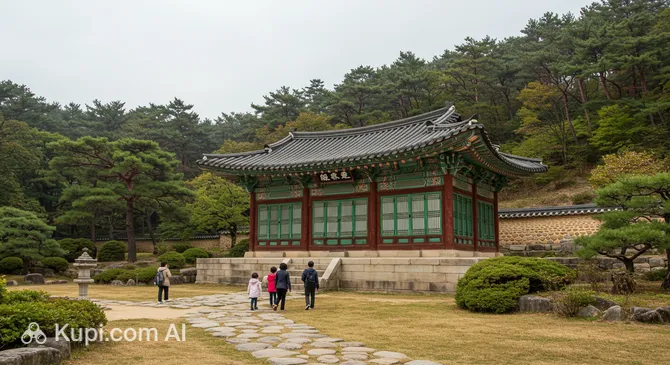
Yeongnamnu Pavilion. Illustration.
Source: Kupi.com AI

Traveler photos:

  • Miryang is often called the "gateway to the Korean Alps." This is the starting point for a famous cable car that leads to picturesque mountain peaks and observation decks, attracting both hiking enthusiasts and fans of calm outdoor walks.

  • One unique, though less known outside the region, attraction of the city is the Begonia Bird Garden. This is a charming garden where you can see not only a riot of exotic flowers but also observe rare bird species, making it a wonderful place for a family holiday.

  • Every year, Miryang becomes a magnet for fans of traditional culture thanks to its festivals. The city literally comes alive, offering guests colorful performances, folk dances, and open-air theatrical productions, turning into a real stage under the stars.

  • The history of Miryang includes many curious legends associated with its ancient temples and bridges. It is said that some of the city's old bridges have the power to grant wishes if crossed with a pure heart. One of the places preserving the spirit of antiquity and legend is the Yeongnamnu Pavilion.

How to Get There

When planning a trip to Miryang, it's important to keep in mind that the city is conveniently accessible from South Korea's major transportation hubs. While the city itself does not have its own airport, the region's developed transport network makes it easy to get here by bus or train from neighboring metropolises. You can find more details on how to get to Miryang by exploring various routes and choosing the one that best suits your trip.

The closest and most convenient hub for international travelers is Gimhae International Airport (IATA: PUS). This major airport is located in the city of Busan but is situated only 37.7 km from the center of Miryang. Thanks to high passenger traffic, it accepts flights from many countries. A trip from Gimhae Airport to Miryang by taxi or rental car will take about 45–60 minutes, depending on traffic. Intercity buses also run from here, linking the airport to the Miryang bus terminal.

An alternative option is Daegu International Airport (IATA: TAE), located in the city of Daegu, approximately 46.4 km from Miryang. This is also an important regional transport hub for international and domestic flights. The car journey from Daegu Airport to Miryang takes about an hour. This is an excellent choice if your route involves arriving in the northern part of Gyeongsangnam-do province.

For convenience, here is a summary of the main airports:

AirportPassenger trafficDistance
Gimhae International Airport15.8 mln38 km
Daegu International Airport3.3 mln46 km
Ulsan Airport786 73956 km
Sacheon Airport219 28976 km
Pohang Airport253 70382 km

Railway connection is another popular way to reach the region. One of the key hubs is Dongdaegu Station (IATA: XDK), located in the city of Daegu, about 45.4 km from Miryang. This is one of the country's busiest stations with huge passenger numbers. KTX high-speed trains from Seoul and other parts of the country arrive here. From Dongdaegu Station, you can easily transfer to a train going directly to Miryang Station (as the city is on the main Gyeongbu line) or use a bus/taxi, which takes about 50 minutes.

Below is information about the nearest major railway stations:

StationPassenger trafficDistance
Dongdaegu Station20 mln45 km
Jinju Station68 km
Yeosu Expo Station122 km
Daejeon Station18.6 mln156 km
Gwangju Songjeong Station3.4 mln182 km

Main Attractions

Miryang, a city rich in history and culture, offers its guests several interesting attractions. Here everyone will find something for themselves, from ancient pavilions to educational museums.

One of the city's main gems is the Yeongnamnu Pavilion. This magnificent pavilion, built during the Joseon Dynasty, is considered one of the three great pavilions of Korea. It is located on a picturesque cliff overlooking the Miryanggan River, offering visitors not only a chance to enjoy exquisite architecture but also breathtaking scenery. This place is steeped in history and is a symbol of the city.

Yeongnamnu Pavilion. Illustration.
Source: Kupi.com AI

Traveler photos:

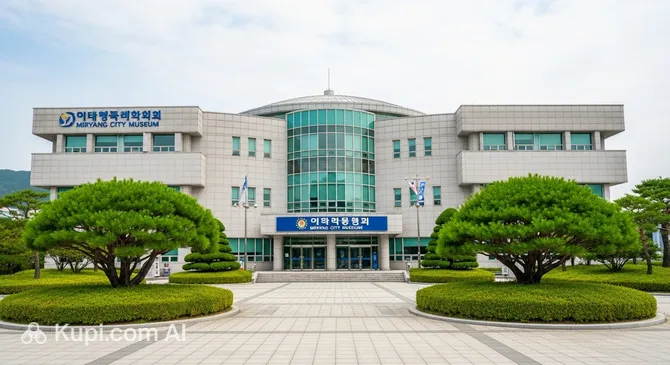
For those who want to dive deeper into the history and culture of the region, the Miryang City Museum is a must-visit. Its halls present exhibits telling the story of Miryang's past, starting from ancient times. Here you can see archaeological finds, household items, works of art, and materials highlighting key moments in the city's development and its role in Korean history.

Miryang City Museum. Illustration.
Source: Kupi.com AI

Traveler photos:

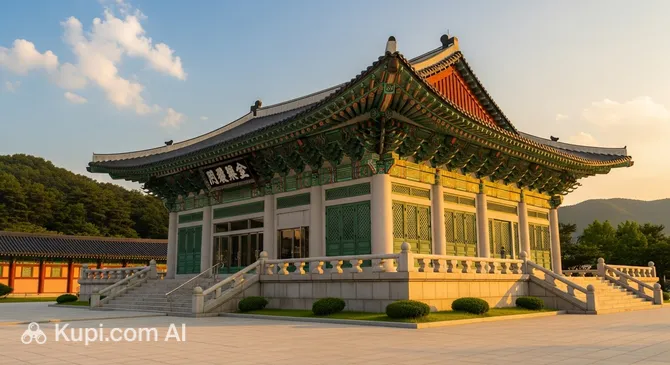
Another iconic site is the Uiyeol Memorial Hall. This museum is dedicated to the memory of the heroes of the Korean independence movement, specifically the activities of the "Uiyeoldan" organization. The hall's exhibition tells of the courage and self-sacrifice of patriots who fought for their country's freedom. Visiting the hall allows for a better understanding of a complex period in Korean history and pays tribute to those who contributed to achieving independence.

Uiyeol Memorial Hall. Illustration.
Source: Kupi.com AI

Traveler photos:

These attractions are just part of what Miryang has to offer. Each of these places is unique in its own way and helps you get to know this charming South Korean city better.

Local Cuisine

The cuisine of Miryang is a vibrant reflection of rich Korean gastronomic traditions. Travelers should definitely try the famous bibimbap—an appetizing dish of rice with various vegetables, meat, and savory gochujang paste. In Miryang, it is prepared according to special local recipes passed down from generation to generation, making this dish a true hallmark of the region.

Beyond bibimbap, Miryang's gastronomic map will delight lovers of nature's bounty. Here you can enjoy dishes made from fresh river fish caught in the surrounding waters, as well as spicy and aromatic seafood soups. Don't miss the street stalls cooking jeon—traditional Korean pancakes with green onions and seafood, served hot right from the pan. Also, look out for milmyeon—refreshing cold noodles particularly popular on hot days.

To fully experience the local flavor, accompany your meal with traditional Korean drinks. Popular alcoholic options include soju and makgeolli (light rice wine). Among non-alcoholic drinks, try the refreshing barley tea (boricha) or rich rice water (sungnyung), which perfectly complement any dish.

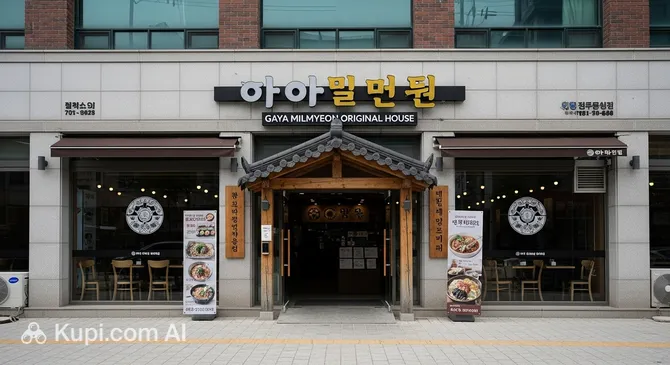
The food culture in Miryang is diverse. Locals and tourists alike can enjoy authentic dishes in cozy restaurants or by sampling street food. For instance, you can visit Gaya Milmyeon Wonjo Bongga to try that very milmyeon. Bustling farmers' markets hold a special place, where you can not only buy the freshest produce but also try seasonal delicacies and Korean rice sweets. The city is also known for its gastronomic festivals, where local chefs demonstrate their skills in preparing traditional Korean dishes—this is an excellent opportunity to dive into the world of Miryang's flavors.

Gaya Milmyeon Original House. Illustration.
Source: Kupi.com AI

Traveler photos:

Travel Tips

Welcome to Miryang, a charming city in South Korea! To make your trip as comfortable and memorable as possible, we have prepared some practical tips to help you better navigate the area.

  1. Clothing and Essentials:

    The climate in Miryang is temperate, with four distinct seasons. In summer (June–August), it is hot and humid, so bring light, breathable clothing. In winter (December–February), it can be cold with possible frosts, so warm clothing, including a hat, gloves, and a scarf, is essential. Spring and autumn are the most pleasant times to visit, with mild weather; dress in layers. Don't forget comfortable walking shoes, sunscreen, and a hat in summer, and a universal adapter (South Korea uses Type C and F outlets). When visiting temples or other religious sites, choose modest clothing that covers shoulders and knees.

  2. Local Transport:

    Getting around Miryang is most convenient using local buses—the primary form of public transport. Consider purchasing a T-money transport card, which works nationwide and simplifies fare payment. Taxis are also available; they can be hailed on the street or ordered via apps like Kakao T (though drivers in smaller towns may not always speak English). Renting a car can be useful if you plan to explore the Gyeongsangnam-do province, but for moving within Miryang itself, it is generally not a necessity.

  3. Finances:

    The local currency is the South Korean Won (KRW). You can exchange money at banks or specialized exchange offices; it's recommended to have some cash on arrival. Credit and debit cards (Visa, Mastercard) are widely accepted in most shops, restaurants, and hotels. ATMs are easy to find, and many accept international cards (look for the "Global ATM" sign). An approximate daily budget can vary, but South Korea is a country with average price levels. Tipping is not customary and not expected here.

  4. Health and Safety:

    Miryang, like South Korea in general, is considered a very safe city. However, standard precautions are always appropriate. Pharmacies (look for the "약" (yak) sign) are available in the city, but not all are open 24 hours. If medical assistance is needed, head to local clinics or hospitals; travel insurance is highly recommended. There are no particularly dangerous areas in Miryang, but always keep an eye on your belongings in crowded places.

  5. Communication:

    The official language is Korean. The level of English proficiency among the local population in Miryang may be lower than in major tourist centers, so learning a few basic Korean phrases (e.g., "Annyeong-haseyo" – Hello, "Kamsahamnida" – Thank you) will be very helpful. A local SIM card can be purchased at the airport or convenience stores. Wi-Fi is available in many public places, cafes, and hotels. Useful apps: Naver Maps (for navigation, as Google Maps has limitations in Korea), Papago (for translation), and KakaoTalk (a popular messenger).

  6. Local Etiquette:

    Koreans value politeness. When greeting someone, especially elders, it is customary to give a slight bow. When giving or receiving items, use both hands or your right hand supported by your left. In public places, especially on transport, try not to speak too loudly. Before entering a private home, some traditional restaurants, and temples, removing your shoes is required. Addressing people you don't know well or those older than you by their first name is considered impolite without their permission.

  7. What to Avoid:

    Do not write people's names in red ink—this is associated with death and considered a bad omen. Also, avoid sticking chopsticks vertically into a bowl of rice, as this resembles ritual incense at funerals. Loud public displays of affection are less common than in some Western cultures, so try to be discreet.

  8. A Special Feature of Miryang:

    Miryang is famous for its beautiful nature and historical sites. Be sure to set aside time to visit iconic places like the Yeongnamnu Pavilion, considered one of the most beautiful in Korea, or the picturesque Eoreumgol Ice Valley. Immersing yourself in the local culture and nature will make your trip unforgettable.

We hope these tips help you plan the perfect trip to Miryang and enjoy every moment of your stay in this wonderful corner of South Korea!

Entertainment & Nightlife

Evening Miryang offers its guests a calm and cozy atmosphere, different from the noisy nightlife of megacities. Here you won't find districts overflowing with loud nightclubs, but you can enjoy a pleasant dinner, socialize in local venues, and take leisurely walks. The city's nightlife is centered around restaurants, traditional Korean pubs (pocha), and modern cafes that stay open until late evening.

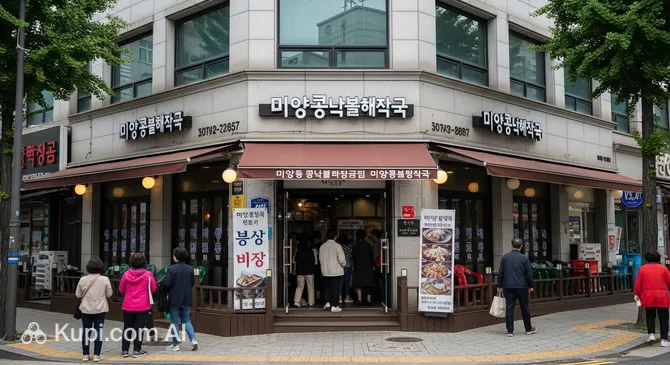
The main areas for evening leisure are usually concentrated in the central part of the city and on busy streets with an abundance of food outlets. Both local youth and tourists gather here in the evening. For a delicious dinner, look for places like the Gaya Milmyeon Wonjo Bongga restaurant, known for its traditional dishes, or Miryang Kongnamul Haejangguk, where you can try authentic Korean soups. These establishments are perfect for starting the evening or for a hearty dinner with friends.

Miryang Kongnamul Haejangguk. Illustration.
Source: Kupi.com AI

Traveler photos:

Although there isn't a large selection of major nightclubs in Miryang, after dinner you can find small bars or cafes to enjoy drinks. The atmosphere in such places is usually relaxed and friendly. Many establishments cater to the local crowd, allowing you to dive deeper into Korean culture. Prices in Miryang's venues can generally be described as moderate, allowing you to enjoy dinner or drinks without significant expense. Restaurants and cafes are usually open until 10:00 PM–11:00 PM, while some bars may stay open longer, especially on weekends. There is no specific dress code in most places; a neat casual style is welcomed.

For getting around the city in the evening, taxis are the most convenient option. Taxi-hailing apps like Kakao T are popular in South Korea, making the booking process quick and convenient. Miryang, like most cities in South Korea, is considered a safe enough place for evening walks, but you should always take standard precautions, especially in unfamiliar areas. It is best to stick to well-lit streets.

During the day, Miryang also offers interesting leisure options. You can visit historical sites such as the famous Yeongnamnu Pavilion, which offers beautiful views. It's also worth stopping by the Miryang City Museum or the Uiyeol Memorial Hall to learn more about the region's history and culture. These places help form a complete impression of the city before heading out for an evening stroll.

Miryang City Museum. Illustration.
Source: Kupi.com AI

Traveler photos:

Parks & Museums

Miryang offers its guests not only picturesque natural spots but also the opportunity to touch a rich cultural heritage through its historical monuments and museums. This city harmoniously combines the tranquility of nature with interesting cultural discoveries.

While there may not be vast, world-famous urban parks in Miryang itself, its natural surroundings, including the banks of the Miryanggan River and nearby hills, provide excellent opportunities for outdoor recreation. Walks along the river or through scenic trails allow you to enjoy the beauty of Korean nature and find peace. These natural zones are ideal for leisurely rest and photo sessions.

For those interested in history and culture, Miryang offers several noteworthy museums. A key place for getting to know the city's past is the Miryang City Museum. Here you will find exhibits telling the story of the region's development, its traditions, and significant events. This is a wonderful opportunity to understand the local identity more deeply.

Another important cultural institution is the Uiyeol Memorial Hall. This museum is dedicated to the memory of prominent figures and events that played an important role in the history of Korea and, specifically, Miryang. A visit to the hall allows you to pay tribute to the past and learn more about significant pages of history.

Among the architectural and historical landmarks of Miryang, the Yeongnamnu Pavilion particularly stands out. This magnificent historical structure is often called one of the most beautiful pavilions in Korea. It not only fascinates with its traditional architecture but also offers stunning views of the Miryanggan River and surrounding landscapes. This place is a symbol of the city and attracts many visitors wishing to touch history and enjoy the beauty.

To get a more authentic experience of Miryang, we recommend going off the beaten path. Explore quiet streets where you might stumble upon small local shrines or traditional Korean houses. Also, don't miss the chance to visit local markets—it's a great way to observe the daily life of the townspeople and perhaps find unique souvenirs.

Getting Around

Getting around Miryang is quite convenient thanks to a developed public transport system, the core of which is city buses. They connect various districts of the city and its surroundings, offering tourists an economical way to reach most interesting sites.

The primary method of paying for bus fares in Miryang, as in many cities in South Korea, is the T-money transport card (or similar cards like Cashbee). This card can be purchased and topped up at most 24-hour convenience stores (konbini), at subway stations in large cities (if you are arriving from such a city), or at special kiosks. Paying with a card is usually slightly cheaper than buying a ticket with cash from the driver. When entering the bus, you must tap the card on the validator, and when exiting, tap it again so the system correctly calculates the fare, especially if fare zones apply or if transfer discounts are available.

Buses in Miryang run on a schedule, which can usually be found at bus stops (often in Korean, but route numbers are clear). During peak hours, buses run more frequently. To plan routes, you can use popular Korean navigation apps like Naver Maps or KakaoMap, which provide real-time transport information. Cash tickets can be purchased directly from the driver, but it is recommended to have small change.

Besides buses, taxis are widely available in Miryang. They can be hailed on the street, found at designated stands, or called via an app (for example, Kakao T). The fare is calculated by the meter. This is a more expensive but also more comfortable and faster way to travel, especially if you are traveling with luggage or in a group. In some tourist areas or parks, bicycle rentals may be available, which is a great option for leisurely rides and sightseeing in the fresh air.

Accommodation

When planning a trip to Miryang, you will find a variety of accommodation options to suit different preferences and budgets. The city offers a choice from cozy guest houses and motels to more comfortable hotels. While luxury resorts are less common here, you can find high-quality mid-range accommodation as well as apartments for those who prefer more independence.

When choosing a place to stay in Miryang, it's worth paying attention to areas located near main attractions or transport hubs. This will provide you with convenient access to interesting sites and make getting around the city easier. For example, staying near iconic landmarks such as the Yeongnamnu Pavilion can be particularly attractive for tourists wishing to immerse themselves in the city's historical atmosphere.

To guarantee the best option, especially during peak tourist season, it is recommended to book accommodation in advance. Most hotels and guest houses in Miryang are available for booking through popular online platforms, allowing you to compare prices and conditions. Direct booking via hotel websites or by phone is also an option.

The price range for accommodation in Miryang varies from budget options to mid-range. You can find inexpensive rooms in guesthouses as well as more spacious hotel rooms with additional amenities. Careful planning and advance booking will help you find the best value for your stay in this charming South Korean city.

Nearby Cities

For those who want to explore the surrounding areas, Miryang serves as an excellent starting point for day trips to several interesting nearby locations.

For example, Changwon, located just 28 km away, attracts with its modern cityscapes, extensive parks like Yongji Park, and the annual Jinhae Cherry Blossom Festival (a district of Changwon), one of the largest in the country. It's a great place for those interested in modern urban life and nature.

Gimhae (30 km from Miryang) is a city with a rich history, the former capital of the ancient Geumgwan Gaya state. Here you can visit the Royal Tomb of King Suro, the Gimhae National Museum, and the Gaya Theme Park to immerse yourself in the region's ancient culture.

A bit further away, at a distance of 45 km, is Busan—the second-largest city in South Korea and a major seaport. Busan offers tourists famous beaches such as Haeundae and Gwangalli, the colorful Jagalchi Fish Market, and the picturesque Gamcheon Culture Village, making it attractive for fans of both beach holidays and urban bustle.

For a better overview of day trip options, below is a table with information on some of the nearest cities:

CityPopulationDistance
Changwon1 046 05428 km
Gimhae550 75830 km
Yangsan297 53230 km
Gyeongsan278 50038 km
Jinhae190 00039 km

These nearby destinations allow for a more complete understanding of the diverse culture, history, and landscapes of the region. Each trip promises new discoveries and experiences, complementing your journey to Miryang.

Shopping & Souvenirs

Shopping in Miryang offers more of an insight into local trade and traditional markets than a hunt for global brands. The city is not a major center for fashion or electronics like Seoul, for example, but here you can find authentic goods and feel the atmosphere of daily life in South Korea. Miryang is particularly famous for its agricultural products, such as apples, jujubes (Korean dates), and spicy peppers—these can be found at local markets in fresh or processed form.

The main shopping spots in Miryang are likely to be concentrated in the central part of the city and around traditional markets. Instead of large shopping streets with global brand boutiques, you'll find small shops offering everyday goods, locally made clothing, and souvenirs. A walk through the city's main streets will give you an idea of the local assortment.

Large modern shopping centers familiar to megacities may be absent in Miryang or presented on a smaller scale. You might find small local department stores or shopping arcades. For more large-scale shopping with a wide selection of international brands, consider a trip to larger cities in the Gyeongsangnam-do province or elsewhere in the country.

Tourists should pay special attention to Miryang's traditional markets. This is the heart of local trade, where you can buy fresh fruit, vegetables, seafood, local delicacies, as well as household items and clothing. Visiting such a market is not only a chance to shop but also to immerse yourself in the authentic atmosphere of a Korean city, observe local life, and perhaps try some street food. Although specific markets are not listed in our attractions list, any Korean city of this size will definitely have at least one traditional market.

As souvenirs from Miryang, you can bring back local agricultural products, for example, dried jujubes, apple jam, or gochujang (spicy pepper paste) if transport allows. Other popular Korean souvenirs include traditional tea, products made from "hanji" Korean paper, small ceramic items, Korean brand cosmetics (which can also be found in small towns), and socks with funny prints. Gift shops at tourist sites like the Miryang City Museum or Yeongnamnu Pavilion may also sell themed souvenirs.

Yeongnamnu Pavilion. Illustration.
Source: Kupi.com AI

Traveler photos:

Most shops in Miryang likely operate from 10:00 AM or 11:00 AM to 8:00 PM or 9:00 PM. Traditional markets may open earlier. Regarding payment, most shops accept credit cards (Visa, Mastercard). However, at markets and small stalls, it is preferable to have cash (Korean Won) on hand.

A Tax-Free refund system for foreign tourists operates in South Korea. If you make purchases of a certain amount in stores with the relevant signage ("Tax Free" or "Global Blue"), you can complete documents for a VAT refund when leaving the country. Check the conditions and minimum purchase amount directly in the stores.

Reached the end of the page?

That means the route is fully explored